Migraine Treatments: When to Consider Prescription Care Instead of Self-Treatment

Self-treatment may help mild or occasional migraine attacks, but it is not enough for everyone. Prescription care should be considered when migraines are frequent, severe, long-lasting, or interfere with daily life.
Key Takeaways
- Self-treatment may help mild or occasional migraine attacks, but it is not enough for everyone.
- Prescription care should be considered when migraines are frequent, severe, long-lasting, or interfere with daily life.
- A doctor can confirm the diagnosis, rule out other causes of headache, and recommend acute or preventive treatment.
- Overuse of pain relievers can worsen headache patterns and lead to medication overuse headache.
- Tracking symptoms, triggers, and treatment response can help guide a more effective migraine care plan.
Many people manage occasional migraine attacks with rest, hydration, and over-the-counter pain relief. However, migraine treatments sometimes need prescription care when headaches are frequent, disabling, prolonged, or no longer controlled by self-treatment.
Overview
Migraine is more than a typical headache. It is a neurological condition that can cause moderate to severe head pain, often along with nausea, vomiting, and sensitivity to light, sound, or smells. Some people also experience visual or sensory changes called aura before or during an attack.
Self-care measures such as resting in a dark room, drinking fluids, using cold compresses, and taking over-the-counter pain medicine may help some attacks. These steps can be appropriate for mild, infrequent migraine episodes. Still, they do not address every type of migraine, and they may become less effective over time.
Prescription care becomes important when migraines happen often, last a long time, disrupt work or school, or do not improve with self-treatment. Professional evaluation can also help distinguish migraine from other headache disorders, including migraine patterns that may require a more structured treatment plan.
Symptoms and Signs That Migraine Needs More Than Self-Treatment
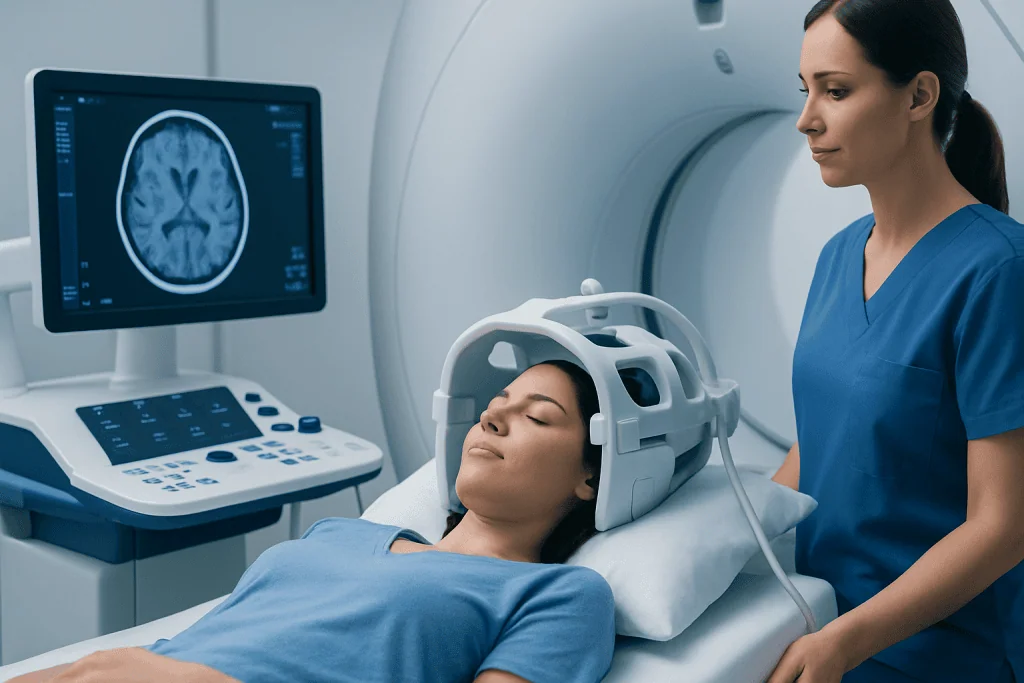
Migraine symptoms vary from person to person. Pain may be throbbing, pulsing, or pressure-like and can occur on one side of the head or both. Many people feel nausea, sensitivity to light, sound sensitivity, dizziness, fatigue, or trouble concentrating during an attack.
Prescription care may be worth considering if attacks are severe, return frequently, or make normal activities difficult. This is especially true when over-the-counter pain relievers do not work well, the headache returns after temporary relief, or the person needs medicine so often that headaches become harder to control.
Common signs that medical review is needed include:
- Headaches occurring several days each month
- Attacks lasting many hours or more than a day
- Frequent nausea or vomiting with headaches
- Missed work, school, exercise, or social activities
- Need for repeated doses of nonprescription pain medicine
- Symptoms such as aura, numbness, weakness, or speech difficulty that need evaluation
These features do not always mean something dangerous is present, but they do suggest that self-treatment alone may not be enough. A clinician can help match symptoms to the right acute and preventive approach.
Causes, Triggers, and Risk Factors

The exact cause of migraine is not fully understood, but it involves changes in brain activity, nerve signaling, and pain-processing pathways. Genetics also play an important role, so migraine often runs in families. Hormonal changes, sleep disruption, stress, and skipped meals can influence when attacks occur.
Many people notice specific triggers, although triggers are not the same as the underlying cause. Common triggers include dehydration, alcohol, certain foods, strong odors, bright light, weather changes, and too much or too little caffeine. Keeping a headache diary can help identify patterns without assuming that every attack has a single clear trigger.
Risk factors for more difficult-to-control migraine include a family history of migraine, female sex, hormonal fluctuations, anxiety or depression, poor sleep, and frequent use of pain medicine. People with repeated or complicated headaches may also need evaluation for related disorders such as cluster headache or other primary headache conditions, since treatment strategies differ.
How Migraine Is Diagnosed
Migraine is usually diagnosed based on the pattern of symptoms and a medical history. A doctor will ask when the headaches started, how often they happen, what the pain feels like, how long attacks last, and whether nausea, aura, or sensory sensitivity occurs. Information about family history, menstrual cycles, sleep, stress, and medications is also useful.
A physical examination and neurological examination help look for signs that point away from migraine and toward another cause. In many cases, imaging is not needed if the history is typical and the neurological exam is normal. However, tests may be recommended when headaches change suddenly, begin later in life, follow injury, or come with concerning neurological symptoms.
It is also important to review all medicines being used, including over-the-counter pain relievers. Frequent use of these drugs can lead to medication overuse headache, which can make migraine more frequent and less responsive to treatment. Proper diagnosis lays the foundation for choosing the most appropriate neurology evaluation and headache care plan.
Treatment Options: Self-Care, Acute Relief, and Prevention
Migraine treatment usually has two goals: stopping attacks when they happen and reducing how often they occur. For some people, self-care and nonprescription medicine are enough for occasional attacks. Helpful measures may include sleep, hydration, regular meals, reducing screen exposure, and resting in a quiet, dark environment.
When these steps are not enough, doctors may prescribe acute migraine medicines designed to work more effectively than standard pain relievers. The choice depends on symptoms, how quickly the headache builds, whether nausea is present, and whether the person has other medical conditions. Prescription treatment may also include anti-nausea medication when needed.
If migraines are frequent or highly disruptive, preventive treatment may be considered. Preventive care aims to reduce attack frequency, severity, and reliance on acute medicines. It can include daily or periodic prescription medicines, lifestyle changes, trigger management, sleep support, and stress reduction. In selected cases, doctors may discuss advanced options delivered through a specialized headache and neurology service or, when symptoms overlap with other pain conditions, a broader pain management approach.
Some patients with persistent headache patterns benefit from multidisciplinary care, especially when migraines coexist with neck pain, sleep disorders, anxiety, or other neurological symptoms. Treatment works best when it is individualized rather than based on trial and error alone.
When to Consider Prescription Care Instead of Self-Treatment
Prescription care should be considered when migraine attacks are frequent, severe, prolonged, or increasingly difficult to manage at home. This also applies when headaches interfere with work, family life, travel, or sleep, or when over-the-counter medicines no longer provide reliable relief.
Another reason to seek medical advice is frequent medicine use. Taking pain relievers too often can cause rebound or medication overuse headache, creating a cycle in which headaches happen more often and treatment becomes less effective. A doctor can help break that cycle safely and recommend better long-term strategies.
Prescription care is also appropriate when migraine symptoms are changing. Examples include new aura symptoms, headaches that feel different from past attacks, increasing intensity, or headaches associated with weakness, confusion, or persistent vomiting. In some situations, a clinician may recommend further workup or referral for specialist brain and nerve assessment if symptoms suggest another neurological cause.
For international patients who need coordinated evaluation, Acibadem International offers diagnosis and treatment through multidisciplinary specialists in JCI-accredited hospitals, with care plans tailored to the individual headache pattern and overall health needs.
Prevention and Self-Care Strategies
Even when prescription treatment is needed, self-care remains an important part of migraine management. Regular sleep, consistent meals, hydration, exercise suited to the individual, and stress reduction can all help lower the chance of attacks. Sudden changes in routine often make migraine more likely.
A headache diary can be especially helpful. Recording the date, duration, symptoms, possible triggers, menstrual timing, medicines used, and response to treatment can show useful patterns over time. This information helps doctors decide whether preventive treatment is needed and whether current therapy is working.
People with migraine are often advised to avoid using over-the-counter pain medicines too frequently. Instead of increasing self-treatment step by step, it is safer to ask a doctor when headaches become recurrent. Preventive care works best when it combines healthy habits, trigger awareness, and evidence-based medical treatment.
When to See a Doctor Urgently
Most migraines are not emergencies, but some headache symptoms need prompt medical attention. A sudden, explosive headache unlike any previous headache should be assessed urgently. The same is true for headaches after a head injury or headaches that come with fever, stiff neck, fainting, or seizures.
Urgent evaluation is also important if headache occurs with new weakness, numbness, trouble speaking, confusion, vision loss, or severe dizziness. These symptoms may still occur with migraine in some cases, but they should not be assumed to be routine without medical assessment.
People should also contact a doctor if headaches are becoming more frequent, changing in pattern, or waking them from sleep regularly. Early review can help identify whether the problem is uncontrolled migraine, medication overuse, or another condition that needs treatment.
Frequently asked questions
How do people know when migraine treatments should include prescription care?
Prescription care is often worth considering when migraines are frequent, severe, long-lasting, or interfere with daily life. It is also important when over-the-counter medicine stops working well or needs to be used too often.
Can over-the-counter pain relievers make migraines worse?
Yes. Using pain relievers too frequently can lead to medication overuse headache, which may increase headache frequency and make treatment less effective. A doctor can help create a safer treatment plan if this pattern develops.
What is the difference between acute and preventive migraine treatment?
Acute treatment is taken during a migraine attack to reduce pain and related symptoms. Preventive treatment is used regularly to lower how often migraines happen and how severe they are over time.
Do all people with migraine need brain scans or imaging tests?
No. Many people with a typical migraine history and a normal neurological exam do not need imaging. Tests are more likely when symptoms are new, unusual, suddenly severe, or suggest another cause of headache.
Can lifestyle changes really help migraine control?
Yes. Regular sleep, hydration, meals, exercise, and stress management can reduce the likelihood of attacks for many people. These steps are often most effective when combined with appropriate medical treatment.
When should a migraine be treated as an emergency?
Urgent medical care is needed for a sudden severe headache, headache after head injury, or headache with weakness, speech trouble, confusion, fainting, fever, or seizures. These symptoms need prompt evaluation to rule out other serious causes.
References
- World Health Organization
- National Institute of Neurological Disorders and Stroke
- American Migraine Foundation
- National Institute for Health and Care Excellence
- International Headache Society
This article is for general information only and is not a substitute for professional medical advice. Please consult a qualified doctor about your individual situation.
Migraine in Turkey — costs, top hospitals & a free quote
JCI-accredited · board-certified surgeons · reply within 24h
Add us as a Preferred Source to see more of our trusted health content across Google Search, AI Overviews and Discover.

More from the Health Library



Related Specialists

Prof. Dr. H. Armağan Arıcan
Radiation Oncology
Prof. Dr. Metin Türkmen
Orthopedic Surgery & Traumatology
Dr. Harika Bodur Öztürk
Gynecology & Obstetrics
Dr. Bülent Erdoğan
Emergency Service