

Mild Concussion Symptoms Explained: Common Triggers and Red Flags
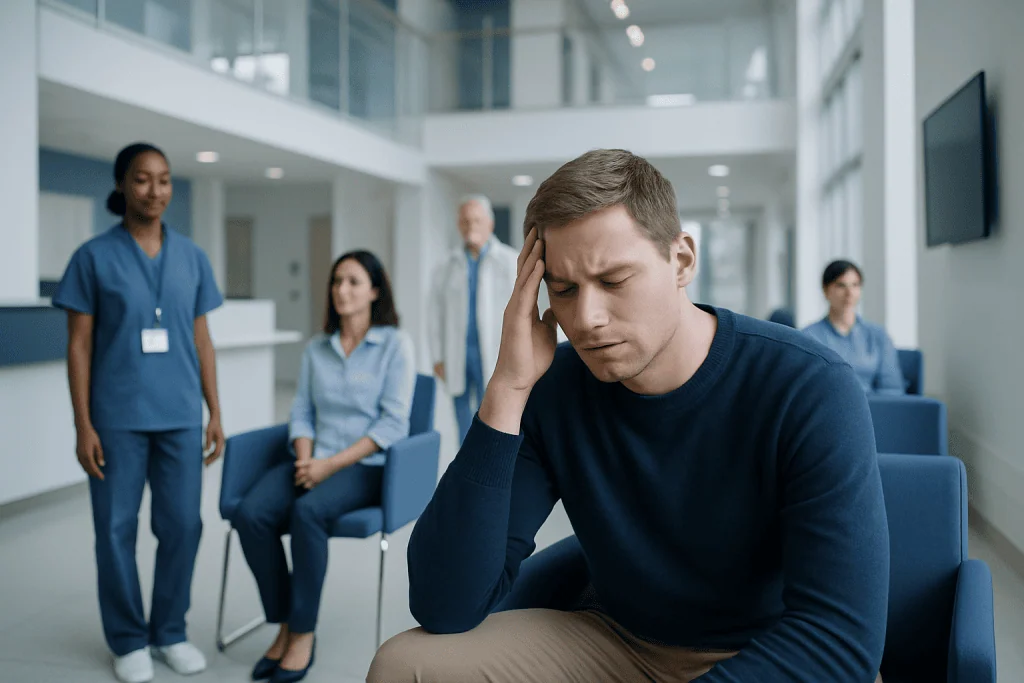
Mild concussion symptoms can affect thinking, balance, mood, sleep, and physical comfort. Symptoms may start right away or develop over several hours after the injury.
Key Takeaways
- Mild concussion symptoms can affect thinking, balance, mood, sleep, and physical comfort.
- Symptoms may start right away or develop over several hours after the injury.
- A concussion can happen even without loss of consciousness.
- Red-flag symptoms such as repeated vomiting, worsening headache, seizure, or increasing confusion need urgent medical care.
- Return to work, school, sports, and driving should be gradual and guided by a healthcare professional.
Mild concussion symptoms usually appear after a blow to the head or a sudden jolt to the body and may include headache, dizziness, nausea, sensitivity to light, confusion, or feeling "off." Most symptoms improve with time and guided rest, but certain warning signs need prompt medical evaluation.
Overview: What mild concussion symptoms usually feel like
Mild concussion symptoms are the common signs of a mild traumatic brain injury. They often include headache, dizziness, nausea, blurred vision, sensitivity to light or noise, trouble concentrating, and a general sense of feeling slowed down or not quite normal. A person may seem awake and able to talk, yet still have a concussion.
A concussion happens when the brain is shaken inside the skull after a hit to the head or a forceful movement of the body, such as a fall, sports collision, car accident, or sudden stop. Loss of consciousness is not required. In fact, many people with a concussion never pass out.
The term “mild” refers to the initial severity of the injury, not to how seriously symptoms should be taken. Even symptoms that appear mild can interfere with daily life, school, work, exercise, and driving. Most people recover well, especially when the injury is recognized early and they receive appropriate advice on rest and gradual return to activity.
Common symptoms after a concussion
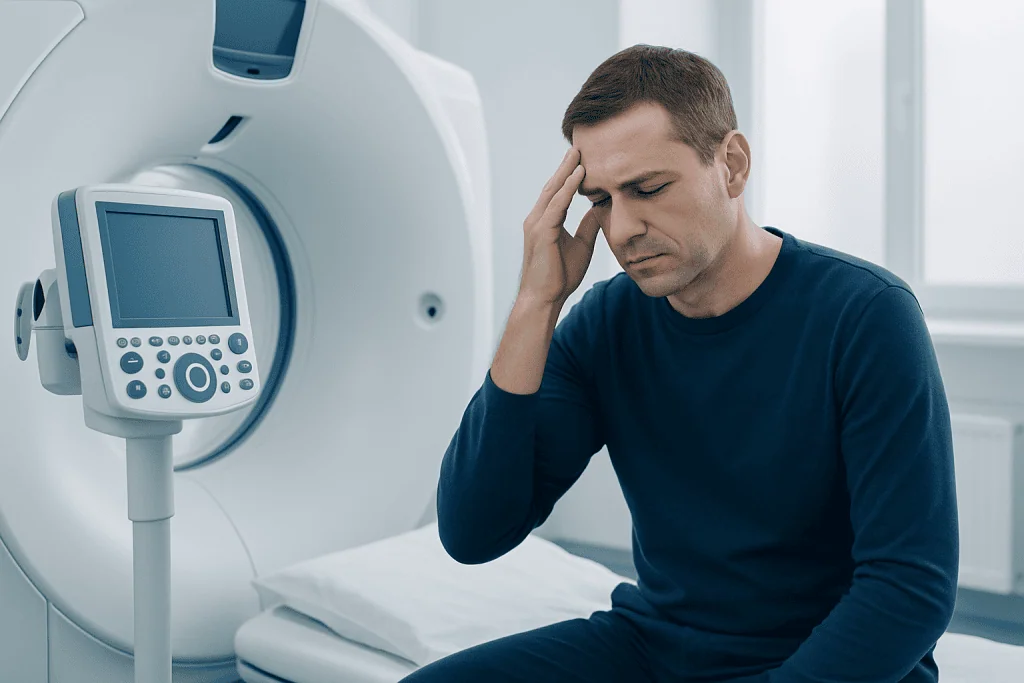
Symptoms can affect the body, thinking, emotions, and sleep. They may begin immediately after the injury or become more noticeable later the same day. This delayed pattern is one reason why observation after a head injury is important.
Physical symptoms often include headache, pressure in the head, dizziness, balance problems, nausea, fatigue, blurred vision, and sensitivity to light or sound. Some people also notice ringing in the ears or feel more tired than usual. Neck pain can happen at the same time, especially after a fall or motor vehicle accident.
Cognitive and emotional symptoms can be subtle. A person may have trouble focusing, feel mentally foggy, respond more slowly, forget recent events, become unusually irritable, or feel anxious. Sleep changes are also common, including sleeping more than usual, sleeping less, or having difficulty falling asleep.
- Headache or a feeling of pressure in the head
- Dizziness or poor balance
- Nausea, sometimes with vomiting
- Blurred vision or light sensitivity
- Confusion, slowed thinking, or trouble concentrating
- Fatigue, irritability, or sleep disturbance
What can trigger a concussion and who is at higher risk

Concussions are commonly triggered by falls, contact sports, cycling accidents, playground injuries, workplace incidents, and road traffic collisions. A direct blow to the head is one cause, but a hard impact to the body can also produce the rapid brain movement that leads to concussion. This is why whiplash-type events may cause symptoms even when there is no visible injury to the scalp.
Children, teens, older adults, and athletes are often discussed as higher-risk groups, but anyone can develop a concussion. Older adults may be more vulnerable to complications because falls are more common and other medical conditions or blood-thinning medicines may affect the situation. People with a previous concussion may also be more likely to notice prolonged symptoms after another head injury.
Risk can be reduced, though not eliminated, by wearing seat belts, using properly fitted sports helmets where appropriate, improving home safety to prevent falls, and following return-to-play rules after injury. A helmet helps protect against skull fracture and serious head trauma, but it does not fully prevent concussion.
Red flags that need urgent medical attention
Most mild concussion symptoms improve gradually, but some warning signs suggest a more serious brain injury or bleeding in and around the brain. These symptoms should not be ignored, especially if they are worsening rather than improving.
Urgent medical care is needed if a person has repeated vomiting, increasing confusion, a severe or worsening headache, seizure, weakness or numbness, trouble walking, slurred speech, unusual drowsiness, one pupil larger than the other, fluid or blood coming from the nose or ears, or loss of consciousness. Children and older adults should be monitored especially carefully after head injury.
If symptoms suggest a more severe brain hemorrhage or another major head injury, emergency evaluation is important. Families should seek immediate help if the injured person cannot be awakened normally, behaves very differently, or develops new neurologic symptoms. When in doubt, it is safer to be assessed promptly by a qualified clinician.
How concussion is diagnosed
Diagnosis is based mainly on the history of the injury, symptoms, and a neurological examination. A clinician will ask what happened, whether there was a loss of consciousness or memory gap, when symptoms started, and whether they are improving or getting worse. Balance, coordination, eye movements, attention, speech, and memory may all be checked.
Brain imaging is not needed for every mild concussion. A standard head CT scan is usually used when there are red flags, high-risk features, or concern about skull fracture or bleeding. An MRI may sometimes be used later if symptoms persist or if the situation needs a closer look with MRI scan imaging. Depending on symptoms, assessment may also include a neurological examination and guidance from clinicians experienced in head injury care.
If symptoms continue beyond the expected recovery period, further evaluation may look for contributing problems such as migraine, neck strain, vestibular dysfunction, sleep disruption, anxiety, or visual issues. This is one reason persistent symptoms should be reviewed rather than assumed to be “normal.” Related conditions such as traumatic brain injury may require broader follow-up and rehabilitation planning.
Treatment and recovery after a mild concussion
The main treatment for mild concussion symptoms is a short period of relative rest followed by a gradual return to normal activity. Relative rest means reducing physical and mental strain for the first day or two while avoiding complete isolation or strict bed rest for long periods unless specifically advised. The goal is to let symptoms settle without causing deconditioning or prolonged inactivity.
After the first 24 to 48 hours, light daily activities can usually be reintroduced as long as they do not significantly worsen symptoms. Many people do better with a step-by-step increase in reading, screen time, schoolwork, work tasks, walking, and exercise. If symptoms flare, the activity level may need to be reduced temporarily before trying again more gradually.
Symptom-specific care may include hydration, sleep support, headache management, and treatment for balance or neck-related symptoms. Some patients benefit from rehabilitation approaches such as physical therapy and rehabilitation, especially if dizziness, neck pain, or prolonged functional difficulties are present. Return to sport should follow a formal progression and should not begin until a healthcare professional says it is safe.
Self-care, daily precautions, and prevention
At home, it helps to keep the environment calm and structured. Limiting bright lights, loud noise, intense exercise, and prolonged screen use may make the first few days easier. Good hydration, regular meals, and a consistent sleep schedule can also support recovery. Alcohol and activities with a risk of another head injury should be avoided until cleared by a doctor.
Driving, operating machinery, climbing ladders, and contact sports may need to be paused while symptoms are present. School or work accommodations can be useful, such as shorter days, extra breaks, reduced screen exposure, or delayed testing. These adjustments are often temporary and can help prevent symptom aggravation while the brain recovers.
Prevention focuses on reducing future injuries. Practical steps include using seat belts, checking vision and footwear to lower fall risk, making homes safer for older adults, and following sports safety rules. For international patients who need assessment or follow-up, Acibadem International’s multidisciplinary specialists in JCI-accredited hospitals diagnose and treat concussion-related conditions with individualized care planning.
When to seek medical care
Medical care is recommended after any suspected concussion if symptoms are not clearly improving, if there was a significant impact, or if the person is very young, older, pregnant, taking blood thinners, or has a history of previous brain injury. Even when symptoms seem mild, professional advice can help guide safe recovery and return to normal activities.
Same-day medical review is sensible for persistent headache, dizziness, nausea, concentration difficulty, or symptoms that interfere with work, school, exercise, or sleep. Urgent or emergency care is needed for red flags such as repeated vomiting, worsening headache, seizure, marked confusion, weakness, trouble speaking, or increasing drowsiness.
A follow-up appointment is also important if symptoms last more than a couple of weeks, recur with activity, or create concern about memory, mood, balance, or vision. Early guidance can reduce complications and help identify whether another condition is contributing to ongoing symptoms.
Frequently asked questions
Can someone have a concussion without passing out?
Yes. Loss of consciousness is not required for a concussion diagnosis. Many people remain awake and alert but still develop headache, dizziness, confusion, or other symptoms after a head injury.
How long do mild concussion symptoms usually last?
Recovery time varies, but many people begin to improve within days and recover over a few weeks. Some symptoms last longer, especially if the person returns to activity too quickly or has other contributing problems such as migraine, neck strain, or sleep disturbance.
Is it safe to sleep after a mild concussion?
Sleep is often helpful during recovery, but the person should first be assessed if there are concerning symptoms or uncertainty about the injury. If a clinician has advised home observation, family members should follow those instructions and seek urgent help if red flags develop.
What should be avoided after a concussion?
Activities that worsen symptoms or raise the chance of another head injury should be avoided until a clinician says it is safe. This often includes contact sports, intense exercise, driving, alcohol, and prolonged screen time in the first phase of recovery.
Do all concussions need a CT scan or MRI?
No. Imaging is usually reserved for red-flag symptoms, high-risk injuries, or concern about bleeding or fracture. Many mild concussions are diagnosed through symptom review and neurological examination rather than routine scans.
When can a person return to sports, school, or work?
Return should be gradual and based on symptoms. Most people benefit from a stepwise plan that increases activity slowly and pauses if symptoms worsen, ideally with guidance from a healthcare professional.
References
- Centers for Disease Control and Prevention
- National Institute of Neurological Disorders and Stroke
- Mayo Clinic
- American Association of Neurological Surgeons
- Brain Injury Association of America
This article is for general information only and is not a substitute for professional medical advice. Please consult a qualified doctor about your individual situation.
Persistent digestive symptoms? Get evaluated in Turkey
JCI-accredited · board-certified surgeons · reply within 24h
Add us as a Preferred Source to see more of our trusted health content across Google Search, AI Overviews and Discover.

More from the Health Library



Related Specialists

Dr. Alp Er Tunga Bölükbaşı
Orthopedic Surgery & Traumatology
Embriyolog Burcu Aksu Türan
Vitro Fertilization and Reproductive Medicine Center
Prof. Dr. Gülfer Mehtap Yazicioğlu
Pediatric Allergy
Prof. Dr. Faruk Suat Dede
Gynecology & Obstetrics