Mirena IUD: What Patients Need to Know

Mirena IUD is a long-acting reversible contraceptive that releases levonorgestrel inside the uterus. It can prevent pregnancy for several years and often makes periods lighter over time.
Key Takeaways
- Mirena IUD is a long-acting reversible contraceptive that releases levonorgestrel inside the uterus.
- It can prevent pregnancy for several years and often makes periods lighter over time.
- Cramping, irregular bleeding, and spotting are common at first and often improve within months.
- A clinician must insert and remove Mirena IUD, and follow-up may be advised if there are symptoms or concerns.
- Severe pain, fever, very heavy bleeding, or signs of pregnancy need prompt medical evaluation.
Mirena IUD is a small hormonal intrauterine device used for long-term birth control and, in some people, to reduce heavy menstrual bleeding. Most users do well with it, but knowing how it works, what side effects are common, and when to seek medical care can help patients make informed decisions.
What Is Mirena IUD and How Does It Work?
Mirena IUD is a small, T-shaped hormonal device that a healthcare professional places inside the uterus. It releases a low dose of levonorgestrel, a form of progestin, over time. For many patients, it offers effective long-term contraception without needing daily attention.
The hormone mainly works by thickening cervical mucus, which makes it harder for sperm to reach an egg. It also thins the uterine lining and may reduce the chance of ovulation in some users. Because its effects are mostly local within the uterus, Mirena IUD differs from birth control methods that deliver hormones throughout the whole body.
In addition to pregnancy prevention, Mirena IUD may be recommended to help manage heavy menstrual bleeding in selected patients. Some people notice lighter periods, fewer cramps, or even no periods after a period of adjustment. This makes it both a contraceptive option and, in some cases, part of treatment planning for menstrual symptoms.
Who Might Consider Mirena IUD?
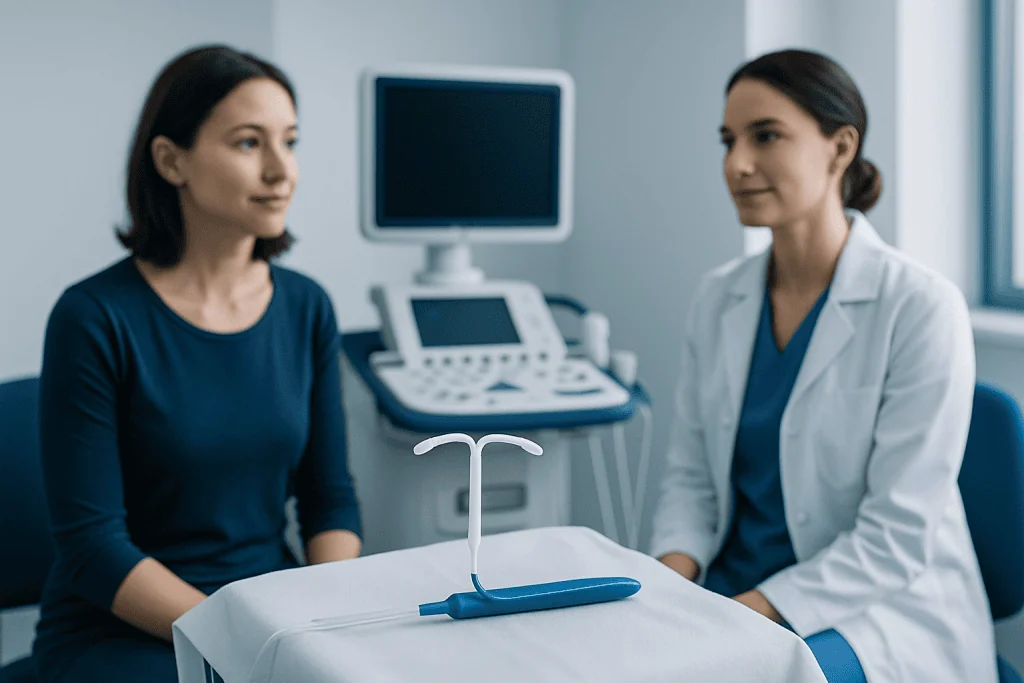
Mirena IUD may be a good option for people who want reliable, reversible, long-term birth control. It can suit those who prefer not to remember a daily pill, want to avoid estrogen-containing contraception, or are looking for a method that can be removed if pregnancy is desired later.
It may also help patients who have heavy periods or painful menstrual symptoms. In some situations, doctors assess heavy bleeding further to rule out underlying causes such as hormone-related changes, fibroids, or other gynecologic conditions. Depending on symptoms, a clinician may also evaluate for related problems such as ovarian cysts or other reproductive health concerns.
Mirena IUD is not the right choice for everyone. A doctor will review medical history, current symptoms, recent pregnancies, pelvic infections, unexplained vaginal bleeding, and any conditions affecting the uterus. This individual assessment helps determine whether a hormonal IUD is safe and appropriate.
What to Expect Before, During, and After Insertion

Before insertion, the clinician usually reviews medical history, menstrual patterns, medications, and pregnancy risk. A pelvic exam is often performed, and sometimes additional testing is advised if there are symptoms of infection or uncertainty about the cause of abnormal bleeding. In some cases, pelvic imaging may be helpful, such as ultrasonography to assess the uterus and surrounding structures.
Insertion is done in a clinic setting and usually takes only a few minutes. Patients may feel cramping, pressure, or brief discomfort as the device passes through the cervix and is placed in the uterus. The experience varies from person to person, and some people find it manageable while others feel more intense cramping.
After insertion, mild cramping, spotting, or light bleeding can happen for several days or longer. A clinician may explain how to check for the IUD strings and when to return for follow-up if needed. Patients should ask what symptoms are expected, when normal activities can resume, and what signs would require medical review.
Common Side Effects and Possible Benefits
In the first few months, irregular bleeding and spotting are among the most common Mirena IUD side effects. Some users also notice cramping, breast tenderness, headaches, acne, or mood changes. These symptoms are often temporary and may settle as the body adjusts.
Over time, many people have lighter periods and less menstrual pain. Some stop having periods altogether, which can be normal with Mirena IUD and does not necessarily mean there is a problem. For patients troubled by heavy bleeding, this change can be one of the main benefits of the device.
Not everyone experiences the same pattern. Some continue to have irregular bleeding, while others may decide the side effects outweigh the benefits. If bleeding is persistent, troublesome, or associated with pain, doctors may investigate other causes of abnormal bleeding and consider whether additional gynecologic evaluation is needed, including gynecology care.
Risks, Warning Signs, and When Mirena May Not Be Suitable
Serious complications with Mirena IUD are uncommon, but they can occur. The device can sometimes be expelled from the uterus, especially in the first months after insertion. Rarely, it may perforate the uterine wall during placement, or an infection may develop soon after insertion.
Mirena IUD does not protect against sexually transmitted infections. If a patient is at risk of sexually transmitted infections, barrier protection such as condoms is still important. If pregnancy occurs with an IUD in place, urgent medical assessment is needed because there is a risk of complications, including ectopic pregnancy.
Mirena may not be suitable for people with certain uterine abnormalities, unexplained vaginal bleeding, active pelvic infection, or some hormone-sensitive conditions. A careful pre-insertion review helps lower risks. Patients with pelvic pain, unusual discharge, or concerns about placement may need examination and sometimes MRI or ultrasound if the device position is uncertain or other pelvic conditions are suspected.
Follow-Up, Removal, and Future Fertility
Routine follow-up after Mirena IUD insertion varies by clinician and by the patient’s symptoms. Some people only need review if they have pain, bleeding changes, cannot feel the strings, or think the device may have moved. Others may be asked to come back after insertion so the clinician can confirm comfort and positioning.
Removal must be done by a trained healthcare professional. The procedure is often quick, though some cramping or light bleeding can occur. Patients may request removal because they want pregnancy, have reached the end of the device’s approved duration, or are experiencing side effects they no longer wish to manage.
Fertility usually returns quickly after removal, although the timing of conception naturally varies from person to person. Anyone planning pregnancy after an IUD can discuss preconception health, medication review, and cycle timing with a doctor. For patients needing broader reproductive assessment, specialized fertility evaluation and IVF care may be considered when appropriate.
Self-Care Tips and When to Seek Medical Care
Simple self-care can make the adjustment period easier. Patients can keep track of bleeding patterns, cramps, and any new symptoms in a calendar or phone app. This record can help a clinician decide whether symptoms are within the expected range or need further review.
It is sensible to seek medical care promptly for severe or worsening pelvic pain, fever, foul-smelling discharge, very heavy bleeding, pain during sex, or if the IUD strings suddenly feel much longer, shorter, or cannot be felt at all. Medical advice is also important if pregnancy is suspected, especially if there is one-sided pelvic pain or abnormal bleeding.
For new or persistent concerns, a gynecologist can check device position and evaluate other possible causes of symptoms. Near the end of care planning, patients may appreciate knowing that Acibadem International’s multidisciplinary specialists and JCI-accredited hospitals diagnose and treat gynecologic conditions for international patients in a coordinated setting.
Frequently asked questions
Is Mirena IUD a good birth control option for many patients?
Mirena IUD is a widely used long-acting reversible contraceptive and can be a good option for many people who want effective, low-maintenance birth control. Whether it is the right choice depends on medical history, symptoms, and personal preferences. A clinician can help compare it with other methods.
How long does Mirena IUD last?
Mirena IUD is designed to work for several years, depending on the approved use and local guidance. A healthcare professional can confirm the current recommended duration for contraception or heavy menstrual bleeding. Patients should not rely on it beyond the advised timeframe without medical review.
Does Mirena IUD stop periods?
Some people continue to have regular bleeding, while others have lighter periods or no periods at all after a few months. This can be a normal effect of the hormone on the uterine lining. However, sudden changes along with pain or pregnancy symptoms should be checked by a doctor.
Can Mirena IUD cause weight gain or mood changes?
Some users report symptoms such as bloating, mood changes, or concerns about weight, but experiences vary and these symptoms can have more than one cause. It is not possible to predict exactly how one person will respond. If side effects are persistent or troubling, a doctor can review whether Mirena remains the best option.
Can a person get pregnant with Mirena IUD in place?
Pregnancy is uncommon with Mirena IUD, but no contraceptive method is completely perfect. If pregnancy does occur, it needs prompt medical assessment because complications can happen. Warning signs include a missed period after previous regular cycles, breast tenderness, nausea, or pelvic pain.
Is Mirena IUD insertion painful?
Insertion can cause brief cramping or discomfort, but the intensity differs from person to person. Some feel mild pressure, while others experience stronger cramps for a short time. Patients can ask their clinician what to expect and how to make the procedure more comfortable.
References
- American College of Obstetricians and Gynecologists
- Centers for Disease Control and Prevention
- World Health Organization
- National Health Service
- Mayo Clinic
This article is for general information only and is not a substitute for professional medical advice. Please consult a qualified doctor about your individual situation.
Explore treatments in Turkey — costs, top hospitals & a free quote
JCI-accredited · board-certified surgeons · reply within 24h
Add us as a Preferred Source to see more of our trusted health content across Google Search, AI Overviews and Discover.
Check your numbers in seconds
BMI, calories, due date, blood pressure and 30+ more clinical calculators — free, instant, doctor-reviewed ranges.

More from the Health Library

Prenatal Massage: What Patients Need to Know

Exposed Roots Teeth — Explained by Medical Evidence, Not Myths

Shingles Vaccine: A Complete Medical Overview

HPV Aptima: A Complete Medical Overview

Vivid Dreams: What Patients Need to Know