Misoprostol Uses: An Evidence-Based Guide for Patients

Misoprostol is a prescription medicine with both gastrointestinal and reproductive health uses. It may be used to help prevent NSAID-related stomach ulcers in selected patients.
Key Takeaways
- Misoprostol is a prescription medicine with both gastrointestinal and reproductive health uses.
- It may be used to help prevent NSAID-related stomach ulcers in selected patients.
- In obstetrics and gynecology, it is used only under medical supervision for specific approved or guideline-supported purposes.
- Common side effects include cramping, diarrhea, nausea, and vaginal bleeding, depending on why it is used.
- Prompt medical care is important for heavy bleeding, severe pain, fainting, fever, or signs of infection.
Misoprostol uses include preventing certain stomach ulcers and supporting several evidence-based obstetric and gynecologic treatments. Because it can affect the uterus and cause significant side effects, it should only be used exactly as prescribed by a qualified clinician.
Overview: what misoprostol is used for
Misoprostol uses include preventing stomach ulcers in people who need certain pain-relieving medicines, and supporting several medical situations in obstetrics and gynecology. It is a synthetic prostaglandin medicine, which means it works by acting on body tissues in ways that can protect the stomach lining or stimulate the uterus, depending on how and why it is prescribed.
For patients, the most important point is that misoprostol is not a general-purpose medicine. Its safe use depends on the reason it is prescribed, the person’s medical history, and close attention to timing, dose, and follow-up. A medicine that is appropriate in one situation may be unsafe in another, especially during pregnancy.
Misoprostol is used in different care settings, including gastroenterology, gynecology, emergency care, and maternity care. Because it can cause uterine contractions and bleeding, people who are pregnant or might be pregnant should never take it unless a clinician has specifically advised it for a defined medical purpose.
How misoprostol works in the body
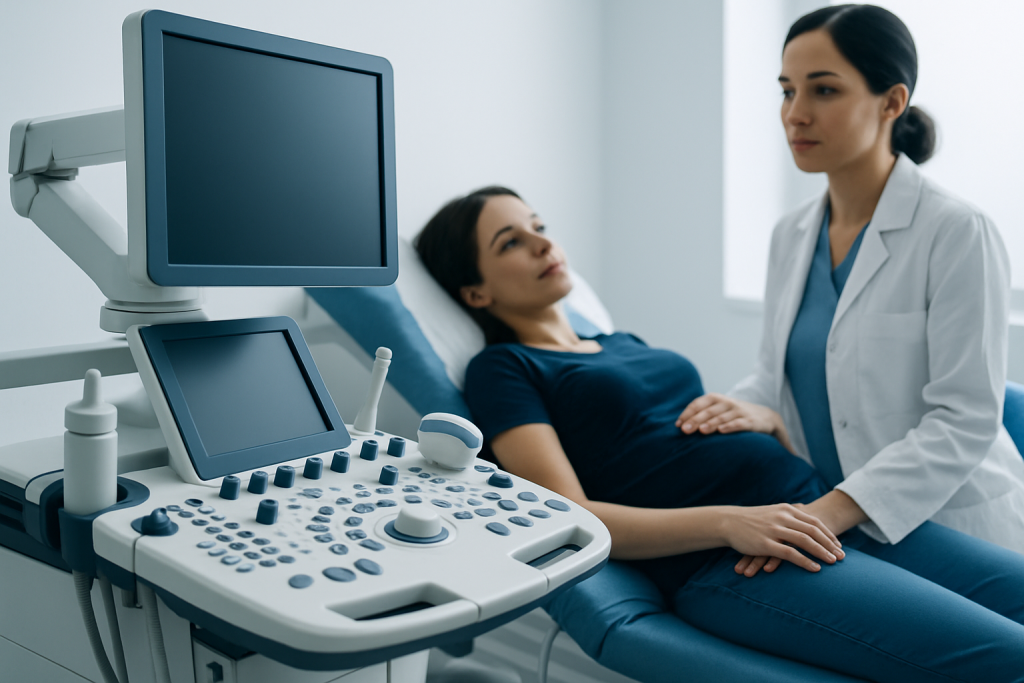
Misoprostol is a prostaglandin E1 analogue. In the stomach, it helps reduce acid-related injury and supports the protective mucus layer. This is why it may be prescribed for some people who take nonsteroidal anti-inflammatory drugs, also called NSAIDs, such as ibuprofen or naproxen, especially if they have a higher risk of ulcers.
In the uterus and cervix, misoprostol can soften the cervix and stimulate contractions. These actions explain why it may be used in reproductive and pregnancy-related care. The exact route of administration and timing can differ widely depending on the clinical goal, so patients should not compare instructions from one use to another.
Because the same medicine can have very different effects in different organs, professional supervision matters. A clinician considers the indication, stage of pregnancy if relevant, overall health, and possible risks before recommending it.
Main misoprostol uses in medical practice

One established use of misoprostol is prevention of NSAID-related gastric ulcers in adults at increased risk. This may be considered for people who need ongoing anti-inflammatory medicines and who have factors such as older age, prior ulcer disease, or other conditions that raise the chance of stomach injury. It is not right for everyone, and other ulcer-prevention strategies may also be considered.
In obstetric and gynecologic care, misoprostol may be used for cervical ripening before certain procedures, management of early pregnancy loss, treatment support for postpartum bleeding, and labor induction in carefully selected cases. It may also be used as part of medication-based management in specific reproductive health situations, usually with clear protocols and follow-up.
These uses should only take place under clinical guidance because the benefits and risks vary by situation. For example, the amount of bleeding expected after one gynecologic use is not the same as after another. Patients should ask what to expect, how symptoms may progress, and when to contact a doctor immediately.
When care involves conditions such as ectopic pregnancy or severe pregnancy-related complications, misoprostol is not a substitute for the correct diagnosis and treatment plan. In some cases, evaluation may include ultrasound, blood testing, or a procedure such as hysteroscopy to clarify the cause of symptoms or manage retained tissue when appropriate.
Who should not use misoprostol without medical advice
Misoprostol should never be started casually or based only on general information online. It can be dangerous if used in the wrong setting, particularly during pregnancy. People who are pregnant, think they may be pregnant, or are trying to become pregnant should only use it when a qualified clinician has prescribed it for a specific medical reason and explained the expected effects.
People with allergy to misoprostol or related prostaglandin medicines should avoid it. Caution may also be needed in people with certain bowel conditions, dehydration risk, severe cardiovascular illness, anemia, clotting problems, or those taking medicines that affect bleeding. A full medication list is important because the overall treatment plan may need adjustment.
If a patient has pelvic pain, dizziness, shoulder pain, fainting, or unusually heavy bleeding, urgent evaluation is needed before assuming misoprostol is appropriate or that symptoms are expected. Doctors may need to rule out emergencies or identify causes such as infection, incomplete pregnancy tissue passage, or another gynecologic problem. In some patients, further evaluation and treatment may involve fertility care or gynecologic assessment depending on the broader clinical situation.
Side effects, risks, and what patients may feel
Common side effects depend on the reason for treatment and the route used. In gastrointestinal use, diarrhea, abdominal cramping, nausea, and indigestion are among the better-known side effects. In reproductive health use, cramping and bleeding are expected in some settings, but their intensity can vary greatly.
Patients should know that expected symptoms and warning signs are not the same thing. Some cramping or bleeding may be part of treatment, but severe pain, very heavy bleeding, fainting, persistent fever, foul-smelling discharge, chest symptoms, or signs of severe dehydration are not considered routine and need medical attention.
There are also emotional aspects to care when misoprostol is used in pregnancy-related situations. Clear instructions, follow-up planning, and access to support can make treatment safer and less stressful. If symptoms feel different from what the care team described, the patient should contact a medical professional rather than waiting it out.
- Possible gastrointestinal effects: diarrhea, nausea, stomach cramps
- Possible gynecologic effects: uterine cramping, bleeding, passage of tissue
- Concerning symptoms: soaking pads rapidly, fainting, severe one-sided pain, fever, or worsening weakness
How doctors evaluate whether misoprostol is appropriate
Doctors choose misoprostol based on the patient’s symptoms, health history, and treatment goals. If the concern is stomach protection, the discussion usually includes NSAID use, past ulcers, age, and other medications. If the concern is gynecologic or pregnancy-related, evaluation may involve the date of the last menstrual period, pregnancy testing, ultrasound, blood work, and review of bleeding or pain symptoms.
Safe prescribing also depends on knowing whether there are reasons to avoid the medicine or whether another treatment is better. For example, heavy bleeding and pain may need imaging before treatment, while suspected infection may require a different approach. In some pregnancy-related conditions, surgical care may be more appropriate than medication alone.
Follow-up is an important part of care. Depending on the indication, doctors may confirm that symptoms are resolving, that the uterus has emptied as expected, that bleeding is improving, or that ulcer prevention is effective and tolerated. This step helps reduce the risk of delayed complications.
Treatment planning, self-care, and practical safety tips
Patients using misoprostol should follow the prescribing instructions exactly and avoid mixing advice from social media, friends, or unrelated online sources. The route, timing, and aftercare for ulcer prevention are different from those used in pregnancy-related care. Using someone else’s instructions can be unsafe.
Helpful self-care depends on the situation. For gastrointestinal use, staying hydrated and reporting troublesome diarrhea can help prevent complications. For gynecologic use, patients may be advised to rest, use sanitary pads so bleeding can be monitored, and have a clear plan for who to call if symptoms become severe.
It is wise to ask in advance about pain control, expected bleeding, how long symptoms may last, and whether a follow-up visit or test is needed. Patients should also confirm whether they should avoid intercourse, tampons, or certain medicines for a period of time. Good instructions reduce confusion and help patients recognize when recovery is on track.
Near the end of the care pathway, some patients benefit from specialist review to discuss future planning, such as contraception, ulcer prevention alternatives, or evaluation of recurring symptoms. Acibadem International’s multidisciplinary specialists in JCI-accredited hospitals diagnose and treat related gynecologic and gastrointestinal conditions for international patients when specialist care is needed.
When to seek medical care
Medical advice should be sought promptly if there is severe or worsening abdominal or pelvic pain, very heavy bleeding, fainting, marked weakness, persistent vomiting, or signs of dehydration. Patients should also contact a doctor for fever, chills, foul-smelling discharge, or symptoms that do not match the explanation given at the time of prescribing.
Emergency care is especially important if a patient may be pregnant and has one-sided pelvic pain, shoulder pain, collapse, or dizziness, because these may signal a condition such as ectopic pregnancy rather than a normal response to treatment. Heavy bleeding after delivery also needs urgent professional care.
Even when symptoms are not severe, patients should seek medical review if bleeding lasts longer than expected, if pain control is inadequate, or if there is uncertainty about whether treatment worked. Early follow-up can prevent complications and provide reassurance.
Frequently asked questions
What is misoprostol used for most commonly?
Misoprostol is commonly used to help prevent certain stomach ulcers in people taking NSAID pain medicines and for selected obstetric or gynecologic purposes under medical supervision. Its exact use depends on the clinical situation, and it should only be taken as prescribed.
Can misoprostol be taken during pregnancy?
Misoprostol should only be used during pregnancy when a qualified clinician has specifically prescribed it for a defined medical reason. Because it can stimulate the uterus, using it without supervision can be harmful.
What side effects are common with misoprostol?
Common side effects include cramping, diarrhea, nausea, and bleeding, depending on why the medicine is being used. Some discomfort may be expected, but severe pain, heavy bleeding, fainting, or fever need medical attention.
How quickly does misoprostol work?
The timing varies based on the medical purpose, dose, and route of administration. In some reproductive health settings, effects may begin within hours, while in stomach protection its benefit relates to regular use over time.
Is bleeding after misoprostol always normal?
Not always. In some gynecologic uses, bleeding is expected, but the amount and duration should fit what the clinician explained. Very heavy bleeding, dizziness, or bleeding that continues longer than expected should be assessed by a doctor.
Can misoprostol be used without seeing a doctor?
It is safest to use misoprostol only with professional medical guidance. The correct evaluation, instructions, and follow-up are important because the same medicine can be helpful in one situation and risky in another.
This article is for general information only and is not a substitute for professional medical advice. Please consult a qualified doctor about your individual situation.
Persistent digestive symptoms? Get evaluated in Turkey
JCI-accredited · board-certified surgeons · reply within 24h
Add us as a Preferred Source to see more of our trusted health content across Google Search, AI Overviews and Discover.

More from the Health Library

Candy Flip: An Evidence-Based Guide for Patients

Tachypnea: An Evidence-Based Guide for Patients

Ghost Lashes: A Complete Medical Overview

Hyssop: An Evidence-Based Guide for Patients

Energy Vampire: A Complete Medical Overview