Morbid Obesity — Explained by Medical Evidence, Not Myths

Morbid obesity refers to severe obesity with a high risk of serious health complications. Body mass index is one tool used, but waist size, related illnesses, and overall health also matter.
Key Takeaways
- Morbid obesity refers to severe obesity with a high risk of serious health complications.
- Body mass index is one tool used, but waist size, related illnesses, and overall health also matter.
- Causes are usually multifactorial and can include genetics, hormones, medications, mental health, sleep, and lifestyle patterns.
- Treatment often combines nutrition, physical activity, behavioral support, medicines, and sometimes bariatric surgery.
- Early medical evaluation can help identify complications and guide a safe, individualized treatment plan.
<a href="https://acibademinternational.com/diseases/morbid-obesity/”>Morbid obesity is a medical term for severe obesity that significantly increases the risk of conditions such as type 2 diabetes, heart disease, sleep apnea, and joint problems. It is not simply a matter of personal choice or willpower; it is a complex health condition shaped by biology, environment, behavior, and other medical factors.
Overview: what morbid obesity means
Morbid obesity is a medical term used to describe severe obesity that substantially increases the risk of health complications and premature illness. In many clinical settings, it refers to a body mass index (BMI) of 40 or higher, or a BMI of 35 or higher when obesity-related conditions such as type 2 diabetes, high blood pressure, or obstructive sleep apnea are also present. Some clinicians now prefer the term “severe obesity” because it is more neutral and focuses on health impact.
Medical evidence shows that morbid obesity is a chronic disease, not a character flaw. Body weight is influenced by appetite regulation, metabolism, genetics, hormones, emotional health, medications, sleep patterns, physical environment, and social factors. For that reason, effective care usually goes beyond advice to “eat less and move more.”
Although BMI is useful for screening, it does not tell the whole story. Doctors also consider waist circumference, body fat distribution, muscle mass, daily function, and whether weight is affecting organs and quality of life. A person with morbid obesity may feel well at times, but the condition can still quietly affect the heart, liver, joints, and breathing.
Symptoms and health effects
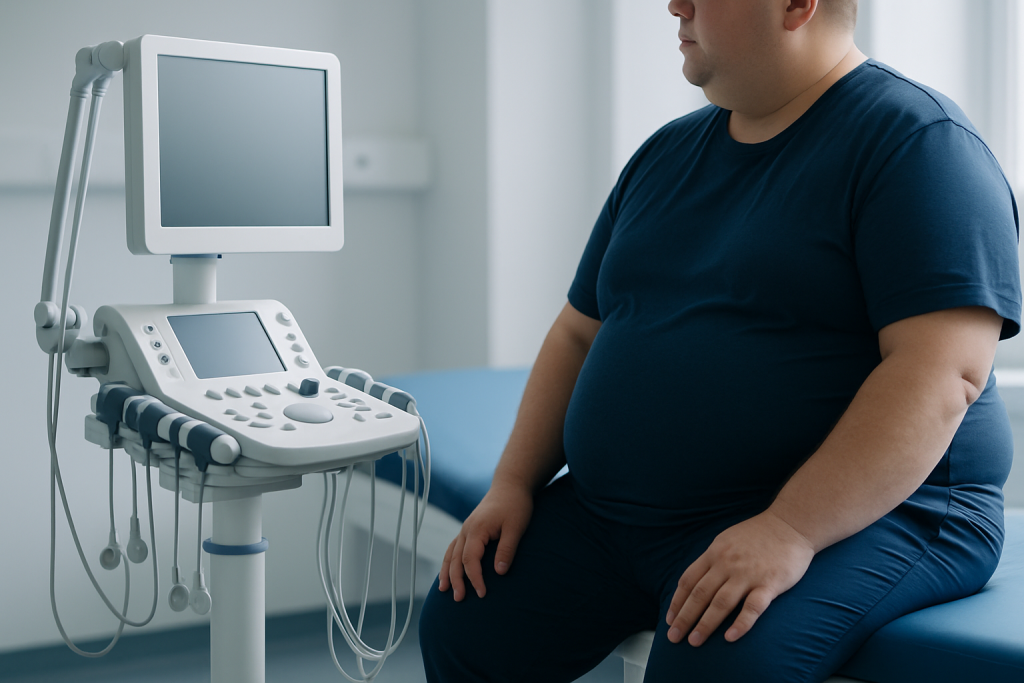
Morbid obesity does not always cause obvious symptoms by itself, but it can affect many parts of the body over time. Some people notice shortness of breath with activity, fatigue, snoring, poor sleep, back or knee pain, swelling in the legs, excessive sweating, or reduced mobility. Others mainly notice that everyday tasks become harder, such as climbing stairs, walking longer distances, or getting restful sleep.
The most important concern is its connection with other medical conditions. Severe obesity can increase the risk of type 2 diabetes, high blood pressure, abnormal cholesterol, heart disease, stroke, fatty liver disease, gallbladder disease, gastroesophageal reflux, infertility, and some cancers. It is also strongly linked to sleep apnea, which can lead to daytime sleepiness, headaches, and strain on the heart and blood vessels.
Obesity can also affect emotional well-being. Many people experience stigma, low mood, anxiety, social withdrawal, or frustration after repeated attempts to lose weight. These experiences are real and medically relevant, because mental health can influence eating patterns, sleep, physical activity, and long-term treatment success.
- Breathlessness during daily activities
- Loud snoring or witnessed pauses in breathing during sleep
- Joint pain, especially in the knees, hips, or back
- Fatigue and daytime sleepiness
- Reduced mobility and exercise tolerance
- Signs of related illnesses, such as high blood sugar or elevated blood pressure
Causes and risk factors: why it develops

Morbid obesity develops through a combination of factors rather than one single cause. Genetics can affect hunger, fullness, fat storage, and how the body uses energy. Family patterns often reflect both inherited biology and shared habits. Hormonal conditions, including hypothyroidism or Cushing syndrome, are less common causes but may contribute in selected patients.
Modern environments can also make weight gain more likely. Easy access to energy-dense foods, large portion sizes, sedentary work, less sleep, chronic stress, and limited opportunities for safe physical activity all play a role. Some medicines, such as certain antidepressants, antipsychotics, steroids, and diabetes treatments, may contribute to weight gain in some people.
Behavioral and psychological factors matter too, but they should be understood carefully and without blame. Emotional eating, binge-eating patterns, trauma history, depression, and chronic sleep disruption can all influence appetite and body weight. In addition, the body often adapts to weight loss by increasing hunger and lowering energy expenditure, which helps explain why long-term weight management can be difficult without structured support.
How doctors diagnose and assess morbid obesity
Diagnosis starts with a clinical assessment rather than a number alone. A doctor usually measures height, weight, and BMI, and may also check waist circumference because excess abdominal fat is particularly associated with metabolic risk. The medical history focuses on eating patterns, physical activity, sleep quality, medications, previous weight-loss attempts, emotional health, and family history.
The next step is to look for complications and possible contributing conditions. Blood tests may include glucose or HbA1c, cholesterol levels, liver function, kidney function, and thyroid tests when appropriate. Blood pressure is checked, and some patients need evaluation for sleep apnea, heart disease, liver disease, fertility concerns, or joint damage depending on symptoms and risk factors.
A careful assessment helps guide treatment choices. For example, someone with severe reflux, uncontrolled diabetes, limited mobility, or significant sleep apnea may need a different care plan from someone whose main goals are prevention and improved daily function. In some centers, a multidisciplinary team may include an internist, endocrinologist, dietitian, psychologist, sleep specialist, and surgeon.
Treatment options backed by evidence
Treatment for morbid obesity is individualized and usually works best when it addresses health, function, and sustainability rather than only a target number on the scale. A structured plan may include nutrition counseling, increased physical activity suited to current ability, behavioral therapy, treatment of sleep and mental health concerns, and regular follow-up. Even modest weight loss can improve blood pressure, blood sugar, sleep quality, and joint strain.
Anti-obesity medications may be appropriate for some adults, especially when lifestyle measures alone have not been enough or when obesity-related illnesses are present. These medicines are prescribed after a medical review of benefits, risks, other conditions, and possible side effects. They are generally intended to support long-term management, not quick fixes.
For some people with severe obesity, bariatric surgery can be the most effective evidence-based treatment. Procedures such as gastric sleeve surgery or gastric bypass can lead to substantial, durable weight loss and improvement in conditions such as diabetes and sleep apnea. Surgery is not a cosmetic shortcut; it is a major medical treatment that requires careful screening, nutritional follow-up, and long-term lifestyle support.
Patients may benefit most when care is coordinated across specialties. Near the end of the care pathway, some international patients choose centers such as Acibadem International, where multidisciplinary specialists in JCI-accredited hospitals evaluate and treat severe obesity and its related conditions with individualized planning.
Prevention and self-care: realistic daily strategies
Preventing or managing morbid obesity usually depends on consistent habits rather than extreme measures. Helpful approaches include choosing mostly minimally processed foods, building meals around vegetables, fruit, legumes, lean proteins, and whole grains, and reducing routine intake of sugary drinks and frequent high-calorie snacks. Regular meal timing may help some people control hunger and avoid late-night overeating.
Physical activity should be realistic, safe, and gradual. Walking, swimming, cycling, chair-based exercise, or supervised strengthening can improve stamina, insulin sensitivity, and mood even before major weight loss occurs. People with joint pain or severe deconditioning often do better when goals focus first on function, such as a few more minutes of movement each day.
Sleep and stress management are often overlooked but important. Poor sleep can increase hunger hormones and reduce energy. Screening for sleep apnea, building a steady sleep schedule, and addressing stress, anxiety, or depression can support weight management. Self-care is not about perfection; it is about creating an environment that makes healthier choices easier over time.
- Keep realistic, measurable goals
- Track habits rather than only weight
- Ask for support from a doctor or dietitian
- Address sleep problems and emotional eating early
- Avoid unproven supplements and crash diets
When to seek medical care
Medical care is important whenever a person has severe obesity, especially if weight is affecting breathing, sleep, blood sugar, blood pressure, mobility, or emotional well-being. A clinician can check for silent complications, rule out contributing medical conditions, and help create a treatment plan that is safe and realistic. Early assessment is useful even if a person is not ready for surgery or prescription medicine.
Prompt medical attention is especially important for chest pain, severe shortness of breath, fainting, new leg swelling, signs of very high blood sugar, or breathing pauses during sleep noticed by others. These symptoms may point to serious obesity-related conditions that need timely care. People with depression, binge-eating symptoms, or significant distress about weight should also seek support, because emotional health is a key part of treatment.
If repeated attempts at diet and exercise have not worked, that does not mean treatment has failed. It may simply mean that the condition needs a more comprehensive medical approach. A qualified doctor can discuss options ranging from structured lifestyle therapy to medicines and metabolic surgery when appropriate.
Frequently asked questions
Is morbid obesity the same as obesity?
Morbid obesity usually refers to a more severe degree of obesity with a higher risk of serious medical complications. It is often defined by BMI thresholds and the presence of obesity-related diseases, but doctors also consider overall health and body fat distribution.
Can someone be healthy and still have morbid obesity?
Some people with severe obesity may not yet have obvious complications, but the long-term risk of conditions such as diabetes, heart disease, and sleep apnea is still higher. A medical evaluation can help identify early problems before they cause symptoms.
Is morbid obesity caused only by overeating?
No. Morbid obesity is a complex chronic disease influenced by genetics, hormones, medications, sleep, stress, mental health, environment, and eating patterns. Food intake matters, but it is only one part of a much broader picture.
When is bariatric surgery considered?
Bariatric surgery may be considered for adults with severe obesity, especially when related conditions such as diabetes or sleep apnea are present and non-surgical methods have not been enough. The decision is made after a detailed medical assessment and discussion of benefits, risks, and long-term follow-up.
Can morbid obesity be treated without surgery?
Yes. Many people are treated with structured lifestyle changes, behavioral support, medical management of related conditions, and anti-obesity medications when appropriate. Surgery is one option, not the only option, although it can be very effective for selected patients.
What kind of doctor should a person see for morbid obesity?
A primary care doctor can be the starting point, especially for screening and referral. Depending on the situation, care may also involve an endocrinologist, dietitian, psychologist, sleep specialist, cardiologist, or bariatric surgeon.
References
- World Health Organization
- Centers for Disease Control and Prevention
- National Institute of Diabetes and Digestive and Kidney Diseases
- American Society for Metabolic and Bariatric Surgery
- Endocrine Society
This article is for general information only and is not a substitute for professional medical advice. Please consult a qualified doctor about your individual situation.
Obesity in Turkey — costs, top hospitals & a free quote
JCI-accredited · board-certified surgeons · reply within 24h
Add us as a Preferred Source to see more of our trusted health content across Google Search, AI Overviews and Discover.
Check your numbers in seconds
BMI, calories, due date, blood pressure and 30+ more clinical calculators — free, instant, doctor-reviewed ranges.