Movement Disorders in Children: Early Signs Parents Should Not Ignore

Movement disorders in children can include tics, tremors, dystonia, chorea, stiffness, balance problems, or delayed motor skills. Some unusual movements are harmless, but persistent, worsening, or disruptive symptoms should be checked by a doctor.
Key Takeaways
- Movement disorders in children can include tics, tremors, dystonia, chorea, stiffness, balance problems, or delayed motor skills.
- Some unusual movements are harmless, but persistent, worsening, or disruptive symptoms should be checked by a doctor.
- Diagnosis often involves a detailed history, physical and neurological examination, and sometimes imaging or laboratory tests.
- Treatment depends on the cause and may include observation, medicines, physical therapy, occupational therapy, or specialist care.
- Parents should seek medical advice promptly if movements are sudden, one-sided, painful, associated with weakness, or affect breathing, feeding, or development.
Movement disorders in children are conditions that affect how a child moves, coordinates, or controls muscles. Early evaluation can help identify whether unusual movements are temporary, benign, or a sign of a neurological condition that needs treatment.
Overview
Movement disorders in children are a group of conditions that affect the speed, quality, coordination, or control of body movements. A child may have movements that are too slow, too stiff, shaky, jerky, twisted, repetitive, or difficult to control. These disorders can involve the hands, legs, face, eyes, trunk, or the whole body, and they may appear only at certain times or be present most of the day.
Not every unusual movement means a serious illness. Children commonly have habits, fidgeting, temporary tics, or immature coordination as their nervous system develops. However, some movement patterns can signal a neurological problem, a genetic condition, an effect of medication, or an issue related to brain development or injury.
Parents are often the first to notice subtle changes, such as frequent blinking, unusual postures, hand tremors, toe walking, clumsiness, or movements that seem repetitive and involuntary. Paying attention to when the movements happen, how long they last, and whether they interfere with daily life can help doctors determine whether the child needs further evaluation.
Symptoms and Early Signs Parents Should Not Ignore
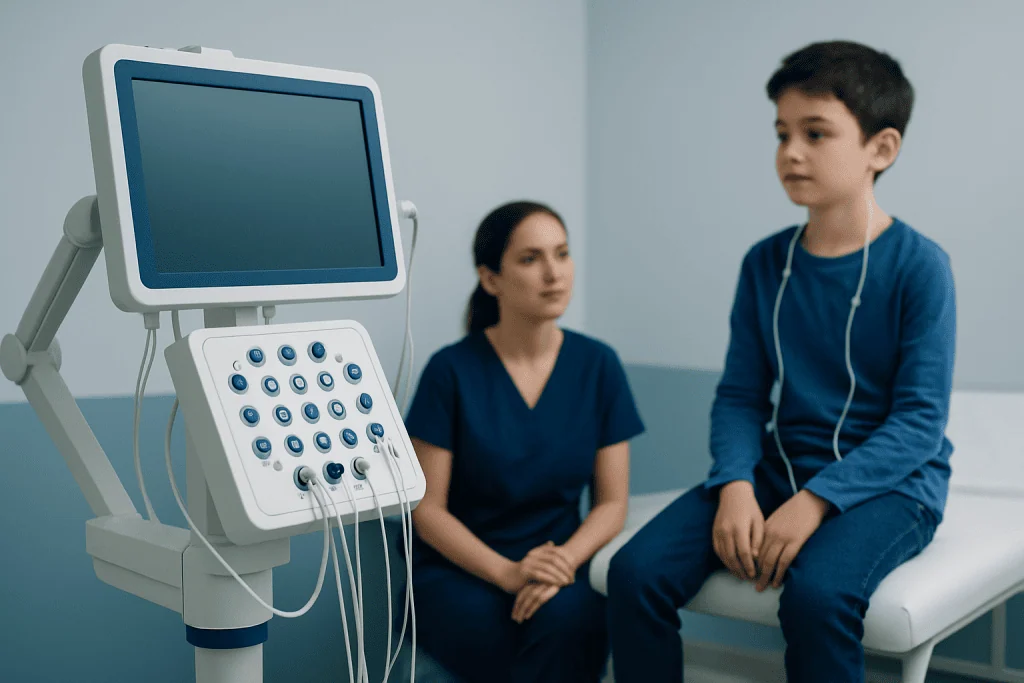
The symptoms of movement disorders vary widely depending on the type of disorder and the child’s age. Some children have extra movements, such as tics or jerks, while others have reduced movement, stiffness, or trouble starting a movement. In infants and toddlers, signs may be subtle and may first appear as delayed milestones or unusual muscle tone.
Parents should consider medical assessment if they notice movements that are persistent, repetitive, worsening, or interfering with play, school, sleep, feeding, or walking. A concerning sign is when a child cannot control the movement even when asked to stop, or when the movement occurs together with weakness, loss of skills, pain, or changes in speech or behavior.
- Tremors or shaking of the hands, head, or other body parts
- Tics such as repeated blinking, facial grimacing, throat clearing, or shoulder shrugging
- Twisting postures or sustained muscle contractions
- Jerky, dance-like, or writhing movements
- Stiffness, slowness, or reduced arm swing
- Poor balance, frequent falls, or unusual gait
- Toe walking, dragging one foot, or favoring one side
- Delayed sitting, crawling, or walking
- Regression, meaning loss of previously learned motor skills
Urgent attention is especially important if abnormal movements begin suddenly, follow a head injury, happen with fever or confusion, or are accompanied by seizures. These situations may point to an acute medical problem rather than a long-term movement disorder.
Types, Causes, and Risk Factors
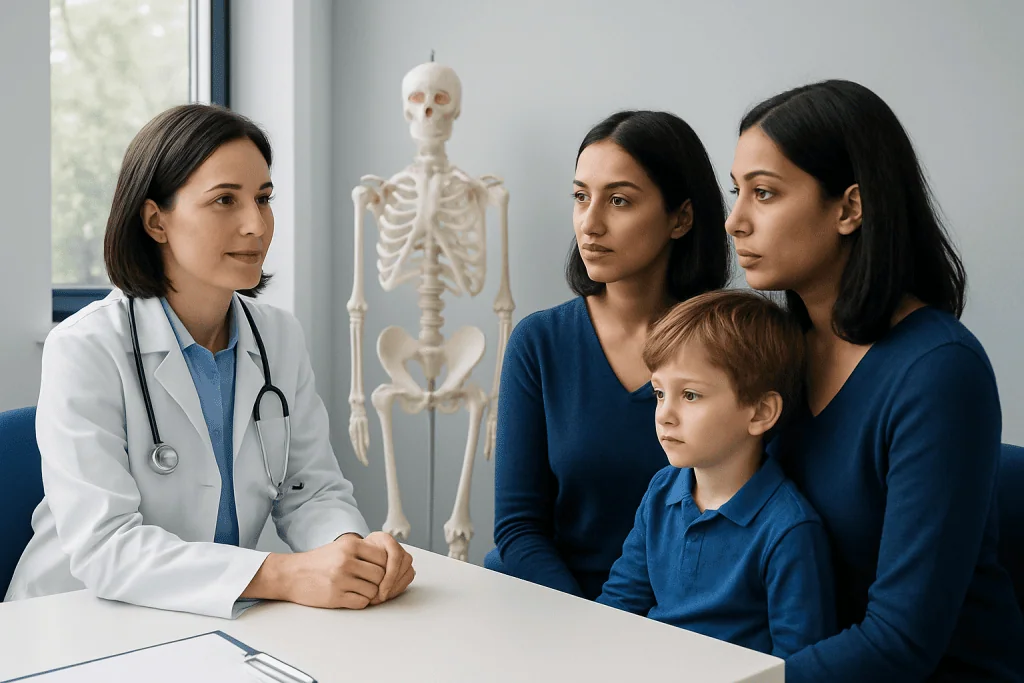
There are several types of pediatric movement disorders. Tics are brief, repetitive movements or sounds that may come and go. Tremors cause rhythmic shaking. Dystonia involves twisting movements or abnormal postures. Chorea causes irregular, flowing movements, while myoclonus refers to sudden muscle jerks. Some children also have balance and coordination problems, which may reflect cerebellar involvement or broader neurological conditions.
The causes can range from mild and temporary to more complex. Some movement disorders are linked to genetics, developmental conditions, or injury to the brain before, during, or after birth. Others may be triggered by infections, autoimmune reactions, metabolic disorders, medications, or exposure to certain toxins. In some children, the exact cause is not immediately clear and becomes apparent only after careful follow-up and testing.
Children with conditions such as cerebral palsy may develop abnormal muscle tone and movement patterns. Movement symptoms can also appear alongside neurodevelopmental conditions, migraine, sleep disorders, or anxiety. In rare cases, they may be related to structural brain problems or inherited neurological diseases.
Risk factors depend on the specific disorder but may include a family history of tremor, tics, dystonia, or other neurological disease; premature birth; lack of oxygen around birth; prior brain infection or head trauma; and use of certain medicines. A child with worsening coordination, stiffness, or involuntary movements should be assessed by a clinician with experience in pediatric neurology.
How Doctors Diagnose Movement Disorders in Children
Diagnosis begins with a detailed medical history and observation of the movements. Doctors often ask when the movements started, how often they happen, whether they are triggered by stress or fatigue, and whether the child can briefly suppress them. Videos recorded by parents at home can be very helpful, because some movements may not appear during the clinic visit.
A physical and neurological examination helps identify the type of movement and whether there are other signs such as muscle weakness, abnormal reflexes, poor coordination, developmental delay, or changes in sensation. The doctor may also ask about pregnancy and birth history, family history, medications, school performance, and sleep patterns.
Some children need further tests. These may include blood or urine tests to look for metabolic, infectious, or inflammatory causes; genetic testing when an inherited condition is suspected; or brain imaging such as MRI to assess brain structure. Additional studies may be recommended if seizures, muscle disease, or sleep-related problems are possible.
The goal of diagnosis is not only to name the movement but also to find the cause and understand how much it affects the child’s daily function. Because symptoms can evolve over time, follow-up visits are sometimes an important part of reaching an accurate diagnosis.
Treatment Options and Supportive Care
Treatment depends on the exact disorder, its cause, and how much it affects everyday life. In some children, especially those with mild transient tics or benign tremor, careful observation and reassurance may be all that is needed. In others, treatment focuses on improving comfort, function, learning, and participation at home and school.
Medicines may help reduce certain involuntary movements, muscle stiffness, or tremor when symptoms are troublesome. If a medication is causing the movement problem, the doctor may adjust or replace it. When an underlying illness is found, treatment is directed at that cause, such as managing inflammation, correcting a metabolic problem, or addressing a structural neurological condition.
Rehabilitation is often a key part of care. Depending on the child’s needs, doctors may recommend physical therapy and rehabilitation to improve strength, balance, and mobility, as well as occupational therapy to support hand function and daily skills. Speech and feeding support may also be useful when facial or swallowing muscles are involved.
For selected children, specialist procedures may be considered. Some movement problems associated with muscle overactivity or spasticity may overlap with conditions treated in pediatric neurology and rehabilitation, including care pathways used for spasticity. A multidisciplinary approach can help match treatment to the child’s symptoms, development, and family goals.
What Parents Can Do at Home
Parents play an important role in noticing patterns and supporting the child without increasing stress. It can help to keep a simple record of when movements happen, how long they last, what the child was doing beforehand, and whether sleep, fatigue, illness, or anxiety seem to make them better or worse. This information can make appointments more productive.
Children generally do best when they feel supported rather than criticized. Drawing too much attention to a tic or involuntary movement may make it more noticeable or distressing. A calm approach, regular routines, good sleep, healthy physical activity, and open communication with teachers can all help reduce triggers and support the child’s confidence.
Safety matters if balance, gait, or sudden jerking movements are present. Families may need practical adjustments such as removing tripping hazards, supervising activities around water or stairs, or asking the school about seating and writing support. If the child is struggling socially or emotionally because of visible movements, psychological support may also be helpful.
Near the end of the care journey, some families seek coordinated international evaluation for complex cases. Acibadem International’s multidisciplinary specialists in JCI-accredited hospitals diagnose and treat pediatric neurological and movement-related conditions for international patients when specialist input is needed.
When to See a Doctor
Parents should arrange a medical review if unusual movements persist for more than a short period, become more frequent, or interfere with normal activities. A child should also be evaluated if there is developmental delay, loss of skills, poor school performance, weakness, abnormal posture, or trouble with walking, speaking, or swallowing.
Urgent medical care is needed when abnormal movements start suddenly and severely, occur with fever, confusion, fainting, breathing problems, head injury, or a possible seizure. New one-sided weakness, facial drooping, severe headache, or inability to walk are also warning signs that should not wait.
Early assessment can reassure families when movements are benign and can also speed up treatment when a true disorder is present. Parents do not need to identify the exact type of movement themselves; the most helpful step is to document what they see and seek advice from a qualified pediatrician or pediatric neurologist.
Frequently asked questions
Are all unusual movements in children a sign of a neurological disorder?
No. Many children have temporary habits, fidgeting, or mild tics that are not linked to a serious condition. A doctor should assess movements that are persistent, worsening, painful, or affecting development or daily activities.
What is the difference between a tic and a seizure?
Tics are usually brief, repetitive movements or sounds that may increase with stress and can sometimes be suppressed for a short time. Seizures are caused by abnormal electrical activity in the brain and may involve altered awareness, staring, stiffening, jerking, or confusion afterward.
Can stress make movement disorders worse in children?
Yes. Stress, fatigue, poor sleep, and excitement can make some movements, especially tics and tremors, more noticeable. This does not mean stress is the only cause, but reducing triggers can be an important part of management.
When should a child with tremors be evaluated?
A child should be evaluated if tremors are persistent, affect writing, eating, or play, or appear together with weakness, balance problems, or developmental concerns. Sudden onset tremor or tremor after illness, medication changes, or injury also needs medical review.
Do movement disorders in children go away on their own?
Some do, especially mild transient tics or development-related coordination issues. Others require longer-term monitoring or treatment, particularly if they are caused by an underlying neurological, genetic, or metabolic condition.
What doctor treats movement disorders in children?
The first assessment often starts with a pediatrician. Depending on the findings, the child may be referred to a pediatric neurologist and sometimes to rehabilitation specialists, therapists, geneticists, or other experts for a more complete evaluation.
References
- World Health Organization
- American Academy of Pediatrics
- National Institute of Neurological Disorders and Stroke
- Centers for Disease Control and Prevention
- MedlinePlus
This article is for general information only and is not a substitute for professional medical advice. Please consult a qualified doctor about your individual situation.
Movement Disorders in Turkey — costs, top hospitals & a free quote
JCI-accredited · board-certified surgeons · reply within 24h
Add us as a Preferred Source to see more of our trusted health content across Google Search, AI Overviews and Discover.

Pediatrics
Complete healthcare for infants, children and adolescents across all sub-specialties.
232 specialists in this unitMore from the Health Library


Related Specialists

Prof. Dr. Feyzullah Çetinkaya
Pediatric Allergy
Dr. Nurcan Öztürk Yumuk
Anesthesiology
Fzt. Mustafa Özcan
Physical Medicine & Rehabilitation
Dr. Mehmet Fatih Özkan
Emergency Service