Moxibustion: An Evidence-Based Guide for Patients

Moxibustion applies heat, usually from dried mugwort, near or on acupuncture points. Research suggests possible benefit for some symptoms, but overall evidence quality is mixed.
Key Takeaways
- Moxibustion applies heat, usually from dried mugwort, near or on acupuncture points.
- Research suggests possible benefit for some symptoms, but overall evidence quality is mixed.
- It should not replace diagnosis or treatment for ongoing pain, fever, bleeding, breathing problems, or other concerning symptoms.
- Potential risks include burns, skin irritation, smoke sensitivity, and delayed medical care if serious illness is overlooked.
- People who are pregnant, have lung disease, neuropathy, poor circulation, or reduced heat sensation should get medical advice first.
Moxibustion is a traditional therapy that uses heat from burning mugwort near specific points on the body. Some people use it for pain, digestion, or well-being, but evidence is mixed, so it is best viewed as a complementary approach discussed with a qualified clinician.
Overview
Moxibustion is a traditional East Asian therapy that uses heat generated by burning processed mugwort, also called Artemisia vulgaris, close to the skin or on the end of an acupuncture needle. Patients often ask a simple question: does moxibustion work? The most evidence-based answer is that it may help some people with certain symptoms, especially some pain-related complaints, but results are inconsistent and it should be used as a complementary therapy rather than a substitute for standard medical care.
In practice, moxibustion is usually delivered by a trained practitioner. The heat may be applied indirectly, with a moxa stick held near the skin, or more rarely directly, with material placed on the skin in a controlled way. Some sessions combine moxibustion with acupuncture or manual therapies. The goals are generally comfort, relaxation, and symptom relief rather than curing a diagnosed disease on its own.
Because moxibustion involves heat and sometimes smoke, patients should know both the potential benefits and the limitations. Evidence from clinical studies varies in quality, and not every condition that is promoted online has strong scientific support. A careful approach includes confirming the diagnosis, discussing safety, and making sure urgent symptoms are not attributed to a traditional therapy alone.
How moxibustion is performed and what patients may feel
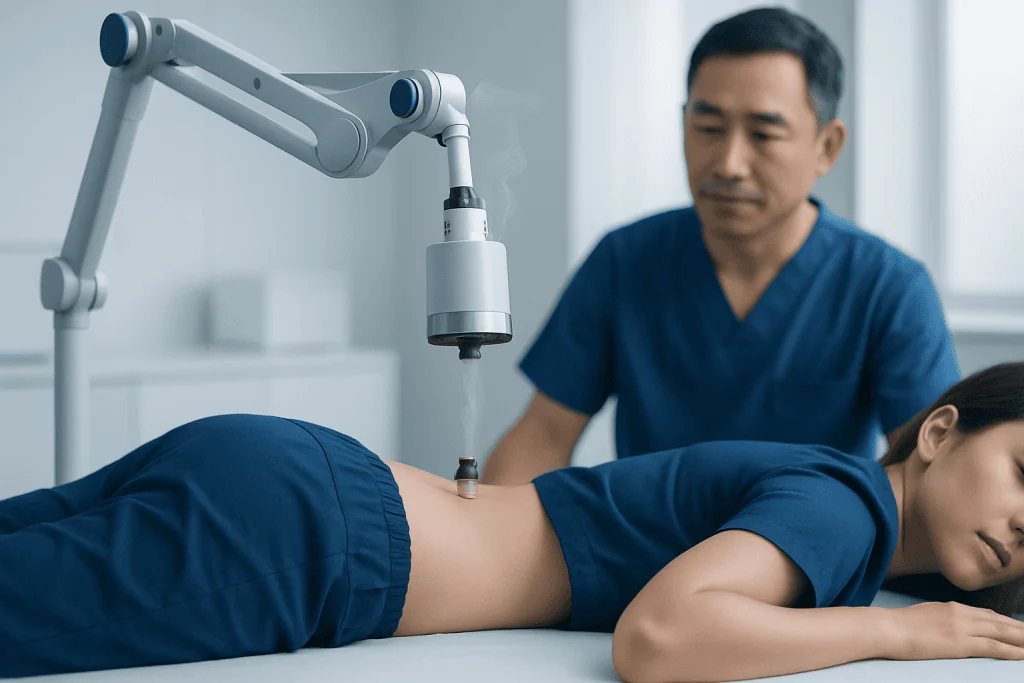
During a session, the practitioner usually identifies treatment points based on the person’s symptoms and medical history. A lit moxa stick may be moved close to the skin until the area feels warm but not painfully hot. Some people describe a deep, soothing heat and temporary relaxation. The session length varies, but comfort and skin safety should be checked throughout.
There are several common methods. Indirect moxibustion is the most widely used and generally the safest because the burning material does not touch the skin directly. Needle moxibustion places moxa on an acupuncture needle so heat can travel toward the point. Direct methods are less common because they carry a higher burn risk. Smokeless products also exist, but they still generate heat and should be used carefully.
After treatment, mild redness or warmth can occur for a short time. Patients should not expect immediate or dramatic results in every case. If symptom relief happens, it is often gradual and may need repeated sessions. A reputable practitioner should explain what the treatment aims to do, possible side effects, and when medical reassessment is needed.
- Common sensations: warmth, mild tingling, relaxation
- Less common effects: temporary skin redness, odor on clothing or hair, mild irritation from smoke
- Warning signs: significant pain, blistering, dizziness, breathing discomfort, or worsening symptoms
What the evidence says about moxibustion

From an evidence-based perspective, moxibustion is best understood as a complementary therapy with mixed but ongoing research. Some studies suggest it may help reduce certain kinds of pain, support symptom control in musculoskeletal problems, or improve general comfort when added to standard care. However, study quality is uneven, and results are sometimes difficult to interpret because methods, treatment schedules, and comparison groups differ.
Evidence is stronger for symptom management than for curing disease. For example, people with chronic pain conditions may seek integrative care that includes physical therapy, exercise, and sometimes acupuncture-related techniques. In those settings, moxibustion may be discussed alongside options used for back pain or neck pain, but it should be part of a broader plan that starts with a clear diagnosis.
Claims that moxibustion can treat a wide range of unrelated diseases should be viewed cautiously. Reliable care depends on matching treatment to the actual problem. If pain, digestive symptoms, fatigue, menstrual problems, or numbness persist, the first priority is to identify the cause. Complementary therapies can then be considered in a way that supports, rather than delays, appropriate medical treatment.
Possible uses, benefits, and limitations
People use moxibustion for a wide variety of reasons, including muscle and joint pain, menstrual discomfort, digestive complaints, stress, and a desire for overall balance or wellness. Some patients report short-term relief, warmth, and improved sense of well-being. Heat itself can relax muscles and may temporarily ease discomfort, which may partly explain why some people find it helpful.
At the same time, symptom relief does not always mean the underlying cause has been treated. Ongoing abdominal pain, unexplained weight loss, weakness, fever, joint swelling, chest symptoms, or neurologic changes need conventional medical assessment. For painful movement problems, clinicians may also discuss structured rehabilitation, exercise therapy, or specialist evaluation, and in selected cases treatments such as physical therapy and rehabilitation can be more directly evidence-based.
Moxibustion is therefore best framed as one option within supportive care. It may be reasonable for some adults seeking complementary symptom management when used by a qualified practitioner, with sensible expectations and clear follow-up. It is less appropriate when a person is relying on it alone for severe symptoms, active infection, uncontrolled chronic disease, or a new problem that has not yet been diagnosed.
Risks, side effects, and who should be cautious
The main physical risks of moxibustion are burns, blistering, and skin irritation. These are more likely if heat is applied too close to the skin, left in one place too long, or used on areas with reduced sensation. Smoke exposure can also trigger discomfort in people with asthma, chronic lung disease, allergies, or smoke sensitivity. Even smokeless products can still cause overheating or skin injury.
Some people should be particularly cautious. That includes individuals with diabetes-related nerve damage, poor circulation, fragile skin, neuropathy, or conditions that reduce the ability to feel heat. Patients taking blood thinners, those with active skin infections, and people with implanted medical devices should mention this before any procedure that uses heat or needles. During pregnancy, all complementary therapies should be discussed with a qualified obstetric clinician because not every traditional point or method is appropriate.
Another important risk is delayed diagnosis. If a person uses moxibustion to self-treat persistent symptoms without medical evaluation, a serious condition may be missed. For example, severe or recurring pain may stem from disc disease, inflammatory arthritis, or another disorder that needs targeted care, sometimes including pain management or specialist assessment. Safe use starts with knowing what problem is actually being treated.
How doctors evaluate symptoms before recommending complementary care
Before trying moxibustion for a health complaint, a medical evaluation can help determine whether there is a condition that needs standard treatment first. The doctor usually begins with a history and physical examination and may ask about how long symptoms have been present, what makes them better or worse, and whether there are any red flags such as weakness, fever, numbness, bleeding, or weight loss.
Depending on the complaint, testing may include blood work, imaging, or referral to a specialist. For example, ongoing back or neck symptoms may sometimes need imaging or neurological assessment, while digestive complaints may call for a gastroenterology review. If a musculoskeletal problem is suspected, clinicians may discuss exercise-based treatment, posture support, and, when appropriate, acupuncture or other complementary approaches as part of an overall plan.
This step matters because moxibustion is not a diagnosis. It is a technique. Patients benefit most when it is used thoughtfully, after common medical causes have been considered and urgent conditions have been ruled out. Open communication between the patient, physician, and complementary medicine practitioner improves both safety and treatment planning.
Self-care, choosing a practitioner, and when to seek medical care
Patients interested in moxibustion should choose a qualified practitioner who uses clean techniques, explains the method clearly, and checks comfort throughout treatment. It is reasonable to ask about training, expected benefits, possible side effects, and how the practitioner decides when to stop or refer someone to a doctor. Home use with burning products is generally less safe because controlling heat and preventing burns can be difficult.
Self-care for many symptoms should also include proven basics: appropriate exercise, sleep, hydration, stress management, and adherence to prescribed treatment. For pain conditions, posture support, stretching, and rehabilitation often matter as much as any single therapy. Complementary care works best when it supports these foundations rather than replacing them.
Medical care should be sought promptly for chest pain, shortness of breath, fainting, severe abdominal pain, high fever, new weakness, trouble walking, loss of bladder or bowel control, heavy bleeding, or a rapidly worsening condition. A doctor should also be consulted if symptoms last more than a few weeks, keep returning, or interfere with daily life. Near the end of the care pathway, some patients may value coordinated evaluation at centers such as Acibadem International, where multidisciplinary specialists in JCI-accredited hospitals assess symptoms and treatment options for international patients.
Frequently asked questions
What is moxibustion used for?
Moxibustion is commonly used as a complementary therapy for symptom relief, especially pain, muscle tension, and general well-being. Some people also seek it for digestive or menstrual symptoms. Its role is supportive rather than a replacement for medical diagnosis and treatment.
Is moxibustion the same as acupuncture?
No. Acupuncture uses very thin needles placed at specific points, while moxibustion uses heat from burning mugwort near those points. The two therapies are sometimes combined in the same session, but they are different techniques.
Does moxibustion hurt?
It should usually feel warm, not painful. If the heat becomes sharp, intense, or uncomfortable, the practitioner should stop or adjust the treatment immediately. Pain, blistering, or lingering skin damage is not an expected outcome.
Are there side effects of moxibustion?
Possible side effects include burns, skin irritation, and discomfort from smoke or odor. People with asthma, sensitive skin, poor circulation, or reduced sensation may have a higher risk of problems. It is wise to discuss medical conditions before treatment.
Can moxibustion be used during pregnancy?
Pregnancy requires extra caution with any complementary therapy. Some traditional uses are discussed in clinical settings, but they should only be considered with guidance from qualified obstetric and complementary medicine professionals. Pregnant patients should not self-treat with moxibustion without medical advice.
How many moxibustion sessions are usually needed?
The number of sessions depends on the symptom being treated, how long it has been present, and whether the person responds. Some people notice little change, while others report gradual benefit over several visits. A clear review plan is important so ineffective treatment is not continued indefinitely.
This article is for general information only and is not a substitute for professional medical advice. Please consult a qualified doctor about your individual situation.
Explore treatments in Turkey — costs, top hospitals & a free quote
JCI-accredited · board-certified surgeons · reply within 24h
Add us as a Preferred Source to see more of our trusted health content across Google Search, AI Overviews and Discover.

More from the Health Library

Cankles — Explained by Medical Evidence, Not Myths

Testosterone Pellets: What Patients Need to Know

Msm Benefits — Explained by Medical Evidence, Not Myths

Antiseptic Mouthwash — Explained by Medical Evidence, Not Myths

Pectineus: An Evidence-Based Guide for Patients