Pectineus: An Evidence-Based Guide for Patients

The pectineus is part of the groin and upper thigh muscles and helps with hip flexion and adduction. Pectineus pain often feels like tenderness or aching in the groin or front-inner hip, especially with walking, running, or lifting the leg.
Key Takeaways
- The pectineus is part of the groin and upper thigh muscles and helps with hip flexion and adduction.
- Pectineus pain often feels like tenderness or aching in the groin or front-inner hip, especially with walking, running, or lifting the leg.
- Muscle strain is a common cause, but hip joint, tendon, nerve, or hernia problems can cause similar symptoms.
- Most mild cases improve with activity modification, guided exercise, and time, but persistent or severe pain should be assessed by a clinician.
- Red flags include sudden severe pain, inability to bear weight, a visible bulge in the groin, fever, or numbness.
The pectineus is a small muscle in the upper inner thigh that helps flex and bring the hip inward. When people ask about pectineus pain, they are usually describing groin or front-of-hip discomfort caused by muscle strain, overuse, or irritation from a nearby hip condition.
Overview: what the pectineus is and why it can hurt
The pectineus is a short, flat muscle located high in the inner thigh, near the groin. It connects the front of the pelvis to the upper femur and helps bend the hip and move the leg inward. It also contributes to hip stability during everyday movements such as walking, climbing stairs, getting out of a chair, and changing direction.
Because of its location, pectineus pain is usually felt in the groin or the front-inner part of the hip. People may notice soreness after sport, exercise, sudden acceleration, side-stepping, or stretching the leg too far. In some cases, discomfort starts gradually from repeated loading rather than one clear injury.
The important point for patients is that the pectineus is only one possible source of groin pain. Other muscles, tendons, the hip joint, and even conditions such as hernia can cause similar symptoms. That is why ongoing or unclear pain should be assessed as part of the whole hip and groin region rather than treated as a single-muscle problem in isolation.
Where the pectineus is located and what it does
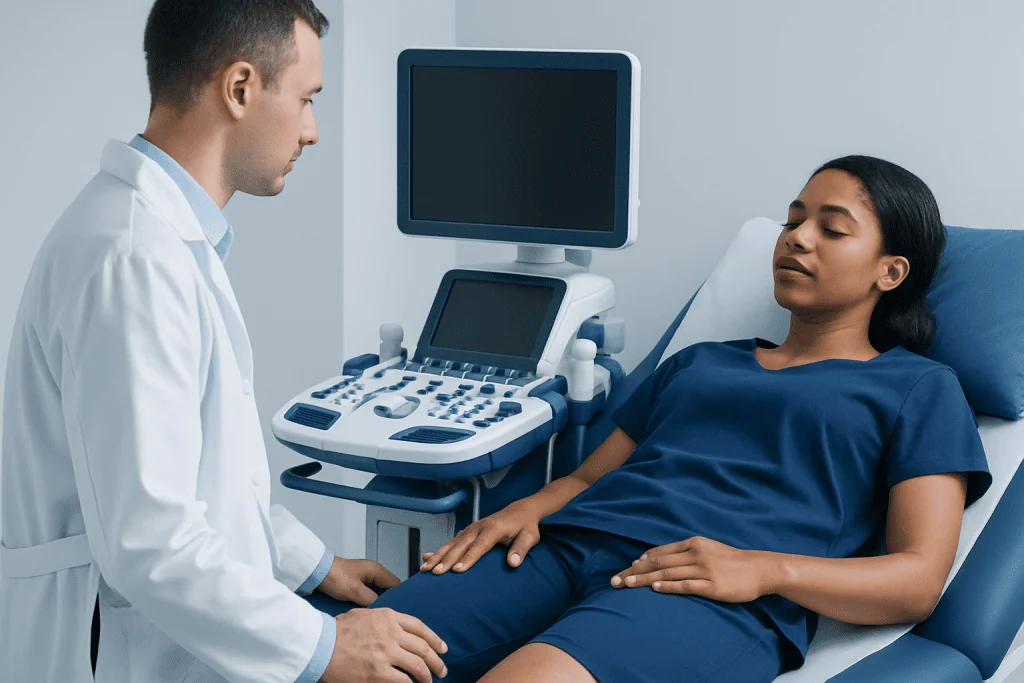
The pectineus sits at the top of the inner thigh, close to other groin muscles called the adductors. Anatomically, it lies between the front of the hip and the medial thigh. Although small, it plays a meaningful role in coordinating leg movement, especially when the hip is partially flexed.
Its main actions are hip flexion and adduction. In simple terms, it helps lift the thigh and draw the leg toward the body’s midline. It may also assist with subtle rotation and stabilization of the hip during motion. These combined tasks help explain why pectineus symptoms can appear in runners, football players, dancers, cyclists, and also in less active people after slips, awkward steps, or sudden increases in activity.
Because the pectineus works closely with nearby structures, pain is not always easy to pinpoint. A person may describe groin tightness, front-of-hip pulling, pain when bringing the knees together, or discomfort while swinging the leg forward. Clinicians often examine it alongside the broader adductor group and the hip joint itself.
Symptoms linked to pectineus problems

A pectineus strain or irritation often causes pain in the groin, upper inner thigh, or front-inner hip. The discomfort may be sharp at the time of injury or more commonly a dull ache that becomes noticeable during exercise, stairs, brisk walking, lunging, or getting into a car. Pressing on the area can produce tenderness.
Some people also feel stiffness, tightness, or weakness when lifting the knee or squeezing the legs together. If the muscle has been overloaded, symptoms may be worse after activity and ease somewhat with rest. More significant injuries can lead to limping, reduced range of motion, muscle spasm, and pain with stretching.
Not all groin pain is caused by the pectineus. Similar symptoms may come from the adductor tendons, hip flexors, hip labrum, stress injuries, or hip pain related to joint problems. A careful history and physical examination help narrow the cause.
- Groin or front-inner hip pain
- Tenderness high in the inner thigh
- Pain when walking, running, kicking, or climbing stairs
- Discomfort when lifting the knee or crossing the legs
- Tightness or reduced hip motion
- Occasional limping after activity
Common causes and risk factors
The most common pectineus problem is muscle strain. This can happen when the muscle is stretched too far or contracts forcefully, especially during sprinting, kicking, sudden acceleration, quick turns, or slipping. Overuse is another common cause, particularly when training volume, speed, or intensity increases faster than the body can adapt.
Risk factors include poor warm-up, muscle fatigue, reduced hip mobility, previous groin injury, weakness in the hip or core muscles, and returning to sport too quickly after time off. Occupations or routines that involve repeated climbing, lifting, or awkward stepping can also contribute. In some patients, the muscle becomes irritated because another nearby structure is not working well, placing extra load on the groin.
It is also important to consider conditions that mimic a pectineus strain. These include adductor tendon injury, hip impingement, bursitis, stress fracture, nerve irritation, and inguinal hernia. When symptoms do not fit a straightforward muscle injury, clinicians may investigate these possibilities.
How doctors diagnose pectineus-related pain
Diagnosis usually begins with a clinical assessment. A doctor or physiotherapist will ask when the pain started, what movements trigger it, whether there was a specific injury, and whether there are symptoms such as clicking, locking, swelling, numbness, fever, or a groin bulge. These details help distinguish a muscle strain from joint, tendon, or abdominal causes.
During the physical examination, the clinician may check gait, hip range of motion, strength, flexibility, and tenderness in the groin. Pain during resisted hip flexion or adduction can suggest involvement of the pectineus or neighboring adductor muscles. Because the groin contains many overlapping structures, examination usually looks at the full region rather than one muscle alone.
Imaging is not always needed for mild, improving pain. However, ultrasound or MRI may be useful if symptoms are severe, recurrent, or prolonged, or if the diagnosis is uncertain. X-rays may be used when a bone or joint problem is suspected. If a structural hip issue is possible, advanced assessment and orthopedic rehabilitation planning may be part of care.
Treatment options and recovery
Treatment depends on the cause and severity. For a mild pectineus strain, the first steps are usually relative rest, temporary reduction of painful activities, and a gradual return to movement. Ice may help short-term comfort after a recent injury. Many patients benefit from a structured rehabilitation program that restores hip mobility, muscle strength, balance, and sport-specific control.
Exercise therapy is often central to recovery. A clinician may guide gentle range-of-motion work first, followed by strengthening of the groin, hip flexors, gluteal muscles, and core. Progression is usually based on symptoms rather than a fixed timeline. This matters because returning too soon can prolong recovery or increase the risk of reinjury.
When pain appears to come from the hip joint or a more complex groin disorder, treatment may need to address the underlying condition. This can include physical therapy and rehabilitation, medication advice from a doctor, or further orthopedic evaluation. In selected cases where symptoms reflect broader hip impingement or another structural issue, specialist treatment may be recommended. Near the end of the care pathway, some international patients seek assessment at centers such as Acibadem International, where multidisciplinary specialists in JCI-accredited hospitals diagnose and treat hip and groin conditions.
- Short-term activity modification rather than strict bed rest
- Ice for recent injury if helpful for comfort
- Progressive stretching and strengthening under guidance
- Correction of training errors or movement patterns
- Evaluation for alternative diagnoses if symptoms persist
Prevention and self-care
Not every pectineus injury can be prevented, but several habits can reduce risk. A gradual training build-up is one of the most important. Sudden spikes in speed, distance, hill work, or kicking intensity can overload the groin. Warm-up routines that include dynamic movement and activation of the hips and trunk may help the body prepare for activity.
Strength and flexibility also matter. Balanced conditioning of the adductors, hip flexors, gluteal muscles, and core can improve how force is shared across the pelvis and hip. For athletes, technique, footwear, playing surface, and recovery days can all influence the load placed on the groin area.
For self-care, people should avoid repeatedly pushing through sharp groin pain. If symptoms begin, it is reasonable to reduce aggravating activities for a few days and monitor for improvement. If pain keeps returning or function is limited, professional assessment is more useful than repeated self-treatment. In some recovery plans, supervised sports physical therapy can help people return to exercise more safely.
When to seek medical care
Medical assessment is advisable if groin or front-hip pain lasts more than a few days, keeps coming back, or interferes with walking, work, or exercise. A clinician should also review symptoms when there is uncertainty about the cause, since many hip and groin problems can mimic a pectineus strain.
Prompt medical care is especially important after a major injury, inability to bear weight, a sudden pop followed by marked pain, extensive swelling or bruising, fever, numbness, weakness, or a noticeable lump in the groin. These features may point to something other than a simple muscle strain, such as hernia, fracture, or nerve involvement.
People with ongoing symptoms should avoid self-diagnosing based on location alone. Early evaluation can clarify whether the issue is muscular, tendon-related, or coming from the hip joint, and can guide a safer return to normal activity.
Frequently asked questions
What is the pectineus muscle?
The pectineus is a small muscle at the top of the inner thigh near the groin. It helps flex the hip and bring the leg inward, and it also contributes to hip stability during walking and other movements.
Where is pectineus pain usually felt?
Pectineus pain is usually felt in the groin, upper inner thigh, or front-inner part of the hip. Some people notice it most when climbing stairs, lifting the knee, changing direction, or after exercise.
Can a pectineus strain heal on its own?
Many mild pectineus strains improve with time, reduced aggravating activity, and gradual rehabilitation. However, persistent, severe, or recurrent pain should be assessed to confirm the diagnosis and rule out other causes of groin pain.
How is a pectineus injury different from general groin pain?
Pectineus injury is one specific possible source of groin pain, but the groin contains many muscles, tendons, nerves, and joint structures. Because symptoms overlap, a clinician often evaluates the whole hip and groin region rather than relying on pain location alone.
Do I need imaging for pectineus pain?
Not always. If symptoms are mild and improving, imaging may not be necessary. Ultrasound, MRI, or X-rays are more commonly used when symptoms are severe, prolonged, recurrent, or when another diagnosis is suspected.
When should someone worry about groin pain?
Groin pain needs prompt medical review if there is inability to bear weight, severe swelling, a visible bulge, fever, numbness, weakness, or pain after a significant injury. Ongoing pain that limits daily activities or sports also deserves professional assessment.
References
- American Academy of Orthopaedic Surgeons
- National Institute of Arthritis and Musculoskeletal and Skin Diseases
- American Physical Therapy Association
- National Health Service
- Mayo Clinic
This article is for general information only and is not a substitute for professional medical advice. Please consult a qualified doctor about your individual situation.
Explore treatments in Turkey — costs, top hospitals & a free quote
JCI-accredited · board-certified surgeons · reply within 24h
Add us as a Preferred Source to see more of our trusted health content across Google Search, AI Overviews and Discover.

More from the Health Library

Macula: An Evidence-Based Guide for Patients
Hemiparesis: An Evidence-Based Guide for Patients

Peripheral Blood Smear — Explained by Medical Evidence, Not Myths
Coronary Arteries — Explained by Medical Evidence, Not Myths

Triglycerides High: What Patients Need to Know