Mrsa Infection: Symptoms, Causes, and Treatment Options

MRSA infection is caused by antibiotic-resistant Staphylococcus aureus bacteria. Many MRSA infections begin as skin problems such as painful red bumps, boils, or abscesses.
Key Takeaways
- MRSA infection is caused by antibiotic-resistant Staphylococcus aureus bacteria.
- Many MRSA infections begin as skin problems such as painful red bumps, boils, or abscesses.
- Diagnosis usually involves examining the affected area and testing a sample from the wound or blood.
- Treatment may include drainage of an abscess, careful wound care, and antibiotics chosen based on test results.
- Good hand hygiene, proper wound covering, and not sharing personal items can help reduce spread.
- Medical care is important right away if there is fever, rapidly worsening redness, severe pain, or signs of deeper infection.
MRSA infection is a type of staph infection caused by bacteria that do not respond to several common antibiotics. It often starts in the skin, but in some people it can spread deeper into the body, so early evaluation and appropriate treatment are important.
Overview
MRSA infection is an infection caused by methicillin-resistant Staphylococcus aureus, a type of staph bacteria that has developed resistance to several commonly used antibiotics. In many cases, it affects the skin and soft tissues, causing boils, abscesses, or painful inflamed areas. Some infections remain limited and respond well to treatment, while others can become more serious if bacteria enter the bloodstream, lungs, bones, or other organs.
Doctors usually describe MRSA in two broad settings: community-associated MRSA, which occurs outside hospitals and may affect otherwise healthy people, and healthcare-associated MRSA, which develops in hospitals or care facilities, especially in people with recent surgery, medical devices, or weakened immune systems. This distinction can help guide treatment and prevention, although the symptoms may overlap.
Because MRSA is resistant to certain antibiotics, treatment is not the same as for every ordinary staph infection. The best approach depends on where the infection is located, how severe it is, and whether laboratory testing shows which antibiotics may still work. Early medical assessment helps reduce complications and supports a faster recovery.
Symptoms of MRSA Infection
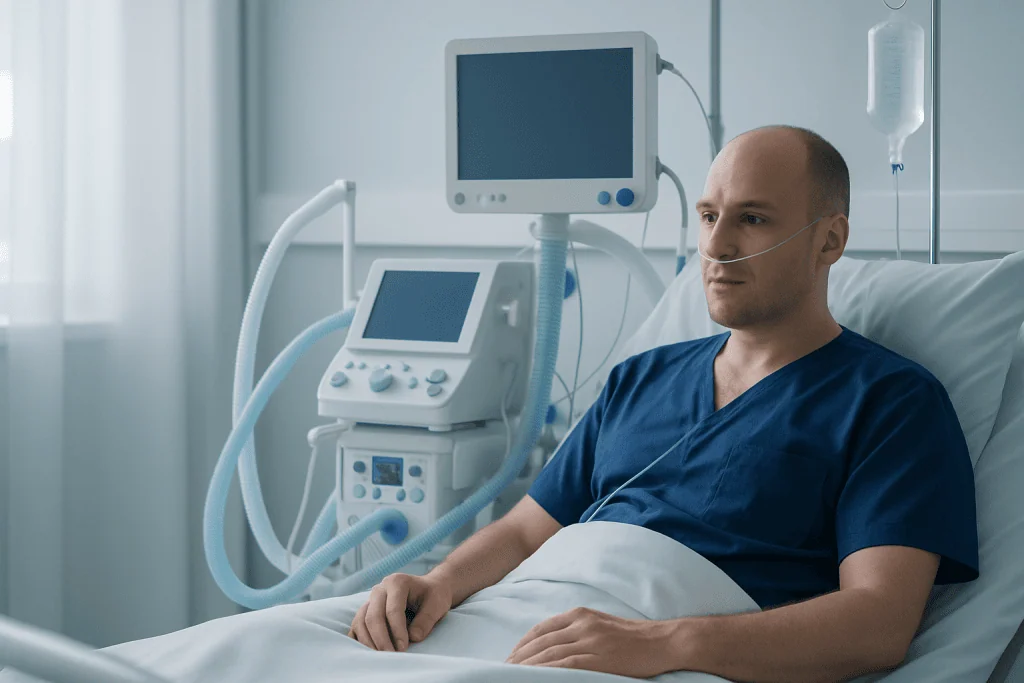
Skin symptoms are the most common presentation of MRSA infection. The affected area may start as a red, swollen, tender bump that resembles a pimple, spider bite, or ingrown hair. Over time, it can become warm, painful, and filled with pus. Some people develop boils or deeper abscesses that do not improve with basic skin care.
When MRSA spreads beyond the skin, symptoms depend on the body part involved. A deeper or more widespread infection may cause fever, chills, fatigue, increasing pain, or a general feeling of illness. If the lungs are affected, there may be cough, shortness of breath, or chest discomfort. If the bloodstream or bones are involved, symptoms can include persistent fever, severe weakness, or pain in a specific area.
Warning signs that suggest the infection is worsening include redness that spreads quickly, skin that becomes increasingly hot or hard, pus drainage, severe tenderness, or a wound that is not healing. People with diabetes, immune system problems, or recent surgery may have more subtle symptoms at first, so any concerning skin change deserves attention.
- Red, swollen, painful skin lesion
- Pus or drainage from a boil, cut, or wound
- Fever or chills
- Rapidly expanding redness
- Signs of illness after surgery or hospitalization
Causes and Risk Factors

MRSA infection develops when resistant staph bacteria enter the body through a break in the skin or spread in healthcare settings. Staph bacteria can live harmlessly on the skin or in the nose of some people, a state called colonization. Colonization does not always lead to illness, but infection can occur if the bacteria gain access to damaged skin, surgical wounds, catheters, or other vulnerable areas.
Community spread is more likely in places where there is close skin-to-skin contact or shared equipment. Examples include gyms, dormitories, military barracks, and team sports environments. Risk may also rise when personal items such as towels, razors, or clothing are shared, or when cuts and scrapes are not cleaned and covered properly.
Healthcare-associated MRSA is more common in people who are hospitalized, living in long-term care facilities, receiving dialysis, or recovering from surgery. Additional risk factors include recent antibiotic use, weakened immunity, chronic skin conditions, diabetes, and implanted medical devices. People being treated for complex infections, wounds, or bone infections may need careful evaluation because resistant bacteria can complicate recovery.
How MRSA Infection Is Diagnosed
Diagnosis begins with a medical history and physical examination. The doctor considers symptoms, recent injuries, prior antibiotic use, hospitalization, and whether the person has had similar infections before. Many skin abscesses can suggest MRSA, but appearance alone cannot confirm which bacteria are responsible.
To identify the cause, a doctor may take a sample of pus, wound drainage, tissue, blood, sputum, or another body fluid for laboratory culture. This helps show whether MRSA is present and which antibiotics the bacteria are sensitive or resistant to. These results are important because they allow treatment to be tailored rather than chosen by guesswork.
If a deeper infection is suspected, additional tests may be needed. Blood tests can look for signs of inflammation or infection. Imaging such as ultrasound, X-ray, CT, or MRI may help locate an abscess or evaluate spread into deeper tissues. In more complicated cases, clinicians may involve infectious disease specialists and use advanced diagnostic imaging to guide management.
Treatment Options
Treatment depends on the site and severity of the infection. For a small skin abscess, the most important step may be drainage by a qualified clinician. This should not be done at home, because squeezing or cutting the area can push bacteria deeper, worsen pain, and increase spread. Proper drainage, wound care, and follow-up are often essential to healing.
Antibiotics may or may not be needed for every skin abscess, but they are often recommended when the infection is extensive, painful, recurrent, associated with fever, or occurring in someone at higher risk of complications. If antibiotics are used, the choice is based on the type of infection and, when possible, culture results. For severe disease, treatment may begin in the hospital with intravenous medicines and close monitoring.
When MRSA affects deeper tissues, bones, joints, lungs, or the bloodstream, treatment becomes more complex. Hospital care may include drainage of collections, management of infected devices, and supportive care. Some patients need evaluation by surgeons or wound specialists, especially when there is spreading soft tissue damage or concern for cellulitis. In selected cases, wound care and, if an abscess or infected tissue must be addressed, general surgery may be part of the treatment plan.
It is important for patients to complete prescribed treatment exactly as directed and return for reassessment if symptoms are not improving. Stopping antibiotics early or using leftover medication can increase the chance of persistent infection and antibiotic resistance. Follow-up also helps ensure that drainage sites and wounds are healing properly.
Prevention and Self-Care
Preventing MRSA infection and limiting spread begins with practical hygiene steps. Hands should be washed regularly with soap and water or cleaned with alcohol-based hand sanitizer, especially after touching wounds, dressings, gym equipment, or shared surfaces. Cuts and scrapes should be cleaned promptly and kept covered until they heal.
People with active skin infections should avoid sharing personal items such as towels, razors, bedding, clothing, and sports gear. Surfaces that are touched often should be cleaned regularly. In sports or gym settings, it helps to shower after exercise, place a barrier between skin and shared benches, and avoid participating when draining wounds cannot be securely covered.
Self-care at home should focus on protecting the area and following medical advice. Dressings need to be changed as instructed, and hands should be cleaned before and after wound care. A person should not pick at scabs, squeeze boils, or try to drain an abscess themselves. In people with repeated infections, doctors may discuss decolonization strategies such as specific skin cleansers or nasal treatments, but these should only be used under professional guidance.
When to Seek Medical Care
Medical care is recommended if a painful red bump is getting larger, feels warm, drains pus, or is not improving within a short time. Professional assessment is especially important if there is fever, a recent surgery, diabetes, a weakened immune system, or a wound near the face, hands, genitals, or a joint.
Urgent care is needed if symptoms suggest a deeper or more serious infection. These signs include rapidly spreading redness, severe pain, high fever, confusion, trouble breathing, marked weakness, or symptoms that develop after a hospital stay or procedure. People with implanted devices, dialysis access, or extensive wounds should contact a clinician promptly if infection is suspected.
For international patients needing specialist evaluation, Acibadem International’s multidisciplinary teams in JCI-accredited hospitals diagnose and treat infections and related complications with coordinated care. Timely review helps confirm the diagnosis, guide antibiotic choice, and determine whether procedures or closer monitoring are necessary.
Frequently asked questions
Is MRSA infection always serious?
Not always. Many MRSA infections involve the skin and can be treated effectively, especially when they are recognized early. However, MRSA can become serious if it spreads into the blood, lungs, bones, or other deeper tissues.
Can MRSA infection go away without antibiotics?
Some small skin abscesses improve after proper drainage and wound care, but not every case is the same. Because MRSA can worsen or spread, a doctor should decide whether drainage alone is enough or antibiotics are needed.
How does someone catch MRSA?
MRSA can spread through direct skin contact, contact with infected wounds, or by sharing contaminated personal items and surfaces. It can also be acquired in hospitals or care facilities, especially when a person has surgery, devices, or frequent healthcare exposure.
What does MRSA look like on the skin?
It often appears as a red, swollen, painful bump that may look like a pimple, bite, or boil. The area may become warm, tender, and filled with pus, and the redness can spread if the infection worsens.
Can MRSA come back after treatment?
Yes, recurrence can happen, particularly if bacteria remain on the skin or in the nose, if wounds are not fully healed, or if there is repeated exposure in shared environments. Careful hygiene, follow-up, and any recommended decolonization steps may help reduce the risk.
Should a person with MRSA stay away from family members?
Usually, normal home contact can continue if good hygiene is followed and wounds are kept clean and covered. Household members should avoid touching drainage, sharing personal items, and handling dressings without washing their hands afterward.
References
- Centers for Disease Control and Prevention
- World Health Organization
- National Health Service
- MedlinePlus
- Infectious Diseases Society of America
This article is for general information only and is not a substitute for professional medical advice. Please consult a qualified doctor about your individual situation.
Explore treatments in Turkey — costs, top hospitals & a free quote
JCI-accredited · board-certified surgeons · reply within 24h
Add us as a Preferred Source to see more of our trusted health content across Google Search, AI Overviews and Discover.