Multiple Sclerosis Rehabilitation: Fatigue Management, Balance, and Exercise

Rehabilitation for multiple sclerosis is tailored to symptoms, goals, relapse history, fitness level, and daily activities. Fatigue management often combines energy conservation, pacing, sleep support, cooling strategies, and appropriate exercise.
Key Takeaways
- Rehabilitation for multiple sclerosis is tailored to symptoms, goals, relapse history, fitness level, and daily activities.
- Fatigue management often combines energy conservation, pacing, sleep support, cooling strategies, and appropriate exercise.
- Balance and gait training can reduce fall risk and improve confidence with walking and transfers.
- Exercise is generally beneficial in MS when it is planned safely, progressed gradually, and adjusted for heat sensitivity or symptom changes.
- A rehabilitation team may include physiatrists, neurologists, physiotherapists, occupational therapists, speech therapists, psychologists, and rehabilitation nurses.
- New or worsening neurological symptoms should be assessed by a qualified doctor, especially if they last more than 24 hours.
Multiple sclerosis rehabilitation helps people manage fatigue, improve balance, maintain mobility, and exercise safely at every stage of the condition. A personalized, multidisciplinary plan can support independence, confidence, and quality of life.
Overview
Multiple sclerosis (MS) is a chronic neurological condition that affects the brain, spinal cord, and optic nerves. Symptoms vary from person to person and may include fatigue, balance problems, muscle weakness, stiffness, numbness, vision changes, bladder concerns, pain, or changes in thinking and mood. Because MS can affect many areas of daily life, rehabilitation is an important part of long-term care.
Multiple sclerosis rehabilitation is not a single exercise program. It is a coordinated approach that helps a person maintain function, adapt to symptoms, prevent complications, and participate as fully as possible in family, work, and community life. Rehabilitation may be useful soon after diagnosis, after a relapse, during recovery from a change in mobility, or as part of ongoing wellness.
The goals of MS rehabilitation are practical and individualized. For one person, the focus may be walking endurance and fall prevention. For another, it may be fatigue management, returning to work, hand coordination, bladder strategies, speech and swallowing support, or confidence with exercise. A good rehabilitation plan is flexible, because MS symptoms can fluctuate with heat, infection, stress, sleep changes, or overexertion.
Common Rehabilitation Needs in MS
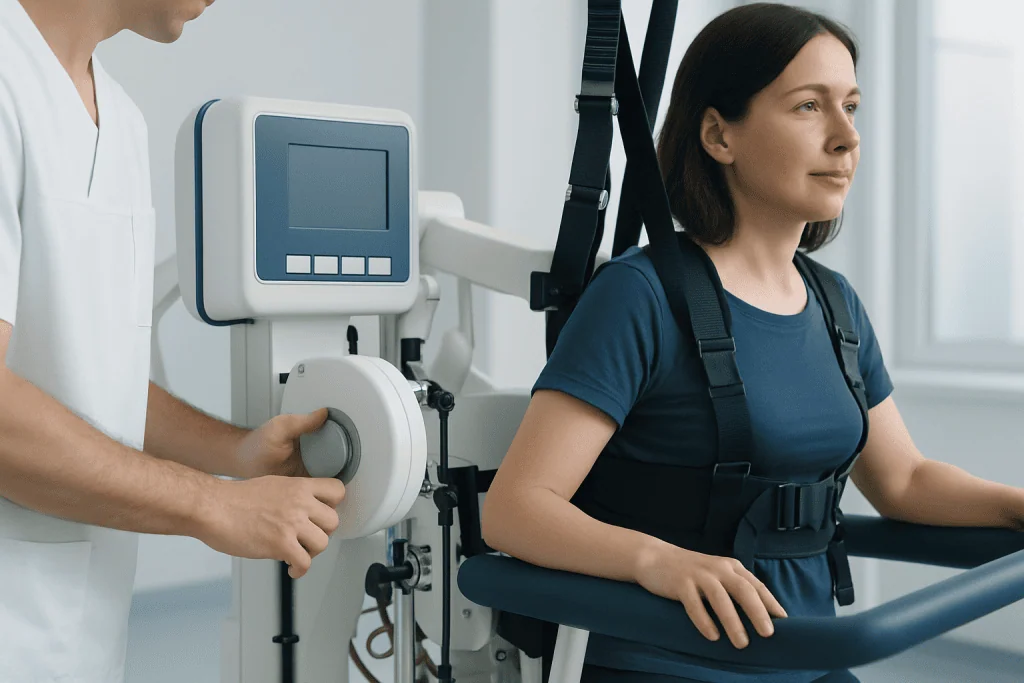
People with MS may benefit from rehabilitation when symptoms interfere with daily routines, safety, or independence. Fatigue is one of the most common and limiting symptoms. It may feel different from ordinary tiredness and can appear even after mild activity. Rehabilitation helps identify patterns, triggers, and strategies to conserve energy without becoming inactive.
Balance and walking difficulties are also common reasons for referral. MS can affect strength, sensation, coordination, vision, and the vestibular system, all of which contribute to balance. A physiotherapist can assess gait, posture, transfers, foot clearance, endurance, and fall risk, then design training that matches the person’s abilities and goals.
Other rehabilitation needs may include spasticity management, hand function, pain coping, posture, speech, swallowing, cognitive strategies, and support for mood or adjustment. Occupational therapists often help with home and workplace adaptations, energy-saving routines, assistive devices, and techniques for dressing, cooking, writing, computer use, and other daily tasks.
Fatigue Management Strategies

Fatigue in MS can have several contributors, including the disease process itself, poor sleep, pain, medications, depression, heat sensitivity, reduced fitness, infection, or other medical conditions such as anemia or thyroid disease. For this reason, fatigue management begins with assessment. A healthcare professional may review sleep quality, activity patterns, mood, bladder symptoms, medication timing, and recent changes in health.
Energy conservation is a central part of MS fatigue management. The aim is not to do less of everything, but to spend energy on the activities that matter most. Pacing, planning, prioritizing, and taking structured rest breaks can reduce the cycle of overactivity followed by exhaustion. Many people benefit from scheduling demanding tasks during the time of day when their energy is usually best.
Helpful approaches may include:
- Breaking large tasks into smaller steps and resting before fatigue becomes severe.
- Alternating physical and mental activities to avoid long periods of strain.
- Using seated positions for grooming, cooking, or household tasks when appropriate.
- Organizing frequently used items within easy reach to reduce unnecessary effort.
- Managing heat with cooling clothing, air conditioning, cool drinks, or exercise in cooler times of day.
- Discussing sleep problems, mood symptoms, bladder urgency, pain, or medication side effects with a doctor.
Exercise may seem difficult when fatigue is present, but carefully prescribed activity can improve endurance, mood, sleep, and overall function. The key is to start at a comfortable level, progress gradually, and avoid pushing through symptoms that feel unusual or unsafe. A rehabilitation professional can help distinguish normal exercise effort from warning signs that the plan needs adjustment.
Balance, Gait, and Fall Prevention
Balance problems in MS may come from several overlapping factors, including muscle weakness, spasticity, numbness in the feet, reduced coordination, dizziness, visual changes, or slowed reaction time. Because the causes differ, balance rehabilitation should be based on an individual assessment rather than generic exercises alone. The therapist may check standing balance, walking speed, turning, stair climbing, dual-task walking, and the ability to recover from small losses of balance.
Balance training often includes controlled practice in safe conditions. Exercises may involve shifting weight, standing with a narrower base of support, stepping in different directions, turning, reaching, or practicing transitions such as sit-to-stand. As ability improves, tasks may become more challenging, for example by adding head movements, uneven surfaces, or cognitive tasks. Safety is always prioritized, and support surfaces or supervision may be used when needed.
Gait training may focus on foot clearance, stride length, speed control, posture, endurance, or the use of assistive devices. Some people benefit from ankle-foot orthoses, functional electrical stimulation, canes, walkers, trekking poles, or footwear advice. Using an assistive device is not a sign of failure; it can be a practical tool to reduce falls, conserve energy, and allow a person to participate more confidently in daily life.
Fall prevention also includes reviewing the environment. Removing loose rugs, improving lighting, installing handrails, using non-slip bathroom surfaces, and keeping pathways clear can reduce risk. A therapist may recommend home safety changes and teach strategies for getting up safely after a fall, if appropriate.
Safe Exercise for Multiple Sclerosis
Regular physical activity is generally encouraged for people with MS when it is appropriate for their health status and symptoms. Exercise may support cardiovascular fitness, muscle strength, mobility, balance, mood, sleep, bone health, and fatigue management. The best program is individualized and may include aerobic activity, resistance training, stretching, balance work, and functional practice.
Aerobic exercise may include walking, cycling, swimming, water exercise, elliptical training, or seated cardio activities. Resistance training may use body weight, bands, machines, or light weights to strengthen major muscle groups. Flexibility and mobility exercises can help maintain range of motion, especially when stiffness or spasticity is present. Balance and coordination exercises are often included to improve stability during real-life movements.
Safety planning is important. People with MS who are new to exercise, have significant disability, heart or lung disease, frequent falls, severe heat sensitivity, or recent relapse should seek medical guidance before starting or changing a program. During exercise, symptoms such as mild temporary fatigue or warmth may occur, but chest pain, fainting, sudden severe weakness, new neurological symptoms, or unusual shortness of breath should prompt stopping and seeking medical advice.
Many people with MS are sensitive to heat, and body temperature can temporarily worsen symptoms. Practical strategies include exercising in a cool environment, using fans or cooling garments, drinking fluids, choosing water-based exercise, taking breaks, and avoiding the hottest part of the day. The exercise plan should be adjusted during infections, fever, poor sleep, or periods of symptom flare.
The Rehabilitation Team and Personalized Planning
MS rehabilitation works best when care is coordinated around the person’s goals. A rehabilitation physician or neurologist may help identify medical contributors to symptoms and coordinate with disease-modifying therapy, spasticity treatment, pain management, or other care. Physiotherapists address mobility, strength, balance, gait, endurance, and exercise planning. Occupational therapists focus on daily activities, fatigue management, hand function, home adaptations, work strategies, and assistive technology.
Depending on symptoms, other specialists may be involved. Speech and language therapists can help with speech clarity, voice, swallowing, and communication strategies. Neuropsychologists or psychologists may support memory, attention, emotional adjustment, anxiety, or depression. Rehabilitation nurses, dietitians, urologists, pain specialists, and social workers may also contribute to a comprehensive plan.
Personalized planning usually begins with a detailed evaluation. The team may review current symptoms, walking ability, falls, daily routines, work demands, exercise history, home layout, equipment needs, and personal priorities. Goals should be specific and meaningful, such as walking to a nearby shop with fewer rests, preparing meals with less fatigue, returning to a hobby, or climbing stairs more safely.
Progress is monitored over time, and the plan may change as symptoms improve, stabilize, or fluctuate. During relapse recovery, rehabilitation may focus on restoring function and preventing deconditioning. During stable periods, the focus may shift toward fitness, prevention, and participation. This flexible approach helps rehabilitation remain relevant throughout the course of MS.
Prevention, Self-care, and Daily Life Support
Self-care is a daily extension of rehabilitation. Regular movement, balanced nutrition, good sleep habits, stress management, and attention to general health can support overall well-being. People with MS should also work with their healthcare team to manage infections, vaccinations, bladder symptoms, pain, mood concerns, and other medical issues that may worsen fatigue or function.
Daily routines can be adapted to protect energy while preserving independence. Planning rest before important activities, grouping errands, using delivery services when helpful, preparing meals in batches, and accepting practical support can reduce strain. At work or school, accommodations such as flexible scheduling, cooling options, ergonomic equipment, remote work arrangements, or extra time for tasks may be useful.
Assistive equipment should be considered when it improves safety, comfort, or participation. Examples include shower chairs, grab bars, reachers, mobility aids, orthoses, adaptive utensils, voice-to-text tools, and reminder systems. The right device should be fitted and taught properly, because poor fit or incorrect use can increase effort or risk.
Emotional adjustment is also part of living with MS. Symptoms that fluctuate can be frustrating, and it is common for people to need time and support to adapt. Education, counseling, peer support, and open communication with family and clinicians can help people make informed choices and maintain confidence in daily life.
When to See a Doctor
A person with MS should contact a qualified doctor if they experience new neurological symptoms, a clear worsening of existing symptoms, or symptoms that last more than 24 hours and are not explained by heat, infection, or unusual exertion. Examples include new weakness, vision loss, severe dizziness, new numbness, difficulty speaking, or major changes in walking or balance. Prompt assessment helps determine whether symptoms may represent a relapse, infection, medication issue, or another medical concern.
Medical advice is also important after falls, injuries, sudden changes in bladder or bowel control, swallowing difficulty, persistent pain, severe fatigue, or mood symptoms such as depression or anxiety. Rehabilitation should be adjusted after significant health changes, hospitalization, relapse treatment, or a change in mobility aid needs.
People considering a new exercise program should seek guidance if they have heart disease, breathing problems, frequent falls, severe spasticity, significant heat intolerance, or uncertainty about safe activity levels. A physiotherapist or rehabilitation physician can help create a plan that is challenging enough to be effective but safe enough to sustain.
Acibadem International’s multidisciplinary specialists and JCI-accredited hospitals diagnose and treat neurological and rehabilitation conditions, including multiple sclerosis, for international patients. Any rehabilitation plan should be based on a thorough clinical evaluation and ongoing communication with the person’s healthcare team.
Frequently asked questions
Is exercise safe for people with multiple sclerosis?
Exercise is generally safe and beneficial for many people with MS when it is matched to the person’s abilities and health status. A gradual program can support strength, endurance, balance, mood, and fatigue management. People with recent relapse, frequent falls, significant disability, or other medical conditions should ask a doctor or physiotherapist for individualized guidance.
Can rehabilitation reduce MS fatigue?
Rehabilitation can help reduce the impact of fatigue by identifying triggers and teaching pacing, energy conservation, cooling strategies, and safe exercise. It may also address sleep, pain, mood, bladder symptoms, and deconditioning, which can contribute to fatigue. Fatigue should be discussed with a healthcare professional because it may have more than one cause.
What types of balance exercises are used in MS rehabilitation?
Balance exercises may include weight shifting, stepping practice, turning, sit-to-stand training, reaching tasks, and walking drills. The therapist may adjust the difficulty by changing foot position, surface, speed, or adding head movements or dual-task activities. Exercises should be performed in a safe environment, especially if there is a history of falls.
How often should a person with MS exercise?
The right frequency depends on symptoms, fitness level, goals, and medical status. Many programs include a combination of aerobic, strengthening, stretching, and balance activities spread across the week, with rest and recovery built in. A rehabilitation professional can help set a realistic schedule and adjust it during flare-ups, heat, infection, or fatigue.
Does using a cane or walker make mobility worse over time?
Using an assistive device does not mean a person is giving up or causing decline. When properly selected and fitted, a cane, walker, orthosis, or other aid may reduce fall risk, conserve energy, and make walking more efficient. A physiotherapist can recommend the most suitable option and teach correct use.
What should someone do if symptoms worsen after exercise?
Some people with MS notice temporary symptom worsening when they become overheated or overfatigued, and this often improves with cooling and rest. However, new, severe, or persistent symptoms should be discussed with a doctor, especially if they last more than 24 hours. The exercise plan may need to be adjusted for intensity, duration, temperature, or recovery time.
References
- National Multiple Sclerosis Society
- Multiple Sclerosis International Federation
- American Academy of Neurology
- World Health Organization
- European Committee for Treatment and Research in Multiple Sclerosis
This article is for general information only and is not a substitute for professional medical advice. Please consult a qualified doctor about your individual situation.
Multiple Sclerosis in Turkey — costs, top hospitals & a free quote
JCI-accredited · board-certified surgeons · reply within 24h
Add us as a Preferred Source to see more of our trusted health content across Google Search, AI Overviews and Discover.

Physical Medicine & Rehabilitation
Restoring movement and function after injury, surgery or neurological conditions.
150 specialists in this unitMore from the Health Library



Related Specialists

Dt. Shabana Canbolat
Oral & Dental Health
Dr. Serdar Korkmaz
Anesthesiology
Dr. Rafiga Gasimova
Gynecology & Obstetrics
Dt. Ayşe Selçuk Bayram
Oral & Dental Health