

Multiple Sclerosis Relapse or Not? Symptoms That Need Neurology Review

A true MS relapse involves new or worsening symptoms lasting at least 24 hours after a stable period. Infection, heat, stress, poor sleep, or overexertion can temporarily worsen old symptoms without causing a true relapse.
Key Takeaways
- A true MS relapse involves new or worsening symptoms lasting at least 24 hours after a stable period.
- Infection, heat, stress, poor sleep, or overexertion can temporarily worsen old symptoms without causing a true relapse.
- Urgent neurology review is important for sudden vision loss, marked weakness, trouble walking, or severe balance problems.
- Doctors assess symptoms, examine the nervous system, and may use MRI or other tests to rule out other causes.
- Early evaluation can help guide treatment, symptom control, rehabilitation, and future relapse prevention.
A multiple sclerosis relapse means new or clearly worsening neurological symptoms that last at least 24 hours and are not explained by fever, infection, or overheating. Knowing the difference between a true relapse and a temporary symptom flare can help a person seek the right care at the right time.
Overview: What Counts as a Multiple Sclerosis Relapse?
A multiple sclerosis relapse, also called an exacerbation, attack, or flare, happens when new neurological symptoms appear or old symptoms clearly worsen because of new inflammatory activity in the central nervous system. In general, symptoms should last at least 24 hours and occur after a period of relative stability, often at least 30 days from the previous relapse. This definition helps distinguish a relapse from day-to-day variation in symptoms.
Multiple sclerosis can affect the brain, spinal cord, and optic nerves, so relapse symptoms vary from person to person. One person may notice blurred vision, while another may develop numbness, weakness, poor balance, or unusual fatigue. Not every change means the disease is actively relapsing, which is why careful review by a neurology team is important.
Many people with multiple sclerosis experience temporary symptom worsening from heat, infections, emotional stress, or lack of sleep. These episodes are often called pseudo-relapses or symptom flares. They can feel very real and disruptive, but they do not necessarily reflect new damage or new inflammation.
Symptoms That May Need Neurology Review
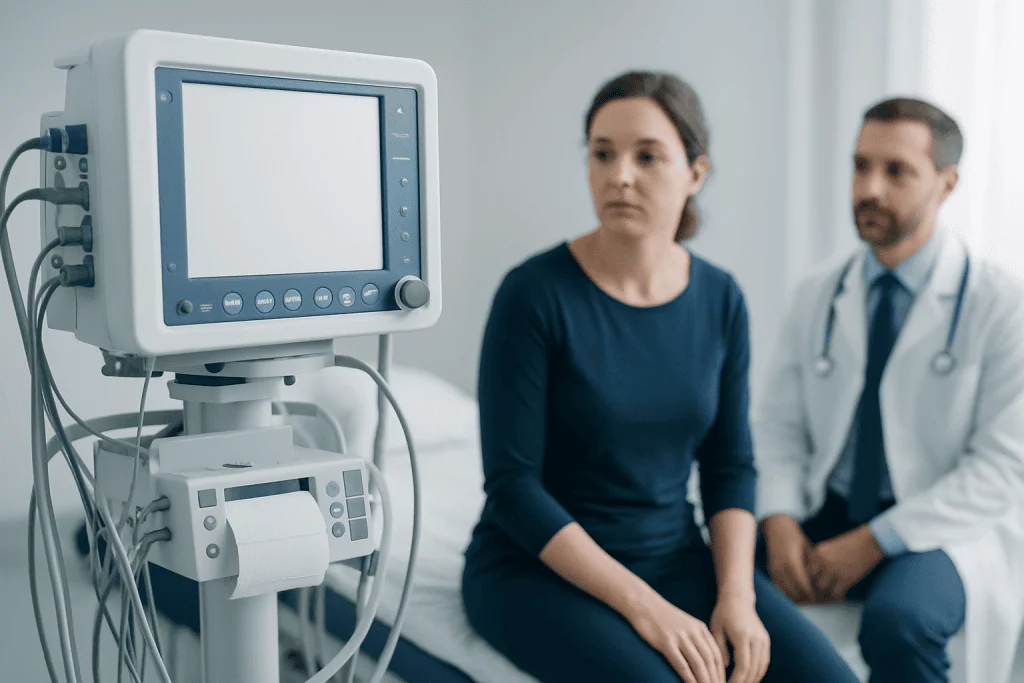
Symptoms that deserve prompt attention are those that are new, noticeably worse than usual, or interfere with daily life. Common examples include numbness or tingling on one side of the body, new weakness in an arm or leg, clumsiness, reduced balance, dizziness, blurred or double vision, eye pain with movement, or sudden worsening of walking. Problems with bladder control, speech, or concentration can also be part of a relapse.
Some symptoms are especially important because they may affect safety or independence. A person should seek neurology review if they develop difficulty seeing clearly, repeated falls, inability to use a hand normally, severe coordination problems, or symptoms that prevent work, self-care, or walking. A significant change in sensation, especially if it spreads or is associated with weakness, also warrants assessment.
It is also helpful to notice the pattern of symptoms. A true relapse usually develops over hours to days rather than coming and going minute to minute. Keeping a record of when symptoms started, what makes them better or worse, and whether there has been fever or illness can help the neurologist decide whether this is a relapse, a pseudo-relapse, or another condition that needs evaluation.
Relapse or Pseudo-Relapse? Understanding the Difference

A pseudo-relapse is a temporary worsening of existing MS symptoms without new inflammatory disease activity. It can happen when the nervous system is stressed by outside factors. Common triggers include fever, urinary tract infection, respiratory infection, overheating from hot weather or baths, dehydration, poor sleep, intense physical exertion, and emotional stress.
For example, a person who previously had leg weakness may notice that weakness becomes more pronounced during a fever or after becoming overheated. Once the trigger is treated or removed, symptoms often improve back toward baseline. This is different from a true relapse, which generally persists beyond the trigger and reflects new inflammation in the brain, spinal cord, or optic nerves.
Because infection can mimic or worsen a relapse, doctors often look for common medical triggers before deciding on treatment. Temporary worsening may still need medical attention, especially if the cause is not obvious or symptoms are severe. Distinguishing between a relapse and a pseudo-relapse is one of the most important reasons for timely neurology review.
Causes and Risk Factors for Relapses
Relapses are thought to happen when the immune system becomes active against myelin and other parts of the central nervous system, causing inflammation that disrupts nerve signaling. This inflammatory activity can lead to temporary or sometimes lasting neurological problems. In relapsing forms of MS, disease activity may occur even when a person has been feeling well.
Several factors may influence relapse risk. Infections are well-recognized triggers for symptom worsening and may sometimes be associated with true disease activity. Missing or stopping disease-modifying treatment can increase the chance of relapse in some patients. Smoking, chronic stress, poor sleep, and inconsistent follow-up may also affect overall disease control, although each person’s pattern is different.
Risk can also vary with the type and stage of MS. People with relapsing-remitting disease tend to have clearer attacks and recoveries, while progressive forms may show more gradual worsening over time. Sometimes symptoms from conditions such as optic neuritis or spinal cord inflammation can be the first sign that leads to a diagnosis of multiple sclerosis.
How Doctors Diagnose a Suspected Relapse
Diagnosis begins with a detailed history and neurological examination. The doctor will ask when symptoms began, whether they are new or old, how long they have lasted, and whether there has been fever, illness, medication change, or heat exposure. The examination helps identify which parts of the nervous system may be affected and how severe the changes are.
Additional testing may be used when the diagnosis is uncertain, symptoms are significant, or another cause needs to be ruled out. MRI of the brain or spinal cord can show new inflammatory lesions and may support the diagnosis of a relapse. Blood tests or urine tests may be ordered to check for infection, dehydration, or other medical problems that can mimic worsening MS.
Not every symptom change requires urgent imaging, but sudden or disabling changes often do. In some situations, a neurologist may also recommend vision testing or referral to specialists if symptoms involve the eyes, balance system, or bladder. A comprehensive evaluation is important because conditions such as stroke, migraine, medication side effects, or a spinal problem can sometimes resemble an MS relapse.
Treatment Options and Recovery
Treatment depends on symptom severity, how much daily function is affected, and whether the episode is confirmed as a relapse. Mild relapses may be monitored with rest, hydration, temperature management, and close follow-up. More significant relapses are often treated with corticosteroids to reduce inflammation and shorten the duration of symptoms, although steroids do not cure MS or guarantee full recovery.
If symptoms are severe or do not respond as expected, other treatments may be considered in specialized settings. Some people benefit from rehabilitation support such as physiotherapy, occupational therapy, or balance training to improve strength, mobility, and confidence after a relapse. Symptom-specific treatment for pain, spasms, bladder issues, or fatigue may also be part of the plan.
Long-term treatment is equally important. A neurologist may review whether the current multiple sclerosis treatment plan is providing enough disease control or whether another disease-modifying approach should be considered. If symptoms include major weakness or difficulty walking, structured physical therapy and rehabilitation can play an important role in recovery and function.
Prevention, Self-Care, and Monitoring
Although not every relapse can be prevented, consistent disease management can reduce the chance of future attacks and support better long-term health. Taking prescribed disease-modifying therapy as directed, attending regular neurology appointments, and discussing any medication side effects early are practical steps. Vaccination, infection prevention, and prompt treatment of common illnesses may also help reduce avoidable symptom worsening.
Self-care measures can make daily symptom control more predictable. Many people find it helpful to avoid overheating, stay hydrated, pace physical activity, protect sleep, and manage stress. Keeping a symptom diary can help identify patterns and triggers, especially when symptoms seem to worsen in certain environments or during illness.
It is also useful to have a plan for whom to contact if symptoms change. Recording baseline symptoms, current medications, and previous relapse treatments can make urgent consultations easier. Near the end of the care pathway, some international patients choose centers such as Acibadem International, where multidisciplinary specialists in JCI-accredited hospitals diagnose and treat MS with coordinated neurological assessment and follow-up.
When to Seek Urgent Medical Attention
A person should contact a doctor promptly if they have new or worsening neurological symptoms lasting more than 24 hours, especially if those symptoms affect vision, walking, balance, hand use, or bladder function. Sudden loss of vision, marked weakness, severe dizziness, repeated falls, or inability to perform usual activities should not be ignored. These symptoms may represent an MS relapse, but they can also be caused by other medical emergencies.
Emergency assessment is especially important if symptoms begin suddenly and intensely, involve facial drooping, severe headache, chest pain, loss of consciousness, or new confusion, because these features may point to a condition other than MS. Fever, burning with urination, persistent vomiting, or signs of infection also need medical review since infection can trigger symptom worsening and may require treatment first.
When in doubt, it is safer to seek advice rather than wait. Early review can help confirm whether symptoms reflect a relapse, a temporary pseudo-relapse, or another condition entirely. Fast assessment supports timely treatment, symptom relief, and clearer decisions about future disease management.
Frequently asked questions
How long do symptoms need to last to be considered an MS relapse?
In general, symptoms should last at least 24 hours to fit the definition of a multiple sclerosis relapse. They should also occur after a period of relative stability and not be better explained by fever, infection, or overheating.
Can stress or hot weather cause a true MS relapse?
Stress and heat more often trigger a temporary worsening of existing symptoms rather than a true relapse. This is sometimes called a pseudo-relapse, and symptoms often improve when the trigger is addressed.
Do all MS relapses need steroid treatment?
No. Mild relapses may not need steroid treatment if symptoms are manageable and do not significantly affect daily activities. More severe relapses, especially those affecting vision, walking, or independence, are more likely to be treated.
Should a person go to the emergency department for suspected MS relapse symptoms?
Urgent or emergency care may be appropriate if symptoms are severe, sudden, or disabling, or if there is concern for another emergency such as stroke or infection. Sudden major weakness, significant vision loss, repeated falls, confusion, or severe pain should be assessed promptly.
Can an infection make MS symptoms worse?
Yes. Infections, especially urinary or respiratory infections, can temporarily worsen existing MS symptoms and may mimic a relapse. That is why doctors often check for infection before deciding on relapse treatment.
Will symptoms always go away after an MS relapse?
Not always. Some people recover fully, while others improve only partially and may notice some lasting symptoms. Early evaluation and appropriate treatment may help support recovery and function.
This article is for general information only and is not a substitute for professional medical advice. Please consult a qualified doctor about your individual situation.
Multiple Sclerosis in Turkey — costs, top hospitals & a free quote
JCI-accredited · board-certified surgeons · reply within 24h
Add us as a Preferred Source to see more of our trusted health content across Google Search, AI Overviews and Discover.

Physical Medicine & Rehabilitation
Restoring movement and function after injury, surgery or neurological conditions.
152 specialists in this unitMore from the Health Library

What Is a Condition? Definition, Causes, and When It Matters

What Is Raynaud’s Phenomenon? Triggered Color Changes and Care

What Is Hashimoto’s Thyroiditis? Symptoms, Antibodies, and Treatment

Anemia: Common Causes, Symptoms, and When to Investigate

Paget’s Disease of Bone: Bone Pain, Elevated Alkaline Phosphatase, and Treatment

How Medical Conditions Are Diagnosed: Tests, Exams, and Next Steps
Physical Medicine & Rehabilitation Specialists at Acibadem

Fzt. Asım Sakallı
Physical Medicine & Rehabilitation
Fzt. Aslı Hacıoğlu
Physical Medicine & Rehabilitation
Fzt. Atahan Vardı
Physical Medicine & Rehabilitation
Fzt. Atilla Murat Ünver
Physical Medicine & Rehabilitation