

Paget’s Disease of Bone: Bone Pain, Elevated Alkaline Phosphatase, and Treatment

Paget’s disease of bone affects normal bone remodeling, making bone larger, weaker, or misshapen. Bone pain, deformity, hearing changes, and fractures can occur, but many people have no symptoms at first.
Key Takeaways
- Paget’s disease of bone affects normal bone remodeling, making bone larger, weaker, or misshapen.
- Bone pain, deformity, hearing changes, and fractures can occur, but many people have no symptoms at first.
- An elevated alkaline phosphatase blood test can be an important clue, especially when paired with imaging.
- Treatment often includes medicines that slow bone turnover, along with pain management and monitoring.
- Early medical evaluation can help reduce complications such as fractures, arthritis, and nerve compression.
Paget’s disease of bone is a long-term condition in which bone is broken down and rebuilt in an abnormal way. It may cause bone pain, changes in bone shape, and elevated alkaline phosphatase, although some people have no symptoms and are diagnosed on routine tests.
Overview
Paget’s disease of bone is a chronic disorder that changes the normal process of bone remodeling. In healthy bone, old bone tissue is steadily removed and replaced with new, strong bone. In Paget’s disease, this process becomes overactive and disorganized, so the body makes bone more quickly than usual but in a weaker and less structured way.
This can lead to bones that are enlarged, softer in some areas, and more likely to become painful or deformed. The condition most often affects the pelvis, spine, skull, femur, or lower leg bones, but it can involve one bone or several. Some people develop clear symptoms, while others only learn they have the condition after an X-ray or blood test shows a problem.
Paget’s disease of bone is not the same as osteoporosis, although both can affect bone strength. It also differs from osteoporosis because the main issue is abnormal remodeling rather than a general loss of bone mass. With proper diagnosis and treatment, many people manage the condition well and avoid serious complications.
Symptoms
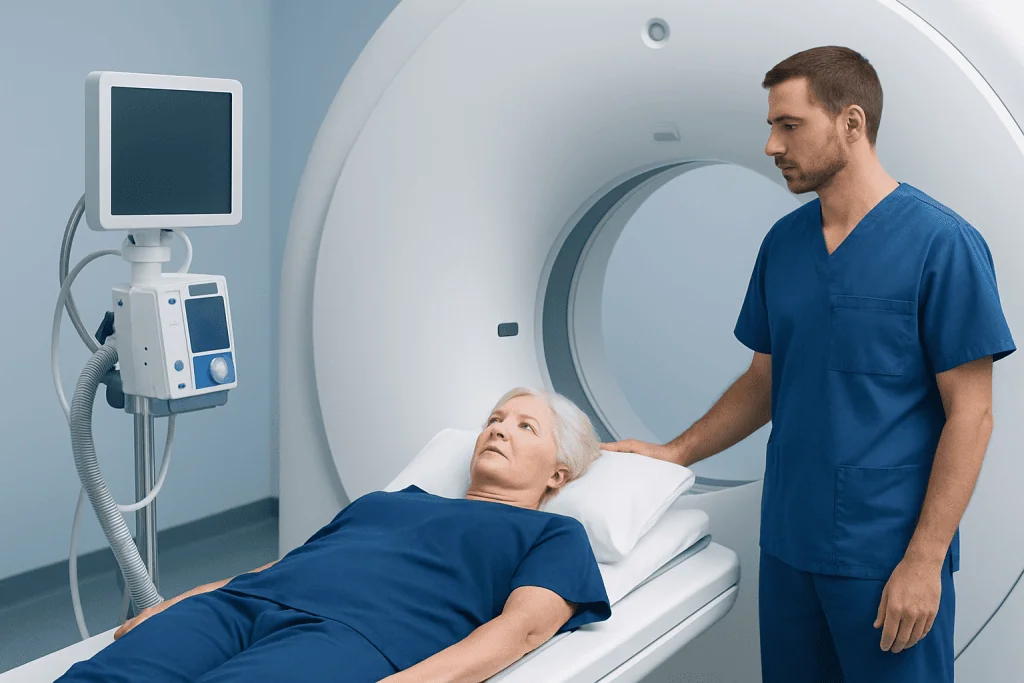
Many people with Paget’s disease of bone have no symptoms, especially in the early stages. When symptoms do appear, bone pain is one of the most common. The pain may feel deep, aching, and persistent, and it may worsen with pressure on the affected area or nearby joints.
The condition can also change the shape or strength of bones. A person may notice bowing of a leg, an increase in head size, warmth over the affected bone, or a stooped posture if the spine is involved. Because the remodeled bone is weaker, there may also be a higher risk of stress injuries or fractures.
Symptoms depend on which bones are affected. If the skull is involved, hearing loss, headaches, or a feeling of pressure can occur. If the spine is affected, enlarged bone may irritate or compress nerves, causing numbness, tingling, or weakness. Joint pain may develop when Paget’s disease changes alignment and places extra strain on nearby joints.
- Persistent bone pain
- Bone deformity or enlargement
- Fractures or stress injuries
- Joint pain or stiffness
- Hearing loss when the skull is affected
- Numbness or weakness from nerve compression
Causes and Risk Factors

The exact cause of Paget’s disease of bone is not fully understood. Experts believe it may result from a combination of genetic and environmental factors. In some families, the condition appears to run in relatives, which suggests that inherited gene changes can increase risk.
Age is an important risk factor. Paget’s disease is more common in older adults and is rarely diagnosed in younger people. It may also be more likely in people with a family history of the disorder or in populations where the condition is known to occur more often.
The disease is not usually caused by diet, exercise habits, or an injury. However, because symptoms can overlap with other bone and joint conditions, medical assessment is important to rule out problems such as bone cancer or other structural bone disorders. Understanding the underlying cause helps guide treatment and long-term monitoring.
Diagnosis and Elevated Alkaline Phosphatase
Paget’s disease of bone is often suspected when a blood test shows elevated alkaline phosphatase. This enzyme can rise when bone turnover is unusually active. While an elevated alkaline phosphatase level does not by itself confirm Paget’s disease, it is a common clue that prompts further investigation, especially if calcium and phosphate levels are otherwise normal.
Doctors usually combine blood tests with imaging studies. Standard X-rays can show characteristic changes in bone structure, such as enlargement, thickening, or areas of mixed bone breakdown and rebuilding. In some cases, a bone scan is used to identify how many bones are affected and how active the disease is.
Additional tests may be needed depending on symptoms and the location of the disease. If there is concern about fracture, arthritis, or nerve compression, advanced imaging such as MRI or CT scan may be useful. The diagnostic process also helps distinguish Paget’s disease from infection, metastatic disease, and other causes of elevated alkaline phosphatase.
Treatment Options
Treatment for Paget’s disease of bone depends on symptoms, the bones involved, and the level of disease activity. Not every person needs immediate treatment. If the condition is found incidentally and is not causing symptoms or affecting high-risk bones, a doctor may recommend careful follow-up with repeat blood tests and imaging.
When treatment is needed, medicines that slow bone turnover are commonly used. These drugs, often from the bisphosphonate group, can reduce pain, lower alkaline phosphatase levels, and help stabilize the disease. A doctor will choose the most suitable option based on the person’s overall health, kidney function, and severity of disease. Pain relief strategies may also include simple analgesics, physical support, and treatment of any associated arthritis.
Some people develop complications that require additional care. Fractures may need orthopedic surgery, and severe deformity or advanced joint damage may lead to procedures such as hip replacement when the hip is affected. In selected cases, hearing, neurological, or rehabilitation support may also be part of the treatment plan.
Prevention, Self-care, and Living With the Condition
There is no known way to fully prevent Paget’s disease of bone, but good general bone health remains important. People living with the condition may benefit from staying active within their comfort level, maintaining a balanced diet, and discussing calcium and vitamin D needs with a doctor. Safe movement and strength-focused exercise can help support function and reduce the risk of falls.
Self-care should focus on protecting affected bones and joints. Supportive footwear, home fall-prevention measures, and avoiding high-impact activities that strain painful bones may be helpful. If walking becomes difficult, a physiotherapist may recommend exercises or assistive devices to improve balance and mobility.
Regular follow-up is important even when symptoms are mild. Doctors may monitor alkaline phosphatase levels over time to see whether the disease is active or responding to treatment. For international patients, Acibadem International’s multidisciplinary specialists and JCI-accredited hospitals diagnose and treat Paget’s disease of bone with individualized evaluation and follow-up.
When to See a Doctor
A person should see a doctor if they have ongoing bone pain, a change in bone shape, repeated fractures, or unexplained hearing changes. Medical review is also advisable if routine blood tests show elevated alkaline phosphatase without an obvious liver-related cause. Early evaluation can help identify the reason and prevent avoidable complications.
Urgent assessment is important when symptoms suggest nerve involvement or a serious injury. These warning signs can include sudden weakness, numbness, loss of balance, severe back pain, or pain after a fall. Prompt care can reduce the risk of long-term problems.
Because Paget’s disease can resemble other musculoskeletal conditions, it is best not to self-diagnose. A qualified doctor can decide which tests are needed and whether treatment, monitoring, or referral to a bone specialist is the most appropriate next step.
Frequently asked questions
What is Paget’s disease of bone?
Paget’s disease of bone is a disorder in which bone breaks down and rebuilds too quickly and in a disorganized way. This can make the affected bone larger, weaker, and more likely to become painful or deformed.
Why is alkaline phosphatase elevated in Paget’s disease?
Alkaline phosphatase may rise because the disease increases bone remodeling activity. The blood test is a helpful clue, but doctors usually combine it with imaging and other assessments to confirm the diagnosis.
Does Paget’s disease of bone always cause pain?
No. Some people have no symptoms and only find out they have the condition after routine blood tests or imaging. When symptoms are present, bone pain is one of the most common complaints.
Is Paget’s disease of bone cancer?
No, Paget’s disease of bone is not cancer. It is a non-cancerous bone remodeling disorder, although doctors may sometimes perform tests to distinguish it from other bone conditions.
Can Paget’s disease of bone be cured?
There is no complete cure in the sense of permanently removing the condition, but treatment can control disease activity and relieve symptoms. Many people do well with monitoring, medication, and management of complications when needed.
Who is more likely to develop Paget’s disease of bone?
It is more often diagnosed in older adults and in people with a family history of the condition. Genetic factors appear to play a role, although the exact cause is not fully understood.
This article is for general information only and is not a substitute for professional medical advice. Please consult a qualified doctor about your individual situation.
Explore treatments in Turkey — costs, top hospitals & a free quote
JCI-accredited · board-certified surgeons · reply within 24h
Add us as a Preferred Source to see more of our trusted health content across Google Search, AI Overviews and Discover.

More from the Health Library

What Is ITP? Symptoms, Causes, and How It Is Diagnosed

What Is Operant Conditioning?

Pulmonary Embolism: Warning Signs, Diagnosis, and Emergency Care

Cushing Syndrome vs PCOS: Why Weight Gain and Hormone Symptoms Need Careful Testing

What Is ALS? Symptoms, Progression, and How Motor Neuron Disease Is Diagnosed

Colorectal Cancer: Symptoms, Risk Factors, and Treatment Pathways
Orthopedic Surgery & Traumatology Specialists at Acibadem

Dr. Buğra Alpan
Orthopedic Surgery & Traumatology
Dr. Bülent Özmen
Orthopedic Surgery & Traumatology
Dr. Bülent Yücel
Orthopedic Surgery & Traumatology
Prof. Dr. Burak Akan
Orthopedic Surgery & Traumatology