Cushing Syndrome vs PCOS: Why Weight Gain and Hormone Symptoms Need Careful Testing

Cushing syndrome and PCOS may cause similar hormone-related symptoms, but they are different conditions. Cushing syndrome is linked to excess cortisol, while PCOS is usually related to ovulation problems and androgen excess.
Key Takeaways
- Cushing syndrome and PCOS may cause similar hormone-related symptoms, but they are different conditions.
- Cushing syndrome is linked to excess cortisol, while PCOS is usually related to ovulation problems and androgen excess.
- A diagnosis should not be made from symptoms alone; blood, urine, saliva, and imaging tests may be needed.
- Rapid symptom changes, easy bruising, muscle weakness, or purple stretch marks may suggest Cushing syndrome and need prompt evaluation.
- Treatment depends on the underlying cause and may include lifestyle changes, medication, or treatment of an adrenal or pituitary problem.
Cushing syndrome and polycystic ovary syndrome (PCOS) can share symptoms such as weight gain, acne, irregular periods, and unwanted hair growth. Because the causes and treatments differ, careful medical testing is important to make the right diagnosis.
Overview: Why Cushing Syndrome and PCOS Are Often Confused
Cushing syndrome and polycystic ovary syndrome, often called PCOS, are both hormone-related conditions that can affect weight, skin, menstrual cycles, and mood. Because they may overlap in everyday symptoms, it is understandable that patients and even clinicians may first consider one condition when the other is actually present. This is why a careful medical history, physical examination, and appropriate laboratory testing are so important.
PCOS is a common condition involving irregular ovulation and higher-than-usual androgen activity. It often affects menstrual cycles, fertility, acne, scalp hair thinning, and unwanted facial or body hair. Cushing syndrome is less common and happens when the body is exposed to too much cortisol over time, either because of medications such as steroids or because the body is making too much cortisol on its own.
Both conditions can contribute to weight gain, especially around the abdomen, as well as fatigue and changes in appearance. However, the reasons behind these changes are different. Distinguishing between them matters because treatment for PCOS will not address true cortisol excess, and untreated Cushing syndrome can affect blood pressure, blood sugar, bones, and heart health.
Symptoms That Can Overlap
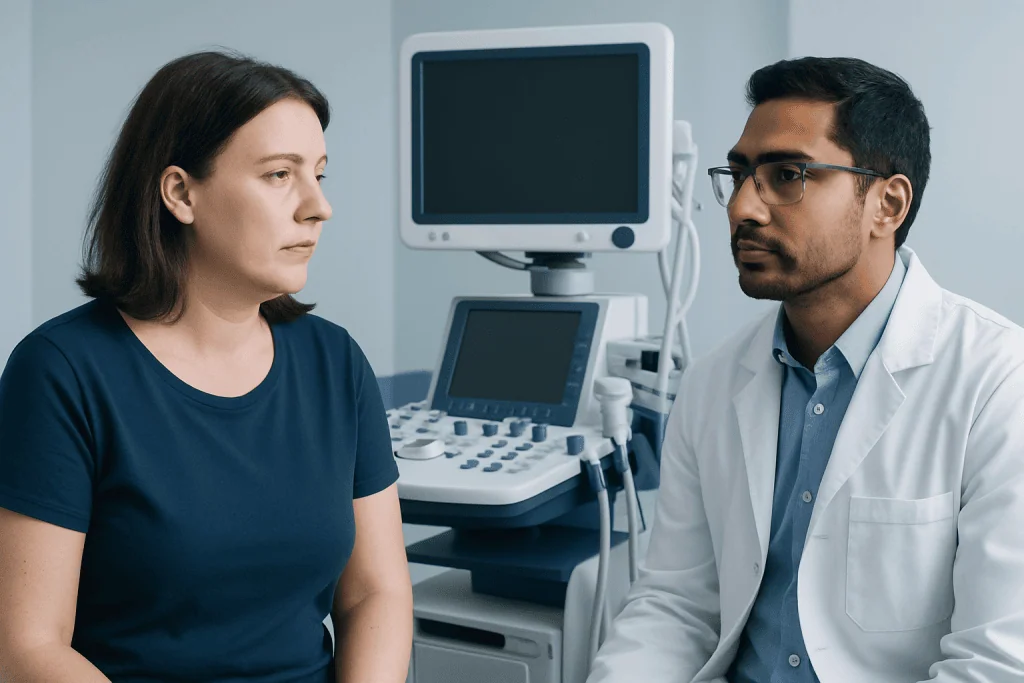
Some symptoms can appear in both Cushing syndrome and PCOS. These include weight gain, irregular or absent periods, acne, increased facial or body hair, fertility problems, mood changes, and difficulty with blood sugar control. In both conditions, symptoms may build gradually, making the changes harder to notice at first.
Weight gain in either condition often affects the midsection. Menstrual irregularity is also common, especially in PCOS, but it can occur in Cushing syndrome because high cortisol levels can interfere with reproductive hormones. Acne and unwanted hair growth may lead patients to assume the diagnosis is PCOS, yet cortisol excess can also disrupt hormone balance and create similar concerns.
Because these symptoms are nonspecific, they should be viewed as clues rather than proof of one diagnosis. A person with irregular periods and weight gain may have PCOS, Cushing syndrome, another endocrine condition, or more than one issue at the same time. This is one reason endocrinology evaluation can be helpful when symptoms are complex or not improving as expected.
- Weight gain, especially around the abdomen
- Irregular periods or absent periods
- Acne and oily skin
- Unwanted facial or body hair
- Fertility difficulties
- Mood changes and fatigue
Features More Suggestive of Cushing Syndrome

Although the overlap is real, some signs are more strongly associated with Cushing syndrome. These include easy bruising, thinning skin, slow wound healing, purple or reddish stretch marks that are wider than typical stretch marks, and muscle weakness, especially when climbing stairs or standing up from a chair. A rounded face and fullness at the upper back or base of the neck may also develop in some people.
High blood pressure, high blood sugar, bone loss, and frequent infections can also point toward cortisol excess. In children and adolescents, slowed growth combined with weight gain may raise concern for Cushing syndrome. Symptoms may become more noticeable over time, especially if cortisol levels remain high.
It is also important to ask about steroid exposure. Long-term use of steroid tablets, injections, creams, inhalers, or other forms can cause Cushing syndrome. When the body itself overproduces cortisol, possible causes include a pituitary tumor, an adrenal tumor, or more rarely another hormone-producing tumor. In contrast, PCOS does not cause the classic skin fragility and muscle weakness often seen with marked cortisol excess. Patients with concerning signs may need evaluation for Cushing syndrome.
How PCOS Differs
PCOS is primarily a condition of ovulation and androgen imbalance. Many people with PCOS have infrequent periods, difficulty becoming pregnant, acne, and extra hair growth on the face, chest, or abdomen. Scalp hair thinning can also occur. Some have insulin resistance, which can make weight management more difficult and increase the risk of prediabetes or type 2 diabetes.
PCOS is diagnosed using a combination of symptoms, examination findings, ultrasound features in some cases, and blood tests that help rule out other causes. Not every person with PCOS has ovarian cysts, and not every person with ovarian cysts has PCOS. The diagnosis depends on the overall clinical picture rather than a single test.
Unlike Cushing syndrome, PCOS usually does not cause fragile skin, wide purple stretch marks, easy bruising, or marked muscle weakness. It also tends to be a long-term metabolic and reproductive condition rather than a disorder of excess cortisol. People who have signs more typical of androgen excess may be evaluated for polycystic ovary syndrome.
Why Careful Testing Is So Important
Symptoms alone cannot reliably distinguish Cushing syndrome from PCOS. A doctor may begin by reviewing menstrual history, weight changes, medication use, blood pressure, blood sugar, family history, and the timing of symptoms. The physical examination looks for specific patterns such as skin changes, bruising, body fat distribution, and signs of androgen excess.
Testing for Cushing syndrome often includes one or more screening tests designed to measure cortisol or the body’s cortisol rhythm. These may include late-night salivary cortisol, 24-hour urinary free cortisol, or an overnight dexamethasone suppression test. If a screening test is abnormal, repeat or confirmatory testing is often needed before a final diagnosis is made.
PCOS evaluation may include tests for testosterone and related hormones, thyroid function, prolactin, blood sugar, and sometimes pelvic ultrasound. In some patients, doctors specifically test for Cushing syndrome because untreated cortisol excess can mimic or worsen features that resemble PCOS. When needed, imaging such as MRI scan or CT scan may help identify a pituitary or adrenal cause, but imaging usually follows biochemical confirmation rather than replacing it.
Treatment Options Depend on the Diagnosis
Treatment for Cushing syndrome depends on the cause. If steroid medication is responsible, doctors may carefully adjust the treatment plan when it is medically safe to do so. If the body is producing too much cortisol because of a pituitary or adrenal problem, treatment may involve surgery, medication, or other specialist care. The aim is to lower cortisol safely and manage complications such as high blood pressure, diabetes, and bone loss.
PCOS treatment is tailored to a person’s goals and symptoms. This may include support for weight management, treatment for acne or excess hair growth, menstrual cycle regulation, and help with fertility if pregnancy is desired. Because insulin resistance is common, doctors may also address blood sugar and long-term metabolic health.
Some people need care from more than one specialist, such as endocrinology, gynecology, dermatology, nutrition, or fertility medicine. If a pituitary or adrenal source of cortisol excess is suspected, further targeted treatment may be recommended after imaging and hormone testing. In selected cases, evaluation may include adrenalectomy or management planning for pituitary disease. Near the end of the diagnostic journey, some international patients seek care at centers such as Acibadem International, where multidisciplinary specialists at JCI-accredited hospitals diagnose and treat complex endocrine conditions.
Self-Care, Monitoring, and When to Seek Medical Advice
Self-care can support overall health, but it should not replace proper testing when hormone symptoms are present. Keeping a symptom diary may help, especially for menstrual changes, weight fluctuations, blood pressure readings, acne flares, or new stretch marks. A balanced eating pattern, regular physical activity, good sleep, and stress management can support metabolic health in both PCOS and Cushing syndrome, but they do not correct the underlying hormonal cause on their own.
Medical advice is especially important when symptoms are progressing, periods become very irregular, blood pressure or blood sugar rises, or muscle weakness develops. People who use steroid medications should not stop them suddenly without medical supervision, because this can be unsafe. Instead, they should speak with their prescribing doctor if Cushing-like symptoms appear.
A prompt evaluation is wise if there is rapid weight gain, easy bruising, purple stretch marks, significant fatigue, frequent infections, new facial weakness, or fertility concerns. Early diagnosis can help prevent complications and guide the right treatment plan. If symptoms seem to fit PCOS but are unusually severe or do not respond to standard care, doctors may look more closely for Cushing syndrome or another endocrine disorder.
Frequently asked questions
Can Cushing syndrome be mistaken for PCOS?
Yes. Both conditions can cause weight gain, irregular periods, acne, and increased body hair. Because of this overlap, doctors often need hormone tests to tell them apart accurately.
What symptom is more typical of Cushing syndrome than PCOS?
Easy bruising, thinning skin, wide purple stretch marks, and muscle weakness are more suggestive of Cushing syndrome. These features are less typical of PCOS and usually deserve further evaluation.
Can a person have both PCOS and Cushing syndrome?
It is possible, although Cushing syndrome is much less common. A doctor may investigate both conditions if symptoms do not fit neatly into one diagnosis or if treatment is not working as expected.
Which tests are used to check for Cushing syndrome?
Doctors commonly use late-night salivary cortisol, 24-hour urinary free cortisol, or an overnight dexamethasone suppression test. If results are abnormal, repeat or confirmatory testing is usually needed before imaging is considered.
How is PCOS diagnosed?
PCOS is diagnosed using a combination of symptoms, menstrual history, physical findings, and lab tests that rule out other causes. Some patients also have pelvic ultrasound, but diagnosis is not based on ultrasound alone.
Should someone with weight gain and irregular periods see an endocrinologist?
That can be helpful, especially if symptoms are severe, unusual, or accompanied by high blood pressure, high blood sugar, bruising, or muscle weakness. An endocrinologist can assess for cortisol disorders, PCOS, thyroid disease, and other hormone-related causes.
This article is for general information only and is not a substitute for professional medical advice. Please consult a qualified doctor about your individual situation.
Cushing Syndrome in Turkey — costs, top hospitals & a free quote
JCI-accredited · board-certified surgeons · reply within 24h
Add us as a Preferred Source to see more of our trusted health content across Google Search, AI Overviews and Discover.
Check your numbers in seconds
BMI, calories, due date, blood pressure and 30+ more clinical calculators — free, instant, doctor-reviewed ranges.

More from the Health Library

Lupus: Symptoms, Diagnosis, and Organ Monitoring

Tuberculosis: Symptoms, Testing, and Treatment Duration

Crohn’s Disease: Flare Symptoms, Testing, and Long-Term Care

Sarcoidosis: Lung Symptoms, Imaging, and When Treatment Is Needed

What Is Wilson Disease? Liver Problems, Neurological Signs, and Copper Testing