What Is ALS? Symptoms, Progression, and How Motor Neuron Disease Is Diagnosed

ALS is a motor neuron disease that affects the brain and spinal cord nerve cells controlling voluntary muscles. Common early signs include muscle weakness, twitching, cramps, slurred speech, or trouble swallowing.
Key Takeaways
- ALS is a motor neuron disease that affects the brain and spinal cord nerve cells controlling voluntary muscles.
- Common early signs include muscle weakness, twitching, cramps, slurred speech, or trouble swallowing.
- Diagnosis is based on medical history, neurological examination, and tests that rule out other conditions.
- There is no cure, but treatment can help slow progression in some people and support breathing, nutrition, movement, and communication.
- Care is often most effective when provided by a multidisciplinary team including neurology, rehabilitation, nutrition, and respiratory specialists.
ALS, or amyotrophic lateral sclerosis, is a progressive disease that affects the nerve cells controlling voluntary muscle movement. Early evaluation and supportive care can help manage symptoms, maintain function, and improve quality of life.
Overview: What Is ALS?
ALS stands for amyotrophic lateral sclerosis. It is a type of motor neuron disease, meaning it affects the nerve cells that control voluntary muscle movements such as walking, speaking, swallowing, using the hands, and breathing. In ALS, these nerve cells gradually stop working and die, so muscles become weaker over time.
The condition affects both upper motor neurons in the brain and lower motor neurons in the brainstem and spinal cord. As these nerve pathways are damaged, the muscles no longer receive normal signals. This leads to weakness, muscle wasting, stiffness, and problems with coordination and daily activities.
ALS usually progresses over time, but the pace can vary greatly from one person to another. Some people first notice weakness in a hand or foot, while others develop speech or swallowing difficulties at the start. Although ALS mainly affects movement, some people may also experience changes in thinking, behavior, or emotional control.
It is understandable to feel overwhelmed by this diagnosis. While ALS is a serious condition, early specialist care, symptom management, rehabilitation, and practical support can make a meaningful difference in comfort, independence, and quality of life.
Symptoms of ALS
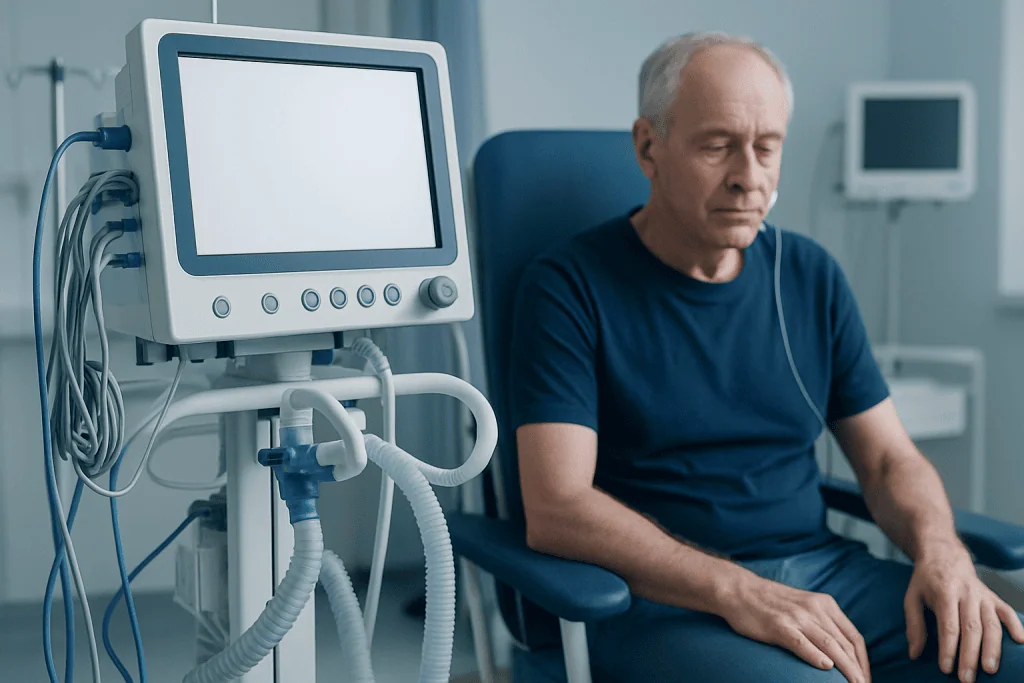
ALS symptoms often begin subtly and may be mistaken for other nerve or muscle problems. The earliest signs usually involve muscle weakness that slowly worsens. Symptoms may start in one limb, in the muscles used for speaking and swallowing, or less commonly in the breathing muscles.
Common symptoms can include:
- Weakness in an arm, hand, leg, or foot
- Muscle twitching, also called fasciculations
- Muscle cramps or stiffness
- Tripping, dropping objects, or difficulty with fine hand movements
- Slurred speech
- Trouble chewing or swallowing
- Shortness of breath, especially when lying down or during exertion
- Unexplained weight loss related to muscle loss or swallowing difficulty
As the disease progresses, weakness can spread to additional muscle groups. Everyday tasks such as climbing stairs, buttoning clothes, writing, lifting objects, or turning in bed may become harder. Some people also notice increased muscle tightness, exaggerated reflexes, or emotional lability, such as laughing or crying more easily than expected.
ALS does not usually affect sensation, so numbness and tingling are not typical main features. Eye movements, bladder function, and bowel control are often preserved until late stages, though each case is individual. Because many other conditions can cause weakness, a careful medical assessment is important before assuming ALS is the cause.
Causes and Risk Factors

In most people, the exact cause of ALS is not known. This is called sporadic ALS. Researchers believe it may result from a combination of genetic susceptibility and environmental or biological factors that affect nerve cell health. Possible mechanisms being studied include abnormal protein handling, oxidative stress, inflammation, and problems with energy use inside cells.
A smaller proportion of cases are familial ALS, meaning the disease runs in families and is linked to inherited gene changes. Several genes have been associated with ALS, and genetic counseling may be discussed when there is a strong family history or a younger age at diagnosis.
Risk increases with age, and ALS is most often diagnosed in later adulthood. Family history is a recognized risk factor for inherited forms. Researchers have also studied smoking, certain environmental exposures, and military service, but these factors do not explain most cases and are not direct causes in every individual.
It is important for patients and families to know that ALS is not contagious. It is also not caused by normal exercise, routine activity, or everyday stress. If another neurological condition is suspected, a specialist may also consider disorders that can resemble ALS, such as multiple sclerosis or other neuropathies and myopathies.
How ALS Progresses
ALS is a progressive condition, which means symptoms gradually worsen over time. The pattern of progression differs from person to person. In some people, symptoms start in the limbs and spread to speech and swallowing muscles later. In others, bulbar symptoms such as slurred speech or difficulty swallowing appear first.
Over time, the loss of motor neurons leads to increasing weakness and muscle wasting. Mobility may become more limited, and assistive devices such as braces, walkers, wheelchairs, or communication tools may be needed. Many people also require support from physical, occupational, and speech therapists to stay as active and independent as possible.
Breathing muscles can eventually become affected, which is one of the most important aspects of monitoring in ALS. Respiratory symptoms may include breathlessness, poor sleep, morning headaches, fatigue, or difficulty clearing secretions. Doctors may recommend regular breathing tests and discuss noninvasive ventilation if needed.
Progression can be physically and emotionally demanding, but supportive care can help people adapt at each stage. A multidisciplinary approach often includes neurologists, rehabilitation specialists, respiratory therapists, dietitians, nurses, social workers, and palliative care teams working together around the patient’s goals and preferences.
How ALS Is Diagnosed
There is no single test that confirms ALS on its own. Diagnosis is based on a detailed medical history, a neurological examination, and tests that help identify the pattern of upper and lower motor neuron involvement while ruling out other diseases that can mimic ALS.
During the examination, a neurologist looks for signs such as muscle weakness, wasting, fasciculations, increased reflexes, stiffness, and changes in speech or swallowing. The doctor will also ask when symptoms began, how they have changed, and whether there is any family history of neurological disease.
Common tests used in the evaluation may include:
- Electromyography and nerve conduction studies to assess nerve and muscle function
- Blood and urine tests to look for other possible causes of symptoms
- MRI scans of the brain or spinal cord to exclude structural or inflammatory conditions
- Pulmonary function tests to evaluate breathing muscles
- Swallowing assessment if eating or drinking has become difficult
- In selected cases, genetic testing or additional specialized studies
Because ALS can resemble other neuromuscular or spinal conditions, diagnosis sometimes takes time. A careful and experienced assessment is important. Tests such as MRI or electromyography (EMG) may be part of this process, but results must always be interpreted in the full clinical context by a qualified specialist.
Treatment Options and Supportive Care
There is currently no cure for ALS, but treatment can help manage symptoms, maintain function, and support quality of life. Some medicines may modestly slow disease progression in certain patients, while others are used to relieve symptoms such as muscle cramps, excess saliva, pain, spasticity, constipation, or emotional lability. Treatment plans are individualized and should be reviewed regularly.
Supportive care is a central part of ALS management. Physical therapy may help with flexibility, safe movement, and energy conservation. Occupational therapy can suggest equipment and home adjustments for dressing, bathing, and other daily tasks. Speech and language therapy can help with communication strategies and swallowing safety, including consideration of alternative communication devices if needed.
Nutrition and breathing support are especially important. Unintentional weight loss can worsen weakness, so dietitians often recommend texture changes, high-calorie meal planning, or other strategies to make eating easier. If swallowing becomes unsafe or inadequate, doctors may discuss feeding tube placement as a supportive option. For breathing weakness, noninvasive ventilation and respiratory care can improve comfort and sleep.
Psychological and social support are also valuable for both patients and families. Advance care planning can help clarify preferences early and reduce uncertainty later. Near the end of the care journey, some people benefit from palliative care services focused on symptom control, communication, and practical support. For international patients, Acibadem International’s multidisciplinary specialists in JCI-accredited hospitals provide evaluation and treatment planning for complex neurological conditions.
Prevention, Self-Care, and Living With ALS
There is no known way to prevent most cases of ALS. Because the exact cause is often unclear, prevention advice is limited. However, general health measures such as not smoking, staying physically active within comfort, managing other medical conditions, and keeping regular medical follow-up may support overall wellbeing.
Self-care in ALS focuses on preserving comfort, safety, and independence. Helpful strategies may include pacing activities, planning rest periods, preventing falls, maintaining hydration, and using assistive devices when needed. Home modifications, such as grab bars, ramps, seating supports, and adapted utensils, can reduce strain and help daily routines feel more manageable.
Eating and communication challenges often benefit from early planning. Softer foods, posture changes during meals, and swallowing guidance may lower the risk of choking. Voice banking, speech apps, or communication devices can be introduced before speech becomes more difficult. Breathing exercises are not a cure, but respiratory follow-up is important when symptoms change.
Living with ALS can affect emotional health as much as physical health. Support groups, counseling, caregiver education, and community resources can help people feel less isolated. In some situations, doctors may also coordinate care with rehabilitation services such as physical therapy and rehabilitation to address mobility, comfort, and practical function over time.
When to See a Doctor
A person should see a doctor if they develop persistent or worsening muscle weakness, repeated tripping, difficulty using the hands, slurred speech, trouble swallowing, or unexplained muscle twitching and cramps. These symptoms do not always mean ALS, but they do deserve professional evaluation, especially if they are progressing.
Urgent medical attention is needed for warning signs such as significant shortness of breath, choking episodes, inability to swallow liquids, sudden dehydration, or rapid functional decline. These symptoms can lead to complications and should not be ignored.
Because ALS shares features with several other neurological disorders, assessment by a neurologist is often an important next step. In some cases, the doctor may need to distinguish ALS from conditions involving the brain, spine, nerves, or muscles, including diseases such as Parkinson's disease when movement symptoms are part of the broader diagnostic picture.
Early diagnosis can help patients access supportive therapies, plan ahead, and address symptoms before they become more disruptive. Even when the cause is not ALS, a timely assessment can still identify another treatable explanation for muscle weakness or speech and swallowing problems.
Frequently asked questions
What does ALS stand for?
ALS stands for amyotrophic lateral sclerosis. It is a progressive motor neuron disease that damages the nerve cells controlling voluntary muscles, leading to increasing weakness over time.
Is ALS the same as motor neuron disease?
ALS is one type of motor neuron disease and is the most well-known form in many countries. The term motor neuron disease may be used more broadly to describe a group of conditions affecting these nerve cells.
What are usually the first symptoms of ALS?
Early symptoms often include weakness in one hand, arm, foot, or leg, along with muscle twitching or cramps. Some people first notice slurred speech or swallowing difficulty instead of limb weakness.
Can ALS be cured?
There is currently no cure for ALS. However, available treatments and supportive care can help manage symptoms, maintain independence for as long as possible, and improve comfort and quality of life.
How do doctors confirm ALS?
Doctors do not rely on one single test. Diagnosis is made through a neurological examination, medical history, EMG and nerve studies, imaging, laboratory tests, and careful exclusion of other conditions that can look similar.
Does ALS affect thinking or memory?
ALS mainly affects movement, but some people can have changes in thinking, behavior, or emotional regulation. These changes vary and are not present in everyone with the disease.
How quickly does ALS progress?
Progression is different for each person. Some people experience a slower course, while others notice faster changes, which is why regular follow-up with a specialist team is important.
References
- National Institute of Neurological Disorders and Stroke
- National Health Service
- Mayo Clinic
- ALS Association
- World Health Organization
This article is for general information only and is not a substitute for professional medical advice. Please consult a qualified doctor about your individual situation.
Motor Neuron Disease in Turkey — costs, top hospitals & a free quote
JCI-accredited · board-certified surgeons · reply within 24h
Add us as a Preferred Source to see more of our trusted health content across Google Search, AI Overviews and Discover.

Physical Medicine & Rehabilitation
Restoring movement and function after injury, surgery or neurological conditions.
150 specialists in this unit