Musely Reviews — Explained by Medical Evidence, Not Myths

Musely reviews should be interpreted through medical factors such as correct diagnosis, active ingredients, skin sensitivity, and treatment adherence. Teledermatology can be appropriate for many common skin concerns, but it does not replace in-person examination in every case.
Key Takeaways
- Musely reviews should be interpreted through medical factors such as correct diagnosis, active ingredients, skin sensitivity, and treatment adherence.
- Teledermatology can be appropriate for many common skin concerns, but it does not replace in-person examination in every case.
- Prescription skincare may help conditions like acne, melasma, and photoaging, yet side effects and irritation are common reasons for negative reviews.
- Not every dark spot, rash, or breakout is suitable for online-only treatment; some need testing or a dermatologist’s direct examination.
- Patients should review ingredient lists, expected timelines, sun protection advice, and warning signs before starting any treatment.
Musely reviews are mixed for understandable medical reasons: some users improve when the diagnosis, prescription ingredients, and follow-up match their skin condition, while others do not. The most helpful way to read musely reviews is to compare claims with evidence on teledermatology, common prescription ingredients, side effects, and the need for in-person care when symptoms are unclear or severe.
What musely reviews really mean
Musely reviews are not a diagnosis, and they are not proof that a treatment will or will not work for everyone. From a medical perspective, reviews mostly reflect four variables: whether the skin problem was identified correctly, whether the prescribed ingredients fit that condition, how consistently the treatment was used, and how the person’s skin tolerated it. This is why the same product or service may receive very different feedback from different users.
Many people searching for musely reviews are really asking a broader question: can online dermatology and prescription skincare be safe, effective, and worthwhile? In general, the answer is that teledermatology can be appropriate for selected concerns, especially common conditions with a clear history and visible skin findings. However, it has limits, and those limits matter when reading online testimonials.
A medical reading of reviews looks beyond words like “worked fast” or “did nothing.” It asks what condition was being treated, what active ingredients were included, whether there was irritation, whether sunscreen was used, and whether a clinician reassessed the plan. This evidence-based approach is more useful than myths, hype, or blanket judgments.
How teledermatology fits into modern skin care
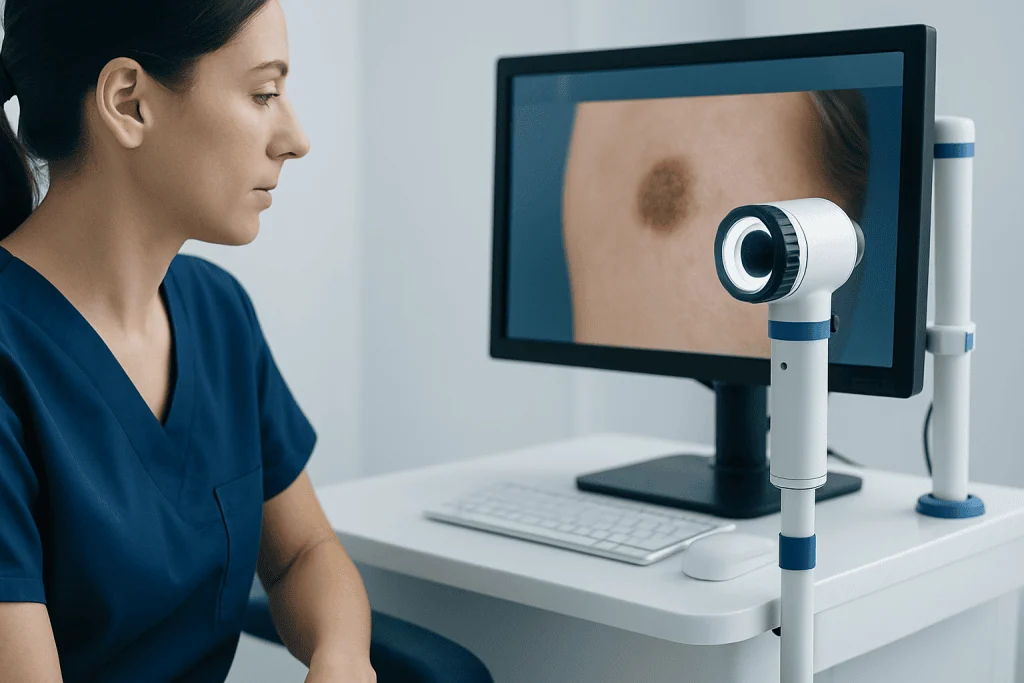
Teledermatology is the assessment and management of skin concerns through photographs, questionnaires, video visits, or a combination of these tools. Research and clinical practice support its use for many non-emergency issues, including acne, hyperpigmentation, rosacea follow-up, and medication monitoring. For patients, this can improve access and convenience, especially when specialist appointments are difficult to obtain.
Still, teledermatology is not identical to an in-person skin exam. A photo may miss texture, subtle color changes, or the full body distribution of a rash. Lighting, camera quality, and the angle of images can also affect clinical decisions. In some cases, a doctor may need dermoscopy, laboratory tests, or a biopsy before recommending treatment safely.
That is why musely reviews may differ from person to person even when the platform process seems similar. A person with typical melasma or mild acne may do well with online management, while someone with a complex rash, a changing mole, or hormone-related breakouts may need broader evaluation. Good teledermatology works best when it recognizes what can be managed remotely and what cannot.
Patients should also understand that prescription skincare is still medical care. It requires honest history taking, attention to allergies, pregnancy status, prior reactions, and other medications. Reviews that mention strong results or strong irritation both make more sense when seen through this clinical lens.
Why some users report good results

Positive musely reviews often involve conditions that respond to well-established dermatologic ingredients. For example, acne may improve with tretinoin, topical antibiotics, azelaic acid, or other prescription combinations when they are chosen appropriately. Hyperpigmentation and melasma may improve with ingredients such as hydroquinone, tretinoin, azelaic acid, kojic acid, or tranexamic acid in selected patients, especially when paired with strict sun protection.
Another reason for good experiences is consistent use over enough time. Many prescription skin treatments do not produce immediate results. Retinoids, pigment-fading creams, and rosacea therapies often take weeks to months to show visible benefit. Patients who understand this timeline may be more satisfied than those expecting rapid change after only a short trial.
Good results also depend on matching the treatment to the diagnosis. Dark facial patches may represent melasma, post-inflammatory hyperpigmentation, dermatitis, medication reactions, or other conditions. If the original problem is recognized correctly, treatment is more likely to help. This is one reason some users seek care for concerns related to melasma or persistent acne through dermatology pathways rather than relying on cosmetic advice alone.
Finally, follow-up matters. Skin care is often an adjustment process. If dryness, burning, or peeling develops, clinicians may need to reduce frequency, change the formula, or reassess the diagnosis. Reviews are more favorable when treatment plans are monitored rather than treated as one-time purchases.
Why some users report irritation, poor results, or disappointment
Negative musely reviews do not always mean a treatment is ineffective. In dermatology, “not working” may actually mean the wrong diagnosis, insufficient time, poor adherence, unrealistic expectations, or side effects that forced early discontinuation. Irritation is especially common with retinoids, hydroquinone combinations, exfoliating acids, and other active ingredients that can disrupt the skin barrier.
Some users may also have skin conditions that look similar but require different care. For example, acne-like bumps can be acne, rosacea, folliculitis, perioral dermatitis, or irritation from skin products. Treating the wrong condition can worsen redness or dryness and naturally lead to poor reviews. Similarly, not all brown patches are simple sun spots; some need a fuller medical assessment.
Skin sensitivity, eczema history, pregnancy, breastfeeding, medication interactions, and underlying hormonal or autoimmune issues can all affect suitability. Prescription formulas may be reasonable for one patient and inappropriate for another. This is why medical screening and clear follow-up instructions are important, even in online care.
Another source of disappointment is expecting skincare to replace procedures or broad medical workup. Some pigment conditions or acne scars may improve more with in-person laser treatment or office-based care. Others need confirmation by a dermatologist before any active ingredients are used, especially if the area is painful, rapidly changing, crusted, or bleeding.
How to assess the ingredients and claims behind musely reviews
When reading musely reviews, it helps to focus less on brand language and more on the active ingredients and the condition being treated. Evidence in dermatology usually supports specific ingredients rather than broad promises. A patient should ask: what is in the formula, what problem is it intended to treat, what are the common side effects, and how long should improvement reasonably take?
Common prescription ingredients each have strengths and limits. Retinoids can help acne and signs of photoaging but often cause dryness at first. Hydroquinone can reduce certain types of hyperpigmentation but should be used under professional guidance. Azelaic acid may be helpful for acne, pigment changes, and rosacea, often with a gentler profile for some users. Niacinamide and sunscreen support the skin barrier and help reduce pigment recurrence, but they are not substitutes for prescription therapy when disease is moderate or severe.
Claims of very fast transformation should be read carefully. Some early changes reflect dryness, peeling, or lighting differences rather than true clinical improvement. Reliable improvement usually follows a realistic course and includes instructions for gradual use, moisturizer support, and daily broad-spectrum sun protection.
A review is most medically useful if it mentions the diagnosed condition, active ingredients, treatment duration, side effects, and whether the plan was adjusted. That kind of detail is far more informative than a simple star rating. For people needing specialist assessment, in-person dermatology care may clarify which ingredient strategy is most appropriate.
Practical guidance before starting online prescription skincare
Before using any teledermatology service, a patient should collect a clear history of the skin concern. Helpful details include when it started, whether it itches or hurts, what makes it better or worse, prior treatments, known allergies, pregnancy status, and current medications. High-quality photos in natural light can also improve the quality of online assessment.
It is wise to read all instructions carefully and introduce active treatments gradually if advised by the prescribing clinician. Moisturizer and sunscreen are often essential partners to treatment, not optional extras. Skipping sun protection can make hyperpigmentation harder to treat and can reduce the benefit of many medical skin regimens.
Patients should watch for warning signs of intolerance such as severe burning, marked swelling, blistering, intense redness, or worsening rash. If these occur, treatment may need to be paused and reviewed promptly. Mild dryness or peeling is common with some ingredients, but severe reactions deserve medical advice.
People with long-standing or treatment-resistant discoloration may benefit from a more complete evaluation and, in selected cases, skin biopsy or other testing to confirm the diagnosis. Online care can be a useful starting point, but safe care depends on knowing when more direct examination is needed.
When to seek medical care
A person should seek medical care promptly if a skin problem is painful, rapidly spreading, blistering, infected, associated with fever, or affecting the eyes, lips, or genitals. New or changing moles, dark lesions with uneven borders, sores that do not heal, or unexplained bleeding also need in-person evaluation rather than routine cosmetic treatment.
Medical care is also important when there is severe acne with nodules or scarring, facial redness with eye symptoms, sudden widespread rash, or pigmentation changes that do not match a typical pattern. People who are pregnant, breastfeeding, immunocompromised, or taking multiple medications should be especially careful with prescription skin treatments and should review plans with a qualified clinician.
If an online treatment causes significant irritation or fails after an appropriate trial, reassessment is reasonable. A dermatologist may need to refine the diagnosis, change the medication, or look for an underlying issue such as hormonal imbalance, eczema, contact allergy, or infection. Near the end of the care pathway, some patients may also choose evaluation at centers such as Acibadem International, where multidisciplinary specialists in JCI-accredited hospitals diagnose and treat skin conditions for international patients.
Frequently asked questions
Are musely reviews reliable for deciding if treatment will work?
They can be informative, but they are not medical evidence on their own. Reviews are most useful when combined with information about the diagnosis, active ingredients, expected timeline, side effects, and whether the person had follow-up care.
Can teledermatology safely treat acne or dark spots?
Often yes, especially for common and clearly visible conditions such as mild to moderate acne or some forms of hyperpigmentation. However, safety depends on careful screening, good photographs, and knowing when an in-person exam or testing is needed.
Why do some people get worse before they get better with prescription skincare?
Some effective ingredients, especially retinoids and pigment treatments, can cause dryness, peeling, or temporary irritation early on. This does not always mean the treatment is wrong, but severe or persistent reactions should be reviewed by a clinician.
How long should someone wait before judging results?
Many prescription skin treatments need several weeks to months for meaningful improvement. The right timeline depends on the condition being treated, the ingredients used, and how consistently the plan is followed.
Is online prescription skincare enough for melasma or severe acne?
It may be helpful for some patients, but not always sufficient. Melasma can recur easily, and severe acne may need broader evaluation, stronger medications, or procedural treatment that requires in-person dermatology care.
What red flags mean a person should not rely only on online reviews or self-treatment?
Red flags include painful or blistering rash, fever, infection, eye involvement, rapidly changing moles, bleeding lesions, severe swelling, or scarring acne. These situations deserve direct medical assessment rather than cosmetic experimentation.
This article is for general information only and is not a substitute for professional medical advice. Please consult a qualified doctor about your individual situation.
Explore treatments in Turkey — costs, top hospitals & a free quote
JCI-accredited · board-certified surgeons · reply within 24h
Add us as a Preferred Source to see more of our trusted health content across Google Search, AI Overviews and Discover.

More from the Health Library

Intracept Procedure: An Evidence-Based Guide for Patients

Snake Bite Snake: What Patients Need to Know

Pins and Needles on Scalp: What Patients Need to Know

Lateral Malleolus — Explained by Medical Evidence, Not Myths

Lipo Gummies: A Complete Medical Overview