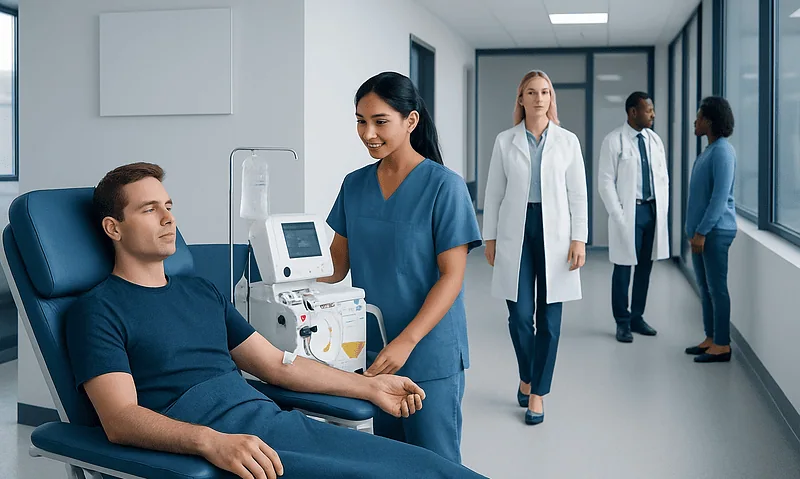
Music Therapy Internships: How It Works, Results and What to Expect
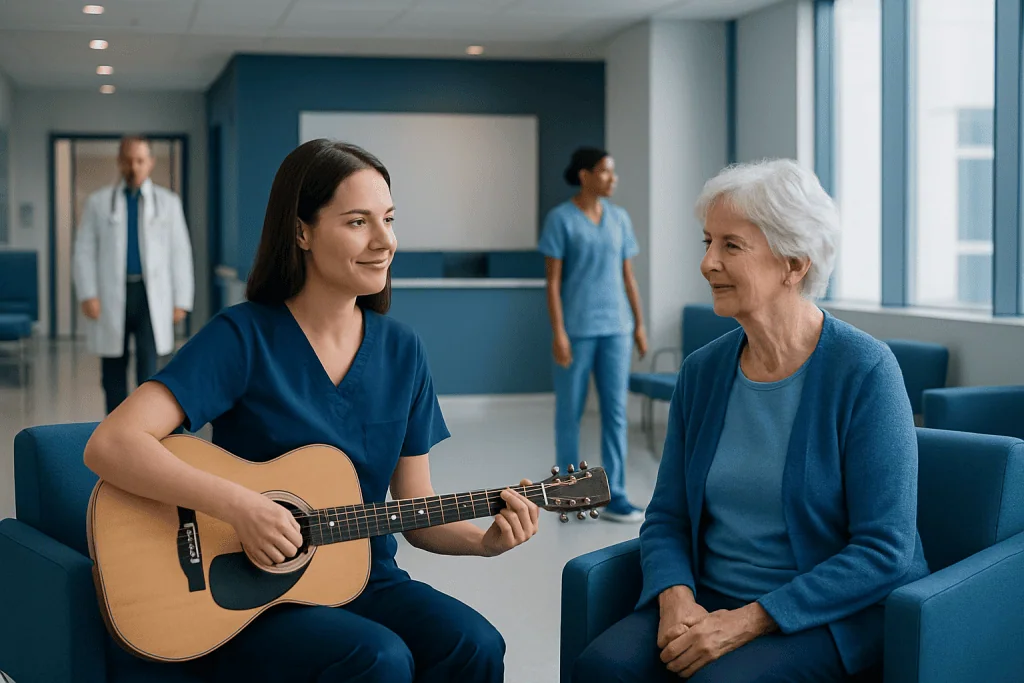
Music therapy internships are structured clinical training experiences, not treatment programs for patients. Many internships are completed after university coursework and usually require substantial supervised clinical hours.
Key Takeaways
- Music therapy internships are structured clinical training experiences, not treatment programs for patients.
- Many internships are completed after university coursework and usually require substantial supervised clinical hours.
- Payment varies by placement; some internships are paid, some offer stipends and others are unpaid.
- A rate of $30 per hour may be considered strong for an internship, but compensation should be weighed alongside supervision quality, eligibility and living costs.
- Interns work with qualified supervisors and may support people with developmental, neurological, mental health or rehabilitation needs.
- Patients should seek medical assessment for new, severe or worsening physical or mental health symptoms rather than relying on music-based activities alone.
Music therapy internships are supervised, full-time clinical training placements for students who have completed most academic and practical requirements in an approved music therapy program. They help future music therapists apply assessment, treatment planning and musical interventions safely with patients under professional supervision.
Overview: What Are Music Therapy Internships?
Music therapy internships are supervised clinical placements for students preparing to become professional music therapists. They are generally undertaken after a student has completed key university coursework and pre-internship practical experiences. The internship allows the student to use music-based therapeutic methods with real patients while receiving close guidance from an experienced, qualified music therapy professional.
Music therapy itself is a clinical and evidence-informed allied health profession. It uses music experiences, such as listening, singing, songwriting, instrument playing or movement to music, to support individual therapeutic goals. Depending on the setting, these goals may include communication, emotional expression, pain coping, participation in rehabilitation, social connection or cognitive engagement.
An internship does not mean that an intern works independently or replaces other members of a healthcare team. Their work is supervised, documented and tailored to the patient’s needs, care plan and consent. In hospitals and rehabilitation services, music therapy may complement medical, psychological and physical therapy care rather than replace it.
How Do Therapy Internships Work?
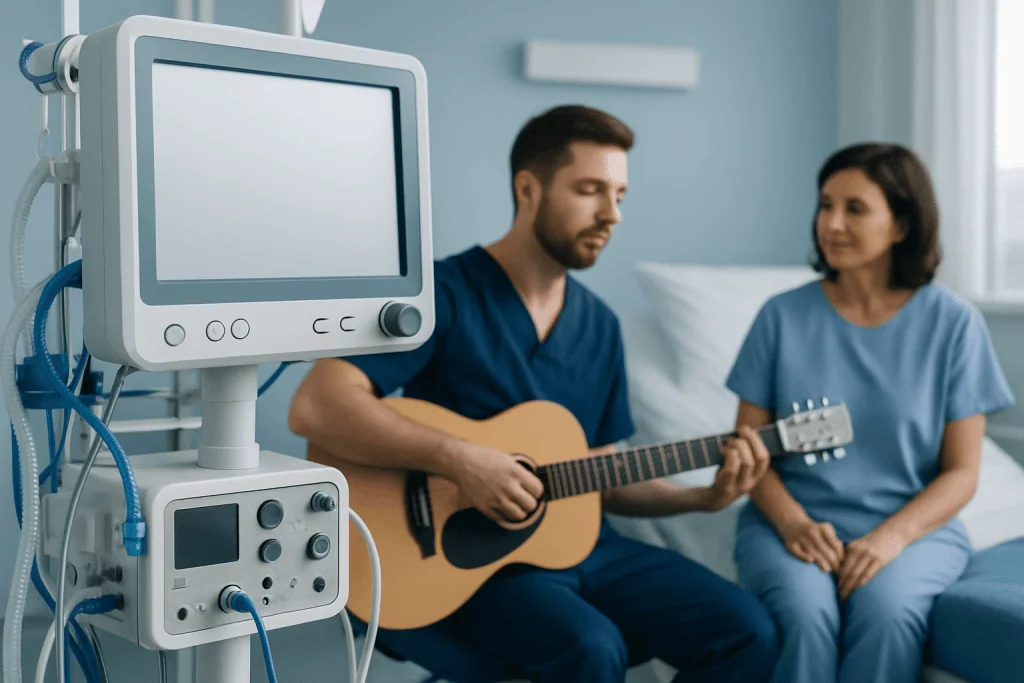
Therapy internships are practical learning placements in which trainees work within a clinical organization under supervision. In music therapy, placements may be located in hospitals, rehabilitation centers, schools, mental health services, hospices, community programs or long-term care settings. The structure depends on national regulations, the educational institution and the professional credentialing system where the placement takes place.
Before beginning, the student and internship site typically confirm learning objectives, supervision arrangements, patient safety requirements, documentation standards and evaluation methods. Students may observe sessions at first, then co-lead activities and gradually take greater responsibility as their supervisor confirms that they are ready. Supervisors review clinical decisions, provide feedback and remain responsible for appropriate oversight.
Interns commonly participate in team meetings and may communicate with physicians, nurses, psychologists, speech and language therapists, occupational therapists and rehabilitation specialists. This multidisciplinary approach is especially relevant when music therapy supports people living with conditions such as stroke, dementia, developmental differences or mental health concerns.
A high-quality placement prioritizes patient welfare and learning. It should provide regular supervision, clear policies for confidentiality and safeguarding, appropriate access to records when permitted, and opportunities to reflect on clinical work. Requirements vary internationally, so students should confirm the standards of their university and relevant professional association before accepting a placement.
Candidacy and Preparation for a Music Therapy Internship
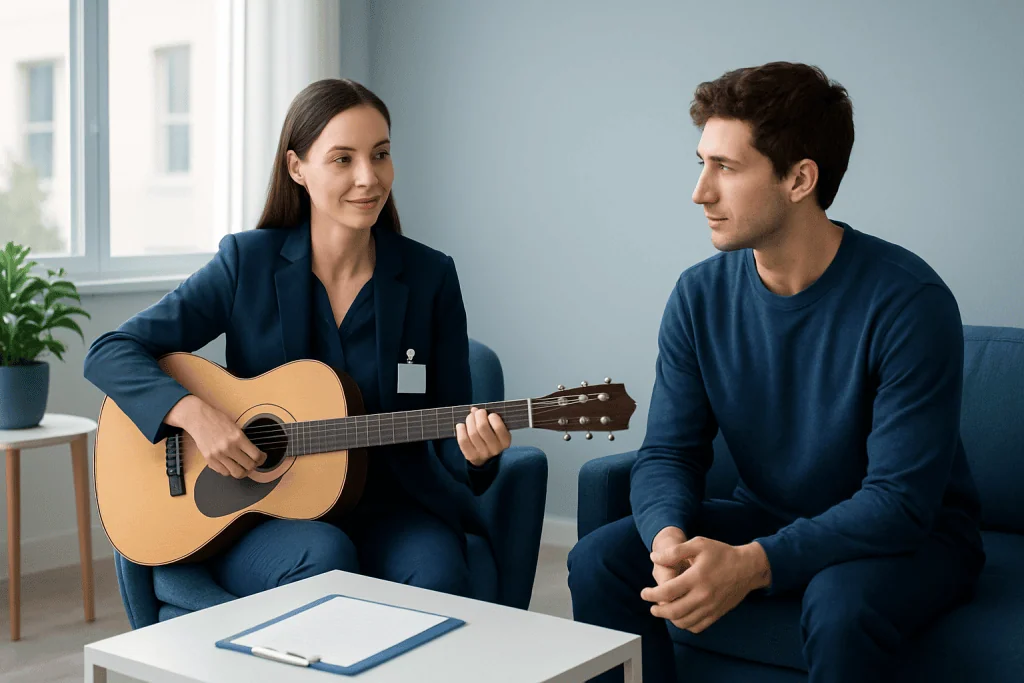
Music therapy internships are usually intended for students enrolled in, or graduating from, an approved music therapy education program. Eligibility often requires completed coursework in music, psychology, clinical foundations and therapeutic practice, as well as documented practical or practicum experience. Programs may also assess musical competence, communication skills, professional conduct and readiness to work with vulnerable people.
Applicants may need to provide immunization records, background checks, occupational health clearance, liability documentation and evidence of required training in topics such as infection prevention, privacy or safeguarding. Healthcare organizations commonly require these steps to protect patients, visitors and staff.
Students should look for placements that match their learning needs and career interests, while remaining open to working with different populations. A placement involving pediatric care, for example, has different demands from one based in neurological rehabilitation or palliative care. Personal music preferences are less important than the ability to adapt music safely, respectfully and responsively to each patient.
Music therapy is not appropriate as a substitute for assessment or treatment of urgent illness. A person experiencing persistent low mood, severe anxiety, functional decline, neurological symptoms or concerns about cognition should be assessed by a qualified healthcare professional. Music-based support may be considered as part of a broader care plan when clinically appropriate.
Step by Step: What Happens During the Internship?
Orientation and observation. The placement usually begins with orientation to the service, clinical policies, emergency procedures and patient population. Interns observe their supervisor and other professionals to understand how sessions are planned, delivered and recorded. They learn how consent, boundaries and confidentiality are managed in the specific setting.
Assessment and planning. With supervision, the intern may help gather information about a patient’s strengths, needs, preferences and treatment goals. This can include observing responses to music, discussing goals with the care team and selecting suitable interventions. A plan should be individualized; there is no single type of music or activity that is right for every person.
Supervised sessions. The intern may co-facilitate or lead individual and group sessions using methods appropriate to the patient’s goals and abilities. Examples include supported singing for communication, instrument playing for participation, songwriting for expression, or music listening for relaxation. The supervisor monitors safety, clinical reasoning and responsiveness to the patient.
Documentation, review and evaluation. After sessions, interns document observations and outcomes according to service standards. They discuss what went well and what could be improved during supervision. Progress is assessed over time, and the student completes formal evaluations required by the internship program.
How Many Hours Is a Music Therapy Internship?
The required number of hours for a music therapy internship depends on the country, educational pathway and credentialing body. In the United States, students pursuing board certification commonly complete a full-time clinical internship of approximately 1,000 hours after completing academic and pre-internship requirements. Some programs permit part-time arrangements, although these may take longer to finish.
A full-time placement often resembles a working schedule, commonly around 35 to 40 hours each week, but schedules differ by organization. Time may include direct patient contact, preparation, documentation, supervision, meetings, professional development and travel between services. Direct clinical hours are only one part of safe, accountable healthcare practice.
Students should ask each site how it defines internship hours, whether supervision time is included, how absence is managed and what completion documentation is provided. It is also sensible to clarify the expected start and end dates, workload, transportation needs and whether evening or weekend work is required.
Completing hours alone does not automatically establish professional eligibility. Students may still need to graduate, meet examination or credentialing requirements, and follow local licensing or employment rules. Requirements should always be verified with the relevant educational and professional authorities.
Are Music Therapy Internships Paid, and Is $30 an Hour Good?
Music therapy internships may be paid, unpaid or supported by a stipend, depending on the location and host organization. Payment is not a reliable indicator of placement quality. Some highly structured training placements do not offer wages, while others provide hourly pay, a fixed stipend, housing support or benefits. Employment and labor rules differ between countries and may affect what an internship can offer.
A rate of $30 per hour may be considered good compensation for an internship in many settings, particularly if the position also offers strong supervision and meaningful clinical experience. However, its value depends on the local cost of living, number of guaranteed hours, taxes, travel expenses, health coverage where relevant, and whether the role meets required credentialing standards.
Before accepting an offer, students should request written confirmation of pay arrangements, payment frequency, expected hours, duties, supervision, leave policies and any costs they must cover. They should also check whether a paid role meets their university’s internship approval requirements. A position that pays well but does not provide qualifying supervision may not support the student’s long-term professional goals.
- Ask whether compensation is hourly pay, a stipend or reimbursement.
- Confirm whether clinical supervision is provided by an appropriately qualified professional.
- Check whether the placement fulfills educational and credentialing requirements.
- Consider practical expenses, including accommodation, transport and professional insurance.
Benefits, Limits and Potential Challenges
The main benefit of a music therapy internship is the opportunity to turn academic learning into safe clinical practice. Interns build skills in therapeutic communication, assessment, adapting music to individual abilities, documentation, teamwork and ethical decision-making. They also gain a clearer understanding of the populations and settings in which they may wish to work after qualification.
For patients, supervised music therapy can offer an additional way to engage in care, express emotions and work toward agreed goals. It may be particularly valuable when verbal communication is difficult or when treatment plans benefit from meaningful, motivating activities. Results vary by person, diagnosis, setting and treatment goal; music therapy should not be presented as a cure for medical or psychological conditions.
Potential challenges include emotional demands, fatigue, performance anxiety, exposure to illness or grief, and learning to manage professional boundaries. Interns may also find it difficult to balance clinical responsibilities with reflection, academic tasks and personal wellbeing. Supportive supervision, realistic schedules and early discussion of concerns can reduce these pressures.
Some patients may find certain sounds, songs or group environments uncomfortable. Clinicians should monitor reactions and adapt or stop an activity if it causes distress, sensory overload, pain or agitation. Consent, cultural sensitivity and patient choice are central to ethical practice.
When to Seek Medical Care
Music and creative activities can support wellbeing, but they should not delay medical assessment. A person should seek prompt medical care for sudden weakness, facial drooping, speech difficulty, severe headache, chest pain, breathing difficulty, fainting, seizures, confusion or a major change in behavior. Emergency services should be contacted for symptoms that may indicate an urgent medical emergency.
A doctor or qualified mental health professional should also be consulted for persistent sadness, severe anxiety, thoughts of self-harm, marked memory changes, unexplained weight loss, ongoing pain or difficulty managing daily activities. Early assessment can identify treatable causes and guide appropriate support.
For people who may benefit from rehabilitative or supportive therapies, a healthcare team can advise whether music therapy may be helpful alongside treatment. Acibadem International’s multidisciplinary specialists and JCI-accredited hospitals diagnose and treat patients from around the world, including those who may need coordinated rehabilitation and supportive care.
Frequently asked questions
How do therapy internships work?
Therapy internships provide supervised practical experience after trainees have completed required coursework and earlier clinical preparation. The trainee observes, plans and delivers care gradually under guidance, while documenting work and receiving regular feedback. Requirements differ by profession, educational program and country.
Is $30 an hour good for an internship?
In many locations, $30 per hour is a competitive internship rate. Whether it is a good offer also depends on local living costs, guaranteed hours, taxes, travel needs and the quality of clinical supervision. Students should confirm that the placement meets their educational and professional requirements.
Are music therapy internships paid?
Some music therapy internships are paid, while others are unpaid or offer a stipend or practical support such as housing assistance. Compensation depends on the internship provider, region and employment rules. Students should obtain written details before accepting a placement.
How many hours is a music therapy internship?
The total varies by country and credentialing pathway. In the United States, a common pathway toward board certification includes approximately 1,000 hours of full-time supervised internship experience. Students should verify current requirements with their university and the relevant credentialing body.
What does a music therapy intern do?
A music therapy intern supports assessment, treatment planning, therapeutic sessions, documentation and team communication under supervision. They may use singing, listening, songwriting, movement or instrument playing to help patients work toward individualized goals. They do not practice independently beyond their training and supervision level.
Do patients need to be musical to receive music therapy?
No. Music therapy is adapted to the person’s abilities, preferences and therapeutic goals, and patients do not need prior musical training. Participation can include listening, choosing music, simple movement, vocalizing or discussing musical experiences.
References
- American Music Therapy Association
- Certification Board for Music Therapists
- World Federation of Music Therapy
- World Health Organization
- National Institute of Mental Health
This article is for general information only and is not a substitute for professional medical advice. Please consult a qualified doctor about your individual situation.
Explore treatments in Turkey — costs, top hospitals & a free quote
JCI-accredited · board-certified surgeons · reply within 24h
Add us as a Preferred Source to see more of our trusted health content across Google Search, AI Overviews and Discover.