Mycoplasma Pneumoniae: What Patients Need to Know

Mycoplasma pneumoniae is a bacterium that can infect the throat, airways, and lungs. It often causes a gradual illness with dry cough, sore throat, low-grade fever, and tiredness.
Key Takeaways
- Mycoplasma pneumoniae is a bacterium that can infect the throat, airways, and lungs.
- It often causes a gradual illness with dry cough, sore throat, low-grade fever, and tiredness.
- Many cases are mild, but some people develop pneumonia or complications that need evaluation.
- Diagnosis may involve a clinical exam, chest imaging, and selected lab tests depending on symptoms and severity.
- Treatment focuses on rest, fluids, symptom relief, and antibiotics when a doctor considers them appropriate.
- Medical advice is important for breathing difficulty, chest pain, dehydration, high fever, or worsening symptoms.
Mycoplasma pneumoniae is a common cause of respiratory infection, especially in school-aged children, teenagers, and younger adults. It often leads to a milder form of pneumonia called “walking pneumonia,” but symptoms can still be uncomfortable and sometimes require medical care.
Overview: what mycoplasma pneumoniae means
Mycoplasma pneumoniae is a type of bacteria that can cause infections of the respiratory tract, including the throat, windpipe, and lungs. It is best known for causing a relatively mild form of pneumonia often called “walking pneumonia,” meaning many people remain active even though they feel unwell. The illness usually develops gradually rather than suddenly.
Unlike some bacteria, mycoplasma pneumoniae has no typical cell wall. This affects how it behaves in the body and also influences which antibiotics may work. The infection spreads through respiratory droplets when an infected person coughs or sneezes, especially in households, schools, dormitories, and other places where people spend time in close contact.
Many infections are mild and may resemble a common cold or bronchitis at first. However, the cough can last for several weeks, which often leads people to seek medical advice. A doctor can help determine whether symptoms fit mycoplasma pneumoniae or another respiratory condition such as pneumonia.
Symptoms and how the illness may feel
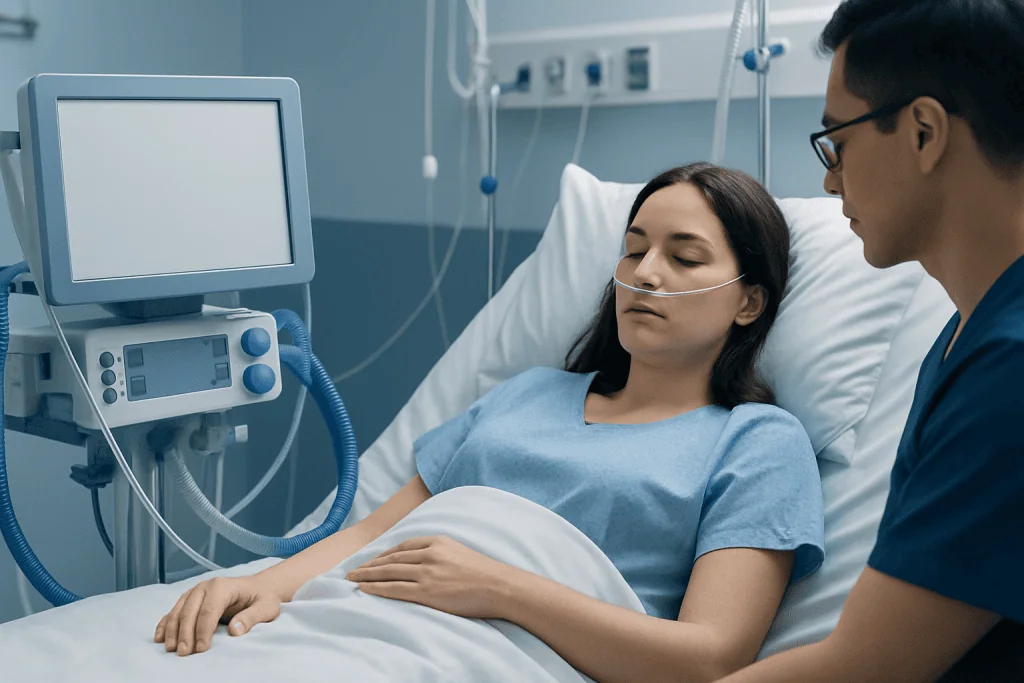
The symptoms of mycoplasma pneumoniae often begin slowly over several days. Early signs may include fatigue, headache, sore throat, hoarseness, and a low-grade fever. As the infection progresses, a persistent dry cough is common and may become the symptom that bothers patients most.
Some people also develop chest discomfort, chills, ear pain, nasal symptoms, or mild shortness of breath. In children, symptoms can vary and may include irritability, reduced appetite, or wheezing. Even when the illness is called “walking pneumonia,” it can still interfere with sleep, concentration, school, and daily routines.
Common symptoms may include:
- Dry or lingering cough
- Sore throat
- Low-grade fever
- Tiredness or weakness
- Headache
- Chest tightness or discomfort
- Mild shortness of breath
In many cases, symptoms improve gradually, but the cough can remain for weeks after the infection itself begins to settle. That lingering cough does not always mean the illness is getting worse, though ongoing or worsening symptoms should still be checked by a clinician.
Causes, spread, and who is at higher risk

Mycoplasma pneumoniae spreads mainly from person to person through droplets released into the air during coughing, sneezing, or close conversation. Because it often causes mild early symptoms, people may continue normal activities and unknowingly pass the infection to others before it is recognized.
School-aged children, teenagers, and adults under 40 are affected more often, but infection can occur at any age. Outbreaks are more likely in places where people live, study, or work close together. Families may notice that several people develop a similar persistent cough over a short period of time.
Certain factors may increase the chance of infection or complications:
- Close contact in households, schools, dormitories, or military settings
- Weakened immune system
- Chronic lung disease such as asthma or COPD
- Smoking or regular exposure to secondhand smoke
- Very young age or older age
Although most infections stay limited to the respiratory tract, mycoplasma pneumoniae can occasionally be linked with problems outside the lungs, such as skin rashes or ear infections. These are less common, but they help explain why the illness can look different from one person to another.
How doctors diagnose mycoplasma pneumoniae
Doctors usually begin with a medical history and physical examination. They ask about the pattern of cough, fever, exposure to sick contacts, and any breathing difficulty. During the exam, the lungs may sound normal or may have subtle changes, so diagnosis is often based on the full clinical picture rather than one finding alone.
If symptoms suggest pneumonia or the patient appears more unwell, a chest X-ray may be recommended. Imaging can help show whether the infection has reached the lungs and can also help distinguish it from other causes of cough, including viral infections. In some situations, doctors may also arrange a chest X-ray or more advanced thoracic CT imaging if the diagnosis is uncertain or symptoms are significant.
Lab testing is not needed for every mild case. When confirmation matters, clinicians may use molecular tests such as PCR on respiratory samples or blood tests that look for antibodies. Test choice depends on the patient’s age, symptoms, local practice, and whether the result is likely to change treatment decisions.
Because prolonged cough can have many causes, doctors may also consider other conditions such as viral bronchitis, influenza, COVID-19, asthma flare, or bronchitis. Careful assessment helps avoid unnecessary treatment and supports more appropriate follow-up.
Treatment options and expected recovery
Many people with mycoplasma pneumoniae recover well with supportive care, including rest, good fluid intake, and medicines that help ease fever or discomfort. A healthcare professional may also suggest steps to soothe the cough, although the cough can take time to improve even after the infection starts resolving.
Antibiotics may be prescribed when a doctor believes bacterial infection is likely or when pneumonia is confirmed or strongly suspected. Because mycoplasma pneumoniae lacks a normal cell wall, commonly used antibiotics such as penicillins are not effective against it. Clinicians instead choose from antibiotic groups that are active against this organism, based on age, medical history, pregnancy status, local resistance patterns, and individual risk factors.
Hospital care is uncommon in otherwise healthy people, but it may be needed if breathing becomes difficult, oxygen levels drop, or complications develop. Some patients require oxygen support, intravenous fluids, or closer monitoring. If imaging or symptoms raise concern, evaluation by a specialist in pulmonology care may be helpful.
Recovery times vary. Fever and general illness often improve within days to a couple of weeks, but the cough may linger longer. Patients should take antibiotics exactly as prescribed and contact their doctor if symptoms worsen, return after improving, or do not follow the expected course.
Self-care, prevention, and protecting others
Self-care at home can make recovery more comfortable. Drinking enough fluids, getting sleep, avoiding smoking, and limiting intense physical activity during the acute phase may help the body recover. Warm drinks, humidified air, and simple symptom-relief measures can also support comfort, though they do not treat the infection itself.
To reduce spread, it helps to cover coughs and sneezes, wash hands regularly, avoid sharing cups or utensils, and stay home when feeling feverish or acutely unwell. Good ventilation in indoor spaces can also lower the chance of transmission. These practical measures are especially important in households and schools where infections can pass from person to person more easily.
There is no routine vaccine specifically for mycoplasma pneumoniae. Prevention therefore focuses on limiting exposure and supporting general respiratory health. People with chronic lung conditions should continue their regular care plan, as well-managed underlying disease may reduce the impact of respiratory infections.
If symptoms are persistent or repeated respiratory infections are a concern, a doctor may look for contributing factors such as asthma, allergies, or environmental irritants. In some cases, structured evaluation through a general medical check-up can help identify why recovery is slower than expected.
When to seek medical care
Medical advice is appropriate if a cough lasts more than a few days and is paired with fever, increasing fatigue, chest discomfort, or shortness of breath. People who are pregnant, older, immunocompromised, or living with chronic heart or lung disease should be assessed earlier because they may be more vulnerable to complications.
Urgent medical attention is needed for warning signs such as trouble breathing, bluish lips, severe chest pain, confusion, inability to keep fluids down, signs of dehydration, or a high or persistent fever. Children should be seen promptly if they are breathing fast, seem unusually sleepy, are not drinking well, or have worsening wheezing.
Most cases are manageable, but evaluation matters when symptoms do not fit the typical mild pattern. Near the end of the care pathway, it may be reassuring to know that Acibadem International’s multidisciplinary specialists and JCI-accredited hospitals evaluate and treat respiratory infections for international patients when further assessment is needed.
Frequently asked questions
Is mycoplasma pneumoniae the same as pneumonia?
Mycoplasma pneumoniae is a bacterium, while pneumonia is an infection or inflammation of the lungs that can have different causes. This bacterium is one possible cause of pneumonia, often a milder type known as walking pneumonia.
How long does mycoplasma pneumoniae last?
The illness often starts gradually and may last for days to a few weeks. Even after fever and fatigue improve, the cough can continue for several weeks before fully settling.
Do all patients with mycoplasma pneumoniae need antibiotics?
Not always. A doctor decides based on symptoms, examination, age, risk factors, and whether pneumonia is suspected or confirmed. Supportive care is important in all cases, and antibiotics are used when they are likely to help.
Is mycoplasma pneumoniae contagious?
Yes. It spreads mainly through respiratory droplets when an infected person coughs, sneezes, or has close contact with others. Good hand hygiene and staying home when acutely unwell can help reduce spread.
Can adults get walking pneumonia, or is it mainly in children?
Adults can definitely get walking pneumonia. Although mycoplasma pneumoniae is common in school-aged children, teenagers, and young adults, infection can occur at any age.
What is the difference between mycoplasma pneumoniae and a viral cold?
A viral cold usually causes nasal symptoms and often improves within a shorter time. Mycoplasma pneumoniae more often causes a persistent dry cough, prolonged tiredness, and sometimes pneumonia, though the early symptoms can overlap.
This article is for general information only and is not a substitute for professional medical advice. Please consult a qualified doctor about your individual situation.
Pneumonia in Turkey — costs, top hospitals & a free quote
JCI-accredited · board-certified surgeons · reply within 24h
Add us as a Preferred Source to see more of our trusted health content across Google Search, AI Overviews and Discover.

More from the Health Library

New Epipen: An Evidence-Based Guide for Patients

Rotator Cuff Muscles: What Patients Need to Know

Broccoli Sprouts: A Complete Medical Overview

Black Spots on Testicles — Explained by Medical Evidence, Not Myths

Delirium Tremens: An Evidence-Based Guide for Patients