Myths About Neuromuscular Diseases: What Patients Often Get Wrong
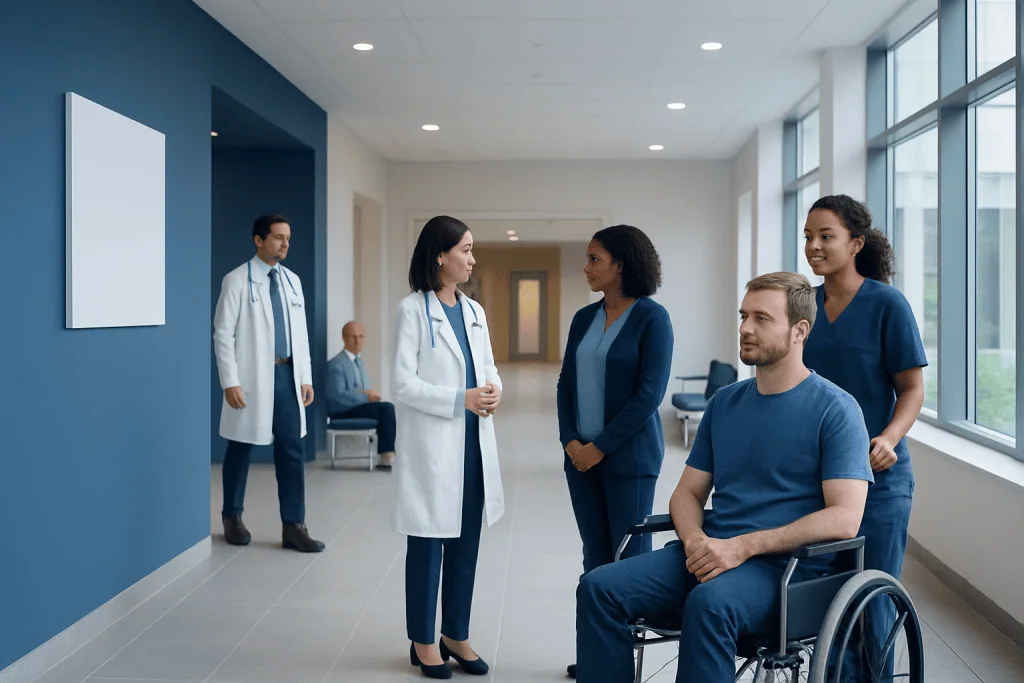
Neuromuscular diseases are a group of conditions, not a single illness. They do not affect only older adults and are not always inherited.
Key Takeaways
- Neuromuscular diseases are a group of conditions, not a single illness.
- They do not affect only older adults and are not always inherited.
- Weakness, fatigue, numbness, cramps, swallowing changes, or breathing problems should not be dismissed as normal aging or stress.
- Diagnosis often requires a neurological exam, blood tests, nerve and muscle studies, imaging, and sometimes genetic testing.
- Many neuromuscular diseases can be treated, monitored, or rehabilitated even when they cannot be fully cured.
- Early evaluation by a qualified specialist can improve symptom control, safety, and long-term planning.
Many people misunderstand neuromuscular diseases, which can lead to delayed diagnosis, unnecessary fear, or unrealistic expectations. Clear, evidence-based information helps patients and families recognize symptoms, ask the right questions, and understand what modern care can and cannot do.
Overview: Why Myths About Neuromuscular Diseases Matter
Neuromuscular diseases are conditions that affect the nerves controlling muscles, the connection between nerves and muscles, or the muscles themselves. They include a wide range of disorders, such as peripheral neuropathies, myasthenia gravis, muscular dystrophies, inflammatory muscle diseases, motor neuron diseases, and some inherited metabolic muscle conditions. Because the group is so broad, public understanding is often shaped by incomplete or outdated information.
Myths can create real problems. Some people ignore early symptoms because they believe weakness is just part of getting older. Others assume a diagnosis means immediate disability, while some think nothing can be done unless there is a cure. In reality, many neuromuscular conditions can be treated, monitored, or supported with medications, rehabilitation, respiratory care, nutrition guidance, and lifestyle adjustments.
Accurate information helps patients feel more prepared and less overwhelmed. It also encourages earlier medical assessment, which can be important for preserving strength, preventing complications, and finding the correct cause of symptoms. Understanding what is true and what is misunderstood is a practical first step in better care.
Common Myth 1: Neuromuscular Diseases Are All the Same
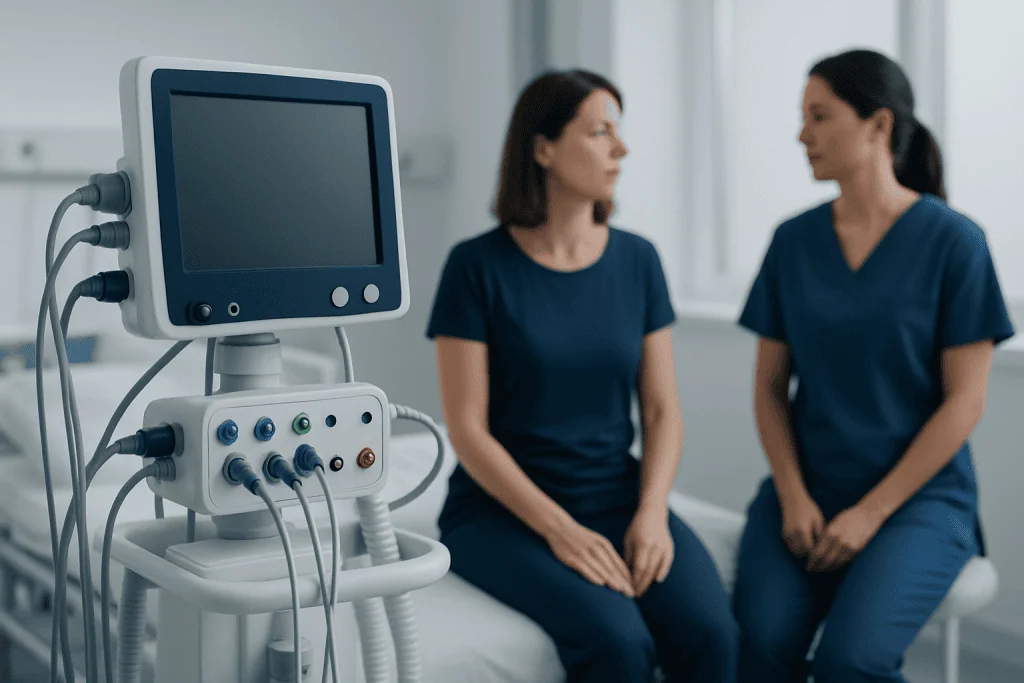
One of the most common misunderstandings is that all neuromuscular diseases behave in the same way. In fact, they differ greatly in cause, symptoms, speed of progression, age of onset, and treatment. Some mainly affect muscle strength in the hips and shoulders, while others affect eyelid movement, swallowing, sensation, balance, or breathing.
For example, a disease that affects the nerve-muscle junction may fluctuate during the day, while an inherited muscle disorder may progress slowly over many years. A neuropathy may cause numbness and burning pain in the feet, whereas a myopathy may cause difficulty climbing stairs or lifting the arms. Conditions such as myasthenia gravis and muscular dystrophy are both neuromuscular disorders, but they are not the same disease and do not require the same treatment approach.
This is why self-diagnosis can be misleading. Two people may both describe “weakness,” but one may have muscle disease, another may have a nerve disorder, and another may have a non-neuromuscular cause such as thyroid disease, vitamin deficiency, or medication side effects. A careful medical evaluation is needed to understand what is happening.
Common Myths 2 and 3: They Only Affect Older Adults or Are Always Inherited

Neuromuscular diseases can affect people at many stages of life. Some begin in infancy or childhood, some appear in young adulthood, and others develop later in life. Age can influence which conditions are more likely, but no age group is completely excluded. Children, teenagers, adults, and older people can all develop neuromuscular symptoms that deserve attention.
It is also a myth that these diseases are always inherited. Some are genetic, but others are autoimmune, inflammatory, infectious, toxic, metabolic, or idiopathic, meaning the exact cause is not fully known. For instance, an acquired condition may develop when the immune system mistakenly attacks parts of the nerve or muscle, while another may be related to diabetes, kidney disease, alcohol use, certain medications, or nutritional deficiencies.
Family history can be very important, but the absence of family history does not rule out a neuromuscular disease. Some genetic conditions arise from new mutations, and some acquired conditions occur without any inherited component. When a hereditary disorder is suspected, the doctor may discuss genetic counseling and, if appropriate, specialized testing.
Common Myths 4 and 5: Symptoms Are Just Fatigue, Stress, or Normal Aging
Many patients delay seeking help because they assume symptoms such as tiredness, muscle cramps, clumsiness, or walking changes are harmless. While everyday fatigue is common, persistent or progressive weakness should not be ignored. True muscle weakness often shows up as difficulty climbing stairs, rising from a chair, lifting objects, buttoning clothes, holding up the head, or keeping the eyelids open.
Neuromuscular diseases can also cause symptoms beyond weakness. Depending on the condition, a person may notice numbness, tingling, muscle twitching, cramps, muscle wasting, double vision, slurred speech, swallowing difficulty, shortness of breath, poor balance, or exercise intolerance. Symptoms may come on gradually or suddenly, and some conditions fluctuate throughout the day.
Stress can worsen how symptoms feel, but it does not explain every neurological complaint. Aging may bring reduced stamina, but it should not cause rapidly changing vision, repeated falls, severe swallowing problems, or new breathing weakness. The following symptoms deserve medical attention, especially if they are new, progressive, or affecting daily function:
- Repeated falls or trouble walking
- Difficulty lifting the arms or standing up
- Drooping eyelids or double vision
- Problems chewing or swallowing
- Shortness of breath, especially when lying down
- Numbness, burning pain, or loss of hand dexterity
- Noticeable muscle wasting or persistent twitching
Common Myths 6 and 7: Diagnosis Is Simple or Nothing Can Be Done
Diagnosis is rarely based on one symptom alone. Neuromuscular evaluation usually starts with a detailed medical history and neurological examination. The doctor looks at the pattern of weakness, reflexes, sensation, muscle tone, coordination, breathing symptoms, and possible triggers such as recent infections, medication exposure, or family history.
Further testing may include blood tests, nerve conduction studies, electromyography, MRI, pulmonary function tests, muscle MRI, genetic testing, and sometimes muscle or nerve biopsy. These tests help clarify whether the problem is in the nerve, muscle, neuromuscular junction, or a different body system. In some cases, doctors may also evaluate for related conditions such as peripheral neuropathy or inflammatory disorders.
Another harmful myth is that treatment is pointless unless there is a complete cure. While not every neuromuscular disease can be cured, many can be treated or managed effectively. Treatment may reduce symptoms, slow progression, prevent complications, support breathing and swallowing, preserve mobility, and improve independence. Even when a condition is chronic, structured follow-up can make a meaningful difference in daily life.
What Modern Treatment and Support Can Include
Treatment depends on the exact diagnosis. Some conditions respond to immune-based therapies, while others are managed with symptom-targeted medications, rehabilitation, nutritional support, assistive devices, or respiratory monitoring. For some patients, care involves a combination of neurologists, physiatrists, physical therapists, speech and swallowing specialists, pulmonologists, cardiologists, pain specialists, and genetic counselors.
Supportive care is not secondary care. It is a core part of treatment for many neuromuscular diseases. A person may benefit from physical therapy and rehabilitation to maintain mobility and safety, respiratory therapy if breathing muscles are affected, or genetic testing when an inherited condition is suspected. Swallowing therapy, nutrition planning, orthotics, mobility aids, and energy-conservation strategies may also improve quality of life.
Because these conditions vary so much, treatment plans should be individualized. What helps one patient may not help another. Regular follow-up is important because needs can change over time, and new symptoms may require updated testing or adjustments in care.
Self-care, Prevention of Complications, and Daily Living
Not all neuromuscular diseases can be prevented, especially inherited disorders. However, many people can reduce complications and protect function through regular care and healthy daily habits. Following the treatment plan, keeping follow-up visits, and reporting changes early are practical ways to stay safer and more comfortable.
Self-care often focuses on balancing activity with rest. Overexertion can worsen weakness in some conditions, while too little movement may lead to deconditioning and stiffness. A clinician or therapist can advise on safe exercise, stretching, fall prevention, and the use of braces or supportive devices when needed. Good nutrition, adequate hydration, sleep, vaccination when medically appropriate, and careful medication review are also important.
Patients should not start supplements, intense exercise programs, or restrictive diets without medical guidance. Some substances can interact with treatment or aggravate symptoms. Emotional well-being matters too: chronic symptoms can affect confidence, work, school, and relationships, so psychological support and patient education may be helpful parts of care.
When to See a Doctor
A medical review is appropriate when muscle weakness, numbness, gait changes, swallowing difficulty, or unexplained fatigue persists or worsens. A person should also seek evaluation if symptoms interfere with work, self-care, exercise, sleep, or safety at home. Early assessment can help identify reversible causes and avoid preventable complications.
Urgent medical attention is needed for severe shortness of breath, choking, rapidly progressing weakness, sudden inability to walk, or major swallowing problems. These symptoms can signal conditions that need prompt treatment and monitoring. It is also important to seek advice if there are new side effects after starting a medicine, because some drugs can affect nerves or muscles.
Patients who already have a diagnosis should keep regular follow-up even when symptoms seem stable. Neuromuscular diseases can change over time, and breathing, heart function, mobility, or nutrition may need periodic reassessment. Near the end of the care journey, some people may choose evaluation at specialized centers; Acibadem International’s multidisciplinary specialists in JCI-accredited hospitals diagnose and treat neuromuscular conditions for international patients when expert assessment is needed.
Frequently asked questions
Are neuromuscular diseases always fatal?
No. Neuromuscular diseases are a large group of conditions, and outcomes vary widely depending on the diagnosis, severity, and response to treatment. Many people live for years with careful monitoring, rehabilitation, symptom management, and supportive care.
Is muscle weakness always a sign of a neuromuscular disease?
No. Weakness can also be caused by medication side effects, endocrine problems, vitamin deficiencies, infections, joint disease, heart or lung conditions, and general deconditioning. However, persistent or progressive weakness should be assessed by a qualified doctor.
If no one in the family has a neuromuscular disorder, can it still happen?
Yes. Some neuromuscular diseases are inherited, but others are acquired and may be autoimmune, inflammatory, metabolic, toxic, or related to other medical conditions. Even some genetic disorders can appear without a known family history.
Can exercise cure a neuromuscular disease?
Exercise does not cure neuromuscular disease, but the right type of activity may help maintain mobility, flexibility, endurance, and overall health. Because some conditions worsen with overexertion, exercise plans should be guided by a clinician or therapist.
Do neuromuscular diseases only affect muscles?
No. They may affect nerves, the nerve-muscle junction, or muscles, and symptoms can involve sensation, swallowing, breathing, eye movements, balance, and fatigue as well as strength. The exact pattern depends on the underlying condition.
Why can diagnosis take time?
Diagnosis can take time because several different disorders may cause similar symptoms, and doctors often need to determine whether the main problem is in the nerve, muscle, or neuromuscular junction. A careful history, examination, and targeted testing help make the diagnosis more accurate.
References
- World Health Organization
- National Institute of Neurological Disorders and Stroke
- National Institute of Arthritis and Musculoskeletal and Skin Diseases
- Muscular Dystrophy Association
- American Academy of Neurology
This article is for general information only and is not a substitute for professional medical advice. Please consult a qualified doctor about your individual situation.
Neuromuscular Diseases in Turkey — costs, top hospitals & a free quote
JCI-accredited · board-certified surgeons · reply within 24h
Add us as a Preferred Source to see more of our trusted health content across Google Search, AI Overviews and Discover.

Physical Medicine & Rehabilitation
Restoring movement and function after injury, surgery or neurological conditions.
152 specialists in this unit