Nail Changes From Chemotherapy: How It Works, Results and What to Expect
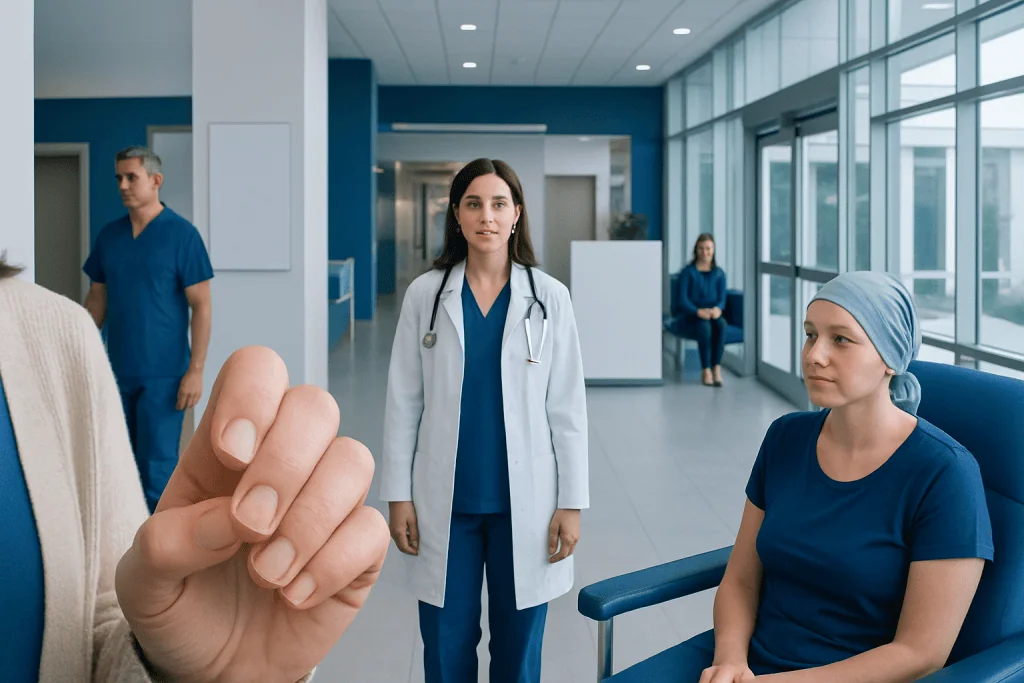
Chemotherapy can affect the nail-forming cells beneath the cuticle, leading to visible changes as the nail grows. Most chemotherapy-related nail changes improve after treatment ends, although fingernails may take months to fully grow out.
Key Takeaways
- Chemotherapy can affect the nail-forming cells beneath the cuticle, leading to visible changes as the nail grows.
- Most chemotherapy-related nail changes improve after treatment ends, although fingernails may take months to fully grow out.
- Keeping nails short, protected, clean, and moisturized can reduce discomfort and lower the chance of injury or infection.
- Pain, redness, warmth, pus, fever, or a nail that is lifting significantly should be assessed promptly by the oncology team.
- Nail appearance alone does not show whether chemotherapy is working; scans, examinations, and laboratory tests provide more reliable information.
Nail changes from chemotherapy can include discoloration, grooves, brittleness, slowed growth, tenderness, and partial nail lifting. These effects are often temporary, but recovery depends on the medicines used, treatment duration, overall health, and how quickly the nails grow.
Overview: What Nail Changes From Chemotherapy Mean
Nail changes from chemotherapy occur because some cancer medicines affect rapidly dividing cells. Although chemotherapy is designed to target cancer cells, it can also temporarily affect healthy cells involved in nail growth. The result may be changes in the color, strength, shape, growth rate, or attachment of fingernails and toenails.
Possible changes include dark or white lines, horizontal grooves, increased brittleness, splitting, thickening, tenderness around the nails, or nails that loosen from the nail bed. Not everyone receiving chemotherapy develops these effects, and the pattern varies according to the treatment regimen, other medicines, and individual factors.
For many people, these changes are mainly cosmetic and gradually improve after chemotherapy. However, nails can sometimes become painful or create an opening for infection, particularly when immune defenses are reduced. Reporting new nail symptoms to the cancer care team helps ensure that problems are managed early and safely.
How Chemotherapy Affects Nail Growth
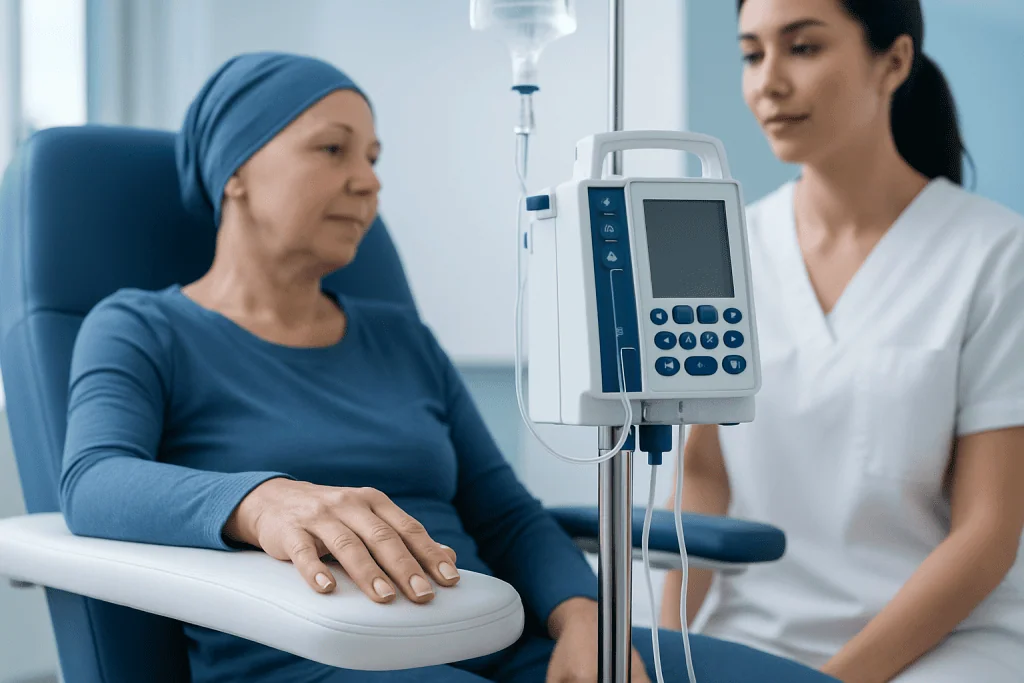
The visible nail plate is made of keratin and does not contain living cells. It is produced by the nail matrix, a growth area located under the skin at the base of each nail. When chemotherapy temporarily disrupts the matrix, the changes appear gradually as the affected portion of nail grows forward.
Some medicines may cause pigment changes, producing brown, gray, or dark bands in the nail. Others may interrupt nail production for a period of time, leaving transverse grooves known as Beau’s lines. Nails may also become dry, fragile, slow-growing, or more likely to split.
Certain treatments can irritate the skin and tissues around the nail or weaken the attachment between the nail plate and nail bed. This can cause onycholysis, in which part of the nail lifts away from the skin beneath it. The oncology team can explain whether a specific regimen is known to affect the nails and how it may be monitored during care.
Who May Develop Chemo Nail Changes?
Anyone receiving systemic cancer treatment may experience nail effects, but the likelihood and severity differ substantially. Nail changes are influenced by the type of chemotherapy, the dose and schedule, the length of treatment, and whether chemotherapy is combined with targeted therapy, immunotherapy, radiation, or other medicines.
People with pre-existing nail disease, circulation problems, diabetes, skin conditions, nutritional challenges, or prior trauma to the nails may have additional vulnerability. Repeated exposure to water, cleaning products, manual work, tight footwear, or manicures that damage the cuticle can also worsen nail fragility during treatment.
It is important not to stop, delay, or change cancer treatment because of a nail change without speaking to the prescribing oncology team. In some situations, supportive care, assessment for infection, or an adjustment to treatment may be appropriate. Decisions about cancer therapy should always balance side effects with the planned benefits of treatment.
What to Expect During Treatment and Follow-Up
Nail changes often do not appear immediately after the first treatment. Because nails grow slowly, a groove, color change, or fragile area may become noticeable weeks later. Fingernails usually grow faster than toenails, so changes in the hands may appear and resolve sooner than those in the feet.
At routine oncology appointments, patients can mention any discomfort, nail separation, bleeding, drainage, or skin changes around the nails. A clinician may examine the nails and surrounding skin, review medicines, and determine whether there are signs of infection, an inflammatory reaction, or another condition such as fungal nail disease.
If a nail becomes loose, it should not be pulled off. Keeping it trimmed if safely possible and protecting it from catching may help. If removal of a severely detached nail is necessary, this should be guided by a qualified clinician, especially during chemotherapy when blood counts or healing capacity may be affected.
Cancer care often involves coordinated planning among oncology, dermatology, nursing, nutrition, and supportive-care professionals. Cancer treatment planning can include discussion of side effects and practical strategies that support comfort and daily activities throughout therapy.
Benefits, Risks, and Everyday Nail Care
Thoughtful nail care cannot always prevent chemotherapy-related changes, but it can reduce trauma and make nails more comfortable to manage. Keep nails short with smooth edges, use a gentle file rather than aggressive trimming, and wear gloves for household cleaning, gardening, or tasks involving water and chemicals.
Moisturizing the hands, feet, cuticles, and nail folds regularly may reduce dryness and cracking. A bland fragrance-free cream or ointment is often suitable. Avoid cutting cuticles, artificial nails, harsh nail products, and salon procedures that could cause small skin injuries or expose the nails to infection.
Comfortable shoes with adequate toe space help protect toenails. If polish is used, it should be removed gently and discontinued if the nails become painful, brittle, or discolored. People should ask their oncology team before using supplements, antifungal products, or herbal remedies, as these may not be necessary and can sometimes interact with treatment.
The main benefit of supportive care is prevention of avoidable injury and earlier recognition of complications. The main risk of ignoring a painful, red, swollen, or draining nail area is that a local infection could worsen, particularly in someone with low white blood cell counts.
How Long Does It Take for Chemo Nails to Heal?
Chemo nails usually improve after chemotherapy ends, but the damaged portion must grow out. Fingernails commonly need several months to be replaced from base to tip, while toenails often need a year or longer. Recovery can take longer if treatment continues, if the nail lifted from its bed, or if there is infection or another nail condition.
A horizontal groove or discolored band may gradually move toward the nail tip as new, healthier nail grows from the base. The appearance can be uneven during this transition, but this does not necessarily mean that permanent damage has occurred.
If nails are not improving after treatment, or if they become increasingly thick, painful, yellow, detached, or inflamed, a doctor may look for another cause. Fungal infection, psoriasis, trauma, and medication effects unrelated to chemotherapy can sometimes resemble one another.
How to Repair Fingernails After Chemo?
There is no immediate way to restore the part of a nail that was formed during chemotherapy. Repair mainly means protecting the nail while new nail grows in. Gentle trimming, regular moisturizing, avoiding nail trauma, and protecting hands from repeated wet work can help prevent splitting and catching.
A balanced diet that provides sufficient protein, calories, vitamins, and minerals supports general tissue recovery, but supplements should not be started solely for nail changes without professional advice. High-dose vitamins or supplements are not proven to rapidly reverse chemotherapy-related nail effects and may not be suitable during active cancer care.
If the skin around the nails is sore, cracked, or inflamed, the oncology team may recommend specific skin care or refer to a dermatologist. Do not use over-the-counter treatments for suspected infection without discussing them with the care team, particularly during periods of low immunity.
Does Chemo Permanently Damage Nails?
In most cases, chemotherapy does not permanently damage nails. Once the medication is stopped and the nail matrix recovers, a healthier nail can grow out. Temporary changes may remain visible until the affected nail has been completely replaced.
Less commonly, severe inflammation, repeated infection, major nail-bed injury, or a strong reaction to a particular medicine can lead to longer-lasting changes in nail shape, thickness, or attachment. Persistent problems deserve medical assessment rather than assuming they are an expected part of recovery.
People who receive targeted cancer medicines may develop nail-fold inflammation or nail changes that require ongoing supportive care. An individualized review can help distinguish a medication side effect from a separate dermatologic condition and identify the most appropriate management approach.
What Are Good Signs That Chemo Is Working?
Nail changes are not a reliable sign that chemotherapy is working. Side effects show that the body has been exposed to treatment, but they do not measure whether a tumor is shrinking or whether cancer cells are responding as intended. Some people have significant side effects and limited response, while others respond well with few noticeable side effects.
The oncology team evaluates treatment response using the most appropriate methods for the cancer type and treatment goal. These may include symptom changes, physical examinations, blood tests, tumor markers when relevant, and imaging studies such as CT, MRI, PET, or ultrasound scans.
Questions about response are an important part of follow-up care. Patients can ask when response will be assessed, which tests will be used, and what the results may mean for the next stage of treatment. Cancer care is individualized, so the timing and meaning of monitoring results differ between people.
When to Seek Medical Care
Patients should contact their oncology team promptly if a nail or surrounding skin becomes increasingly painful, red, warm, swollen, or produces pus or fluid. Urgent advice is especially important if these symptoms occur with fever, chills, feeling unwell, or during a period when the care team has said white blood cell counts may be low.
Medical review is also appropriate for a nail that is lifting substantially, bleeding, turning black after an injury, or interfering with walking, using the hands, or sleeping. A clinician can assess whether protection, infection treatment, dermatology input, or other care is needed.
Acibadem International’s multidisciplinary specialists and JCI-accredited hospitals support international patients receiving cancer treatment, including assessment and management of treatment-related skin and nail concerns. Patients should seek care from their treating oncology team or another qualified clinician rather than attempting to remove loose nails or treat suspected infections at home.
Frequently asked questions
Can chemotherapy cause ridges or lines in the nails?
Yes. Chemotherapy can temporarily interrupt nail growth in the nail matrix, producing horizontal grooves or ridges called Beau's lines. These marks usually move outward as the nail grows and can eventually be trimmed away.
Why are my nails turning dark during chemotherapy?
Some chemotherapy medicines can increase pigment in the nail, causing dark bands or more general darkening. This can be a treatment-related effect, but new or unusual pigment changes should still be shown to the oncology team so they can be assessed in context.
Should I have manicures or pedicures during chemotherapy?
It is generally safest to avoid cuticle cutting, aggressive filing, artificial nails, and procedures that may injure the skin around the nails. If considering a manicure or pedicure, patients should first ask their oncology team, particularly if blood counts are low or there is any redness, broken skin, or nail lifting.
Can I use nail polish while receiving chemotherapy?
Some people can use gentle nail polish if their nails and surrounding skin are healthy, but it may be better to avoid polish if nails are brittle, sore, lifting, or discolored. Strong removers and products that dry the nails should be used cautiously, and the care team can provide individualized advice.
What should I do if a nail falls off during chemotherapy?
Do not pull off a loose nail. Keep the area clean, protect it with a non-stick dressing if needed, and contact the oncology team for advice, especially if there is pain, bleeding, drainage, redness, or fever. A new nail may grow, but the timeline depends on the extent of injury and the treatment being received.
Are toenail changes from chemotherapy different from fingernail changes?
The types of changes can be similar, including brittleness, discoloration, grooves, thickening, and lifting. Toenails grow more slowly and are exposed to pressure from shoes, so they may take longer to recover and may need extra protection through well-fitting footwear.
References
- American Cancer Society
- National Cancer Institute
- Cancer Research UK
- American Academy of Dermatology
- Macmillan Cancer Support
This article is for general information only and is not a substitute for professional medical advice. Please consult a qualified doctor about your individual situation.
Chemotherapy in Turkey — costs, top hospitals & a free quote
JCI-accredited · board-certified surgeons · reply within 24h
Add us as a Preferred Source to see more of our trusted health content across Google Search, AI Overviews and Discover.

Medical Oncology Department
Medical treatment of cancer with chemotherapy, immunotherapy and targeted therapies under a multidisciplinary tumor board.
60 specialists in this unitMore from the Health Library



Related Specialists

Embriyolog Burcu Aksu Türan
Vitro Fertilization and Reproductive Medicine Center
Dr. Dilşat Çamlı
Radiology
Dr. Mehmet Severcan
Aesthetic Plastic & Reconstructive Surgery
Dr. Evrim Başak Tanır
Pediatrics