Narcolepsy in Adults: How Doctors Confirm the Diagnosis

Narcolepsy is more than feeling tired; it is a neurologic sleep-wake disorder. Diagnosis usually involves a detailed history, an overnight sleep study, and a multiple sleep latency test.
Key Takeaways
- Narcolepsy is more than feeling tired; it is a neurologic sleep-wake disorder.
- Diagnosis usually involves a detailed history, an overnight sleep study, and a multiple sleep latency test.
- Doctors also look for related symptoms such as cataplexy, sleep paralysis, and vivid dream-like hallucinations.
- Other causes of sleepiness, including sleep deprivation, sleep apnea, and medication effects, must be ruled out.
- Treatment can improve daily function and safety, but diagnosis should be made by a qualified sleep specialist.
Narcolepsy in adults is a long-term sleep disorder that can cause overwhelming daytime sleepiness and sudden sleep episodes. Doctors confirm the diagnosis by combining symptom history with specialized sleep testing and by excluding other conditions that can look similar.
Overview
Narcolepsy in adults is a chronic neurologic disorder that affects the brain’s ability to regulate sleep and wakefulness. People with narcolepsy may feel excessively sleepy during the day even after a full night in bed. This sleepiness can be strong enough to cause unintended naps or sudden sleep episodes during routine activities such as reading, working, or sitting quietly.
Although narcolepsy is often thought of simply as “falling asleep suddenly,” the condition is more complex. Some adults also have cataplexy, which is a brief loss of muscle tone triggered by emotions such as laughter, surprise, or excitement. Others may experience sleep paralysis or vivid dream-like experiences when falling asleep or waking up.
Doctors usually classify narcolepsy into two main types: narcolepsy type 1, which includes cataplexy or specific laboratory findings, and narcolepsy type 2, which does not include cataplexy. Confirming the diagnosis matters because many other sleep and medical conditions can cause similar symptoms, and treatment plans differ depending on the cause.
Symptoms of Narcolepsy in Adults
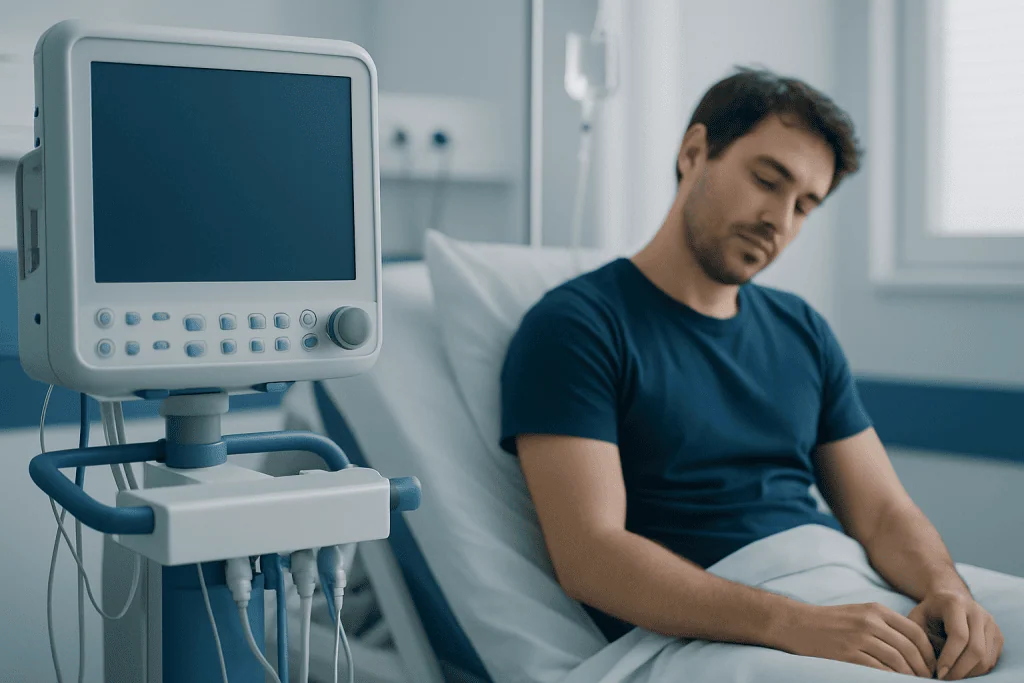
The main symptom of narcolepsy in adults is excessive daytime sleepiness. This is more than ordinary fatigue. A person may feel an ongoing need to sleep, struggle to stay alert, or doze off despite trying to remain awake. These episodes can interfere with work, learning, driving, and social life.
Some adults also have cataplexy. During cataplexy, muscles may suddenly weaken while the person remains conscious. This can range from a slight drooping of the eyelids or jaw to buckling knees or a brief collapse. Because these events can be subtle, many people do not recognize them as a medical symptom at first.
Other common symptoms may include sleep paralysis, fragmented nighttime sleep, and vivid hallucinations when falling asleep or waking. Concentration problems, memory difficulties, and “automatic behaviors,” in which a person continues an activity with little awareness, may also occur. Since symptoms can overlap with sleep apnea and other sleep disorders, doctors rely on careful evaluation rather than symptoms alone.
- Overwhelming daytime sleepiness
- Unplanned naps or sleep attacks
- Cataplexy triggered by emotion
- Sleep paralysis
- Vivid dream-like hallucinations at sleep onset or awakening
- Broken or restless nighttime sleep
Causes and Risk Factors

Narcolepsy develops because the brain’s sleep-wake regulation is disrupted. In narcolepsy type 1, many patients have a loss of brain cells that produce hypocretin, also called orexin, a chemical involved in maintaining wakefulness and stable transitions between sleep and wake. Why this happens is not fully understood, but immune-related mechanisms are thought to play an important role in some cases.
Family history can slightly increase risk, but most adults with narcolepsy do not have a close relative with the condition. In some people, symptoms appear after infections, major stress, or other triggers, though this does not mean those events directly caused the disorder. Brain injury or rare neurologic diseases can also sometimes lead to secondary narcolepsy-like symptoms.
Narcolepsy often begins in adolescence or young adulthood, but some people are not diagnosed until much later. Delayed diagnosis is common because symptoms may be mistaken for poor sleep habits, depression, epilepsy, medication side effects, or simple exhaustion. Conditions such as insomnia can also coexist and make the overall picture harder to recognize.
How Doctors Confirm the Diagnosis
Doctors diagnose narcolepsy in adults by combining a detailed clinical history with objective sleep testing. The first step is usually a careful discussion of symptoms, when they started, what makes them better or worse, and how they affect daily life. The doctor may ask about naps, dream-like experiences, episodes of muscle weakness, work schedules, medications, alcohol use, and family history. A sleep diary or actigraphy, a wearable device that tracks sleep patterns, may also be used for one to two weeks before formal testing.
An overnight sleep study, called polysomnography, is commonly performed first. This test records brain activity, breathing, heart rhythm, oxygen levels, eye movements, and muscle activity during sleep. It helps identify other causes of daytime sleepiness, especially overnight polysomnography for conditions such as sleep apnea, periodic limb movement disorder, or severe sleep disruption.
The next-day multiple sleep latency test, or MSLT, is a key tool for confirming narcolepsy. During this test, the person is given several scheduled chances to nap during the day while brain and eye activity are monitored. Doctors measure how quickly sleep begins and whether rapid eye movement sleep appears unusually early. Short sleep latency with sleep-onset REM periods strongly supports narcolepsy when interpreted in the right clinical setting.
In selected cases, additional testing may be needed. This can include blood tests to rule out other problems, cerebrospinal fluid hypocretin measurement, or further neurologic evaluation. The diagnosis is not based on a single symptom or one test alone; it depends on the full pattern of symptoms, the test results, and exclusion of other explanations. In specialist centers, testing may be part of a broader neurology consultation when symptoms overlap with other neurologic conditions.
Conditions That Can Mimic Narcolepsy
Many disorders can cause significant daytime sleepiness, so doctors must make sure narcolepsy is the correct diagnosis. Chronic sleep deprivation is one of the most common reasons adults feel excessively sleepy. Shift work, irregular schedules, and poor sleep habits may all produce symptoms that resemble a sleep disorder.
Obstructive sleep apnea is another important possibility. In this condition, breathing repeatedly pauses during sleep, leading to poor sleep quality and daytime fatigue. Mood disorders, thyroid problems, medication effects, alcohol use, and substance use can also contribute to sleepiness or concentration problems.
Some neurologic and psychiatric conditions may be mistaken for narcolepsy, especially if the person has unusual spells, collapses, or vivid sensory experiences. For this reason, the doctor may consider seizure disorders, fainting episodes, depression, or other sleep-wake disorders before making a final diagnosis. If symptoms are complex, a patient may also benefit from specialist sleep medicine evaluation to clarify the cause and plan treatment appropriately.
Treatment Options After Diagnosis
Once narcolepsy in adults is confirmed, treatment focuses on symptom control, safety, and quality of life. There is no single cure, but many people improve with a structured plan. Treatment commonly includes medications to reduce daytime sleepiness and, when needed, medicines that help control cataplexy or disturbed nighttime sleep. The exact choice depends on symptom pattern, age, other health conditions, and potential side effects.
Lifestyle strategies are also important. Scheduled short naps, a regular sleep-wake routine, and good sleep hygiene can make symptoms easier to manage. Some people benefit from adjusting work or study schedules to match times when they are most alert. Avoiding alcohol and discussing medication timing with a doctor may help reduce sleep disruption.
Safety planning is a key part of care. Adults should discuss driving, operating machinery, and work-related risks with their doctor, especially if sleep attacks are unpredictable or treatment is still being adjusted. Follow-up matters because symptoms can change over time, and treatment often needs refinement. In complex cases, care may involve neurologists, sleep specialists, and mental health professionals working together. Acibadem International’s multidisciplinary specialists and JCI-accredited hospitals also diagnose and treat narcolepsy for international patients.
Self-care and When to See a Doctor
An adult should seek medical advice if daytime sleepiness is persistent, unexplained, or severe enough to affect work, relationships, learning, or safety. Falling asleep while driving, during conversations, or at work is not considered normal and deserves professional assessment. Episodes of sudden weakness triggered by laughter or emotion should also be evaluated promptly, as they may suggest cataplexy.
Before the appointment, it can help to keep a record of sleep patterns, naps, caffeine use, medications, and situations in which symptoms occur. Bringing a partner or family member may be useful because they may have noticed behaviors during sleep that the person does not remember. This information can improve the accuracy of diagnosis.
Self-care supports treatment but does not replace medical evaluation. Helpful steps may include maintaining consistent bed and wake times, planning short strategic naps, avoiding sedating substances unless prescribed, and prioritizing safe transportation if sleepiness is uncontrolled. Early diagnosis can reduce uncertainty and help people build routines that protect daily function and long-term well-being.
Frequently asked questions
How is narcolepsy in adults usually diagnosed?
Doctors diagnose narcolepsy by reviewing symptoms, sleep habits, and medical history, then confirming findings with sleep testing. The most common tests are an overnight sleep study and a multiple sleep latency test performed the next day.
What is the MSLT test for narcolepsy?
The multiple sleep latency test, or MSLT, measures how quickly a person falls asleep during several planned daytime naps. It also shows whether REM sleep begins unusually early, which can support a diagnosis of narcolepsy.
Can narcolepsy be confused with other conditions?
Yes. Sleep apnea, chronic sleep deprivation, depression, medication side effects, and other sleep disorders can all cause daytime sleepiness. That is why doctors rule out other causes before confirming narcolepsy.
Does everyone with narcolepsy have cataplexy?
No. Some adults have narcolepsy with cataplexy, while others do not. The presence or absence of cataplexy helps doctors classify the type of narcolepsy and may influence testing and treatment choices.
Is narcolepsy curable?
Narcolepsy is generally a long-term condition, but its symptoms can often be managed effectively. Treatment usually combines medication, sleep scheduling, and practical safety strategies tailored to the individual.
When should an adult see a doctor about possible narcolepsy?
Medical advice is important if daytime sleepiness is persistent, unexplained, or affecting safety, work, or daily life. A doctor should also assess sudden episodes of weakness with emotions, frequent unintended naps, or unusual symptoms around sleep and waking.
References
- American Academy of Sleep Medicine
- National Institute of Neurological Disorders and Stroke
- National Heart, Lung, and Blood Institute
- Mayo Clinic
- Cleveland Clinic
This article is for general information only and is not a substitute for professional medical advice. Please consult a qualified doctor about your individual situation.
Narcolepsy in Turkey — costs, top hospitals & a free quote
JCI-accredited · board-certified surgeons · reply within 24h
Add us as a Preferred Source to see more of our trusted health content across Google Search, AI Overviews and Discover.