Narcolepsy Medications: How Treatment Improves Wakefulness and Cataplexy

Narcolepsy treatment often targets both excessive daytime sleepiness and cataplexy. Different medicines work in different ways, so treatment plans are tailored to symptoms and daily needs.
Key Takeaways
- Narcolepsy treatment often targets both excessive daytime sleepiness and cataplexy.
- Different medicines work in different ways, so treatment plans are tailored to symptoms and daily needs.
- Medication is usually most effective when combined with good sleep routines and scheduled naps.
- Regular follow-up is important to monitor benefits, side effects, and possible dose adjustments.
- People with narcolepsy should speak with a doctor about driving, work, school, pregnancy, and other safety issues.
Narcolepsy medications are used to improve daytime alertness and reduce symptoms such as cataplexy, sleep paralysis, and disturbed nighttime sleep. Treatment is individualized and usually combines medicine with regular sleep habits, safety planning, and follow-up with a sleep specialist.
Overview of Narcolepsy Medications
Narcolepsy is a long-term neurological sleep disorder that affects the brain’s ability to regulate sleep and wakefulness. Many people experience excessive daytime sleepiness, meaning they feel persistently drowsy even after what seems like enough sleep. Some also have cataplexy, a sudden loss of muscle tone triggered by strong emotions such as laughter, surprise, or excitement.
Narcolepsy medications are used to manage symptoms rather than cure the condition. The main goals are to help a person stay awake and function during the day, reduce cataplexy episodes, and improve related symptoms such as sleep paralysis, vivid dream-like hallucinations, and disrupted nighttime sleep. Since symptoms vary from person to person, treatment plans are usually individualized.
In many cases, medication is only one part of care. Doctors often recommend a combination of medicine, consistent sleep schedules, planned daytime naps, and practical safety steps for school, work, and driving. People may need time to find the medicine or combination of medicines that works best for them.
What Symptoms Treatment Can Improve
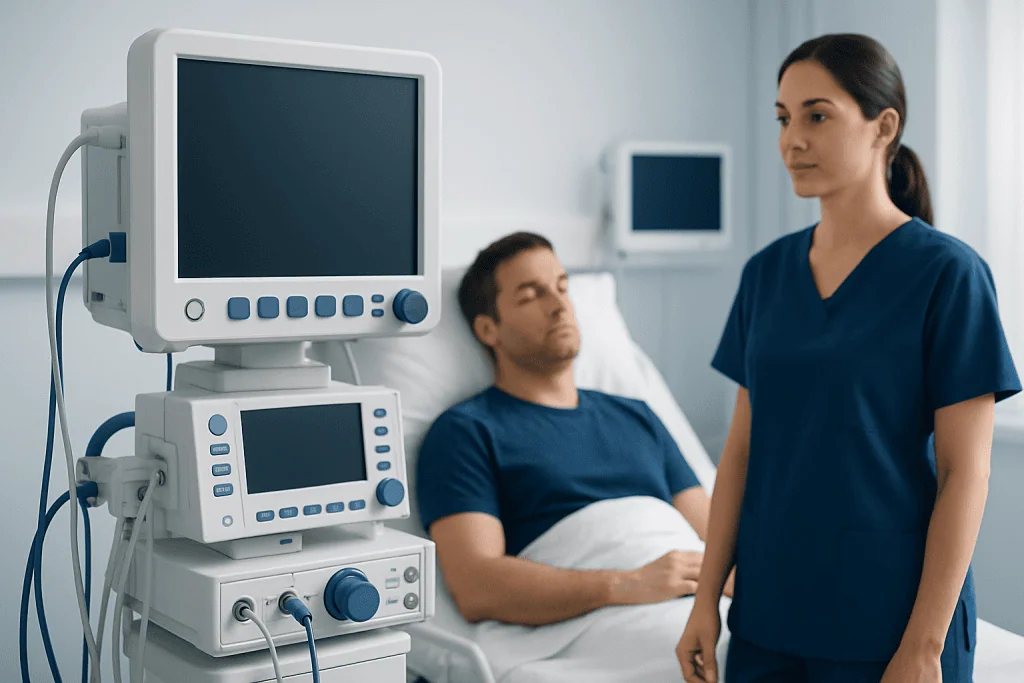
The most common reason for treatment is excessive daytime sleepiness. This symptom can make it difficult to stay awake while reading, working, attending school, talking with others, or driving. Medicines that promote wakefulness may improve attention, energy, and daily functioning, although they do not replace healthy sleep habits.
Some people with narcolepsy also have cataplexy. During cataplexy, muscle weakness can affect the face, jaw, knees, or the whole body, while awareness is usually preserved. Medicines used for cataplexy aim to reduce how often these episodes happen and how severe they are.
Treatment may also help other symptoms linked to narcolepsy, including sleep paralysis and vivid hallucinations around falling asleep or waking up. In addition, many people with narcolepsy have fragmented nighttime sleep, so some treatment plans also include medicine that helps consolidate sleep overnight.
- Excessive daytime sleepiness
- Cataplexy
- Sleep paralysis
- Hypnagogic or hypnopompic hallucinations
- Disrupted nighttime sleep
Types of Medications Used for Narcolepsy

Several types of narcolepsy medications may be considered, depending on symptoms, age, other health conditions, and lifestyle needs. Wakefulness-promoting medicines and certain stimulants are commonly used to reduce daytime sleepiness. These medicines help many people stay more alert, though their effects and side effects can differ from one person to another.
For cataplexy and related REM-sleep symptoms, doctors may prescribe medicines that act on brain chemicals involved in sleep regulation. Some antidepressant-type medicines are used for this purpose because they can suppress REM-related symptoms. Other medicines are specifically approved to improve both daytime sleepiness and cataplexy in some patients.
Another treatment approach focuses on improving nighttime sleep quality. Better consolidated sleep at night may reduce daytime symptoms in selected patients. The choice of medicine depends on the pattern of symptoms, how severe they are, and whether the person has other concerns such as high blood pressure, mood disorders, pregnancy, or a history of substance misuse.
Because narcolepsy can overlap with other sleep disorders, a specialist may also evaluate for problems such as obstructive sleep apnea before or during treatment. In some patients, managing another sleep disorder is an important part of symptom control.
How Doctors Choose the Right Treatment
Choosing the right narcolepsy treatment begins with a careful look at symptoms. A person whose main problem is sleepiness may need a different medicine than someone whose most disruptive symptom is frequent cataplexy. The doctor will also ask how symptoms affect daily life, including school performance, work duties, concentration, mood, and driving safety.
Medical history matters as well. Some medicines may not be ideal for people with certain heart conditions, uncontrolled blood pressure, psychiatric conditions, liver disease, or pregnancy-related concerns. Other medicines can interact with existing prescriptions, so patients should share a full list of all medications, supplements, and substances they use.
Diagnosis should be confirmed before long-term treatment is started. This often involves evaluation by a sleep specialist and may include a sleep study and daytime testing, such as those used in sleep study and MSLT evaluation. These tests help distinguish narcolepsy from other causes of sleepiness, including shift work, insufficient sleep, and sleep apnea.
Finding the best treatment can take time. Doctors often begin with one medicine, monitor response and side effects, and adjust the plan if needed. Some people benefit from combination therapy, especially when both daytime sleepiness and cataplexy need treatment.
Benefits, Side Effects, and Follow-Up
When treatment is effective, people may notice better alertness, fewer unintended naps, improved concentration, and greater confidence in school, work, and social situations. Those with cataplexy may experience fewer attacks or shorter, milder episodes. Even with improvement, most people still need regular sleep routines and realistic expectations, because symptoms may not disappear completely.
Like all medicines, narcolepsy medications can cause side effects. Depending on the medicine, these may include headache, nausea, anxiety, decreased appetite, changes in blood pressure or heart rate, disturbed sleep, or mood changes. Medicines used at night can have their own precautions, including risks related to sedation, confusion, or unsafe use with alcohol or certain other drugs.
Regular follow-up helps doctors balance symptom relief with safety. Appointments may include checking blood pressure, reviewing sleep schedules, discussing mood, and assessing whether symptoms are controlled during key activities such as driving. A person should not stop or change medicine on their own without speaking to a qualified doctor, especially if they are taking prescription medicines that need gradual adjustment.
Lifestyle Measures That Support Medication
Medication works best when combined with daily habits that support healthy sleep. Keeping a regular sleep-wake schedule is one of the most helpful steps. Going to bed and waking up at consistent times, including on weekends when possible, can help the brain maintain a more stable rhythm.
Planned short naps during the day can reduce sleepiness in some people with narcolepsy. A doctor may help decide the best timing based on school, work, and medication schedules. Avoiding sleep deprivation is especially important, since missed sleep often makes symptoms worse even when medicines are used.
Other practical steps include limiting alcohol, being cautious with sedating medications, and reducing heavy meals right before important activities that require alertness. People should also discuss safe driving, operating machinery, and workplace accommodations with their care team. If nighttime breathing problems or other sleep disorders are suspected, further evaluation may be needed, and some patients may benefit from treatment approaches used in sleep apnea treatment.
- Keep a consistent sleep schedule
- Use planned naps if recommended
- Avoid alcohol and unnecessary sedating medicines
- Review driving and work safety regularly
- Track symptoms in a sleep diary or app
When to See a Doctor
A doctor should evaluate persistent daytime sleepiness, especially when it interferes with work, school, relationships, or driving. Sudden muscle weakness triggered by emotion should also be assessed, as this can suggest cataplexy. Early diagnosis can help reduce the impact of symptoms and guide safe, effective treatment.
Anyone already taking narcolepsy medications should seek medical advice if symptoms are not improving, if side effects become troublesome, or if new problems such as palpitations, major mood changes, severe insomnia, or falls occur. Follow-up is also important during major life changes, including pregnancy planning, starting new medicines, or changing work shifts.
In children and teenagers, excessive sleepiness may be mistaken for poor motivation, behavioral issues, or attention problems. A specialist can help identify the true cause and recommend appropriate testing and care. In complex cases, multidisciplinary evaluation is often helpful, especially if symptoms overlap with other neurological or sleep disorders such as insomnia.
For international patients seeking assessment or treatment, Acibadem International’s multidisciplinary specialists and JCI-accredited hospitals provide diagnosis and care for sleep-related neurological conditions.
Frequently asked questions
Can narcolepsy be cured with medication?
Narcolepsy medications do not cure the condition, but they can significantly improve symptoms. Treatment is designed to help with daytime sleepiness, cataplexy, and related symptoms so that daily functioning becomes easier.
Do all people with narcolepsy need the same medicine?
No. Treatment depends on which symptoms are most bothersome, such as excessive daytime sleepiness, cataplexy, or poor nighttime sleep. Doctors also consider age, other health conditions, and possible drug interactions.
How long does it take for narcolepsy medications to work?
Some medicines may begin helping relatively soon, while others take longer to show their full benefit. The overall treatment plan often needs adjustment over time, so regular follow-up is important.
Can lifestyle changes help even if someone takes medication?
Yes. Regular sleep schedules, planned naps, and avoiding sleep deprivation can make medications work better. Safety planning for driving, work, and school is also an important part of care.
Are narcolepsy medications safe for long-term use?
Many people use narcolepsy medications for long periods under medical supervision. Ongoing follow-up helps monitor effectiveness, side effects, blood pressure, sleep quality, and any need to adjust treatment.
Should a person stop medication if side effects occur?
A person should not stop prescription medicine suddenly unless a doctor specifically advises it. If side effects occur, it is best to contact the prescribing clinician promptly to discuss safer alternatives or adjustments.
References
- American Academy of Sleep Medicine
- National Institute of Neurological Disorders and Stroke
- National Heart, Lung, and Blood Institute
- MedlinePlus
- Mayo Clinic
This article is for general information only and is not a substitute for professional medical advice. Please consult a qualified doctor about your individual situation.
Narcolepsy in Turkey — costs, top hospitals & a free quote
JCI-accredited · board-certified surgeons · reply within 24h
Add us as a Preferred Source to see more of our trusted health content across Google Search, AI Overviews and Discover.
Check your numbers in seconds
BMI, calories, due date, blood pressure and 30+ more clinical calculators — free, instant, doctor-reviewed ranges.