

Narcotics Anonymous: How NA Meetings Support Addiction Recovery

Narcotics Anonymous is a free, peer-support fellowship for people recovering from drug addiction. NA meetings offer a nonjudgmental space to share experiences, listen, and build accountability.
Key Takeaways
- Narcotics Anonymous is a free, peer-support fellowship for people recovering from drug addiction.
- NA meetings offer a nonjudgmental space to share experiences, listen, and build accountability.
- NA is not a substitute for medical care, detox, or mental health treatment when these are needed.
- Many people benefit from combining NA meetings with professional addiction treatment and counseling.
- Recovery is individual, and trying different meeting formats can help a person find the right fit.
Narcotics Anonymous is a peer-led recovery program that supports people living with drug addiction. Through regular meetings, shared experience, and a 12-step approach, NA can help many people build and maintain long-term recovery.
What Is Narcotics Anonymous?
Narcotics Anonymous, often called NA, is a worldwide peer-support fellowship for people who want to stop using drugs and live in recovery. It is based on a 12-step model and brings together people with shared lived experience of addiction. Meetings are typically free, widely available, and open to anyone who identifies a desire to stop using.
The program focuses on mutual support rather than medical treatment. People attend meetings to share their experiences, listen to others, and learn practical ways to manage cravings, stress, relapse triggers, and the emotional challenges of recovery. The sense of connection and understanding can be especially valuable for those who feel isolated or misunderstood.
NA is not tied to a specific religion, although spiritual themes may be part of the 12-step process. Members are generally encouraged to interpret these ideas in a personal way. The aim is to support honesty, responsibility, self-reflection, and consistent recovery habits.
For many people, Narcotics Anonymous is one part of a broader treatment plan. It may be used alongside counseling, rehabilitation, relapse-prevention planning, and treatment for related mental health conditions such as depression or anxiety.
How NA Meetings Support Recovery
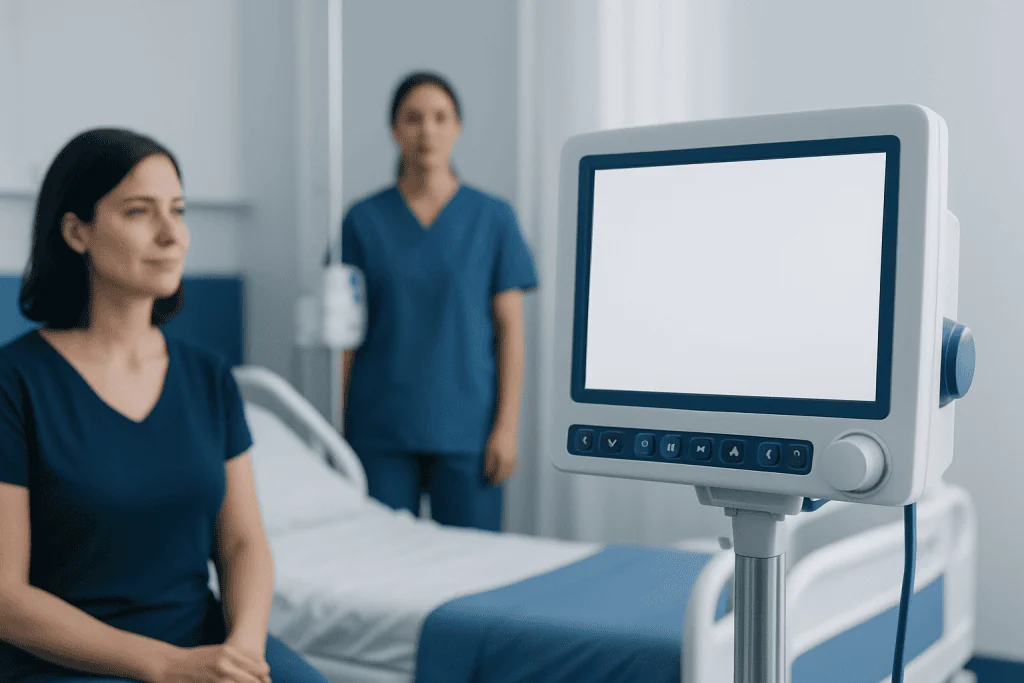
NA meetings support recovery by creating regular structure and connection. Addiction often affects routines, relationships, decision-making, and self-esteem. Attending meetings can help a person rebuild a healthier pattern of daily life, with scheduled check-ins and a community that understands setbacks as well as progress.
Meetings can reduce shame and loneliness. Hearing others describe similar struggles may help people feel less alone and more hopeful about change. This shared understanding can be powerful, especially early in recovery when cravings, uncertainty, or fear of relapse may feel intense.
Another important part of NA is accountability. Members are encouraged to return regularly, seek support between meetings, and work through the 12 steps over time, often with a sponsor. A sponsor is an experienced member who offers peer guidance, encouragement, and practical support, though they do not replace a doctor or therapist.
NA can also help people develop coping skills that support long-term recovery. Common themes include avoiding high-risk situations, managing emotions without substances, repairing trust, and staying focused on one day at a time. While results vary from person to person, many find that ongoing peer support strengthens motivation and resilience.
What Happens at an NA Meeting?
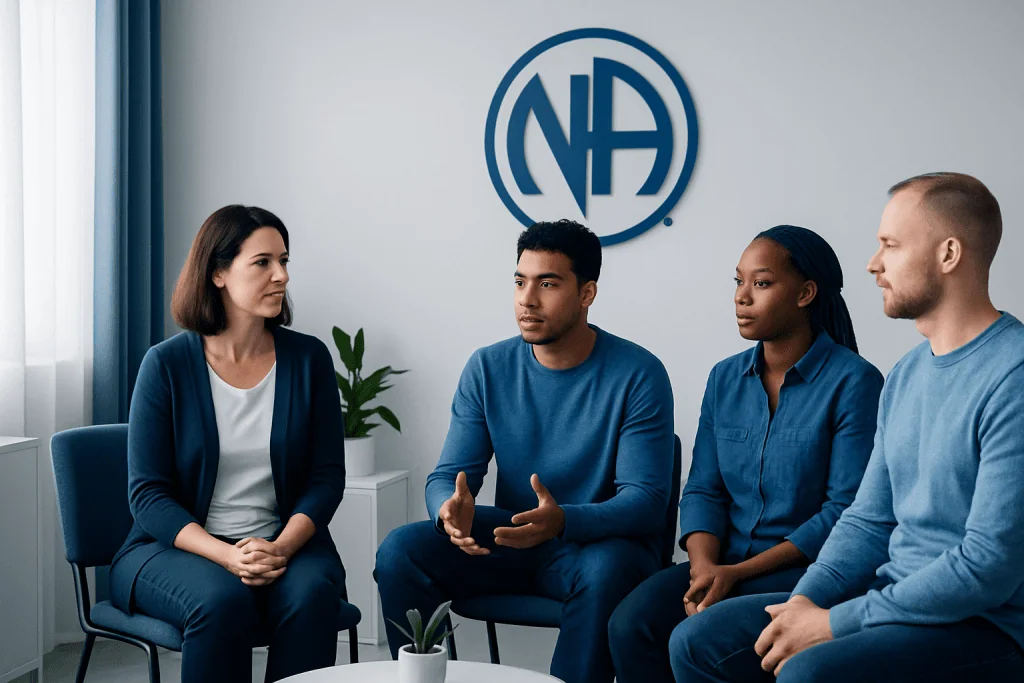
NA meetings may differ by location, but most follow a simple and welcoming format. A meeting often begins with readings about recovery principles and the purpose of the group. Members may introduce themselves by first name only, which supports anonymity and privacy.
Some meetings are discussion-based, where members share thoughts on recovery topics such as cravings, honesty, acceptance, or relapse prevention. Others focus on reading NA literature or working through one of the 12 steps. Newcomers are usually welcome to listen without pressure to speak.
Meetings may be described as open or closed. Open meetings can sometimes be attended by supportive family members, students, or professionals who want to learn about the program, while closed meetings are reserved for people who identify as having a drug problem. Online meetings are also available and may be helpful for those who have limited transportation, travel frequently, or prefer more privacy at first.
Many meetings include time before or after the formal session for informal conversation. This can help people exchange phone numbers, find a sponsor, ask questions, or learn about local recovery resources. It is often through these simple personal connections that members begin to feel supported outside the meeting room as well.
Who Can Benefit and When Extra Treatment Is Needed
Narcotics Anonymous may benefit adults of different ages and backgrounds who are seeking recovery from problematic drug use. Some people join after detox or inpatient care, while others begin by attending meetings on their own. NA can be helpful at many stages, whether a person is newly stopping drug use, returning after relapse, or trying to maintain recovery over the long term.
At the same time, NA is not a medical detox service and cannot manage dangerous withdrawal symptoms. People who are physically dependent on substances may need professional assessment before stopping. Withdrawal from some drugs or from mixed substance use can be medically complex, and safe care may include supervised detox, medications, and close monitoring.
Many people do best when peer support is combined with professional treatment. Depending on individual needs, this may include addiction treatment, psychotherapy, family support, or structured rehabilitation programs. If someone has severe cravings, repeated relapse, trauma, depression, suicidal thoughts, or unstable housing, a more comprehensive care plan is often appropriate.
Coexisting mental health conditions are common in people with substance use disorders. Professional care is especially important when symptoms such as panic, severe mood changes, sleep disturbance, self-harm thoughts, or psychosis are present. In these situations, NA can remain a useful support, but it should be part of broader medical and psychological care.
Benefits and Limits of the 12-Step Approach
The 12-step approach offers several potential benefits. It is accessible, low-cost, and available in many communities. It also emphasizes consistency, humility, personal responsibility, social connection, and support from people who understand recovery firsthand. For some, these features provide a strong sense of belonging and hope.
Another advantage is flexibility over time. A person can attend meetings frequently during early recovery and adjust participation later based on need. Because NA groups are community-based, support may continue long after formal treatment ends. This can be valuable because recovery often requires ongoing care rather than a short, one-time intervention.
However, NA is not the right fit for everyone. Some people may prefer other forms of support, such as individual therapy, cognitive behavioral approaches, medication-supported treatment, SMART Recovery, or faith-based programs. Others may feel unsure about group sharing or the spiritual language of the steps, even though interpretation is personal.
It can help to view recovery support as individualized rather than one-size-fits-all. If one meeting does not feel comfortable, another group or another support model may be a better fit. A qualified professional can help a person compare options and choose a plan that is realistic, safe, and sustainable.
How to Start NA and Build a Recovery Routine
Starting Narcotics Anonymous usually begins with finding a local or online meeting and simply attending. Newcomers do not need to prepare a speech or commit immediately to the full program. Many people benefit from trying several meetings because the tone, size, and style can vary.
Building a routine can make participation more effective. This may include choosing regular meeting times, saving supportive phone numbers, arranging transportation, and identifying high-risk moments such as evenings, paydays, conflict, or social contact linked to past drug use. Small, repeatable habits often matter more than trying to change everything at once.
Over time, some members choose to get a sponsor and begin working through the 12 steps. Others combine meetings with individual counseling, relapse-prevention planning, exercise, sleep routines, and treatment for related conditions. If a doctor recommends a higher level of care, support groups can still play an important role during and after treatment, including after psychological counseling.
Family members can also support recovery by encouraging treatment, respecting boundaries, and learning about addiction as a health condition rather than a moral failure. Helpful support is steady and compassionate, while also recognizing that relapse risk may persist and professional help may still be needed.
When to Seek Professional Help
Peer support is valuable, but certain situations call for prompt medical or mental health care. A person should seek professional help if they have severe withdrawal symptoms, overdose risk, chest pain, confusion, seizures, suicidal thoughts, self-harm behavior, or signs of psychosis. Emergency care is especially important when safety is at immediate risk.
Professional evaluation is also important when drug use continues despite major health, work, family, or legal problems. Repeated relapse, use of multiple substances, or difficulty staying safe between meetings may mean that a person needs more structured support. In these cases, a doctor or addiction specialist can assess the level of care that is most appropriate.
Treatment options may include outpatient care, inpatient rehabilitation, medication-supported care when appropriate, therapy, and management of coexisting mental health conditions. Some people may also need assessment for related physical health concerns such as liver disease, infections, sleep problems, or nutrition issues caused by long-term substance use.
For international patients seeking coordinated care, Acibadem International’s multidisciplinary specialists and JCI-accredited hospitals diagnose and treat substance-related conditions with individualized plans. Peer-support groups such as NA can complement professional care, but they work best when matched to a person’s medical, psychological, and social needs.
Frequently asked questions
What is the main purpose of Narcotics Anonymous?
The main purpose of Narcotics Anonymous is to help people stop using drugs and support one another in recovery. It provides a peer-led, structured environment where members can share experiences, build coping skills, and stay connected to a recovery community.
Do NA meetings replace rehab or medical treatment?
No, NA meetings do not replace detox, rehabilitation, or medical and mental health treatment when those are needed. They are a form of peer support and are often most helpful when combined with professional care for addiction and any related health conditions.
Does a person have to speak at their first NA meeting?
No, newcomers are usually welcome to attend and simply listen. There is generally no pressure to speak, and many people choose to observe a few meetings before sharing anything personal.
Are NA meetings free and confidential?
NA meetings are typically free, though some groups may invite voluntary contributions to cover basic expenses. Anonymity is a core principle, and members are encouraged to respect each other’s privacy, although no support group can guarantee confidentiality in the same way as a healthcare setting.
Can someone attend NA if they are also receiving counseling or medication treatment?
Yes, many people combine NA with counseling, rehabilitation, or other medical treatment. Recovery support often works best when different services are coordinated around the person’s individual needs.
How often should someone go to NA meetings?
There is no single rule, and the best schedule depends on the person’s needs and stage of recovery. Many people attend more frequently at the beginning or after relapse, then adjust over time while maintaining enough support to stay stable.
References
- World Health Organization
- National Institute on Drug Abuse
- Substance Abuse and Mental Health Services Administration
- National Institute of Mental Health
- Narcotics Anonymous World Services
This article is for general information only and is not a substitute for professional medical advice. Please consult a qualified doctor about your individual situation.
Explore treatments in Turkey — costs, top hospitals & a free quote
JCI-accredited · board-certified surgeons · reply within 24h
Add us as a Preferred Source to see more of our trusted health content across Google Search, AI Overviews and Discover.

More from the Health Library



Related Specialists

Assoc. Prof. Dr. Gökhan Ergene
Thoracic Surgery
Assoc. Prof. Dr. Emine Karabük
Gynecology & Obstetrics
Prof. Dr. Nigar Baykan
Anesthesiology
Prof. Dr. Levent Türkeri
Urology