Narcotics Anonymous in Recovery: How Peer Support Helps After Treatment

Narcotics Anonymous is a free, peer-led fellowship for people recovering from drug addiction. It can be a valuable part of aftercare following detox, rehabilitation, or outpatient treatment.
Key Takeaways
- Narcotics Anonymous is a free, peer-led fellowship for people recovering from drug addiction.
- It can be a valuable part of aftercare following detox, rehabilitation, or outpatient treatment.
- Regular meetings, sponsorship, and group support may help people cope with cravings, stress, and relapse risks.
- NA is not a substitute for medical or psychiatric care, but it can work alongside professional treatment.
- Finding the right meeting and attending consistently often matters more than having a perfect first experience.
Narcotics Anonymous is a peer-led support program that many people use after addiction treatment to strengthen long-term recovery. It offers regular meetings, shared experience, and a sense of connection that can help people manage challenges one day at a time.
Overview: What Narcotics Anonymous Is
Narcotics Anonymous, often called NA, is a worldwide peer-support fellowship for people who want to stop using drugs and maintain recovery. It is based on mutual support, shared experience, and a structured 12-step approach. Meetings are typically free to attend, widely available in many communities, and open to anyone with a desire to stop using substances.
For many people, recovery does not end when formal treatment ends. The transition from detox, inpatient rehabilitation, or outpatient care back into everyday life can bring stress, loneliness, triggers, and uncertainty. Narcotics Anonymous may help fill that gap by providing regular contact with others who understand recovery firsthand.
NA is not professional therapy, and members do not provide medical treatment. Instead, the program focuses on community, accountability, honesty, and practical coping through shared personal experience. Many people use it alongside ongoing counseling, medication management when appropriate, and other forms of structured aftercare.
How Peer Support Helps After Treatment
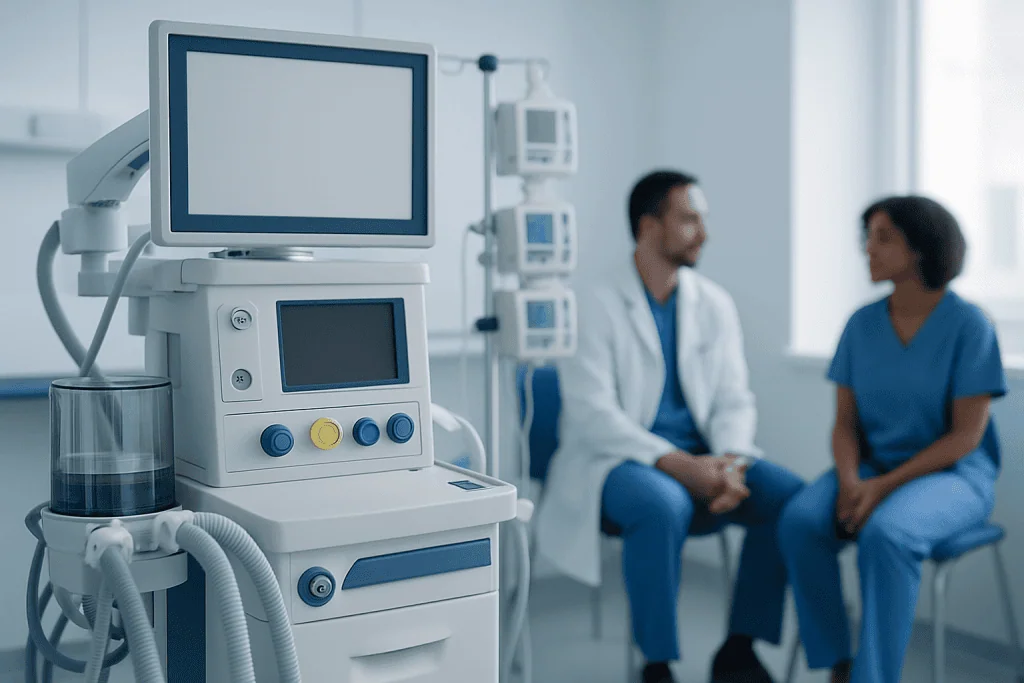
After treatment, people often need more than information about addiction. They may need belonging, routine, and support during difficult moments. Peer support can help by reducing isolation and reminding a person that recovery challenges are common and manageable. Hearing how others handle cravings, rebuilding trust, or returning to work can make recovery feel more realistic and less overwhelming.
Regular NA meetings can add structure to daily or weekly life. This structure may be especially helpful in early recovery, when habits and routines are still changing. Some people attend several meetings a week, especially during stressful periods or after major life changes, because repeated contact helps reinforce recovery-focused choices.
Another important part of NA is identification. Members may feel understood by people who have faced similar experiences with substance use, relapse, shame, or family strain. This sense of being understood can support motivation and hope. Over time, many people also find meaning in supporting newer members, which can strengthen their own commitment to recovery.
Peer support is most effective when it is part of a broader recovery plan. Depending on individual needs, that plan may also include therapy, relapse-prevention counseling, family support, or ongoing treatment for coexisting mental health conditions such as anxiety, depression, or trauma-related symptoms.
What to Expect at Narcotics Anonymous Meetings

NA meetings vary in style, but most are designed to be welcoming and nonjudgmental. A meeting may include readings from NA literature, personal sharing by members, and discussion of recovery topics such as honesty, acceptance, triggers, or repairing relationships. People are usually free to listen without speaking, especially if they are attending for the first time.
Some meetings are open, meaning non-members or supportive family and friends may attend. Others are closed and intended only for people who identify as having a drug problem. There are also speaker meetings, discussion meetings, step-study meetings, and virtual meetings. This variety allows people to find a format that feels comfortable and useful.
A central feature of NA is sponsorship. A sponsor is a more experienced member who offers informal guidance through the program, especially the 12 steps. A sponsor is not a clinician, but may provide support, accountability, and practical encouragement between meetings.
- Meetings are usually free or donation-based.
- Attendance can be in person or online, depending on local availability.
- People may attend different groups before finding a good fit.
- Confidentiality and respect are important parts of the meeting culture.
Benefits, Limits, and Who May Benefit Most
Narcotics Anonymous can be especially helpful for people who benefit from group connection, routine, and long-term community support. It may offer a practical way to stay engaged in recovery after completing drug rehabilitation or other structured care. People who feel isolated, have limited sober support, or need regular reinforcement of recovery goals may find it particularly valuable.
Potential benefits include reduced isolation, increased accountability, access to sober social networks, and a stronger sense of purpose. The program may also help people recognize early warning signs of relapse and respond more quickly. For some, the spiritual language of 12-step recovery is meaningful and motivating; for others, it can be adapted in a personal, nonreligious way.
At the same time, NA has limits. It does not replace medical detox, emergency psychiatric care, psychotherapy, or treatment for physical complications of substance use. People with opioid use disorder, stimulant use disorder, or other substance-related conditions may still need professional care, including follow-up for addiction and related health concerns.
Not every meeting will feel like the right fit, and not every person prefers a 12-step model. That does not mean peer support cannot help. Sometimes it simply means trying a different group, a different meeting format, or combining NA with other evidence-based aftercare options.
How Narcotics Anonymous Fits Into an Aftercare Plan
Aftercare is the ongoing support a person receives after the most intensive phase of addiction treatment. A thoughtful aftercare plan may include regular follow-up visits, counseling, relapse-prevention strategies, healthy routine building, and social support. NA can fit well into this plan because it offers frequent, low-barrier support over months or years.
For someone leaving structured care, recovery often becomes more stable when support is layered rather than relying on one single resource. A person may combine NA with individual therapy, family counseling, or psychiatric care if mood symptoms, sleep difficulties, trauma, or other mental health concerns are present. This combined approach recognizes that recovery can involve both emotional healing and behavior change.
Some people also continue medical follow-up after detoxification or outpatient treatment. This may be important if they have withdrawal-related issues, chronic pain, infectious complications, or coexisting illnesses. Professional care can help address physical and mental health needs while NA provides social and recovery-focused support in daily life.
When discussing aftercare, it helps to think in practical terms: how many meetings a week are realistic, which people can be called during a crisis, what warning signs suggest relapse risk, and what steps to take if a setback occurs. NA can provide a framework for these day-to-day decisions.
Self-Care Strategies That Strengthen Recovery
Peer support works best when it is supported by healthy daily habits. Recovery after treatment often improves when a person pays attention to sleep, meals, movement, stress management, and relationships. These basics may sound simple, but they can be powerful because physical and emotional strain can increase vulnerability to cravings and impulsive choices.
It can help to create a recovery routine that includes scheduled meetings, planned sober activities, and regular check-ins with trusted people. Avoiding known triggers when possible, such as high-risk environments or contact with people linked to substance use, is also an important part of self-care. Small, consistent habits often matter more than dramatic changes.
- Keep a regular sleep and meal schedule.
- Attend meetings consistently, especially during stressful periods.
- Build a contact list for support before a crisis happens.
- Practice coping skills learned in treatment, such as grounding or journaling.
- Seek help early if cravings, anxiety, or hopelessness begin to increase.
Family involvement may also support recovery when it is safe and constructive. Loved ones can learn about addiction, boundaries, and relapse warning signs. In some cases, ongoing professional support remains important, especially for people managing substance use problems alongside depression, trauma, or unstable living conditions.
When to Seek Professional Help in Addition to NA
Narcotics Anonymous can be a meaningful support, but some situations need prompt medical or mental health care. A person should seek professional help if they are having severe cravings, repeated relapse, withdrawal symptoms, suicidal thoughts, panic, hallucinations, or signs of a medical emergency. These concerns require clinical assessment and should not be managed through peer support alone.
It is also important to ask for help when progress feels stalled. Ongoing depression, intense anxiety, trauma symptoms, or major relationship conflict can interfere with recovery and may respond better when professional treatment is added. In these situations, therapy, psychiatric evaluation, or a structured addiction program may improve stability and safety.
If relapse happens, it should be treated as a signal to reassess support rather than as a personal failure. Many people benefit from adjusting their treatment plan, increasing meeting attendance, restarting counseling, or returning to a higher level of care for a period of time. Recovery is often a long-term process that involves learning, adaptation, and support.
Near the end of aftercare planning, some people choose to consult a comprehensive treatment center for ongoing guidance. Acibadem International’s multidisciplinary specialists and JCI-accredited hospitals support international patients with assessment, treatment, and follow-up for substance-related and mental health needs.
Frequently asked questions
Is Narcotics Anonymous only for people who have finished rehab?
No. Many people attend Narcotics Anonymous after rehab, but others begin attending before treatment, during outpatient care, or after a relapse. The program is generally open to anyone who wants to stop using drugs.
Does Narcotics Anonymous replace therapy or medical treatment?
No. Narcotics Anonymous is peer support, not medical care or psychotherapy. It can be very helpful alongside professional treatment, especially when a person also needs help with mental health symptoms, withdrawal, or relapse prevention.
What if someone does not feel comfortable at the first meeting?
That is common and does not mean NA will not help. Meetings can differ in tone, size, and format, so trying a few different groups is often worthwhile. Many people need time before they feel comfortable participating.
Is Narcotics Anonymous religious?
NA includes spiritual ideas in its 12-step model, but it is not tied to one religion. Many members interpret the spiritual parts in a personal way. People from different faith backgrounds, as well as those without religious beliefs, may still find the program helpful.
Can online NA meetings be useful?
Yes. Online meetings can improve access for people who travel, live far from meetings, have mobility limitations, or need extra support outside normal hours. Some people use virtual meetings regularly, while others combine them with in-person groups.
What should someone do if relapse happens while attending NA?
A relapse should prompt quick support rather than shame or delay. The person should consider contacting a healthcare professional, returning to treatment if needed, and increasing recovery support. Continuing or restarting meetings can still be helpful as part of that plan.
References
- World Health Organization
- National Institute on Drug Abuse
- Substance Abuse and Mental Health Services Administration
- National Institute of Mental Health
- Narcotics Anonymous World Services
This article is for general information only and is not a substitute for professional medical advice. Please consult a qualified doctor about your individual situation.
Explore treatments in Turkey — costs, top hospitals & a free quote
JCI-accredited · board-certified surgeons · reply within 24h
Add us as a Preferred Source to see more of our trusted health content across Google Search, AI Overviews and Discover.