Natural Headache Remedies: What May Help and What Has Limited Evidence

Simple measures such as hydration, rest, regular meals, and stress management may ease some headaches. Evidence for supplements, herbs, and devices varies, and “natural” does not always mean safe for everyone.
Key Takeaways
- Simple measures such as hydration, rest, regular meals, and stress management may ease some headaches.
- Evidence for supplements, herbs, and devices varies, and “natural” does not always mean safe for everyone.
- Keeping a headache diary can help identify triggers and guide treatment decisions.
- Frequent, severe, or unusual headaches need medical evaluation to rule out underlying causes.
- Self-care works best as part of a broader plan that may include medical diagnosis and treatment.
Natural headache remedies can be useful for some people, particularly when they support hydration, regular sleep, stress reduction, and avoidance of personal triggers. However, not all remedies are backed by strong evidence, and persistent or severe headaches should be assessed by a qualified doctor.
Overview
Natural headache remedies are non-prescription approaches that may help reduce headache frequency or discomfort. These can include lifestyle steps such as hydration, regular sleep, exercise, stress reduction, and identifying triggers. Some people also try supplements, herbal products, or hands-on methods such as massage and relaxation techniques.
Headaches are not all the same. Tension-type headaches, migraines, and headaches related to illness, medication overuse, sinus problems, or neck strain can feel similar but may need different approaches. A remedy that helps one person may do very little for another, which is why a personalized, careful approach is important.
In general, the most reliable “natural” strategies are often basic health habits rather than single products. Good hydration, regular meals, sufficient sleep, and stress management support the body as a whole and may reduce common headache triggers. These steps are usually low risk, though they may not be enough for everyone.
It is also important to understand the limits of evidence. Some remedies have modest research support, while others are based mostly on tradition or individual experience. Patient-friendly, evidence-based care means using self-care sensibly, watching for warning signs, and seeking medical advice when headaches are frequent, severe, or changing.
Which Natural Approaches May Help
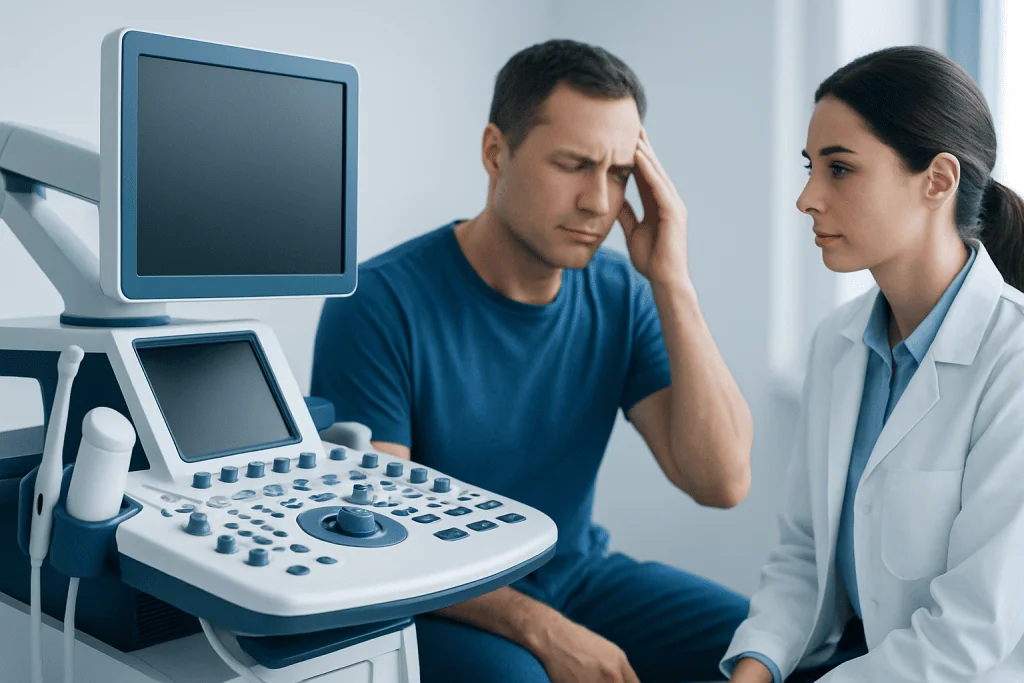
Several simple measures may help with headache relief, especially for tension headaches or headaches triggered by daily habits. Drinking water may help if dehydration is a factor. Resting in a quiet, dark room can be useful for people with migraine symptoms such as light sensitivity. Eating regular meals may also help, since skipping meals can trigger headaches in some people.
Stress reduction techniques are among the most practical home remedies for headaches. Deep breathing, mindfulness, gentle stretching, yoga, and progressive muscle relaxation may lower muscle tension and improve the body’s stress response. For some people, applying a cool pack to the forehead or a warm compress to the neck and shoulders can be soothing.
Sleep routines matter as well. Both too little and too much sleep can trigger headaches, especially migraines. Keeping a consistent sleep schedule, limiting late caffeine, and reducing screen exposure before bed may lower the chance of headaches in people who are sensitive to sleep disruption.
Physical activity can also help over time. Regular moderate exercise may reduce stress and support overall headache prevention, although sudden intense activity can trigger headaches in some individuals. Starting gradually and staying well hydrated is usually the safest approach.
Remedies With Limited or Mixed Evidence

Some natural headache remedies are widely discussed but have limited, mixed, or condition-specific evidence. Caffeine is a good example. It can help some headaches and is included in certain headache medicines, but in other people it can trigger headaches or contribute to rebound symptoms when used too often. Its effect depends on the person, the headache type, and the pattern of use.
Supplements such as magnesium, riboflavin, and coenzyme Q10 have been studied more often for migraine prevention than for general headache relief. Some people find them helpful, but they are not suitable for everyone and should be discussed with a doctor, especially during pregnancy, with kidney disease, or when other medications are being taken. Herbal products such as feverfew or butterbur are sometimes promoted for migraine, but quality, safety, and consistency can be concerns.
Essential oils, acupuncture, massage tools, and wearable devices may be helpful for some individuals, but research quality varies. Benefits may be modest, and results are often difficult to predict. These approaches may be considered supportive rather than proven stand-alone treatments.
Because “natural” products can still cause side effects or interact with medications, it is wise to use caution. This is especially important for children, older adults, pregnant or breastfeeding people, and anyone with chronic illnesses. A clinician can help review whether a remedy is reasonable, safe, and appropriate for the person’s headache pattern.
Common Triggers and Risk Factors
Many headaches are influenced by triggers rather than a single disease. Common triggers include dehydration, missed meals, poor sleep, emotional stress, eye strain, excess screen time, alcohol, strong smells, and changes in caffeine use. Hormonal changes, weather shifts, and certain foods may also play a role for some people, especially in migraine.
Muscle tension in the neck, shoulders, and scalp is commonly linked with tension-type headaches. Long hours at a desk, poor posture, jaw clenching, and stress can all contribute. In these cases, ergonomic adjustments, posture awareness, and stretching may be more useful than trying multiple supplements.
Frequent use of pain-relief medicine can itself become a problem. Overuse of headache medicines may lead to more frequent headaches over time. When this pattern is suspected, medical guidance is important because treatment often involves a structured plan rather than simply adding more remedies.
A headache diary can be one of the most valuable self-care tools. Writing down when headaches happen, what the symptoms feel like, possible triggers, sleep habits, meals, stress levels, and what helps can reveal patterns. This information can also help a doctor distinguish between migraine, tension-type headache, and other causes, such as migraine or other recurring headache conditions.
How Headaches Are Evaluated
Diagnosis starts with a careful history. A doctor will usually ask when the headaches began, how often they occur, where the pain is located, how severe it is, and whether there are associated symptoms such as nausea, light sensitivity, visual changes, fever, or neck stiffness. Family history, sleep habits, medication use, and lifestyle factors can also be important.
A physical and neurological examination may help identify signs that point to a primary headache disorder or to another medical issue. In many people with typical migraine or tension-type headaches, brain imaging is not routinely needed. However, imaging or further testing may be appropriate if the headache pattern is new, unusual, worsening, or associated with warning signs.
This evaluation matters because not every headache should be treated as a self-care problem. For example, headaches caused by sinus disease, uncontrolled blood pressure, infection, or neurological conditions need targeted care. Some people with severe, recurrent headaches benefit from specialist assessment in neurology care or a dedicated headache clinic.
Good diagnosis also helps avoid unnecessary restrictions. Without guidance, a person may eliminate many foods, try multiple supplements, or worry excessively about triggers. A structured medical assessment can clarify what is likely, what is less likely, and which self-care steps are worth trying.
Treatment Options Beyond Home Remedies
Natural headache remedies are often just one part of treatment. If headaches are frequent, disruptive, or not responding to self-care, a doctor may recommend a broader plan. This can include acute treatments taken when a headache begins, preventive treatment to reduce frequency, lifestyle counseling, and management of related issues such as sleep problems, stress, or neck pain.
For some people, non-drug treatments may be combined with medical care. Physical therapy may help when posture, neck tension, or muscle imbalance contributes to headaches. Behavioral therapies such as cognitive behavioral therapy or biofeedback can be helpful for stress-sensitive headaches and may improve coping and symptom control.
People with migraine may need more specific treatment than those with occasional tension headaches. Options can range from trigger management and sleep hygiene to prescription therapies and specialist follow-up. In selected cases, a doctor may suggest imaging such as MRI or referral for pain management as part of a comprehensive evaluation.
When headaches are complex or long-lasting, coordinated care can be helpful. Near the end of the care pathway, some international patients seek assessment at centers such as Acibadem International, where multidisciplinary specialists in JCI-accredited hospitals evaluate and treat headache disorders with a personalized approach.
Prevention and Self-care Tips
The most effective self-care plan is usually simple and consistent. Drinking enough fluids, eating regular balanced meals, maintaining a steady sleep routine, and taking breaks from screens may reduce everyday headache triggers. Gentle exercise most days of the week can support sleep, reduce stress, and improve overall well-being.
Stress management is especially important for people with recurring headaches. Helpful strategies may include mindfulness, breathing exercises, yoga, counseling, or setting realistic work-rest routines. People who notice neck or shoulder tension may benefit from stretching, ergonomic adjustments, and posture support during desk work.
It is best to introduce one change at a time and track the results. Trying many remedies at once makes it hard to know what actually helped. A headache diary can show whether there is a true improvement in frequency, duration, or intensity.
People should also use caution with supplements, herbs, and frequent caffeine. “More” is not always better, and repeated self-treatment can sometimes delay needed diagnosis. If headaches are occurring often, interfering with daily life, or leading to frequent pain-relief medicine use, medical advice is the safest next step.
When to See a Doctor
Medical evaluation is important if headaches are new, severe, becoming more frequent, or different from the person’s usual pattern. A doctor should also be consulted if headaches interfere with work, school, sleep, or daily activities, or if home remedies are no longer helping. This is especially true if pain-relief medicines are needed often.
Urgent medical attention is needed for warning signs such as sudden severe headache, headache after head injury, headache with weakness, confusion, seizures, fainting, fever, stiff neck, or changes in vision or speech. These symptoms do not always mean a serious condition, but they should be assessed promptly.
Children, older adults, pregnant people, and those with cancer, immune system problems, or major medical conditions should be particularly cautious about new or unusual headaches. In these groups, the threshold for seeking professional advice is lower because the causes can be broader.
Natural headache remedies can be a helpful part of care, but they work best when used with good judgment. A qualified doctor can help determine whether self-care is enough, whether further testing is needed, and whether a headache specialist should be involved.
Frequently asked questions
Do natural headache remedies really work?
Some do, especially basic measures such as hydration, regular meals, sleep consistency, stress reduction, and trigger management. Their benefit depends on the headache type and the individual, and they are usually most helpful as part of an overall care plan.
What is the best home remedy for a headache?
There is no single best remedy for everyone. Drinking water, resting in a quiet room, applying a cool or warm compress, and reducing stress are common first steps that may help mild headaches or early migraine symptoms.
Are supplements safe for headache prevention?
Not always. Even vitamins, minerals, and herbal products can cause side effects or interact with medicines, so it is sensible to discuss them with a doctor before starting them, especially in pregnancy or with chronic health conditions.
Can caffeine help headaches?
It can help some people, but it can also trigger headaches or contribute to rebound headaches when used too often. The effect is very individual, so it is best to pay attention to personal patterns rather than assume it will always help.
When should someone stop self-treating and see a doctor?
A doctor should be consulted if headaches are frequent, severe, changing, or disrupting daily life, or if pain medicines are needed often. Immediate medical care is needed for sudden severe headache or headache with neurological symptoms, fever, stiff neck, or after head injury.
Can natural remedies replace medical treatment for migraine?
Usually not completely. Self-care can support migraine management, but many people need medical diagnosis, trigger planning, and sometimes prescription treatment to control symptoms and prevent attacks effectively.
References
- World Health Organization
- International Headache Society
- National Institute of Neurological Disorders and Stroke
- American Migraine Foundation
- National Center for Complementary and Integrative Health
This article is for general information only and is not a substitute for professional medical advice. Please consult a qualified doctor about your individual situation.
Explore treatments in Turkey — costs, top hospitals & a free quote
JCI-accredited · board-certified surgeons · reply within 24h
Add us as a Preferred Source to see more of our trusted health content across Google Search, AI Overviews and Discover.