Natural Pain Relief: Possible Causes and When to Seek Care

Natural pain relief can support comfort, but it does not replace diagnosis when pain is persistent or severe. Common causes of pain include muscle strain, headaches, joint irritation, nerve problems, infection, and inflammation.
Key Takeaways
- Natural pain relief can support comfort, but it does not replace diagnosis when pain is persistent or severe.
- Common causes of pain include muscle strain, headaches, joint irritation, nerve problems, infection, and inflammation.
- Simple measures such as rest, heat or cold, hydration, sleep, movement, and stress reduction may help some types of pain.
- Red-flag symptoms include chest pain, weakness, fever, shortness of breath, severe headache, or pain after an injury.
- Treatment depends on the cause and may involve lifestyle changes, physical therapy, medication, or specialist care.
Natural pain relief may ease mild, short-term discomfort, especially when pain is linked to muscle strain, tension, poor sleep, stress, or minor overuse. However, ongoing, severe, sudden, or unexplained pain should be assessed by a qualified doctor to identify the cause and guide safe treatment.
Overview: What Natural Pain Relief Can and Cannot Do
Natural pain relief usually refers to non-drug approaches that help reduce discomfort and support the body’s recovery. Depending on the cause, this may include rest, gentle movement, heat or cold, hydration, relaxation techniques, better sleep, stretching, posture changes, and stress management. These measures can be useful for mild muscle soreness, tension-related discomfort, or temporary pain after everyday activity.
However, pain is a symptom, not a diagnosis. While natural pain relief may improve comfort, it does not explain why pain is happening. Pain can come from muscles, joints, nerves, internal organs, blood vessels, or inflammation. For that reason, the safest approach is to use self-care for mild symptoms while also paying attention to warning signs and how long the pain lasts.
Many people look for natural pain relief because they want a gentle, practical way to feel better. This can be appropriate when pain is clearly linked to a minor, short-term issue such as overexertion or poor posture. But if pain is intense, keeps returning, or interferes with normal life, medical evaluation becomes important.
Possible Causes of Pain
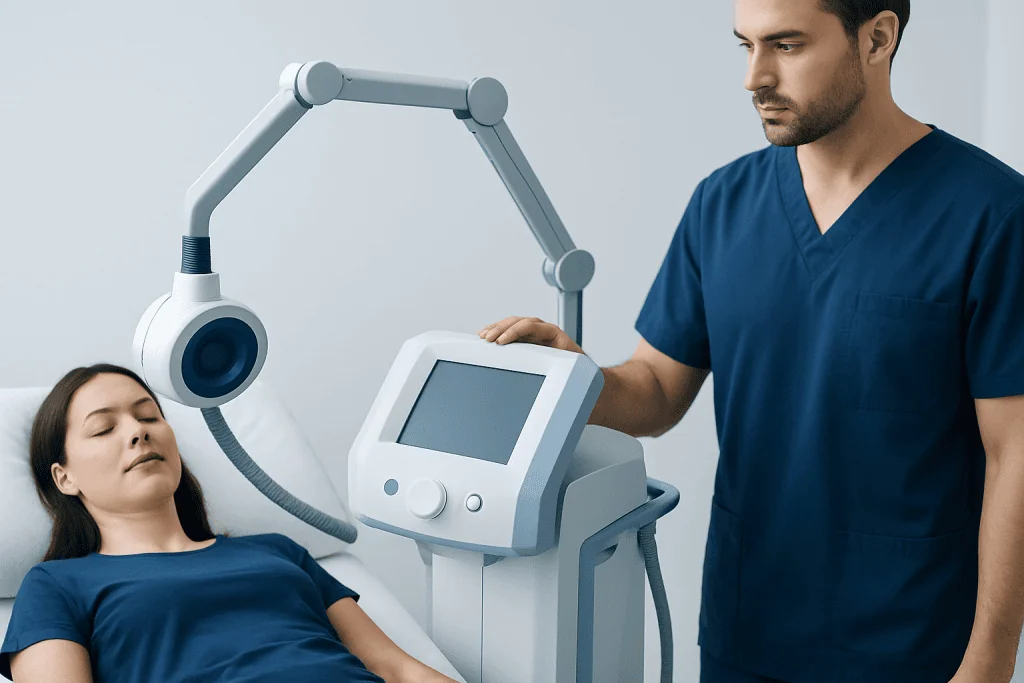
Pain can have many causes, and the pattern often gives useful clues. Muscle strain and ligament sprain are among the most common reasons for pain, especially in the back, neck, shoulders, or legs. This type of pain may begin after lifting, exercise, repetitive movement, or staying in one position too long. It often feels sore, tight, or worse with movement.
Joint-related pain may come from overuse, inflammation, injury, or age-related wear. Conditions such as arthritis can cause stiffness, swelling, reduced range of motion, and pain that is worse after activity or after periods of rest. Tendon irritation and bursitis can also create localized pain around a shoulder, elbow, hip, or knee.
Nerve-related pain is different. It may feel burning, electric, stabbing, tingling, or numb. Examples include a pinched nerve, sciatica, or nerve irritation related to spine problems such as a herniated disc. Headaches may arise from tension, migraine, dehydration, sinus pressure, or more serious neurological causes. Abdominal, pelvic, or chest pain can reflect digestive, urinary, heart, lung, or gynecological conditions and should not be assumed to be harmless.
Other possible causes include infection, autoimmune disease, kidney stones, poor circulation, and less commonly cancer. Emotional stress, anxiety, and poor sleep do not mean pain is “all in the mind,” but they can increase pain sensitivity and make discomfort feel more intense and harder to manage.
Symptoms That Help Describe Pain

When a doctor evaluates pain, the details matter. Helpful questions include where the pain is located, when it started, what it feels like, how severe it is, what makes it better or worse, and whether it spreads to another area. Pain may be sharp, dull, throbbing, burning, cramping, aching, or pressure-like. Some pain appears only with movement, while other pain can wake a person from sleep.
Associated symptoms are especially important because they can point toward the underlying cause. For example, swelling and redness may suggest inflammation or injury. Fever can suggest infection. Numbness or weakness may indicate nerve involvement. Chest pain with shortness of breath needs urgent attention because it can signal a serious heart or lung problem.
Keeping a short symptom record may help. A person can note the timing, triggers, activity level, sleep quality, stress, and any self-care steps that helped. This does not replace professional care, but it can make a medical visit more informative and support a more accurate diagnosis.
- Pain with stiffness may suggest muscle or joint involvement.
- Burning or tingling may suggest nerve irritation.
- Cramping may point to muscle, menstrual, or digestive causes.
- Pressure or tightness in the chest should be assessed urgently.
Natural Pain Relief Approaches That May Help
The best natural pain relief strategy depends on the type of pain. For recent strains or sprains, short-term rest and modifying activity can help prevent further irritation. Cold packs are often used in the first day or two for swelling, while heat may be more helpful later for muscle tightness and stiffness. Gentle stretching and gradual return to movement are often more useful than complete inactivity for many musculoskeletal problems.
Hydration, regular meals, and adequate sleep can also influence pain levels. Headaches, muscle cramps, and general fatigue-related discomfort may worsen when a person is dehydrated or sleep-deprived. Relaxation methods such as slow breathing, mindfulness, and stress reduction may be particularly helpful for tension headaches, jaw clenching, neck pain, and chronic pain flares.
For some people, posture improvement, ergonomic adjustments, supportive footwear, or a guided exercise program can reduce repeated strain. A clinician may recommend physical therapy and rehabilitation to improve strength, flexibility, and movement patterns. This is often helpful for back pain, joint pain, and recovery after injury.
Natural pain relief should be used thoughtfully. Applying extreme heat, forcing painful stretches, or delaying assessment for serious symptoms can be unsafe. If home measures do not help within a reasonable time, or if pain is limiting mobility or daily tasks, professional advice is the safest next step.
How Doctors Diagnose the Cause of Pain
Diagnosis starts with a medical history and physical examination. The doctor will ask about timing, location, severity, recent injuries, exercise, work tasks, stress, past illnesses, medications, and associated symptoms such as fever, weight loss, numbness, weakness, bowel changes, or sleep disruption. This first step often narrows the list of likely causes.
The physical exam may include checking range of motion, strength, reflexes, swelling, tenderness, gait, posture, and neurologic function. Depending on the symptoms, blood tests may help look for infection, inflammation, metabolic issues, or other medical conditions. Imaging can be useful when there is concern for fracture, joint disease, internal organ problems, or structural spine issues.
When symptoms point to a specific problem, the doctor may recommend targeted tests or specialist evaluation. For example, back pain with leg numbness may require MRI if nerve compression is suspected. Persistent headaches, abdominal pain, pelvic pain, or chest pain may require different examinations and imaging based on the clinical picture.
Accurate diagnosis matters because the same symptom can have very different causes. A person looking for natural pain relief may actually need treatment for inflammation, infection, a disc problem, migraine, or another underlying disorder. Knowing the cause helps prevent ineffective or unsafe self-treatment.
Treatment Options Beyond Home Care
If pain continues or keeps returning, treatment may need to go beyond basic home remedies. The doctor may suggest activity modification, structured exercise, physical therapy, supportive devices, or short-term medication. In some cases, treatment focuses on the underlying condition rather than the pain itself, such as treating infection, addressing inflammatory disease, or managing a spine disorder.
Back, neck, and nerve-related pain may benefit from coordinated evaluation by specialists in orthopedics, neurology, rehabilitation, or pain management. For example, chronic or radiating symptoms related to the spine may be evaluated in the context of sciatica or other nerve compression problems. Some patients may also be referred for pain management if symptoms are ongoing and affecting quality of life.
Surgery is not needed for most everyday pain, but it may be considered in selected cases such as severe structural problems, instability, persistent nerve compression, or certain internal conditions. Any treatment plan should balance symptom relief with safety, function, and the patient’s overall health needs.
Near the end of the care pathway, some international patients may seek multidisciplinary assessment in specialized centers. Acibadem International’s multidisciplinary specialists and JCI-accredited hospitals evaluate and treat a wide range of pain-related conditions for international patients when more advanced diagnosis or coordinated treatment is needed.
Prevention and Self-Care for Ongoing Comfort
Not all pain can be prevented, but many common pain triggers can be reduced. Regular physical activity helps support muscles, joints, circulation, and mood. A balanced routine usually includes strength, flexibility, and aerobic movement, adjusted to a person’s age, condition, and fitness level. Starting gradually is often safer than doing too much too quickly.
Workstation setup, lifting technique, and posture also matter. Repetitive strain can build up over time, especially in the neck, back, wrists, and shoulders. Frequent short movement breaks, supportive seating, and positioning screens at eye level may reduce everyday stress on the body.
Sleep, hydration, nutrition, and stress management are often overlooked parts of pain prevention. Poor sleep can lower pain tolerance. Dehydration can contribute to headaches and cramps. Chronic stress may increase muscle tension and pain sensitivity. A sustainable self-care plan usually works better than trying many remedies at once.
- Warm up before exercise and increase intensity gradually.
- Use good technique when lifting or carrying heavy items.
- Take breaks from prolonged sitting or repetitive tasks.
- Seek early advice if mild pain repeatedly returns.
When to Seek Medical Care
Medical care is recommended if pain is severe, lasts longer than expected, keeps returning, or affects walking, sleep, work, or self-care. A doctor should also assess pain that has no clear cause, pain with swelling or deformity, or pain that does not improve with reasonable home measures. In children, older adults, pregnant individuals, and people with chronic illness, it is especially wise to seek advice sooner.
Urgent medical attention is needed for chest pain, sudden shortness of breath, severe abdominal pain, a sudden or unusual severe headache, confusion, fainting, weakness on one side, loss of bladder or bowel control, fever with worsening pain, or pain after a significant injury. These symptoms can suggest a serious condition and should not be treated with home remedies alone.
A good general rule is this: natural pain relief is most appropriate for mild, short-lived discomfort that has a clear and harmless explanation. If the pain is unexplained, escalating, or accompanied by other worrying symptoms, professional assessment is the safest choice.
Frequently asked questions
What is meant by natural pain relief?
Natural pain relief usually means non-drug methods used to ease discomfort. These may include rest, heat or cold, stretching, hydration, relaxation, sleep improvement, and gentle exercise. The right approach depends on the cause of the pain.
Can natural pain relief treat all types of pain?
No. Natural measures may help mild, short-term pain, but they do not treat every underlying cause. Pain linked to infection, nerve compression, fractures, internal organ problems, or inflammatory disease often needs medical evaluation and targeted treatment.
How long should someone try home remedies before seeing a doctor?
That depends on the severity and likely cause. Mild muscle soreness may improve within days, but pain that persists, worsens, or repeatedly returns should be assessed. A person should seek care sooner if pain interferes with daily activities or comes with other symptoms.
Is heat or cold better for pain?
Both can help, but they are used differently. Cold is often preferred soon after an injury or when swelling is present, while heat may be more helpful for muscle tightness and stiffness. If symptoms are unclear or either method makes pain worse, medical advice is sensible.
What symptoms with pain are considered warning signs?
Warning signs include chest pain, shortness of breath, severe headache, weakness, numbness, confusion, fainting, fever, or loss of bladder or bowel control. Pain after a major fall or accident is also a reason for urgent assessment. These symptoms can signal a serious medical problem.
Can stress make pain worse?
Yes. Stress can increase muscle tension, disturb sleep, and heighten the body’s sensitivity to discomfort. This does not mean the pain is not real; it means emotional and physical factors can interact and make symptoms feel stronger.
References
- World Health Organization
- Centers for Disease Control and Prevention
- National Institute of Neurological Disorders and Stroke
- National Institute of Arthritis and Musculoskeletal and Skin Diseases
- Mayo Clinic
This article is for general information only and is not a substitute for professional medical advice. Please consult a qualified doctor about your individual situation.
Joint and spine care in Turkey — expert assessment & treatment
JCI-accredited · board-certified surgeons · reply within 24h
Add us as a Preferred Source to see more of our trusted health content across Google Search, AI Overviews and Discover.