Nausea Feeling After Eating Explained: Common Triggers and Red Flags

Nausea after meals is often temporary and related to what, how fast, or how much a person eats. Common triggers include acid reflux, gastritis, food intolerance, viral illness, anxiety, and rich or greasy foods.
Key Takeaways
- Nausea after meals is often temporary and related to what, how fast, or how much a person eats.
- Common triggers include acid reflux, gastritis, food intolerance, viral illness, anxiety, and rich or greasy foods.
- Ongoing symptoms, weight loss, severe pain, vomiting, dehydration, or blood in vomit or stool need medical attention.
- Keeping a food and symptom diary can help identify patterns and support diagnosis.
- Treatment depends on the cause and may include diet changes, hydration, medicines, or targeted testing.
Nausea feeling after eating is common and is often caused by indigestion, reflux, overeating, food intolerance, infection, or stress. It can also sometimes point to gallbladder, stomach, pancreatic, or metabolic problems, especially if it keeps happening or comes with other symptoms.
What nausea feeling after eating usually means
Nausea feeling after eating means a person feels sick, unsettled, or close to vomiting during or after a meal. In many cases, the cause is not dangerous. Common explanations include eating too quickly, eating a very large or fatty meal, indigestion, acid reflux, mild stomach irritation, or a temporary viral illness.
Even so, nausea after meals is a symptom rather than a diagnosis. The timing matters. Feeling unwell immediately after the first few bites may suggest anxiety, strong food aversion, reflux, or stomach irritation. Nausea 30 minutes to several hours later may be more consistent with delayed stomach emptying, gallbladder issues, food intolerance, or infection.
It also helps to look at the full pattern. If the symptom happens only once in a while after heavy meals, simple digestive triggers are more likely. If it occurs often, appears with abdominal pain, bloating, vomiting, diarrhea, heartburn, fever, or unexplained weight loss, a more detailed medical assessment may be needed.
Common triggers after meals
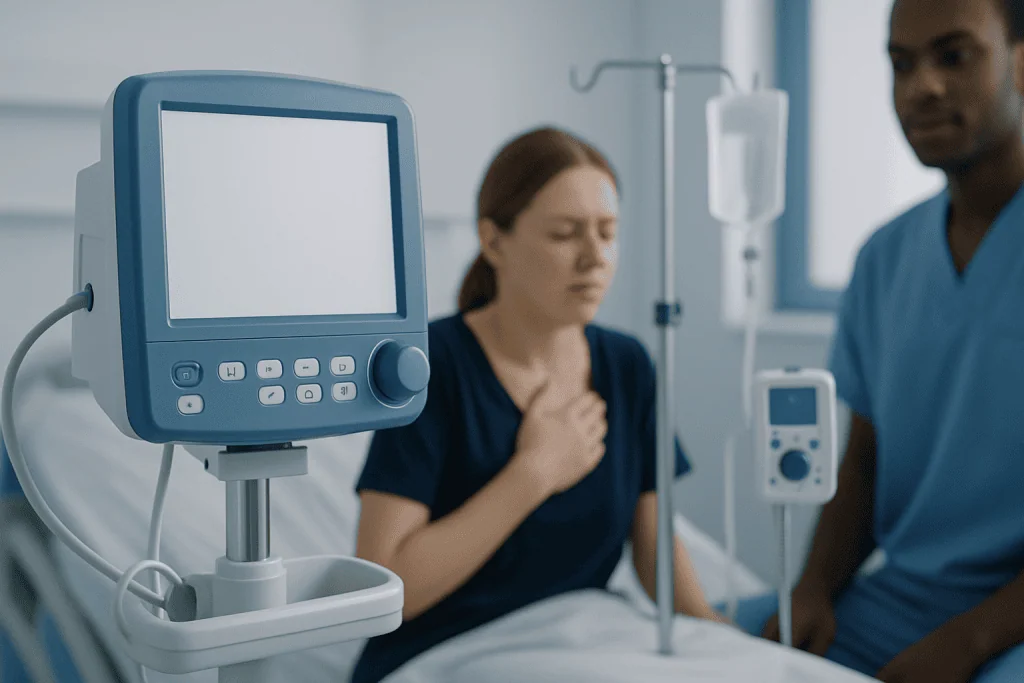
Many everyday digestive issues can cause nausea after eating. Acid reflux can make stomach contents move upward into the esophagus, leading to burning, sour taste, and nausea. Gastritis, which is irritation of the stomach lining, can also cause discomfort, especially after spicy foods, alcohol, certain medicines, or infection. Some people with irritable bowel syndrome may notice nausea along with bloating, cramping, and bowel habit changes.
Food-related triggers are also very common. Overeating stretches the stomach and can bring on nausea, pressure, and belching. Greasy or fried foods digest more slowly and may worsen symptoms. Food intolerance, such as lactose intolerance, may cause nausea together with gas, diarrhea, or bloating. In some people, strong smells or highly sweet foods can also trigger queasiness.
Short-term infections may be responsible as well. Viral gastroenteritis and foodborne illness often cause sudden nausea, sometimes with vomiting, diarrhea, fever, or stomach cramps. These problems usually improve within a few days, but dehydration can become a concern if a person cannot keep fluids down.
Stress and anxiety can affect digestion through the gut-brain connection. During stress, the stomach may feel tight or unsettled, appetite can change, and nausea may appear even when the digestive tract is structurally normal. This does not mean the symptom is “just in the mind”; it means the nervous system can influence how the gut functions.
Less common but important medical causes

When nausea after eating is frequent or progressive, doctors may consider other conditions. Gallbladder disease can cause nausea, especially after fatty meals, often together with pain in the upper right abdomen. Stomach ulcers, severe reflux, and chronic inflammation of the stomach may also lead to repeated post-meal nausea. In some cases, delayed stomach emptying, also called gastroparesis, makes food stay in the stomach longer than usual and can cause early fullness, bloating, and vomiting.
Problems involving the pancreas, liver, or intestines may also contribute. Pancreatitis can cause nausea with upper abdominal pain that may spread to the back. Celiac disease, inflammatory bowel disease, and bowel obstruction are less common possibilities, depending on the symptoms. Pregnancy is another important consideration in people who could be pregnant, especially if nausea appears regularly and is not otherwise explained.
Not all causes begin in the digestive system. Migraine, medication side effects, inner ear problems, diabetes-related stomach nerve changes, kidney disease, and thyroid disorders can sometimes present with nausea around mealtimes. Because the symptom has many possible explanations, repeated episodes should be assessed in context rather than assumed to be a simple stomach upset.
Clues from accompanying symptoms
The symptoms that happen alongside nausea can offer useful clues. Heartburn, sour taste in the mouth, and worse symptoms when lying down may point toward reflux. Bloating, belching, and upper abdominal pressure may be more in keeping with indigestion or delayed emptying. Diarrhea after certain foods can suggest intolerance or infection.
Pain location matters too. Burning pain in the upper middle abdomen may occur with gastritis or an ulcer. Cramping lower abdominal pain with bowel changes may fit a bowel-related disorder. Upper right abdominal pain after fatty meals can suggest a gallbladder problem, while severe upper abdominal pain with repeated vomiting needs more urgent review.
Timing also helps narrow the possibilities. Nausea that begins almost immediately during a meal may be linked to smell, taste, anxiety, swallowing issues, or active stomach inflammation. Symptoms that develop one to three hours later can happen with slower digestion, food intolerance, or gallbladder disease. Keeping track of when symptoms start, what was eaten, and how long they last can be very helpful for both the patient and the clinician.
- Immediate nausea: reflux, gastritis, anxiety, food aversion
- Nausea after heavy or fatty meals: indigestion, gallbladder disease, delayed emptying
- Nausea with diarrhea or fever: infection or food poisoning
- Nausea with bloating and gas after certain foods: food intolerance
- Nausea with weight loss or trouble swallowing: needs medical assessment
How doctors diagnose the cause
Diagnosis starts with a careful history. A doctor will usually ask when the nausea happens, which foods seem to trigger it, whether there is vomiting, abdominal pain, reflux, diarrhea, constipation, fever, medication use, pregnancy possibility, or recent travel. They may also ask about stress, anxiety, headaches, diabetes, and prior digestive conditions.
The physical examination may focus on the abdomen and signs of dehydration or weight loss. Basic blood tests can check for infection, inflammation, anemia, liver or pancreas problems, electrolyte imbalance, blood sugar changes, and other clues. Depending on the situation, stool tests, a pregnancy test, or testing for food intolerance or celiac disease may be considered.
If symptoms are ongoing, severe, or associated with alarm features, imaging or endoscopic tests may be needed. A doctor might recommend endoscopy to look at the esophagus, stomach, and first part of the small intestine. In selected cases, colonoscopy may be useful if bowel symptoms are prominent. MRI or other imaging may be considered when doctors need a closer look at abdominal organs or to clarify findings from earlier tests.
The exact testing plan depends on the person’s age, medical history, and symptoms. Many patients do not need extensive testing right away. If symptoms are mild and a clear food or lifestyle trigger is likely, a doctor may first advise simple treatment and close follow-up.
Treatment and self-care options
Treatment for nausea feeling after eating depends on the cause. For simple indigestion or reflux, practical steps such as smaller meals, avoiding lying down after eating, reducing alcohol, and limiting spicy or greasy foods may help. If dehydration is a risk, frequent small sips of water or oral rehydration fluids are important. Bland foods may feel easier to tolerate for a short time.
When a specific medical condition is identified, treatment becomes more targeted. Reflux may be managed with acid-reducing medicines and lifestyle changes. Bacterial infection, ulcers, gallbladder disease, or inflammatory digestive conditions require different approaches based on the diagnosis. If symptoms suggest delayed stomach emptying or another ongoing digestive disorder, a gastroenterologist may guide longer-term care and nutrition planning.
Some people benefit from a symptom diary. Writing down meals, portion sizes, eating speed, symptoms, stress levels, and any medicines or supplements can reveal patterns that are otherwise easy to miss. This can be especially useful when food intolerance, IBS, or reflux is suspected.
If a person has persistent symptoms and needs specialist evaluation, multidisciplinary teams can help coordinate care. Acibadem International’s JCI-accredited hospitals diagnose and treat digestive complaints for international patients, including assessment by gastroenterology, internal medicine, imaging, and nutrition specialists when needed.
When to seek medical care
Medical advice is recommended if nausea after eating keeps coming back, lasts more than a few days, or starts to interfere with normal eating and hydration. A person should also seek evaluation if the symptom is new and persistent, especially if they are older, pregnant, have diabetes, take several medicines, or have an existing digestive condition.
Prompt care is more important when nausea comes with severe or worsening abdominal pain, repeated vomiting, signs of dehydration, fainting, fever, black stools, blood in vomit, trouble swallowing, chest pain, yellowing of the skin or eyes, or unintentional weight loss. These features do not always mean a serious illness, but they should not be ignored.
If symptoms are sudden and severe, especially with inability to keep fluids down or intense abdominal pain, urgent medical assessment is appropriate. Early evaluation can help relieve symptoms, identify the cause, and reduce the risk of complications.
Frequently asked questions
Is nausea feeling after eating always a sign of a stomach problem?
No. Although digestive causes are common, nausea after meals can also be linked to migraine, anxiety, medication side effects, pregnancy, inner ear problems, or blood sugar changes. That is why doctors look at the full pattern of symptoms rather than the nausea alone.
Why do fatty foods make some people feel nauseated after eating?
Fatty foods stay in the stomach longer and can slow digestion, which may increase fullness, bloating, and nausea. They can also trigger symptoms in people with reflux or gallbladder disease. If the problem happens repeatedly after rich meals, medical assessment is reasonable.
Can stress cause nausea after eating?
Yes. Stress and anxiety can affect stomach function and make the digestive tract more sensitive. Some people notice nausea, tightness, or loss of appetite during stressful periods, especially if they also eat quickly or skip meals.
What can a person do at home for mild nausea after meals?
Helpful steps may include eating smaller meals, avoiding greasy or very spicy foods, eating more slowly, and staying upright after meals. Drinking fluids in small amounts and keeping a food diary can also help. If symptoms persist, worsen, or recur often, a doctor should assess them.
When is nausea after eating considered serious?
It is more concerning when it is persistent, severe, or associated with repeated vomiting, dehydration, significant abdominal pain, blood in vomit or stool, black stools, or weight loss. Trouble swallowing, chest pain, fever, or jaundice also need prompt medical attention.
Will tests always be needed for nausea after eating?
Not always. If symptoms are mild and there is a clear trigger, a doctor may first recommend diet changes and observation. Testing is more likely when symptoms are frequent, unexplained, severe, or accompanied by alarm symptoms.
References
- National Institute of Diabetes and Digestive and Kidney Diseases
- American College of Gastroenterology
- Mayo Clinic
- National Health Service
- MedlinePlus
This article is for general information only and is not a substitute for professional medical advice. Please consult a qualified doctor about your individual situation.
Persistent digestive symptoms? Get evaluated in Turkey
JCI-accredited · board-certified surgeons · reply within 24h
Add us as a Preferred Source to see more of our trusted health content across Google Search, AI Overviews and Discover.