Nebulizer: A Complete Medical Overview
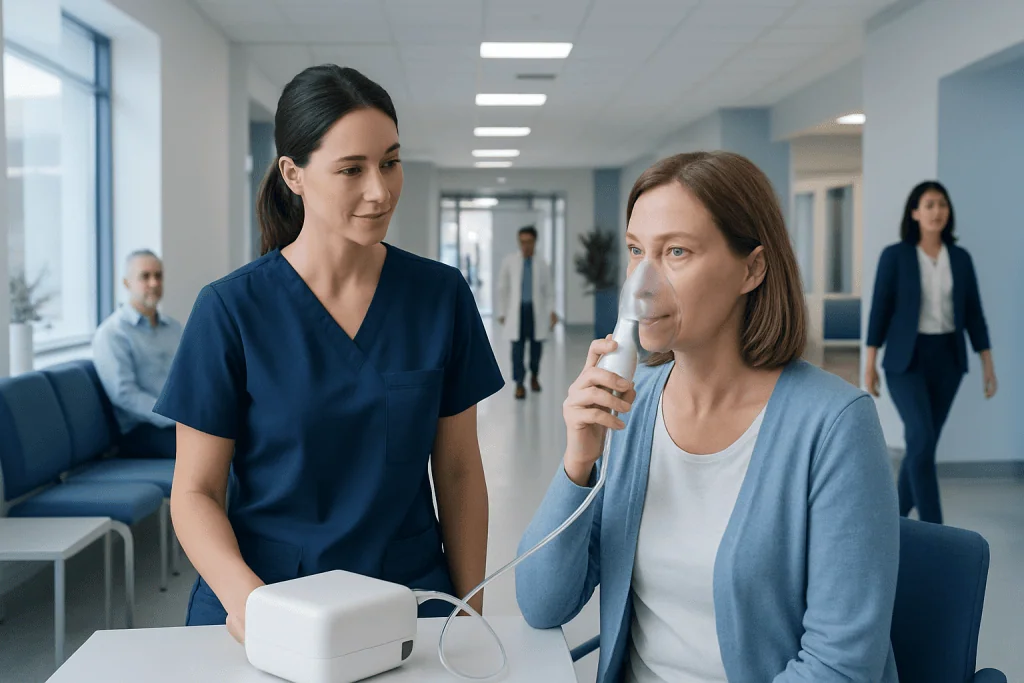
A nebulizer helps deliver prescribed inhaled medicine directly to the lungs. It may be used for asthma, COPD, bronchitis, and some other breathing problems.
Key Takeaways
- A nebulizer helps deliver prescribed inhaled medicine directly to the lungs.
- It may be used for asthma, COPD, bronchitis, and some other breathing problems.
- Correct setup, cleaning, and maintenance are important for safe and effective treatment.
- A nebulizer is not always better than an inhaler; the right choice depends on the patient and condition.
- Urgent medical care is needed for severe breathing difficulty, blue lips, chest pain, or worsening symptoms.
A nebulizer is a medical device that changes liquid medication into a fine mist so it can be breathed deep into the lungs. It is commonly used for asthma, COPD, and other respiratory conditions when inhaled treatment needs to be delivered in a simple, steady way.
What Is a Nebulizer?
A nebulizer is a device that turns liquid medication into a breathable mist. This mist is inhaled through a mouthpiece or face mask, allowing the medicine to reach the airways and lungs. For many patients, this can make treatment easier, especially when breathing is already difficult or when coordinating an inhaler is challenging.
Nebulizers are not medicines themselves. They are delivery devices used with medications prescribed by a doctor, such as bronchodilators or inhaled anti-inflammatory treatments. Because the medicine is inhaled rather than swallowed, it acts more directly in the respiratory system.
People often associate nebulizers with childhood asthma, but they are used across all age groups. Infants, older adults, and people with chronic lung disease may all benefit from nebulized therapy in the right clinical situation. The choice depends on the diagnosis, symptom pattern, and the person’s ability to use other inhaled devices correctly.
How a Nebulizer Works and When It Is Used
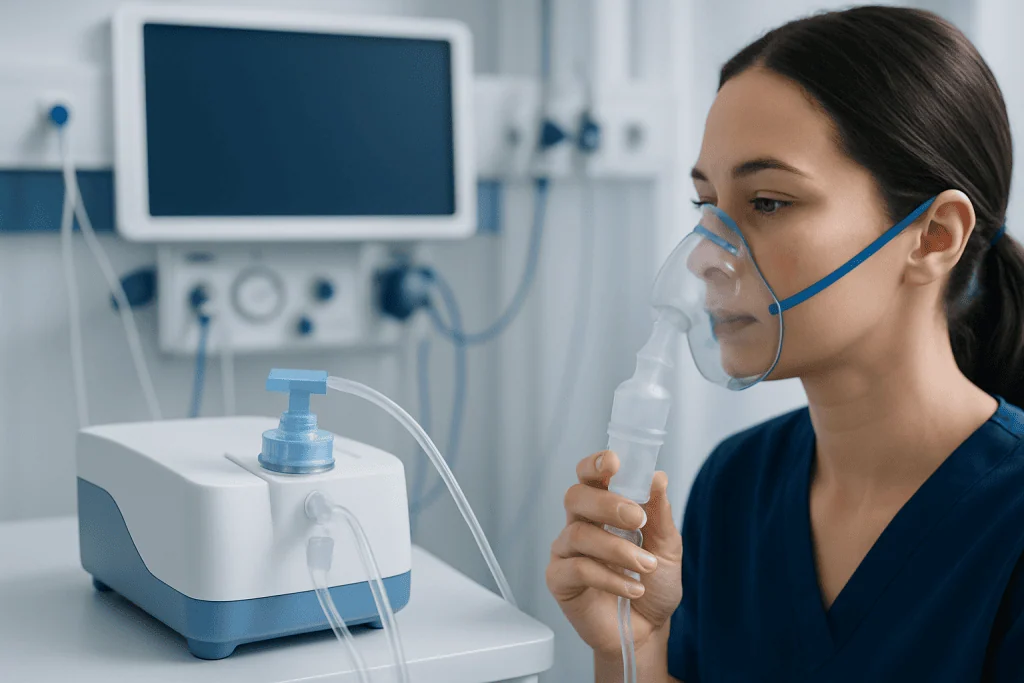
A nebulizer uses compressed air, ultrasonic vibration, or mesh technology to create a fine aerosol from liquid medication. During treatment, the patient breathes normally for several minutes while the mist is delivered. This can be useful when a slow, passive method of inhalation is preferable.
Nebulizer treatment may be recommended for conditions that affect airflow or cause airway inflammation. Common examples include asthma, chronic obstructive pulmonary disease, some forms of bronchitis, and certain respiratory infections when a clinician feels inhaled medicine is appropriate. In hospitals, nebulizers may also be used during acute flare-ups to help open narrowed airways.
A nebulizer is not necessarily the first or best option for every person. Many patients do very well with handheld inhalers when they are taught the correct technique. A doctor may suggest a nebulizer when symptoms are frequent, inhaler coordination is difficult, or a longer, more gradual delivery of medicine is needed.
- To deliver bronchodilator medicines that relax airway muscles
- To help some patients during asthma or COPD flare-ups
- To provide inhaled therapy for children or frail adults
- To support treatment plans that require reliable lung delivery
Types of Nebulizers and Common Medications

There are three main types of nebulizers: jet, ultrasonic, and mesh. Jet nebulizers are widely used and rely on compressed air. Ultrasonic models use sound waves to create mist, while mesh nebulizers push medication through a very fine membrane. Each type has practical advantages, such as portability, speed, or quiet operation.
The medications used in a nebulizer depend entirely on the medical condition being treated. Bronchodilators may be used to relax tight airways, while other inhaled medicines may reduce inflammation or help loosen mucus. Only medications specifically prescribed and prepared for nebulizer use should be placed in the cup.
It is important not to add non-prescribed liquids, essential oils, or homemade mixtures. These substances may irritate the lungs, damage the device, or delay proper treatment. If symptoms are not improving, the safest step is to review the treatment plan with a qualified clinician rather than trying to adjust the medication independently.
Some patients with advanced respiratory conditions may also need a broader care plan that includes testing, pulmonary support, and specialist review. In selected cases, evaluation through pulmonology care can help clarify whether nebulized treatment is the best option and how it fits into long-term disease management.
How to Use a Nebulizer Safely
Using a nebulizer correctly helps ensure that the medicine reaches the lungs effectively. In general, the medication is placed into the nebulizer cup, the tubing is connected, and the patient sits upright while breathing the mist through a mouthpiece or mask. Calm, steady breathing is usually advised, though exact instructions may vary depending on the device and medication.
Before each use, hands should be washed and the equipment checked for cleanliness and proper assembly. If a mask is used, it should fit well to reduce medication loss into the air. Children usually need supervision, and caregivers should follow the clinician’s instructions carefully.
After the treatment, the device components that contact medication or moisture should be cleaned according to the manufacturer’s guidance. Good hygiene matters because damp equipment can allow germs to grow. Regular replacement of filters, tubing, or masks may also be needed over time.
- Use only the medication and amount prescribed
- Sit upright during treatment if possible
- Breathe through the mouthpiece as instructed
- Clean and dry the device after use
- Do not share nebulizer parts with others
Benefits, Limitations, and Possible Side Effects
A nebulizer can be especially helpful for people who struggle with inhaler technique, have significant shortness of breath, or need treatment during respiratory flare-ups. Because the medication is inhaled over several minutes, some patients find it easier than timing a quick breath with an inhaler spray. This can improve practical day-to-day use for selected individuals.
However, nebulizers also have limitations. Treatments usually take longer than using an inhaler, and the equipment requires cleaning, storage, and maintenance. Portable options exist, but some devices are less convenient for travel or work routines than inhalers. For these reasons, a nebulizer should be viewed as one tool among several, not automatically the superior choice.
Side effects come mostly from the medication rather than the device. Depending on the drug prescribed, some people may notice a fast heartbeat, trembling, dry mouth, throat irritation, or a bad taste after treatment. If symptoms feel unusual, severe, or new, medical advice is important, especially if breathing worsens instead of improving.
Cleaning, Maintenance, and Infection Prevention
Cleaning a nebulizer is a key part of safe treatment. Because liquid medicine and moisture remain in the cup and tubing area, poor hygiene can increase the risk of contamination. Patients should follow the manufacturer’s cleaning instructions and any additional advice given by their healthcare team.
In many cases, the medication cup, mouthpiece, and mask need rinsing and air-drying after each use, with more thorough disinfection performed regularly. Tubing and compressors may have different care instructions and should not be soaked unless the manufacturer specifically recommends it. Keeping the device dry between treatments helps reduce microbial growth.
Filters, seals, and disposable parts wear out over time. A device that is noisy, slow, or producing less mist may need servicing or replacement parts. For people with recurrent chest infections, chronic lung disease, or complex respiratory needs, specialist assessment through chest diseases evaluation may help review both the device technique and the broader treatment strategy.
Good cleaning habits are especially important for people with chronic conditions such as COPD, where flare-ups can be triggered by infections or poor symptom control. Practical education on maintenance can make treatment safer and more reliable over the long term.
When to Seek Medical Care
A nebulizer should not replace medical assessment when symptoms are severe or changing. A person should seek urgent care for serious shortness of breath, bluish lips or fingertips, chest pain, confusion, inability to speak in full sentences, or drowsiness related to breathing trouble. These signs can indicate a medical emergency.
Medical review is also important if nebulizer treatments are needed more often than prescribed, if they seem less effective than usual, or if cough, wheezing, fever, or mucus production is getting worse. Repeated flare-ups may mean the diagnosis needs review or the treatment plan needs adjustment.
For ongoing symptoms, doctors may recommend breathing tests, imaging, allergy evaluation, or other investigations. In some cases, an integrated plan may include respiratory therapy and rehabilitation to improve breathing technique, exercise tolerance, and daily symptom management. Acibadem International’s multidisciplinary specialists in JCI-accredited hospitals diagnose and treat respiratory conditions for international patients when further evaluation is needed.
Frequently asked questions
What is a nebulizer used for?
A nebulizer is used to deliver prescribed liquid medicine into the lungs as a mist. It is commonly used for breathing conditions such as asthma, COPD, and some other airway problems when inhaled treatment is needed.
Is a nebulizer better than an inhaler?
Not always. A nebulizer may be easier for some people, especially young children, older adults, or patients who have trouble using an inhaler properly. For many others, an inhaler works just as well when the technique is correct.
How long does a nebulizer treatment usually take?
Treatment length depends on the device and the amount of medication prescribed, but it often takes several minutes. A healthcare professional can explain what is typical for a specific machine and medication plan.
Can a nebulizer be used for a cough?
A nebulizer may be used if the cough is part of a condition that benefits from inhaled medication, such as asthma-related wheezing or airway narrowing. It is not a general treatment for every cough, so the cause should be assessed by a doctor.
Are there side effects from nebulizer treatment?
Possible side effects usually come from the medication, not the device itself. Depending on the medicine used, side effects can include trembling, fast heartbeat, dry mouth, throat irritation, or a strange taste.
How often should a nebulizer be cleaned?
Cleaning should be done regularly and according to the device manufacturer’s instructions and the clinician’s advice. Parts that touch medication or moisture often need attention after each use, with more thorough disinfection at scheduled intervals.
This article is for general information only and is not a substitute for professional medical advice. Please consult a qualified doctor about your individual situation.
Explore treatments in Turkey — costs, top hospitals & a free quote
JCI-accredited · board-certified surgeons · reply within 24h
Add us as a Preferred Source to see more of our trusted health content across Google Search, AI Overviews and Discover.

More from the Health Library

Narcolepsy Type 2 — Explained by Medical Evidence, Not Myths

Cowper’s Gland — Explained by Medical Evidence, Not Myths

Shrimp Cholesterol: An Evidence-Based Guide for Patients

Cephalosporins: A Complete Medical Overview

Snoring Anti Snoring Device: A Complete Medical Overview