Neuro-Otology Tests for Dizziness: What VNG, vHIT, and Balance Exams Show

Dizziness has many possible causes, and testing helps narrow down where the problem is coming from. VNG checks eye movements and inner ear balance function, while vHIT evaluates how the eyes and inner ear work together during quick head movements.
Key Takeaways
- Dizziness has many possible causes, and testing helps narrow down where the problem is coming from.
- VNG checks eye movements and inner ear balance function, while vHIT evaluates how the eyes and inner ear work together during quick head movements.
- Balance testing is usually noninvasive and may be combined with hearing tests and a neurological examination.
- Test results do not stand alone; doctors interpret them together with symptoms, medical history, and physical findings.
- Accurate diagnosis can help direct treatment such as vestibular rehabilitation, medications, or care for an underlying disorder.
Neuro-otology tests for dizziness are used to find out whether symptoms come from the inner ear, the balance nerves, or the brain’s balance pathways. Common tests such as VNG, vHIT, hearing tests, and postural balance exams help doctors understand why a person feels dizzy and guide the next steps in care.
Overview: Why dizziness may need neuro-otology testing
Dizziness is a broad symptom rather than a diagnosis. Some people describe spinning, others feel lightheaded, unsteady, pulled to one side, or “off balance.” Because these sensations can come from different parts of the body, including the inner ear, the balance nerves, the brain, the eyes, or even circulation, a careful assessment is often needed before treatment begins.
Neuro-otology is a field that focuses on disorders involving hearing, balance, dizziness, and the connections between the inner ear and the nervous system. Neuro-otology tests for dizziness are designed to show how well the vestibular system is working. The vestibular system includes the inner ear balance organs, the vestibular nerve, and the brain pathways that help keep vision stable and posture steady.
These tests are especially helpful when dizziness is frequent, unexplained, persistent, triggered by movement, or associated with imbalance, nausea, or unusual eye movements. They may also be used when symptoms suggest conditions such as vertigo or another vestibular disorder. In many cases, testing helps confirm that the symptoms are coming from the inner ear rather than another cause.
Most neuro-otology tests are noninvasive and are done in an outpatient setting. Although some tests may briefly bring on dizziness, this is expected and usually passes quickly. The goal is not simply to label the symptom, but to understand the pattern behind it so the care plan can be more precise.
What VNG, vHIT, and balance exams are designed to show
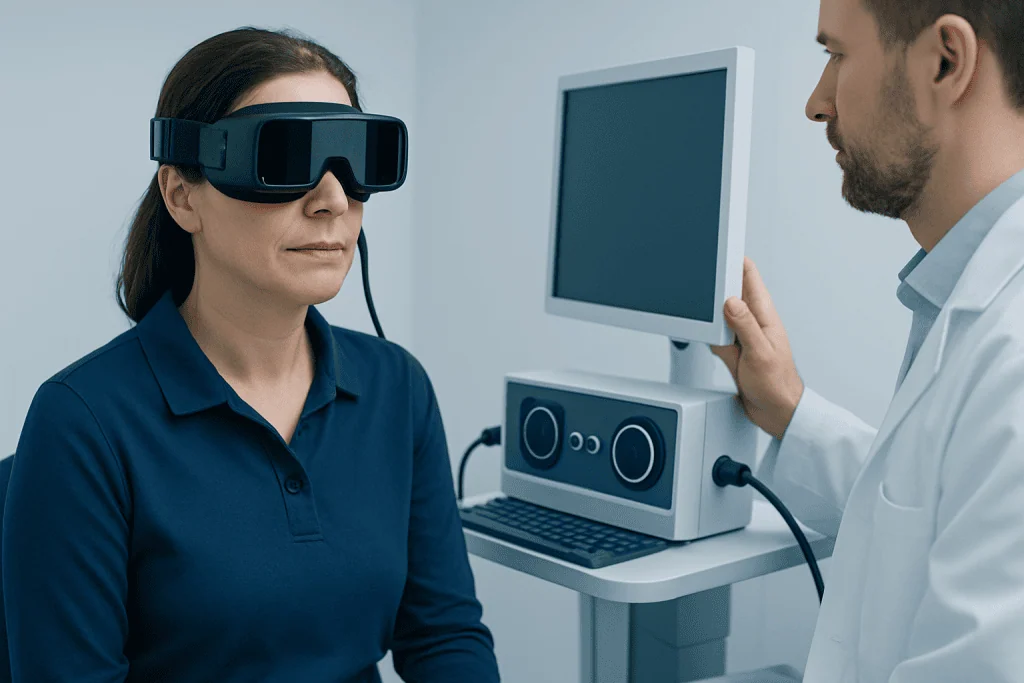
The main purpose of balance testing is to show how different parts of the body work together to maintain orientation and stability. Normally, the brain compares information from the inner ears, the eyes, and the muscles and joints. When one of these systems sends the wrong signal, dizziness or unsteadiness can occur. Neuro-otology tests help identify which pathway may be affected.
VNG, or videonystagmography, looks at involuntary eye movements called nystagmus. Because the inner ear and eye movement system are closely linked, abnormal eye movements can provide important clues about vestibular function. vHIT, or video head impulse testing, measures how well the eyes stay fixed on a target during very quick head movements. This helps assess the vestibulo-ocular reflex, which keeps vision steady when the head moves.
Balance exams may also include tests of posture and gait, computerized posturography, positional testing, and hearing assessments. These tests can help distinguish between a problem in one inner ear, both inner ears, a central nervous system issue, or a mixed pattern. Doctors may also combine the results with imaging or neurological evaluation if the symptoms suggest a broader cause.
No single test explains every case of dizziness. Instead, the findings are interpreted together. A person’s symptom pattern, whether episodes are brief or prolonged, whether hearing changes are present, and whether symptoms are triggered by turning in bed, standing up, or walking in the dark all add useful context to the results.
VNG: what happens during the test and what it can detect
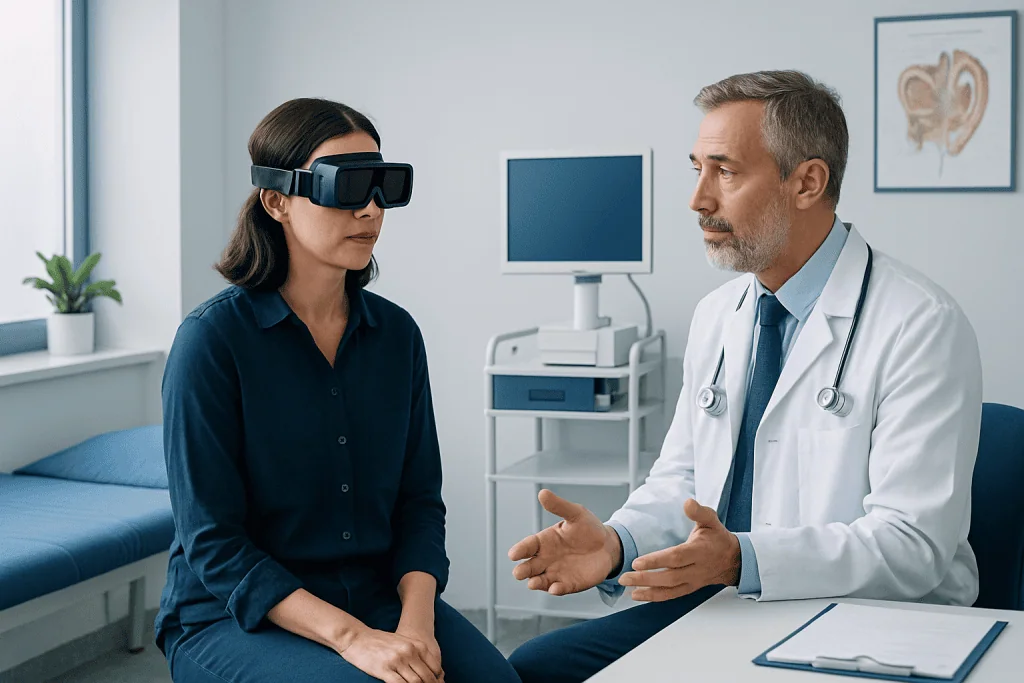
VNG is one of the most commonly used tests in a dizziness workup. During the test, the person wears special goggles with cameras that record eye movements. The clinician then performs a series of steps that may include following visual targets, changing head or body position, and testing how the balance system responds to stimulation of each ear. The test is painless, though it can temporarily trigger familiar dizziness.
One part of VNG assesses eye movements while the person looks at moving or stationary targets. Another part examines whether changing position causes nystagmus, which can be useful when dizziness is triggered by lying back or turning in bed. In many centers, VNG also includes caloric testing, in which warm and cool air or water is used to gently stimulate each inner ear separately. This can help detect weakness on one side.
VNG may help identify patterns linked to benign positional vertigo, unilateral vestibular weakness, central balance pathway problems, or poor coordination between visual and vestibular signals. If positional vertigo is suspected, doctors may also perform bedside positional maneuvers and, when appropriate, treatment maneuvers such as the Epley maneuver.
The results are most useful when considered alongside the person’s symptoms. For example, an abnormal caloric response may suggest reduced function in one inner ear, while certain eye movement findings may point toward a central neurological cause that needs further evaluation. A normal VNG does not always rule out vestibular disease, but it can help narrow the possibilities.
vHIT and other common balance tests
vHIT is a newer test that complements VNG rather than replacing it. During vHIT, the person wears lightweight goggles and focuses on a target while the examiner makes small, quick, gentle head movements. The equipment measures whether the eyes remain locked on the target. If they do not, the test may show reduced function in one or more semicircular canals of the inner ear.
One benefit of vHIT is that it tests high-frequency head movements, which are closer to what happens in everyday life. It can detect problems that may not appear on other tests and is often quick to perform. Because the head turns are brief, some people find the test easier than they expected, although it may still provoke short-lived symptoms.
Other common balance tests include positional maneuvers for dizziness triggered by head position, dynamic visual acuity testing, rotational chair testing in selected cases, and computerized posturography. Posturography assesses how well a person uses visual, vestibular, and body-position signals to stay upright under changing conditions. Gait and coordination testing may also be included to see how balance problems affect walking and daily function.
Hearing tests are often ordered alongside vestibular tests because hearing loss, ringing in the ears, or ear pressure can help point toward certain inner ear conditions. This combined approach may be useful when evaluating symptoms that overlap with Ménière’s disease or other disorders affecting both hearing and balance.
How to prepare and what to expect after testing
Preparation instructions vary by test center, so patients should follow the advice given by their doctor or audiology team. They may be asked to avoid certain medicines before testing, especially drugs that suppress dizziness or cause sleepiness, because these can affect results. Some centers also recommend avoiding alcohol for a period before the appointment and eating only a light meal if nausea is a concern.
It is helpful to wear comfortable clothing and, if possible, arrange for someone else to drive home if prior episodes have been severe. Some people feel tired, mildly nauseated, or temporarily off balance after testing, especially after caloric or positional parts of the exam. These effects usually settle within a short time, but resting afterward can be sensible.
Testing itself often takes longer than people expect because several parts may be done in the same visit. The team may ask detailed questions about when dizziness occurs, how long it lasts, whether hearing changes are present, and what movements trigger symptoms. These details are important because the same symptom word, such as “dizzy,” can reflect very different conditions.
After the test, the clinician reviews the recordings and interprets them in context. Results may support a diagnosis right away, or they may indicate the need for additional evaluation, such as neurological review, imaging, cardiovascular assessment, or more specialized vestibular studies.
How doctors use the results to make a diagnosis
Diagnosing dizziness is often like putting together several pieces of information rather than relying on a single answer from one test. Doctors consider the person’s symptom history, physical examination, hearing status, eye movements, and balance test pattern. This helps separate disorders of the peripheral vestibular system, such as inner ear causes, from central causes involving the brainstem or cerebellum.
For example, a test pattern may suggest one-sided vestibular loss after vestibular neuritis, brief positional vertigo caused by displaced crystals in the inner ear, or fluctuating vestibular function associated with an inner ear fluid problem. In other cases, testing may be normal between attacks, which can happen in some episodic conditions. That is why the timing of the symptoms still matters even when advanced testing is available.
If the findings point to a neurologic cause or if there are warning signs such as new weakness, double vision, severe headache, trouble speaking, or fainting, the doctor may recommend urgent additional evaluation. If symptoms look more consistent with a vestibular migraine pattern, clinical assessment is especially important because diagnosis may depend heavily on history even when vestibular tests are not strongly abnormal.
The final goal is to build a diagnosis that can guide treatment. In some patients, this may mean confirming a specific vestibular disorder; in others, it may mean ruling out serious causes and focusing on symptom management and rehabilitation.
Treatment options after dizziness testing
Treatment depends on what the tests and clinical evaluation show. When dizziness comes from benign positional vertigo, repositioning maneuvers may move the inner ear crystals back where they belong. When there is unilateral vestibular weakness, many patients improve with vestibular rehabilitation, a structured therapy program that helps the brain adapt and improve balance.
Some conditions may require medications, but the choice depends on the diagnosis and overall health of the person. Short-term symptom relief medicines may sometimes be used during severe attacks, while other patients may benefit more from preventive treatment aimed at the underlying cause. If hearing symptoms are also present, management may include audiologic follow-up and ear-focused evaluation.
In selected cases, treatment may involve care from more than one specialist, such as an ENT doctor, neurologist, audiologist, or physical therapist with vestibular expertise. Further testing or treatment may be considered if symptoms continue despite initial care. If a structural cause is suspected, doctors may discuss additional options, including imaging or targeted procedures.
Near the end of the diagnostic pathway, some patients need coordinated specialty care. Acibadem International’s multidisciplinary specialists and JCI-accredited hospitals diagnose and treat dizziness and vestibular disorders for international patients, including assessment in advanced neurology care and ENT services when appropriate.
Self-care, prevention, and when to seek medical attention
Not every cause of dizziness can be prevented, but a few practical steps may reduce the impact of symptoms. Staying hydrated, standing up slowly, getting enough sleep, and avoiding known triggers can help some people. If sudden head movements provoke symptoms, making position changes gradually may improve comfort until evaluation is completed.
Fall prevention is important, especially for older adults and anyone with persistent imbalance. Good lighting, supportive footwear, handrails, and removing loose rugs can lower the risk of injury. People who feel unsteady should be cautious on stairs, in the shower, and when walking outdoors on uneven ground.
Medical review is advisable when dizziness is recurrent, worsening, associated with hearing changes, or interfering with work, driving, walking, or daily life. It is especially important to seek prompt care if dizziness comes with chest pain, fainting, severe headache, trouble speaking, weakness, numbness, double vision, or a new inability to walk normally. These symptoms may suggest a cause that needs urgent attention.
Even when symptoms are not urgent, unexplained dizziness should not be ignored if it keeps returning. A structured neuro-otology evaluation can help clarify the cause, provide reassurance, and guide the most appropriate next steps for treatment and recovery.
Frequently asked questions
What is the difference between VNG and vHIT?
VNG and vHIT both evaluate balance function, but they look at it in different ways. VNG focuses on eye movements during visual tasks, positional changes, and often caloric stimulation, while vHIT checks how well the eyes stay fixed during quick head movements. Doctors often use them together because each test provides different information.
Are neuro-otology tests for dizziness painful?
These tests are usually not painful. Some parts may briefly trigger dizziness, nausea, or a sense of motion, especially if they are designed to reproduce typical symptoms. These feelings usually pass soon after the test ends.
How long do balance tests usually take?
The length depends on which tests are ordered. A focused assessment may be fairly short, while a full vestibular workup with VNG, vHIT, hearing tests, and postural testing can take longer. The clinic usually provides instructions on timing before the appointment.
Can test results be normal even if a person feels dizzy?
Yes. Some dizziness disorders are intermittent, so testing done between episodes may appear normal or only mildly abnormal. Doctors therefore rely on symptoms, history, examination, and test results together rather than on one result alone.
Should medicines be stopped before VNG or vHIT?
Patients should not stop medicines on their own, but some drugs can affect test accuracy. The testing center may ask about dizziness medicines, sedatives, antihistamines, or alcohol before the appointment. It is best to follow the specific instructions given by the doctor or clinic.
When should someone see a specialist for dizziness?
Specialist evaluation is helpful when dizziness keeps returning, lasts longer than expected, causes imbalance, or comes with hearing symptoms such as ringing or hearing loss. Urgent care is needed if dizziness is accompanied by fainting, severe headache, weakness, trouble speaking, or other sudden neurological symptoms.
This article is for general information only and is not a substitute for professional medical advice. Please consult a qualified doctor about your individual situation.
Explore treatments in Turkey — costs, top hospitals & a free quote
JCI-accredited · board-certified surgeons · reply within 24h
Add us as a Preferred Source to see more of our trusted health content across Google Search, AI Overviews and Discover.

More from the Health Library

Vertigo With Ear Fullness: Could It Be Meniere’s Disease?
Vertigo With Ringing in the Ear: When Neuro-Otology Testing Is Needed
Neuro-Otology for Chronic Dizziness: Which Symptoms Need Advanced Balance Testing?

Brain MRI for Persistent Dizziness: When Neuro-Otology Recommends Imaging

Persistent Dizziness Without Hearing Loss: Could It Be Neurological?