Neuro-Otology for Chronic Dizziness: Which Symptoms Need Advanced Balance Testing?

Dizziness is a symptom, not a diagnosis, and it has several possible causes. Neuro-otology evaluates both balance organs in the inner ear and how the brain processes balance signals.
Key Takeaways
- Dizziness is a symptom, not a diagnosis, and it has several possible causes.
- Neuro-otology evaluates both balance organs in the inner ear and how the brain processes balance signals.
- Advanced balance testing may be useful when dizziness is persistent, unexplained, recurrent, or associated with hearing or neurologic symptoms.
- Warning signs such as sudden weakness, trouble speaking, chest pain, or a new severe headache need urgent medical care.
- Many causes of chronic dizziness are treatable with targeted therapy, medication changes, or vestibular rehabilitation.
Chronic dizziness can come from the inner ear, the nervous system, vision, circulation, medications, or more than one cause at the same time. Neuro-otology focuses on finding the source of ongoing dizziness and deciding when advanced balance testing can help guide treatment.
Overview: What neuro-otology means in chronic dizziness
Neuro-otology is a subspecialty that focuses on dizziness, vertigo, balance problems, and disorders involving the inner ear and its connections to the brain. It is especially helpful when dizziness lasts for weeks or months, keeps returning, or does not fit a simple pattern. The goal is to understand whether symptoms come mainly from the vestibular system, the nervous system, or a combination of factors.
People often use the word dizziness to describe very different sensations. One person may feel that the room is spinning, another may feel lightheaded, and another may feel unsteady while walking. These differences matter because they point to different possible causes. Neuro-otology aims to sort out these sensations carefully rather than treating all dizziness as the same problem.
Chronic dizziness may be linked to common vestibular conditions such as benign paroxysmal positional vertigo, vestibular neuritis, Ménière disease, vestibular migraine, age-related balance decline, medication side effects, or neurologic conditions. In some people, anxiety, visual sensitivity, or neck problems can also play a role. A specialist assessment can help clarify what is driving symptoms and which tests, if any, are most useful.
Symptoms that may need advanced balance testing
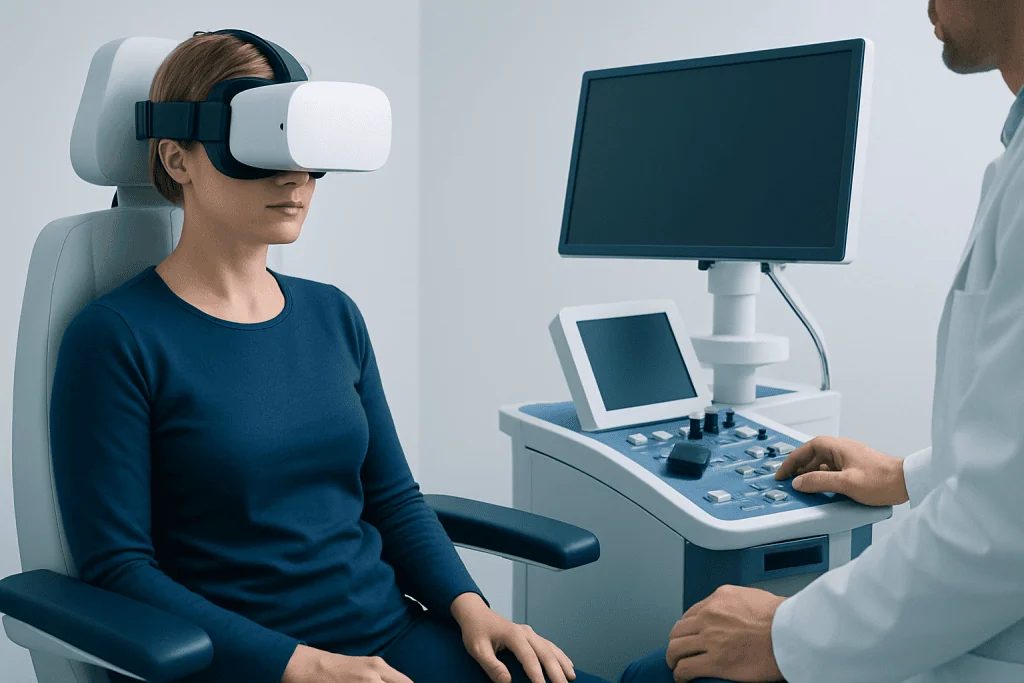
Advanced balance testing is not needed for every episode of dizziness. It is more often considered when symptoms are ongoing, difficult to explain, or affecting daily life despite initial treatment. Testing may be appropriate when dizziness lasts longer than a few weeks, keeps recurring, causes falls, or is accompanied by hearing changes, ear fullness, ringing in the ears, visual motion sensitivity, or unexplained imbalance.
Some symptom patterns are especially important. Repeated spinning attacks triggered by head movement may suggest a positional inner-ear problem, while brief dizziness with loud sounds or pressure changes may point to a different vestibular disorder. Unsteadiness in the dark, worsening balance on uneven ground, or difficulty focusing vision when walking may suggest a problem with vestibular reflexes. A history of migraines, headaches, nausea, or sensitivity to light and motion can raise suspicion for vestibular migraine.
A neuro-otology review may also be helpful if standard ear exams and routine scans have not explained symptoms, or if more than one condition may be present. Advanced testing can provide objective information about how each inner ear is working, how eye movements respond to balance signals, and how the brain integrates vestibular, visual, and sensory input.
- Dizziness or imbalance lasting weeks to months
- Frequent or unexplained recurrent vertigo attacks
- Falls or fear of falling
- Hearing loss, tinnitus, or ear pressure with dizziness
- Blurred vision or jumping vision during head movement
- Poor response to initial treatment
Common causes and risk factors

Chronic dizziness has many possible causes. Inner-ear causes include benign positional vertigo, vestibular neuritis, bilateral vestibular weakness, Ménière disease, and other vestibular disorders. Brain-related causes may include migraine, small vessel disease, multiple sclerosis, movement disorders, or less commonly a stroke or structural problem. General medical causes such as low blood pressure, anemia, dehydration, low blood sugar, and heart rhythm problems can also produce dizziness or faintness.
Medications are another important factor. Sedatives, some anti-seizure medicines, certain antibiotics, blood pressure drugs, and medications that affect alertness can contribute to imbalance or lightheadedness. In older adults, dizziness often has more than one cause at the same time, such as reduced vestibular function, poorer vision, neuropathy in the feet, and medication effects.
Risk factors for chronic dizziness include migraine, older age, previous ear infection or vestibular illness, cardiovascular disease, diabetes, anxiety, prolonged bed rest, and a history of falls. A person who has had one vestibular problem may later develop a second one, so symptoms do not always come from a single diagnosis. This is one reason a structured specialist evaluation can be valuable.
When symptoms seem related to the inner ear, a specialist may also consider overlap with conditions such as vertigo or Ménière disease. Looking at the full pattern of symptoms, rather than focusing on one episode alone, usually gives the clearest picture.
How neuro-otology diagnosis and balance testing work
Diagnosis starts with a detailed history. The specialist will usually ask what dizziness feels like, how long each episode lasts, what triggers it, whether hearing changes are present, and whether symptoms occur with headaches, infections, standing up, stress, or certain environments. A focused physical exam often includes eye movement testing, hearing review, positional maneuvers, gait assessment, and balance testing at the bedside.
If symptoms remain unclear, advanced balance testing may be recommended. Depending on the case, this can include videonystagmography, caloric testing, video head impulse testing, vestibular evoked myogenic potentials, rotational chair testing, dynamic visual acuity, posturography, and formal hearing tests. These tests do not all serve the same purpose. Some assess each inner ear separately, some evaluate how well the eyes stay stable with head motion, and some measure overall balance strategy.
Imaging is not needed for everyone, but MRI or other studies may be advised if there are neurologic symptoms, asymmetrical hearing loss, sudden changes, persistent unexplained imbalance, or concern about a central cause. In some patients, blood tests or cardiovascular evaluation are also appropriate. The aim is to use the right tests for the symptom pattern rather than ordering every test routinely.
Diagnostic workup may involve hearing and vestibular studies through hearing and balance tests and, when needed, detailed MRI imaging. This step-by-step approach helps avoid both under-evaluation and unnecessary testing.
Treatment options after the cause is identified
Treatment depends on the diagnosis. Benign positional vertigo is often treated with repositioning maneuvers. Vestibular neuritis or unilateral vestibular weakness may improve with time and structured exercises. Ménière disease management may include dietary measures, symptom control, and specialist follow-up. Vestibular migraine is usually approached by identifying triggers, improving sleep and hydration, and using migraine-directed treatment when appropriate.
Not all chronic dizziness is treated with medication. In many people, rehabilitation is one of the most effective tools. Vestibular rehabilitation uses specific movements and balance exercises to help the brain adapt to vestibular changes and improve stability. It may be particularly helpful for persistent imbalance, visual motion sensitivity, and recovery after vestibular injury.
When medication contributes to dizziness, a clinician may review whether a drug can be reduced, changed, or timed differently. Some patients also benefit from treatment of hearing problems, vision correction, hydration strategies, blood pressure management, anxiety support, or fall-prevention planning. Good care often combines several measures rather than relying on one single treatment.
For suitable patients, management can include vestibular rehabilitation as part of a broader care plan. If hearing symptoms are significant, further ENT and audiology input may also be useful.
Self-care, safety, and prevention
Self-care does not replace medical evaluation, but it can reduce triggers and improve safety. Regular hydration, consistent meals, adequate sleep, and rising slowly from bed or a chair may help some people. If dizziness is linked to migraine, keeping a symptom diary can help identify patterns involving stress, poor sleep, skipped meals, or certain sensory triggers.
Home safety matters when balance is reduced. Good lighting, handrails, removal of loose rugs, supportive footwear, and caution on stairs can lower fall risk. During active dizziness, driving, climbing, or working at heights may not be safe. It is sensible to ask a doctor when normal activities can be resumed.
Balance often improves more steadily when people stay gently active rather than avoiding movement completely. However, repeated self-treatment without a diagnosis is not ideal, because different causes of dizziness need different approaches. A persistent problem should be reviewed by a qualified clinician to make sure treatment matches the cause.
Near the end of care planning, some patients benefit from multidisciplinary assessment. Acibadem International offers diagnosis and treatment for dizziness and balance disorders through multidisciplinary specialists in JCI-accredited hospitals for international patients.
When to see a doctor urgently
Many causes of dizziness are not emergencies, but some symptoms need urgent attention. Immediate medical care is important if dizziness comes with sudden weakness or numbness, trouble speaking, double vision, severe difficulty walking, fainting, chest pain, shortness of breath, or a new severe headache. These features can suggest a stroke, heart problem, or another urgent condition.
Urgent assessment is also needed for sudden hearing loss, severe ear pain with infection symptoms, head injury, persistent vomiting, or a sudden major change in balance that is very different from previous episodes. If a person cannot keep fluids down or is becoming confused or unusually drowsy, prompt evaluation is important.
For non-urgent but ongoing symptoms, it is reasonable to arrange a routine medical review if dizziness lasts more than a few days, keeps coming back, interferes with work or walking, or leads to falls. Early assessment often makes treatment simpler and may reduce the impact on confidence, mobility, and everyday life.
Frequently asked questions
What is the difference between dizziness and vertigo?
Dizziness is a broad term that can include lightheadedness, imbalance, floating, or feeling faint. Vertigo is a specific type of dizziness in which a person feels spinning or motion when no movement is occurring. Describing the sensation clearly helps doctors narrow the cause.
When does chronic dizziness usually need a neuro-otology evaluation?
A neuro-otology assessment is often helpful when dizziness lasts for weeks, keeps returning, or remains unexplained after an initial checkup. It is also useful when symptoms occur with hearing changes, falls, visual motion sensitivity, or persistent imbalance.
Are advanced balance tests painful?
Most balance tests are noninvasive and are generally well tolerated. Some may briefly trigger dizziness or nausea because they are designed to measure how the balance system responds. The care team usually explains each test in advance and helps the patient recover comfortably afterward.
Can anxiety cause chronic dizziness?
Anxiety can contribute to dizziness, especially feelings of unsteadiness, lightheadedness, and sensitivity to motion or busy visual environments. However, dizziness should not automatically be assumed to be anxiety-related, because inner-ear, neurologic, and medical causes are also common. A proper assessment can identify whether anxiety is the main cause, a contributing factor, or a response to ongoing symptoms.
Is chronic dizziness treatable?
In many cases, yes. Treatment depends on the cause and may include repositioning maneuvers, vestibular rehabilitation, migraine management, medication review, hydration strategies, or treatment of hearing and neurologic conditions. Even when symptoms do not disappear immediately, targeted therapy often improves function and confidence.
Should a person avoid activity when dizzy?
Not always. During severe or sudden dizziness, rest and safety are important, but prolonged inactivity can slow recovery in some vestibular conditions. A doctor or therapist can advise which movements are safe and whether structured balance exercises would help.
This article is for general information only and is not a substitute for professional medical advice. Please consult a qualified doctor about your individual situation.
Explore treatments in Turkey — costs, top hospitals & a free quote
JCI-accredited · board-certified surgeons · reply within 24h
Add us as a Preferred Source to see more of our trusted health content across Google Search, AI Overviews and Discover.
Check your numbers in seconds
BMI, calories, due date, blood pressure and 30+ more clinical calculators — free, instant, doctor-reviewed ranges.

More from the Health Library

How to Choose an Otologist or Neurotologist: Questions Patients Should Ask

Otologic Symptoms That Should Not Be Ignored: Ear Fullness, Hearing Changes, and Imbalance

When Dizziness Is Neurological: Signs You May Need a Neuro-Otology Workup

Ménière-Like Symptoms Without Hearing Loss: Could It Be Vestibular Migraine?

When Is a Second Opinion Worth Getting for Ear and Balance Disorders?