

When Dizziness Is Neurological: Signs You May Need a Neuro-Otology Workup

Neurological dizziness may involve vertigo, imbalance, double vision, weakness, numbness, or trouble speaking. A neuro-otology workup helps distinguish inner ear causes from brain and nerve-related balance disorders.
Key Takeaways
- Neurological dizziness may involve vertigo, imbalance, double vision, weakness, numbness, or trouble speaking.
- A neuro-otology workup helps distinguish inner ear causes from brain and nerve-related balance disorders.
- Urgent evaluation is needed if dizziness comes with stroke-like symptoms, severe headache, or new walking difficulty.
- Diagnosis may include a detailed history, eye movement testing, hearing tests, balance assessment, and imaging when appropriate.
- Treatment depends on the cause and may include medication changes, vestibular rehabilitation, migraine care, or treatment of neurological disease.
Dizziness is common and often related to the inner ear, dehydration, medications, or blood pressure changes. However, some patterns of dizziness suggest a neurological cause and may benefit from a neuro-otology workup to evaluate the connection between the inner ear, balance system, eyes, and brain.
Overview: When dizziness may be neurological
Dizziness is a broad term that can mean lightheadedness, spinning, floating, rocking, or unsteadiness. Many episodes are not dangerous and may be linked to common issues such as dehydration, low blood pressure, anxiety, viral illness, medication side effects, or inner ear conditions. Still, dizziness can sometimes reflect a problem involving the nerves, brainstem, cerebellum, or the pathways that help coordinate balance and eye movements.
Neuro-otology is the area of medicine that looks at the overlap between the inner ear and the nervous system. A neuro-otology workup is often considered when dizziness is persistent, recurrent, difficult to explain, or accompanied by symptoms suggesting a neurological disorder. The goal is to understand whether symptoms are coming mainly from the vestibular system in the inner ear, from the brain, or from both.
Not every person with dizziness needs specialized neurological testing. However, the pattern of symptoms matters. Dizziness that is linked to abnormal eye movements, new hearing symptoms, severe imbalance, migraine features, or other neurological complaints may need closer assessment. A careful evaluation helps identify conditions such as vestibular migraine, central vertigo, nerve-related balance disorders, or less commonly stroke and other structural causes.
Signs that may suggest a neuro-otology workup
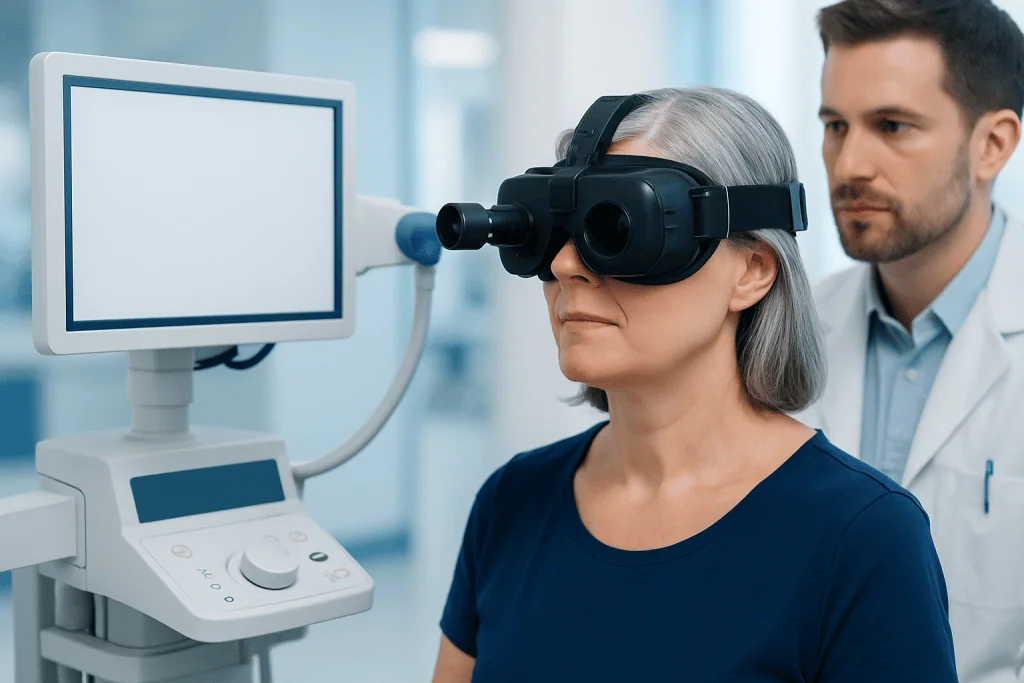
Some dizziness features are more concerning for a neurological or neuro-otologic cause than others. Vertigo, a false sensation of spinning or movement, can come from either the inner ear or the central nervous system. What raises concern is when dizziness is out of proportion to a simple positional trigger, lasts longer than expected, keeps returning without a clear reason, or causes major difficulty walking or focusing the eyes.
Symptoms that may point toward a neurological component include double vision, slurred speech, trouble swallowing, numbness, weakness, new severe headache, coordination problems, tremor, facial asymmetry, or confusion. Some people also notice involuntary eye movements, trouble reading while moving, sensitivity to visual motion, or a sense that the environment bounces when they walk.
A specialist may also consider a neuro-otology workup if dizziness occurs with migraine symptoms, unexplained falls, hearing changes in one ear, or persistent imbalance after an inner ear infection. In some cases, a person has already been treated for a common cause such as vertigo but still has ongoing symptoms, suggesting that a broader evaluation is needed.
- Dizziness with neurological symptoms such as weakness, numbness, or speech difficulty
- Persistent imbalance between episodes of vertigo
- Recurrent unexplained falls or difficulty walking straight
- Visual symptoms, including double vision or oscillopsia
- Dizziness associated with migraine, head injury, or unexplained hearing changes
Common causes of neurological dizziness

Neurological dizziness can arise from disorders affecting how the brain processes balance information. One important example is vestibular migraine, which can cause vertigo, motion sensitivity, head pressure, nausea, and imbalance with or without a typical headache. Other central causes include disorders of the brainstem or cerebellum, demyelinating disease, certain neuropathies, and after-effects of concussion or traumatic brain injury.
Sometimes dizziness reflects a mixed problem rather than a purely neurological one. An inner ear disorder may trigger abnormal signals, while the brain struggles to compensate. This can happen after vestibular neuritis, recurrent ear conditions, or age-related decline in balance function. Some people also have persistent dizziness made worse by visual motion, crowded spaces, or anxiety after an initial vestibular illness.
Medications, alcohol, sleep deprivation, and cardiovascular factors can also worsen balance symptoms and make diagnosis more complex. A neuro-otology workup helps separate these contributors. In selected cases, dizziness may overlap with conditions such as Ménière’s disease or vestibular migraine, which need careful differentiation because treatment approaches differ.
How doctors diagnose the cause
Diagnosis begins with a detailed history. Doctors ask what the person means by dizziness, how long episodes last, what triggers them, whether hearing changes occur, and whether there are headaches, visual symptoms, falls, or neurological warning signs. Timing and triggers are often more useful than the word “dizzy” alone. For example, seconds-long spinning when turning in bed suggests a different process than hours of imbalance with migraine symptoms.
The physical examination usually includes blood pressure checks, a neurological exam, hearing screening, and specific bedside balance tests. Eye movement testing is especially important because the pattern of nystagmus, or involuntary eye movement, can help distinguish peripheral vestibular disorders from central neurological causes. Gait, coordination, and the ability to maintain posture may also provide important clues.
Depending on the situation, further tests may include formal audiology, vestibular function testing, video head impulse testing, caloric testing, positional testing, and imaging such as MRI. If there is concern for stroke, demyelination, tumor, or structural brain disease, brain imaging may be recommended promptly. Some patients may also need blood tests or heart rhythm evaluation to exclude non-neurological causes of dizziness.
In more complex cases, the workup may involve a multidisciplinary team. This can include neurology, otolaryngology, audiology, neuroradiology, and physical therapy specialists. When symptoms are persistent or functionally limiting, targeted evaluation can guide therapies such as vestibular rehabilitation or further neurological testing.
Treatment options for neurological dizziness
Treatment depends on the underlying diagnosis rather than dizziness alone. If the cause is vestibular migraine, management may focus on identifying triggers, improving sleep, regular meals, hydration, stress reduction, and migraine-directed medicines when appropriate. If symptoms are related to a central nervous system disorder, treatment is directed at that condition. For some people, reviewing current medications is an important first step, since sedatives and other drugs can worsen balance and slow compensation.
Balance-focused therapy plays a major role for many patients. Vestibular rehabilitation uses structured exercises to improve gaze stability, balance, walking, and tolerance of motion. This is especially helpful after vestibular neuritis, concussion-related dizziness, chronic imbalance, and some mixed peripheral-central disorders. People with persistent visual sensitivity or motion intolerance may also benefit from gradual exposure-based rehabilitation.
When a structural or disease-specific problem is found, treatment may involve additional specialty care. For example, some patients need advanced imaging, neurologic treatment plans, or management of accompanying hearing symptoms. In selected cases, doctors may recommend further evaluation with brain MRI or treatment pathways related to neurology rehabilitation if symptoms affect daily function.
Self-care, safety, and what may help at home
While a diagnosis is being clarified, practical self-care can reduce symptoms and lower the risk of falls. Staying hydrated, standing up slowly, sleeping regularly, limiting excess alcohol, and keeping a consistent eating schedule may help. If a person notices specific triggers such as poor sleep, skipped meals, bright visual environments, or certain head movements, tracking these patterns can be useful for medical visits.
Home safety matters when dizziness affects walking or stability. Good lighting, handrails, non-slip mats, and avoiding sudden climbing or driving during active symptoms can reduce injury risk. It may also help to sit or lie down when severe spinning begins, especially if nausea or visual blurring is present.
It is usually best not to start repeated head exercises without guidance unless a doctor has already confirmed the cause. Some exercises help conditions like benign positional vertigo, but others may worsen certain neurological or migraine-related dizziness. If symptoms are frequent, keeping a symptom diary with timing, triggers, headache features, hearing changes, and medications can support a more accurate diagnosis.
When to see a doctor urgently
Urgent medical attention is needed when dizziness starts suddenly and is accompanied by signs that could suggest stroke or another serious neurological problem. These include one-sided weakness, facial drooping, numbness, severe trouble walking, fainting, new confusion, vision loss, double vision, slurred speech, trouble swallowing, or a sudden severe headache. Even if dizziness is the main symptom, these associated features should not be ignored.
Prompt evaluation is also important if dizziness follows head trauma, is associated with chest pain or palpitations, causes repeated vomiting, or leads to new falls. People with major risk factors such as older age, prior stroke, atrial fibrillation, diabetes, or uncontrolled high blood pressure should be especially cautious when dizziness is sudden or unusually intense.
If symptoms are not emergent but keep recurring, affect work or driving, or do not improve as expected, a specialist assessment may help. Near the end of the care pathway, some patients may benefit from evaluation in centers with multidisciplinary expertise. Acibadem International’s multidisciplinary specialists in JCI-accredited hospitals diagnose and treat balance, hearing, and neurological disorders for international patients.
Frequently asked questions
How can someone tell if dizziness is neurological?
Dizziness may be neurological when it comes with symptoms such as double vision, weakness, numbness, trouble speaking, severe imbalance, or a new severe headache. It can also be suspected when episodes are persistent, unexplained, or do not fit a typical inner ear pattern. A doctor uses the history, examination, and sometimes testing to tell the difference.
What does a neuro-otology workup involve?
A neuro-otology workup usually includes a detailed discussion of symptoms, timing, triggers, hearing changes, migraine features, and neurological signs. The examination often focuses on eye movements, balance, coordination, gait, and hearing. Some people also need vestibular testing, hearing tests, or brain imaging.
Is neurological dizziness the same as vertigo?
Not exactly. Vertigo is a specific type of dizziness that feels like spinning or motion, and it can come from either the inner ear or the brain. Neurological dizziness is a broader term that includes central causes of vertigo as well as imbalance and visually triggered dizziness related to the nervous system.
Can migraine cause dizziness without a headache?
Yes. Vestibular migraine can cause vertigo, motion sensitivity, rocking, nausea, and imbalance even when a headache is mild or absent. This is one reason dizziness can be difficult to recognize without specialist evaluation.
When should dizziness be treated as an emergency?
Emergency care is needed if dizziness comes with weakness, facial drooping, numbness, trouble speaking, sudden severe headache, vision loss, fainting, or severe difficulty walking. These symptoms can signal stroke or another urgent problem. Sudden dizziness after head injury or with chest pain also needs prompt assessment.
Can neurological dizziness get better?
Many causes of neurological dizziness can improve with the right treatment and rehabilitation. Recovery depends on the diagnosis, how long symptoms have been present, and whether there are contributing factors such as migraine, medication effects, or anxiety. Early evaluation can help guide a more effective care plan.
References
- National Institute on Deafness and Other Communication Disorders
- National Institute of Neurological Disorders and Stroke
- American Academy of Neurology
- American Academy of Otolaryngology–Head and Neck Surgery
- Centers for Disease Control and Prevention
This article is for general information only and is not a substitute for professional medical advice. Please consult a qualified doctor about your individual situation.
Explore treatments in Turkey — costs, top hospitals & a free quote
JCI-accredited · board-certified surgeons · reply within 24h
Add us as a Preferred Source to see more of our trusted health content across Google Search, AI Overviews and Discover.
Check your numbers in seconds
BMI, calories, due date, blood pressure and 30+ more clinical calculators — free, instant, doctor-reviewed ranges.

More from the Health Library



Related Specialists

Assoc. Prof. Dr. Semiha Urvay
Medical Oncology
Dr. Ioseb Gabunia
Inpatient Clinic Physicians Clinical Service
Dr. Mehmet Meriç
Gastroenterology
Assoc. Prof. Dr. Zeynep Selen Aslan
Pediatric Neurology