Neuroborreliosis: When Lyme Disease Reaches the Nervous System

Neuroborreliosis happens when Lyme disease affects the nervous system. Common symptoms can include facial weakness, nerve pain, headache, neck stiffness, numbness, or problems with concentration.
Key Takeaways
- Neuroborreliosis happens when Lyme disease affects the nervous system.
- Common symptoms can include facial weakness, nerve pain, headache, neck stiffness, numbness, or problems with concentration.
- Diagnosis usually combines symptoms, medical history, exposure risk, physical examination, and targeted blood or spinal fluid tests.
- Treatment typically involves antibiotics, with the choice depending on the person’s symptoms and disease severity.
- Early recognition of Lyme disease and tick-bite prevention can reduce the risk of complications.
Neuroborreliosis is a form of Lyme disease in which the infection affects the brain, spinal cord, nerves, or the tissues around them. With timely medical evaluation and appropriate antibiotic treatment, most people improve, although recovery may take time.
Overview
Neuroborreliosis is a neurological complication of Lyme disease, an infection caused by Borrelia bacteria transmitted through the bite of certain ticks. It develops when the infection involves the nervous system, affecting structures such as the peripheral nerves, the membranes around the brain and spinal cord, or less commonly the brain or spinal cord itself.
This condition can appear weeks to months after a tick bite, although some people may not remember being bitten. In many cases, neuroborreliosis is treatable, especially when recognized early. Because symptoms can overlap with other neurological conditions, careful medical assessment is important.
The exact pattern can differ from person to person. Some people mainly develop painful nerve symptoms or facial weakness, while others have headache, neck stiffness, sensory changes, or difficulties with balance or thinking. A doctor may also consider related conditions such as Lyme disease when evaluating these symptoms.
Symptoms
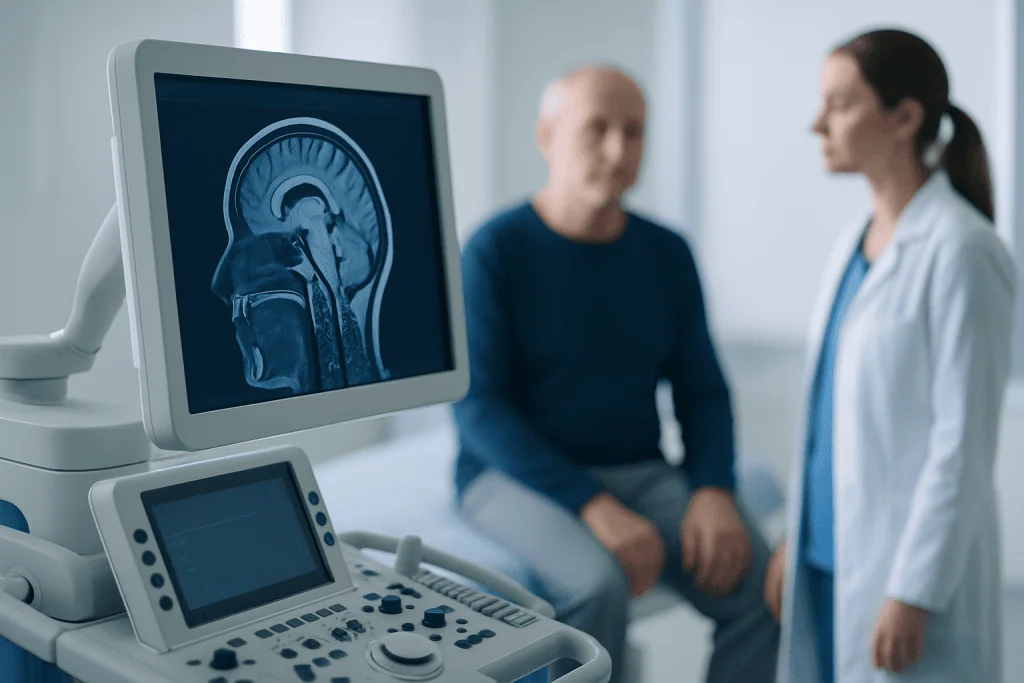
Symptoms of neuroborreliosis depend on which part of the nervous system is affected. One of the more recognized presentations is facial nerve palsy, which may cause one side of the face to droop or feel weak. Some people can have weakness on both sides, especially in children.
Other common symptoms include severe headache, neck stiffness, sensitivity to light, shooting or burning nerve pain, numbness, tingling, and unusual fatigue. Pain may radiate from the back or neck into the arms or legs if nerve roots are inflamed. Sleep disturbance and reduced concentration can also occur.
Less commonly, neuroborreliosis may cause balance problems, hearing changes, memory difficulties, weakness in the limbs, or bladder symptoms. These symptoms do not always mean Lyme-related nervous system infection, but they do warrant medical attention, especially after possible tick exposure.
- Facial drooping or facial weakness
- Headache and neck stiffness
- Nerve pain, tingling, or numbness
- Fatigue and difficulty concentrating
- Weakness, balance changes, or sensory symptoms
Causes and Risk Factors
Neuroborreliosis is caused by infection with Borrelia bacteria after a tick bite. Not every tick carries the bacteria, and not every tick bite leads to Lyme disease. However, in areas where Lyme disease is present, people who spend time in wooded, grassy, or brush-filled environments may have a higher chance of exposure.
The condition usually arises when Lyme disease is not identified early or when the infection spreads beyond the skin. A characteristic early rash called erythema migrans may appear, but not everyone notices it. Flu-like symptoms, fever, body aches, or fatigue may also happen early in the illness.
Risk factors include outdoor work or recreation, hiking, camping, gardening, and living in or traveling to regions where infected ticks are common. Children and adults of any age can develop neuroborreliosis. Prompt recognition of early Lyme infection may help reduce the chance of nervous system involvement.
How It Is Diagnosed
Diagnosis begins with a detailed history and neurological examination. The doctor will ask about symptoms, recent travel, outdoor activities, possible tick bites, and whether there was a rash or earlier illness suggestive of Lyme disease. Because many neurological disorders can look similar, the evaluation is designed to rule out other causes as well.
Blood tests for Lyme antibodies are commonly used, but they are interpreted together with symptoms and timing. In some cases, especially when the central nervous system may be involved, a lumbar puncture may be recommended to examine cerebrospinal fluid. This can help look for signs of inflammation and support the diagnosis.
Additional tests may include nerve studies or imaging, depending on the symptoms. If there is concern about weakness, facial palsy, or more complex neurological symptoms, physicians may use neurology evaluation and imaging such as MRI to look for alternative explanations or complications. No single test is perfect on its own, so diagnosis relies on the full clinical picture.
Treatment Options
Neuroborreliosis is usually treated with antibiotics. The type, route, and duration depend on the pattern and severity of nervous system involvement. Some people can be treated with oral antibiotics, while others, particularly those with more significant central nervous system symptoms, may need intravenous treatment under closer supervision.
Supportive care is also important. Pain management, rest, hydration, and treatment of specific symptoms such as sleep problems or facial weakness may be part of the plan. If recovery affects movement, balance, or daily function, a doctor may recommend physical therapy and rehabilitation to support strength and confidence.
Most people improve after appropriate antibiotic therapy, but symptoms may not disappear immediately. Nerves and inflamed tissues can take time to recover, so gradual improvement is common. Persistent or returning symptoms should be reassessed by a qualified doctor rather than self-treated.
Recovery, Prevention, and Self-Care
Recovery varies from person to person. Some individuals feel better within weeks, while others need longer for nerve-related symptoms, fatigue, or concentration problems to settle. Following the full treatment plan and attending follow-up visits can help ensure the infection and its effects are monitored properly.
Self-care focuses on rest, balanced nutrition, hydration, and pacing activities during recovery. People with facial weakness may need practical advice on eye protection if eyelid closure is incomplete. Those with pain or reduced mobility should speak with their doctor before starting exercise or home remedies.
Prevention centers on avoiding tick bites. Helpful steps include using appropriate insect repellent, wearing long sleeves and trousers in high-risk areas, checking the skin after time outdoors, showering after exposure, and removing ticks promptly and correctly. Early treatment of suspected Lyme disease can lower the risk of complications such as meningitis-like symptoms or peripheral nerve involvement.
When to See a Doctor
A doctor should be consulted if there is a possible tick bite followed by a spreading rash, fever, unusual fatigue, or neurological symptoms. Facial drooping, severe headache, neck stiffness, new numbness, shooting pains, or weakness deserve prompt medical attention.
Urgent assessment is especially important if symptoms are rapidly worsening, affecting walking, causing confusion, or interfering with bladder control. These symptoms can have several causes, not only Lyme disease, and some require immediate treatment.
For people needing specialist assessment, Acibadem International’s multidisciplinary teams in JCI-accredited hospitals evaluate and treat neurological infections for international patients. A careful review by infectious disease and neurosciences specialists can help guide diagnosis, treatment, and recovery planning.
Frequently asked questions
Is neuroborreliosis the same as Lyme disease?
Neuroborreliosis is not a separate disease, but a form of Lyme disease that affects the nervous system. It is one possible complication of infection with Borrelia bacteria after a tick bite.
Can neuroborreliosis be cured?
Many people recover well with appropriate antibiotic treatment, especially when diagnosis is made early. Recovery may continue gradually over time, particularly if nerves were inflamed or irritated.
What are the first signs of neuroborreliosis?
Early signs can include severe headache, neck stiffness, facial weakness, nerve pain, tingling, or unusual fatigue after possible tick exposure. Some people also had an earlier rash or flu-like illness, but not everyone notices these symptoms.
Do all people with Lyme disease develop neuroborreliosis?
No. Most people with Lyme disease do not develop nervous system involvement, especially if the infection is recognized and treated early. Neuroborreliosis is an important but less common complication.
How long does recovery take?
Recovery time varies depending on the symptoms, how early treatment began, and which nerves or structures were affected. Some people improve within weeks, while others need several months for full or near-full recovery.
Can a person have neuroborreliosis without remembering a tick bite?
Yes. Tick bites can be small and painless, so they may go unnoticed. Doctors often diagnose the condition based on the combination of symptoms, exposure risk, examination findings, and test results rather than a remembered bite alone.
References
- Centers for Disease Control and Prevention
- National Institute of Neurological Disorders and Stroke
- European Centre for Disease Prevention and Control
- Infectious Diseases Society of America
- World Health Organization
This article is for general information only and is not a substitute for professional medical advice. Please consult a qualified doctor about your individual situation.
Lyme Disease in Turkey — costs, top hospitals & a free quote
JCI-accredited · board-certified surgeons · reply within 24h
Add us as a Preferred Source to see more of our trusted health content across Google Search, AI Overviews and Discover.

More from the Health Library


Related Specialists

Prof. Dr. Metin Gürsürer
Cardiology
Assoc. Prof. Dr. Ahmet Arnaz
Cardiovascular Surgery
Assoc. Prof. Dr. Oğuz Kaan Ünal
Endocrinology
Dyt. Zübeyde Demet Cerit
Nutrition & Diet