Neurogastroenterology and Motility Disorders: What Patients Need to Know

These disorders involve problems with digestive movement, sensation, or gut-brain communication. Symptoms may include reflux, trouble swallowing, nausea, bloating, constipation, diarrhea, or chronic abdominal discomfort.
Key Takeaways
- These disorders involve problems with digestive movement, sensation, or gut-brain communication.
- Symptoms may include reflux, trouble swallowing, nausea, bloating, constipation, diarrhea, or chronic abdominal discomfort.
- Diagnosis often combines a careful history with targeted tests such as endoscopy, manometry, gastric emptying studies, or transit testing.
- Treatment depends on the specific disorder and may include diet changes, medicines, pelvic floor therapy, or procedures.
- Persistent symptoms, weight loss, bleeding, or trouble swallowing should be assessed by a doctor.
Neurogastroenterology and motility disorders are conditions that affect how the digestive tract moves and how nerves in the gut communicate with the brain. They can cause symptoms such as swallowing difficulty, heartburn, nausea, bloating, constipation, diarrhea, or abdominal pain, but many people improve with the right evaluation and treatment plan.
Overview
Neurogastroenterology and motility disorders are a group of conditions that affect the nerves and muscles of the digestive tract. In a healthy digestive system, food moves in a coordinated way from the esophagus to the stomach, small intestine, colon, and rectum. This movement depends on complex communication between the gut, the nervous system, and the brain, often called the gut-brain axis.
When this coordination is disrupted, the digestive tract may move too slowly, too quickly, too forcefully, or in an uncoordinated way. In some people, the main problem is movement, such as delayed stomach emptying or difficulty with bowel transit. In others, the gut may also become overly sensitive, so normal digestion feels painful or uncomfortable.
These conditions can involve different parts of the digestive system. Examples include swallowing disorders, esophageal spasm, reflux related to motility issues, achalasia, gastroparesis, chronic constipation, pelvic floor dysfunction, and some disorders of bowel function such as irritable bowel syndrome. Although symptoms can be frustrating and long-lasting, they are real medical conditions and can often be managed successfully with expert care.
Symptoms
Symptoms vary depending on which part of the digestive tract is affected. Problems in the esophagus may cause difficulty swallowing, chest discomfort, food sticking, regurgitation, or ongoing heartburn. Stomach motility disorders may lead to early fullness, nausea, vomiting, upper abdominal discomfort, and bloating after meals.
When the small intestine or colon is involved, people may notice abdominal pain, visible distension, constipation, diarrhea, or an alternating bowel pattern. Some also feel an urgent need to use the toilet, incomplete emptying, or the need to strain. Pelvic floor dysfunction can make bowel movements difficult even when stool is soft.
Symptoms can fluctuate over time and are sometimes worse after meals, during stress, or when sleep is poor. Common symptoms include:
- Heartburn or regurgitation
- Difficulty swallowing
- Nausea or vomiting
- Feeling full quickly
- Bloating and abdominal distension
- Constipation or diarrhea
- Abdominal pain or cramping
- Sensation of incomplete bowel emptying
Because these symptoms overlap with many other digestive conditions, medical evaluation is important. A diagnosis should not be based on symptoms alone, especially if there are warning signs such as weight loss, bleeding, or worsening swallowing problems.
Causes and Risk Factors

Neurogastroenterology and motility disorders can have several causes. Sometimes there is a clear underlying problem, such as diabetes, prior surgery, certain medications, connective tissue disease, thyroid disorders, neurologic disease, or a previous infection. In other cases, no single cause is found, but gut nerves, muscles, or signaling pathways are not functioning normally.
The gut contains its own extensive nervous system, known as the enteric nervous system. This system works closely with the brain and autonomic nerves to regulate movement, secretion, and sensation. Changes in this network may alter how food moves and how the gut senses stretching, gas, or normal digestive activity. This is one reason symptoms can be very physical even when standard scans appear normal.
Risk factors depend on the specific disorder but may include:
- Diabetes and blood sugar fluctuations
- Previous abdominal or esophageal surgery
- Medication effects, including some pain medicines
- Autoimmune or connective tissue conditions
- Neurologic disorders
- A history of gastrointestinal infection
- Pelvic floor injury or childbirth-related changes
- Stress, anxiety, or poor sleep, which can worsen gut-brain symptoms
It is important to understand that stress does not mean symptoms are imagined. Rather, stress can influence the gut-brain axis and make existing digestive symptoms more noticeable or harder to control.
How Doctors Diagnose These Disorders
Diagnosis begins with a detailed medical history. The doctor will ask what symptoms occur, how long they have been present, whether they are related to eating or bowel movements, and whether there are warning signs such as anemia, weight loss, vomiting, bleeding, or difficulty swallowing. A physical examination and basic blood tests may help rule out other conditions.
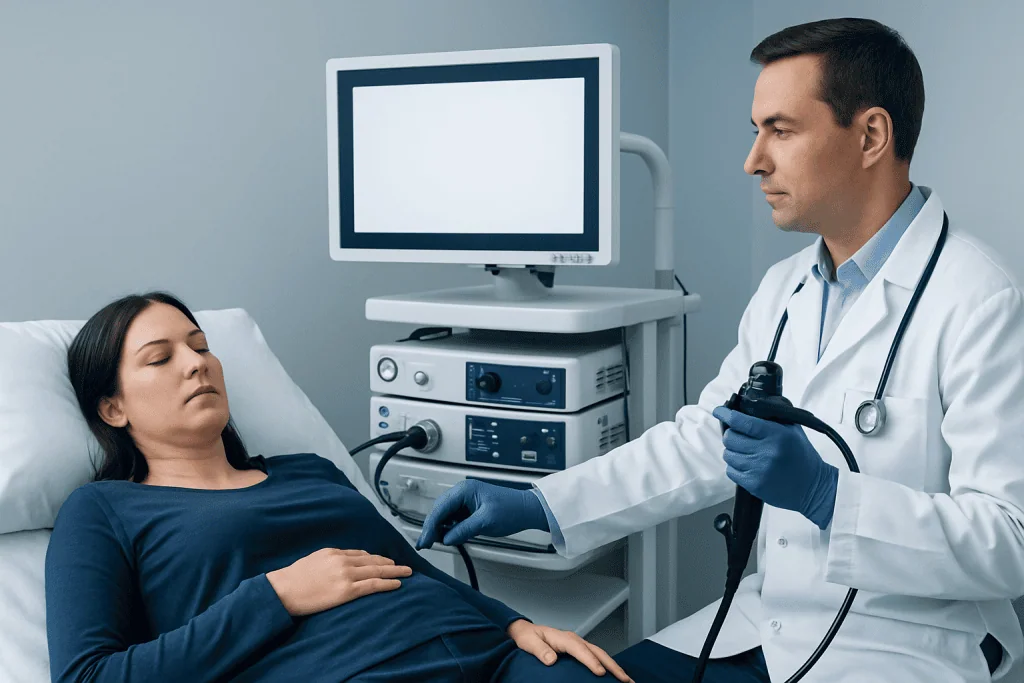
Further testing depends on the symptom pattern. Some people need an upper endoscopy to check for inflammation, narrowing, ulcers, or other structural causes. Others may benefit from imaging, stool tests, or breath tests. If the main concern is movement or coordination, specialized motility testing may be recommended.
Tests used in neurogastroenterology may include:
- Esophageal manometry to measure swallowing muscle coordination and pressure
- 24-hour pH or impedance testing for reflux assessment
- Gastric emptying studies for suspected gastroparesis
- Colonic transit testing for chronic constipation
- Anorectal manometry and balloon expulsion testing for pelvic floor disorders
- Endoscopy or colonoscopy when structural disease needs to be excluded
The goal is to match treatment to the exact problem. For example, difficulty swallowing from achalasia requires a different approach from reflux, and chronic constipation caused by pelvic floor dysfunction differs from slow-transit constipation. A careful diagnosis helps avoid unnecessary treatments and supports better symptom control.
Treatment Options
Treatment depends on the diagnosis, symptom severity, nutrition status, and overall health. Many care plans combine more than one approach. Dietary changes, lifestyle adjustments, medicines, and rehabilitation therapies often work together. The aim is to improve comfort, nutrition, bowel function, and quality of life.
Dietary advice may include smaller, more frequent meals, adjusting fiber intake, reducing very fatty meals, limiting trigger foods, and supporting hydration. Some patients benefit from seeing a dietitian with experience in digestive disorders. Medicines may be used to reduce nausea, help movement in the upper or lower gut, treat reflux, ease spasms, or improve bowel habits, depending on the condition.
Some disorders need more targeted treatment. For severe swallowing problems, doctors may consider therapies such as achalasia treatment. In selected patients with delayed stomach emptying, additional options for gastroparesis treatment may be discussed. Chronic or difficult-to-control reflux symptoms can sometimes require a structured evaluation and personalized reflux treatment. Pelvic floor dysfunction may improve with biofeedback therapy guided by trained specialists.
When symptoms are complex or long-standing, multidisciplinary care can be especially helpful. This may include gastroenterologists, dietitians, surgeons, pelvic floor therapists, radiologists, and sometimes psychologists familiar with the gut-brain connection. Near the end of the care pathway, some international patients choose centers such as Acibadem International, where multidisciplinary specialists in JCI-accredited hospitals evaluate and treat neurogastroenterology and motility disorders.
Prevention and Self-care
Not all motility disorders can be prevented, but healthy routines may reduce symptom flare-ups and support treatment. Eating regular meals, chewing well, and avoiding lying down immediately after eating can help some upper digestive symptoms. Adequate fluid intake, regular physical activity, and a bowel routine may support healthier bowel function.
Self-care should be tailored to the specific diagnosis. For example, a person with constipation may be advised to optimize fiber and hydration, while someone with significant bloating or gastroparesis may need a different eating pattern. Because one-size-fits-all advice can backfire, it is best to follow a plan based on medical guidance.
Helpful self-care measures may include:
- Keeping a symptom and food diary
- Eating smaller meals if fullness or nausea is a problem
- Staying physically active when possible
- Maintaining regular sleep habits
- Using the bathroom without rushing or excessive straining
- Managing stress with relaxation, breathing, or counseling support
If symptoms are linked with emotional stress, care may include mind-body strategies alongside medical treatment. These approaches do not replace medical evaluation, but they can help calm the gut-brain axis and improve day-to-day symptom control.
When to See a Doctor
Anyone with persistent digestive symptoms that interfere with eating, work, sleep, or daily activities should consider medical assessment. It is especially important to seek advice if symptoms last for several weeks, continue to return, or do not improve with simple measures.
Urgent evaluation is needed for warning signs such as trouble swallowing, food getting stuck, repeated vomiting, blood in vomit or stool, black stools, unexplained weight loss, fainting, dehydration, or severe abdominal swelling and pain. These symptoms do not always mean a serious disease, but they should not be ignored.
People with diabetes, prior abdominal surgery, neurologic disease, or known connective tissue disorders may be more likely to develop certain motility problems and should mention this history during the consultation. Early assessment can make treatment more effective and help protect nutrition and quality of life.
If a person has already been diagnosed but symptoms are changing, follow-up is still important. The treatment plan may need adjustment, and new symptoms can sometimes point to a different or additional digestive condition.
Frequently asked questions
What is neurogastroenterology?
Neurogastroenterology is a field of medicine that focuses on how the nerves and muscles of the digestive tract work together. It looks at problems involving gut movement, sensation, and communication between the digestive system and the brain.
Are motility disorders the same as acid reflux or IBS?
Not exactly. Acid reflux and irritable bowel syndrome can be related to motility or gut-brain function, but they are not all the same condition. Motility disorders more specifically describe abnormal movement or coordination in the digestive tract.
Can stress cause neurogastroenterology and motility disorders?
Stress can worsen symptoms and affect the gut-brain axis, but it is usually not the only factor. These disorders involve real changes in digestive function, nerve signaling, muscle coordination, or sensitivity.
How are motility disorders tested?
Testing depends on symptoms and may include endoscopy, esophageal manometry, reflux monitoring, gastric emptying studies, colon transit tests, or anorectal function tests. A doctor chooses the tests based on which part of the digestive tract seems affected.
Are these disorders treatable?
Yes, many are treatable or manageable, although treatment is different for each diagnosis. People often improve with a combination of diet changes, medicines, physical therapy such as biofeedback, and in some cases procedures.
When should someone worry about digestive symptoms?
A doctor should assess symptoms that are persistent, recurrent, or disruptive to daily life. Immediate attention is important for difficulty swallowing, vomiting, bleeding, black stools, dehydration, unexplained weight loss, or severe pain.
References
- National Institute of Diabetes and Digestive and Kidney Diseases
- American College of Gastroenterology
- International Foundation for Gastrointestinal Disorders
- National Institute for Health and Care Excellence
- American Gastroenterological Association
This article is for general information only and is not a substitute for professional medical advice. Please consult a qualified doctor about your individual situation.
Neurogastroenterology in Turkey — costs, top hospitals & a free quote
JCI-accredited · board-certified surgeons · reply within 24h
Add us as a Preferred Source to see more of our trusted health content across Google Search, AI Overviews and Discover.

Gastroenterology
Diagnosis and treatment of the digestive system and liver, with advanced endoscopy.
46 specialists in this unit