Neurological vs Neuromuscular Disorders: What Is the Difference?
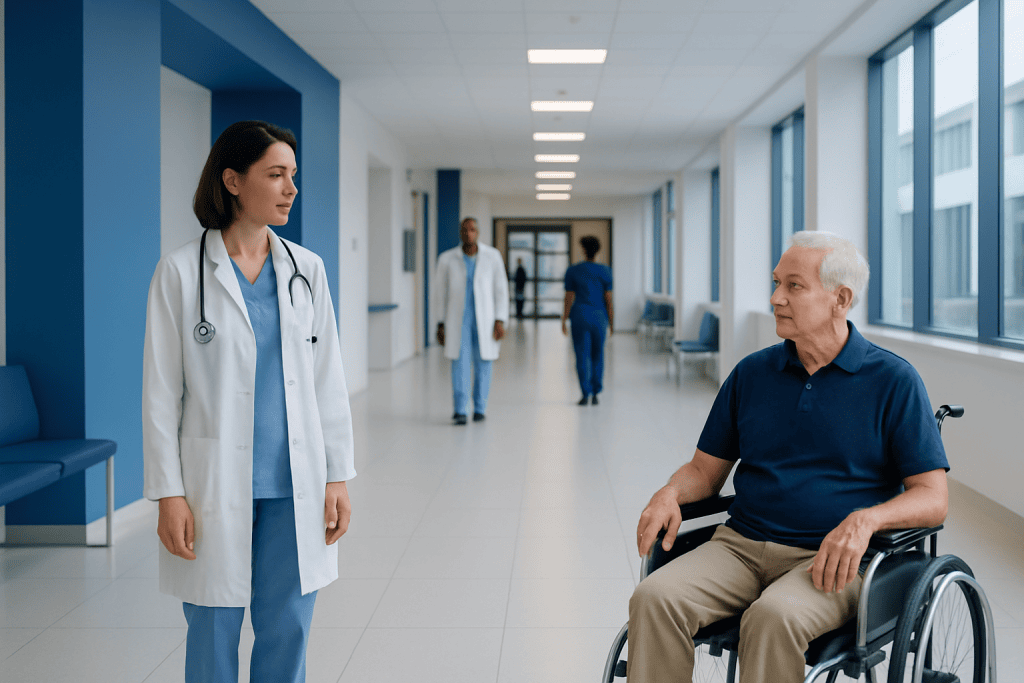
Neurological disorders involve the brain, spinal cord, or peripheral nerves and can affect movement, sensation, thinking, speech, and balance. Neuromuscular disorders are a subgroup of nervous system conditions that mainly impair muscles, motor nerves, or the neuromuscular junction.
Key Takeaways
- Neurological disorders involve the brain, spinal cord, or peripheral nerves and can affect movement, sensation, thinking, speech, and balance.
- Neuromuscular disorders are a subgroup of nervous system conditions that mainly impair muscles, motor nerves, or the neuromuscular junction.
- Weakness, fatigue, cramping, numbness, or coordination problems can overlap, so diagnosis often requires neurological examination and specialized tests.
- Treatment depends on the exact cause and may include medication, rehabilitation, respiratory support, or surgery in selected cases.
- Early medical assessment can help clarify the diagnosis and support symptom control, safety, and long-term planning.
Neurological and neuromuscular disorders are related but not the same. The main difference is where the problem begins: neurological disorders affect the brain, spinal cord, or nerves, while neuromuscular disorders mainly affect the nerves that control movement, the connection between nerve and muscle, or the muscles themselves.
Overview: how these disorders differ
The terms neurological disorder and neuromuscular disorder are sometimes used interchangeably in everyday conversation, but they describe different groups of conditions. A neurological disorder is a broad term for diseases that affect the nervous system, including the brain, spinal cord, and peripheral nerves. These conditions may influence movement, sensation, speech, memory, mood, balance, or automatic body functions such as swallowing and bladder control.
A neuromuscular disorder is more specific. It usually affects the motor nerves, the neuromuscular junction where nerve signals pass to muscle, or the muscles themselves. In other words, neuromuscular conditions mainly interfere with the body’s ability to create normal muscle movement. This often leads to weakness, muscle fatigue, cramps, twitching, loss of muscle bulk, or difficulty with walking, lifting, swallowing, or breathing.
The distinction matters because symptoms may look similar at first, but the underlying cause, diagnostic tests, and treatment approach can be quite different. For example, a person with a brain disorder may have weakness from a stroke or movement changes from Parkinson’s disease, while a person with a neuromuscular disease may have weakness because the muscle, motor nerve, or neuromuscular junction is directly affected.
Some people may also hear related terms such as neurological conditions or peripheral nerve disease. These categories can overlap, which is why a careful assessment by a neurologist is often needed to determine exactly where the problem is occurring.
What counts as a neurological disorder?
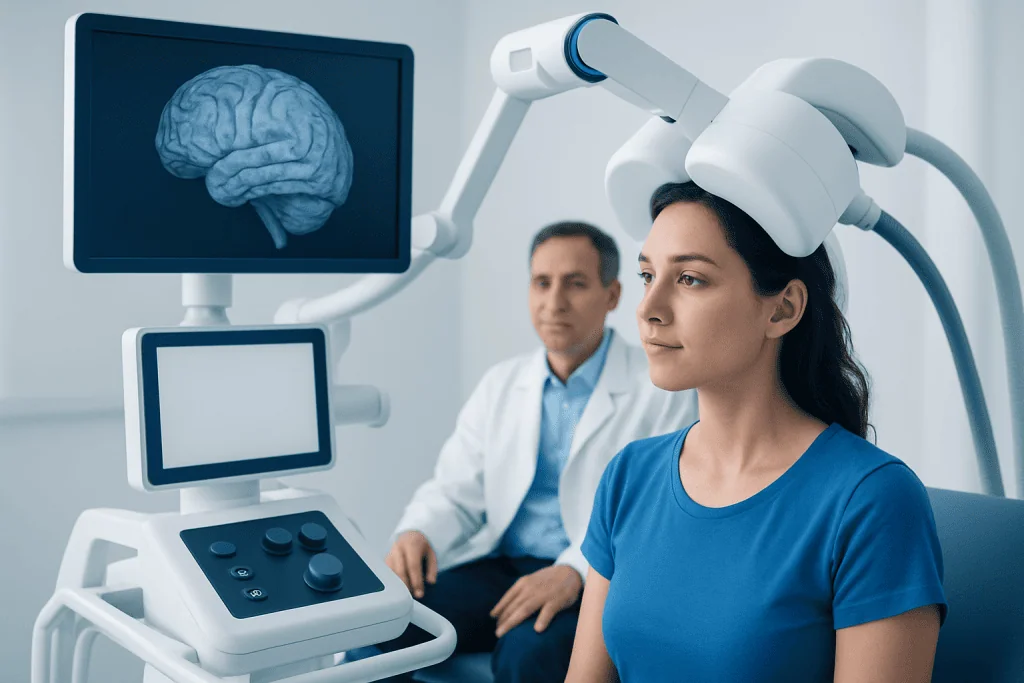
Neurological disorders include a wide range of conditions involving the central nervous system and peripheral nervous system. Common examples include stroke, epilepsy, migraine, multiple sclerosis, Parkinson’s disease, dementia, brain tumors, neuropathy, and spinal cord disorders. Depending on the part of the nervous system involved, symptoms can include seizures, tremor, numbness, vision changes, memory problems, altered behavior, speech difficulty, or problems with coordination and gait.
These disorders do not always cause primary muscle disease. Instead, the brain or nerves may fail to send, process, or coordinate signals properly. For example, a person with multiple sclerosis may feel weakness or imbalance because nerve pathways in the brain or spinal cord are disrupted. A person with neuropathy may have pain, tingling, or foot weakness because the peripheral nerves are damaged.
Not every neurological condition is progressive, and not every one is severe. Some are temporary, some are manageable over many years, and others may fluctuate. The clinical picture depends on the cause, how quickly symptoms appear, and whether the condition affects one location or many parts of the nervous system.
Because this category is so broad, doctors often divide neurological disorders by the main area involved: brain, spinal cord, peripheral nerves, autonomic nerves, or neuromuscular system. This helps guide which scans, blood tests, or neurophysiological tests are most useful.
What counts as a neuromuscular disorder?
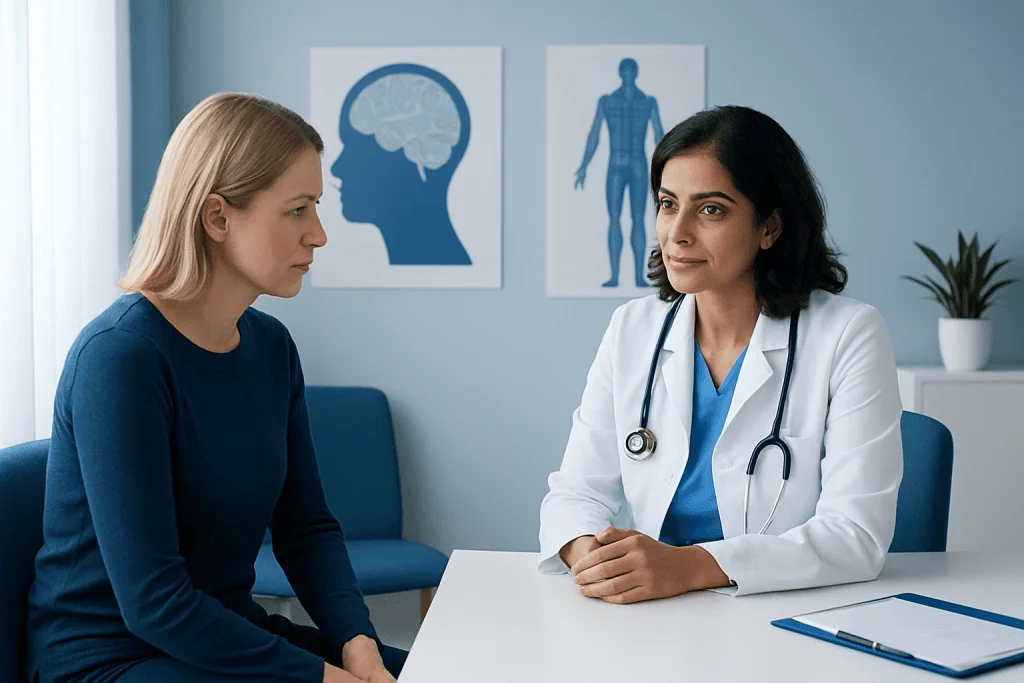
Neuromuscular disorders are conditions that disrupt the pathway from nerve to muscle or affect the muscle itself. This group includes motor neuron diseases, peripheral nerve disorders, neuromuscular junction disorders such as myasthenia gravis, and muscle diseases such as muscular dystrophies, inflammatory myopathies, and metabolic myopathies. While these disorders differ from one another, they commonly lead to weakness and reduced physical endurance.
A key feature is that movement problems usually result from impaired muscle activation or muscle function rather than from a thinking, memory, or primary coordination problem. For example, a person may notice difficulty climbing stairs, lifting the arms, gripping objects, swallowing, holding the head up, or walking long distances. Some neuromuscular disorders also affect breathing muscles, making respiratory evaluation important.
Sensation may be normal in some neuromuscular diseases, especially when the muscles or neuromuscular junction are the main site of disease. In other cases, such as peripheral neuropathies, numbness, tingling, burning pain, or reduced reflexes can occur alongside weakness. This is one reason detailed examination is important: the pattern of weakness and sensory symptoms often points toward the likely cause.
Examples that people may hear about include amyotrophic lateral sclerosis (ALS), myasthenia gravis, Guillain-Barré syndrome, Charcot-Marie-Tooth disease, and muscular dystrophy. Although these are all neuromuscular disorders, their course, outlook, and treatment needs can be very different.
Symptoms: overlap and important differences
Both neurological and neuromuscular disorders can cause weakness, clumsiness, imbalance, fatigue, and changes in walking. This overlap is one reason self-diagnosis is difficult. However, the symptom pattern often gives clues. Neurological disorders may also cause headaches, seizures, speech problems, double vision, memory changes, tremor, rigidity, loss of coordination, or bowel and bladder dysfunction depending on the affected area.
Neuromuscular disorders more often cause muscle-centered symptoms such as progressive weakness, rapid fatigue with repeated use, muscle cramps, twitching, shrinking of muscle bulk, drooping eyelids, trouble chewing or swallowing, and shortness of breath from respiratory muscle weakness. In many cases, symptoms are worse with exertion and better with rest, although that pattern is not universal.
The distribution of symptoms also matters. Weakness on one side of the body may suggest a brain or spinal cord problem, especially if it appears suddenly. Symmetrical weakness in the hips and shoulders may suggest a muscle disorder. Weakness that affects the eyes, face, and swallowing muscles may suggest a neuromuscular junction condition. Numbness and burning pain in the feet may point toward peripheral neuropathy.
Urgency is especially important when symptoms begin suddenly or affect breathing, swallowing, or the ability to walk safely. Sudden facial drooping, speech difficulty, severe new weakness, or rapidly worsening shortness of breath should be assessed without delay.
Causes and risk factors
The causes of neurological disorders are broad. They include vascular problems such as stroke, autoimmune disease, infections, inherited conditions, degenerative disease, trauma, tumors, vitamin deficiencies, and exposure to certain toxins or medications. Age, family history, high blood pressure, diabetes, smoking, head injury, and some autoimmune conditions may raise risk for certain neurological diseases.
Neuromuscular disorders can also arise from many causes. Some are inherited, such as certain muscular dystrophies or hereditary neuropathies. Others are autoimmune, such as myasthenia gravis or inflammatory muscle disease. Still others may follow infection, result from metabolic or endocrine problems, or be linked to medication effects, nutritional deficiency, or chronic illnesses such as diabetes.
In some cases, the cause remains unclear even after testing, especially early in the disease course. That does not mean symptoms are not real. It may simply mean that more follow-up, repeat examination, or additional tests are needed over time to show the pattern more clearly.
Family history can be particularly relevant in neuromuscular medicine. If several relatives have experienced early gait problems, repeated falls, unexplained weakness, foot deformities, or progressive muscle loss, a doctor may consider genetic testing as part of the evaluation.
How doctors diagnose the difference
Diagnosis starts with a detailed medical history and neurological examination. Doctors look at strength, reflexes, muscle tone, sensation, coordination, eye movements, speech, gait, and breathing effort. The timing of symptoms, whether they fluctuate, and which body regions are involved often provide important clues about whether the problem is in the brain, spinal cord, peripheral nerve, neuromuscular junction, or muscle.
Tests may include blood work, brain or spine imaging, and nerve and muscle studies. Electromyography and nerve conduction studies can help distinguish between nerve, neuromuscular junction, and muscle disorders. Depending on the suspected condition, additional testing may include antibody tests, genetic tests, lumbar puncture, muscle MRI, pulmonary function testing, or muscle or nerve biopsy.
Because overlap is common, diagnosis is sometimes gradual rather than immediate. A person may first be told that weakness needs further evaluation before a specific label can be confirmed. Follow-up matters, especially if symptoms are changing, affecting swallowing, or interfering with daily activities.
When needed, treatment planning may involve a broader team that includes specialists in neurology evaluation, rehabilitation, respiratory care, genetics, nutrition, and speech or swallowing therapy. The goal is not only to identify the condition but also to understand how it affects daily life and safety.
Treatment options and ongoing care
Treatment depends entirely on the diagnosis. For neurological disorders, options may include medicines to control seizures, inflammation, migraine, movement symptoms, or nerve pain; treatment of underlying vascular or autoimmune disease; and rehabilitation to improve function and independence. For neuromuscular disorders, care may involve immune therapies, symptom-relieving medicines, respiratory support, mobility aids, nutritional support, and exercise plans tailored to the specific disease.
Rehabilitation is often an important part of care for both groups. Physical therapy can help maintain mobility, strength, balance, and flexibility within safe limits. Occupational therapy can support hand function, energy conservation, and home safety. Speech and swallowing therapy may be helpful when facial, throat, or breathing muscles are affected. Some people may also benefit from physical therapy and rehabilitation as part of long-term symptom management.
In selected situations, surgery or other procedures may have a role, depending on the exact condition. Examples include treatment for nerve compression, spine disease, or complications that affect nerve function. If symptoms relate to a structural problem, a doctor may discuss whether neurosurgical care is appropriate, though many neurological and neuromuscular disorders are managed without surgery.
Near the end of the diagnostic journey, some patients benefit from coordinated assessment at centers with multiple specialties. Acibadem International’s multidisciplinary specialists and JCI-accredited hospitals diagnose and treat neurological and neuromuscular conditions for international patients when advanced evaluation or ongoing care is needed.
Self-care, daily living, and when to seek medical help
Self-care cannot replace medical diagnosis, but it can support wellbeing. Helpful steps may include staying physically active within safe limits, protecting sleep, managing stress, avoiding excess alcohol, eating a balanced diet, and taking medicines exactly as prescribed. Fall prevention is also important if balance or leg strength is reduced. This may involve supportive footwear, handrails, removal of home tripping hazards, and mobility aids when advised.
People with neuromuscular symptoms should pay close attention to swallowing and breathing changes. Choking, repeated chest infections, morning headaches, unrefreshing sleep, or breathlessness when lying flat can be signs that respiratory or swallowing muscles need evaluation. Gentle pacing and planned rest may help with fatigue, but new or worsening weakness should still be discussed with a doctor.
Medical advice should be sought promptly for unexplained weakness, repeated falls, persistent numbness, tremor, vision changes, or symptoms that interfere with work, walking, speaking, or self-care. More urgent assessment is needed for sudden weakness, facial drooping, confusion, severe imbalance, seizures, rapidly worsening breathing trouble, or inability to swallow safely.
Early evaluation does not always mean serious disease is present. It simply gives the best chance to identify treatable causes, start appropriate support, and reduce complications. If symptoms are ongoing or progressive, a neurologist can help determine whether the problem is neurological, neuromuscular, or another condition entirely.
Frequently asked questions
Is a neuromuscular disorder the same as a neurological disorder?
No. A neuromuscular disorder is a more specific category within the wider field of neurological disease. It mainly affects the motor nerves, the nerve-muscle connection, or the muscles themselves, while neurological disorders can affect the brain, spinal cord, sensory nerves, and many other nervous system functions.
Can both types of disorders cause weakness?
Yes. Weakness can occur in both neurological and neuromuscular disorders, which is why symptoms can be confusing at first. Doctors look at the pattern of weakness, associated symptoms, and test results to identify the source.
What symptoms suggest a neuromuscular disorder?
Common clues include muscle weakness, rapid fatigue with activity, trouble climbing stairs, difficulty lifting the arms, drooping eyelids, swallowing problems, cramps, twitching, or muscle wasting. Some people may also develop breathing difficulties if respiratory muscles are involved.
How do doctors tell the difference between these disorders?
Doctors use the medical history and neurological examination to understand which part of the nervous system may be affected. They may then order tests such as MRI scans, blood tests, nerve conduction studies, electromyography, antibody tests, or genetic testing depending on the suspected diagnosis.
Are neuromuscular disorders always inherited?
No. Some are inherited, but many are acquired later in life. Autoimmune disease, infection, metabolic conditions, medication effects, and inflammation can all lead to neuromuscular problems.
When should someone seek urgent help?
Urgent medical attention is needed for sudden weakness, facial drooping, speech difficulty, severe confusion, seizures, choking, or rapidly worsening shortness of breath. These symptoms may signal a medical emergency and should not be monitored at home.
References
- World Health Organization
- National Institute of Neurological Disorders and Stroke
- American Academy of Neurology
- National Institute of Arthritis and Musculoskeletal and Skin Diseases
- Muscular Dystrophy Association
This article is for general information only and is not a substitute for professional medical advice. Please consult a qualified doctor about your individual situation.
Joint and spine care in Turkey — expert assessment & treatment
JCI-accredited · board-certified surgeons · reply within 24h
Add us as a Preferred Source to see more of our trusted health content across Google Search, AI Overviews and Discover.

More from the Health Library



Related Specialists

Assoc. Prof. Dr. Özgür Timurkaynak
Dermatology
Prof. Dr. Yasemin Ersoy
Clinical Laboratory
Prof. Dr. Melih Paksoy
General Surgery
Dr. Nur Kaşkır Öztürk
Pulmonology