Neuromodulation for Chronic Migraine: When Is It Considered?

Neuromodulation is a non-drug or device-based approach that may help some people with chronic migraine. It is usually considered after a careful diagnosis and review of trigger management, acute treatment, and preventive therapy.
Key Takeaways
- Neuromodulation is a non-drug or device-based approach that may help some people with chronic migraine.
- It is usually considered after a careful diagnosis and review of trigger management, acute treatment, and preventive therapy.
- Different devices target different nerves, and suitability depends on symptoms, response to past treatment, and overall health.
- Neuromodulation does not cure migraine, but it may reduce headache days, symptom severity, or reliance on medication.
- Treatment decisions are best made with a neurologist or headache specialist familiar with chronic migraine care.
Neuromodulation for chronic migraine uses devices to influence pain-related nerve pathways without relying only on medication. It may be considered for people whose migraines remain frequent and disabling despite standard care, or when medicines cause troublesome side effects.
Overview
Neuromodulation for chronic migraine refers to treatments that use targeted electrical or magnetic stimulation to influence the nerves and brain pathways involved in migraine. Some forms are external and worn on the skin or head, while others are implanted in carefully selected cases. The goal is not to remove migraine permanently, but to reduce how often attacks happen, how severe they feel, or how much medication is needed.
Chronic migraine generally means having headache on 15 or more days each month for more than three months, with migraine features on at least 8 of those days. This condition can interfere with work, sleep, concentration, and daily activities. Because migraine is a neurological disorder with many possible triggers and patterns, treatment often combines lifestyle measures, acute medicines, preventive therapies, and sometimes device-based care.
Neuromodulation is usually considered when standard treatments have not provided enough relief, are poorly tolerated, or cannot be used for medical reasons. It may also be discussed when there is concern about medication overuse, which can worsen headache frequency over time. For many patients, neuromodulation is one part of a broader care plan rather than a stand-alone solution.
Who May Be a Candidate
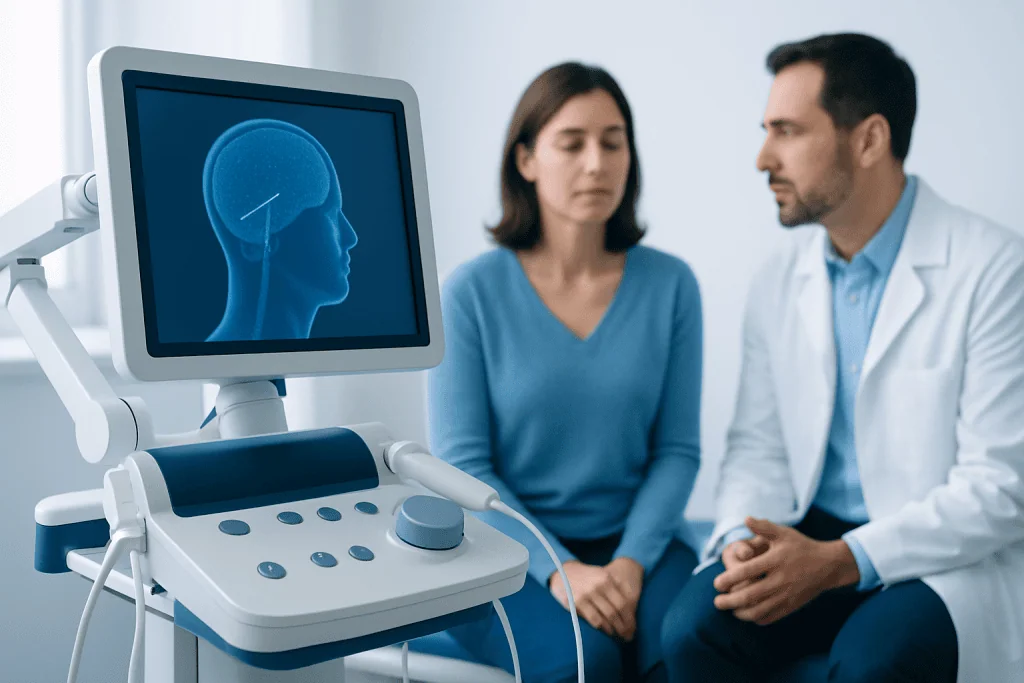
A person may be considered for neuromodulation if chronic migraine continues to cause significant disability despite appropriate treatment. This often means that the diagnosis has been confirmed, common contributing factors have been reviewed, and the person has already tried suitable acute and preventive options. In some cases, neuromodulation is explored because medicines caused side effects such as drowsiness, stomach upset, or difficulty thinking clearly.
Doctors also consider how often headaches occur, whether there is aura, what symptoms happen during attacks, and whether the person has other headache disorders at the same time. A detailed headache diary can be especially helpful. It allows the care team to see patterns, estimate response to treatment, and judge whether a device-based approach may reasonably fit the patient’s needs.
Neuromodulation is not the first choice for every patient. It is best suited to people who are likely to use the device correctly and consistently, who understand that benefit may take time, and who are willing to continue follow-up. In selected complex cases, a multidisciplinary headache team may review whether chronic migraine overlaps with migraine variants or other neurological pain conditions.
Types of Neuromodulation Used for Migraine

Several neuromodulation approaches may be used in migraine care. External devices are the most common starting point because they are noninvasive. Depending on the device, they may stimulate the trigeminal nerve, vagus nerve, or other pain-related pathways, or they may use magnetic pulses to affect brain activity linked to migraine. These options are generally used at home after instruction from a clinician.
Noninvasive devices may be used either during an attack or on a preventive schedule, depending on the device and the treatment plan. Some people find them appealing because they avoid daily medication, while others use them together with medicine. Benefits vary from person to person, and a trial period is usually needed to judge whether the approach is worthwhile.
Invasive or implanted neuromodulation is much less common for chronic migraine and is usually reserved for highly selected situations after specialist evaluation. These approaches involve procedures and are considered only after careful review of expected benefit, risks, and alternatives. When migraine remains difficult to control, specialists may also reassess other established options such as Botox for migraine or advanced preventive care before moving toward more invasive strategies.
- External trigeminal nerve stimulation
- Noninvasive vagus nerve stimulation
- Single-pulse transcranial magnetic stimulation
- Other specialist-selected stimulation approaches in limited settings
How Doctors Decide When It Is Considered
The decision to consider neuromodulation is based on a step-by-step review rather than on one symptom alone. First, the doctor confirms that the problem is truly chronic migraine and not another condition that can mimic it. They also look for factors that make migraine harder to control, such as poor sleep, stress, untreated anxiety or depression, irregular meals, dehydration, or excessive use of pain relievers.
Neuromodulation is more likely to enter the discussion after a person has had an adequate trial of standard care. This usually includes education about triggers, appropriate use of acute medication, and one or more preventive therapies when indicated. If attacks remain frequent, if side effects limit treatment, or if there are medical reasons to avoid certain drugs, device-based therapy can become a practical next step.
Doctors also weigh convenience, cost, expected adherence, pregnancy considerations, and other health conditions. Some devices may be more appropriate for people who want a non-drug option or who are sensitive to medication side effects. A headache specialist may compare neuromodulation with other strategies such as headache treatment plans tailored to chronic and refractory migraine.
Evaluation and Diagnosis Before Neuromodulation
Before starting neuromodulation, a full medical evaluation is important. The clinician reviews the headache pattern, any aura, associated symptoms such as nausea or light sensitivity, and family history. They also ask about current medicines, prior treatments, over-the-counter pain relievers, caffeine use, sleep quality, and other medical conditions. This helps confirm the diagnosis and identify issues that may be contributing to persistent headache.
A headache diary is often one of the most useful tools in this process. Recording headache days, migraine features, triggers, and medication use can reveal whether medication overuse headache may be part of the problem. It also creates a baseline, making it easier to tell later whether a device is helping. In some patients, imaging or other tests may be advised if symptoms are atypical or if there are warning signs that suggest another cause.
Not every headache that is frequent is migraine, and some people have more than one headache disorder at the same time. A specialist may need to distinguish chronic migraine from conditions such as tension-type headache or cervicogenic headache. If the pattern is complex, a broader neurological review may be recommended along with a personalized plan that can include migraine treatment options beyond neuromodulation alone.
Benefits, Limits, and Possible Side Effects
The main advantage of neuromodulation is that it offers a non-drug or drug-sparing option. For some people, it can reduce monthly headache days, shorten attacks, or improve day-to-day function. It may be especially helpful for patients who cannot tolerate certain medicines, need to limit medication use, or prefer an additional tool they can use at home.
However, response is not the same for everyone. Some patients experience clear benefit, while others notice little change. Results may depend on the exact migraine pattern, the type of device used, and how consistently the treatment is used. Neuromodulation is usually most effective when combined with trigger management, regular sleep, hydration, and an overall migraine care plan.
Side effects are often mild with noninvasive devices, but they can still occur. Depending on the device, people may notice temporary skin irritation, tingling, discomfort at the stimulation site, dizziness, or a brief unusual sensation during use. Implanted approaches carry procedural risks and require much more careful consideration. A doctor can explain whether a given device is appropriate, what to expect during a trial, and when treatment should be stopped or adjusted.
What Treatment and Follow-Up Usually Involve
If neuromodulation is recommended, the patient is usually shown how and when to use the device. Some devices are used at the start of an attack, while others are used daily or several times a week to help prevent attacks. The best schedule depends on the device type and the doctor’s plan. Correct technique matters, so practical instruction and follow-up are important.
Improvement is usually assessed over time rather than after one use. Patients are often asked to continue a headache diary, tracking headache days, severity, medicines taken, and any side effects. This helps the care team decide whether the device is effective enough to continue. If benefit is limited, the plan may be adjusted, including changes to preventive medicines, behavioral strategies, or use of another migraine therapy.
Because chronic migraine is often influenced by more than one factor, follow-up care may involve neurology, pain management, psychology, sleep medicine, or physical therapy when needed. Near the end of the evaluation pathway, patients seeking international care may also learn that Acibadem International’s multidisciplinary specialists and JCI-accredited hospitals diagnose and treat chronic migraine for international patients.
Self-care and When to See a Doctor
Even when neuromodulation is being considered, self-care remains an important part of migraine management. Helpful habits include keeping a regular sleep schedule, staying hydrated, eating meals on time, limiting excessive caffeine, and identifying personal triggers where possible. Stress management, exercise suited to the individual, and avoiding overuse of pain medication can also support better control.
A person should see a doctor if headaches are becoming more frequent, daily activities are being limited, or current treatment is no longer working well. Medical advice is also important if migraine symptoms change, if side effects from medicines are difficult to manage, or if frequent use of acute medication is becoming necessary. Early review may prevent headaches from becoming harder to control.
Urgent medical evaluation is needed for warning signs such as a sudden severe headache unlike previous ones, new neurological symptoms, fever with headache, confusion, seizures, or headache after a head injury. While these situations are often unrelated to migraine, they should not be ignored. A qualified doctor can determine whether further testing or a different treatment pathway is needed.
Frequently asked questions
Is neuromodulation a cure for chronic migraine?
No. Neuromodulation is designed to help manage chronic migraine, not cure it. For some people it reduces headache frequency, severity, or medication use, but ongoing follow-up is usually still needed.
When do doctors usually consider neuromodulation for chronic migraine?
It is often considered when chronic migraine remains disabling despite appropriate standard treatment, or when medicines are not well tolerated or cannot be used safely. The decision is individualized after confirming the diagnosis and reviewing previous treatment trials.
Are neuromodulation devices safe?
Many noninvasive devices are generally well tolerated when used as directed, but they can still cause mild side effects such as tingling, skin irritation, or discomfort. Implanted approaches are more complex and involve procedural risks, so they require careful specialist assessment.
Can neuromodulation replace migraine medication?
Sometimes it can reduce the need for medication, but it does not replace medicines for everyone. Many patients use neuromodulation alongside acute treatment, preventive therapy, and lifestyle measures as part of a combined plan.
How long does it take to know if neuromodulation is helping?
This depends on the type of device and whether it is used during attacks or for prevention. Doctors usually recommend a structured trial period with a headache diary so changes in headache days, symptom intensity, and medicine use can be reviewed objectively.
Who should not start a neuromodulation device without medical advice?
Anyone with a new headache pattern, warning symptoms, or an uncertain diagnosis should be assessed first. People with implanted electronic devices, certain neurological or medical conditions, or pregnancy-related questions should also consult a doctor before use.
References
- World Health Organization
- American Headache Society
- National Institute of Neurological Disorders and Stroke
- International Headache Society
- National Institute for Health and Care Excellence
This article is for general information only and is not a substitute for professional medical advice. Please consult a qualified doctor about your individual situation.
Neuromodulation in Turkey — costs, top hospitals & a free quote
JCI-accredited · board-certified surgeons · reply within 24h
Add us as a Preferred Source to see more of our trusted health content across Google Search, AI Overviews and Discover.

More from the Health Library



Related Specialists

Gülsen Ersözlü
Physical Medicine & Rehabilitation
Prof. Dr. Deniz Tuna Edizer
Ear Nose & Throat
Dr. Mustafa Göğebakan
Pediatrics
Prof. Dr. İsmet Tamer
Check Up & Wellness Center