Neuromodulation for Movement Disorders: What to Expect Before Treatment
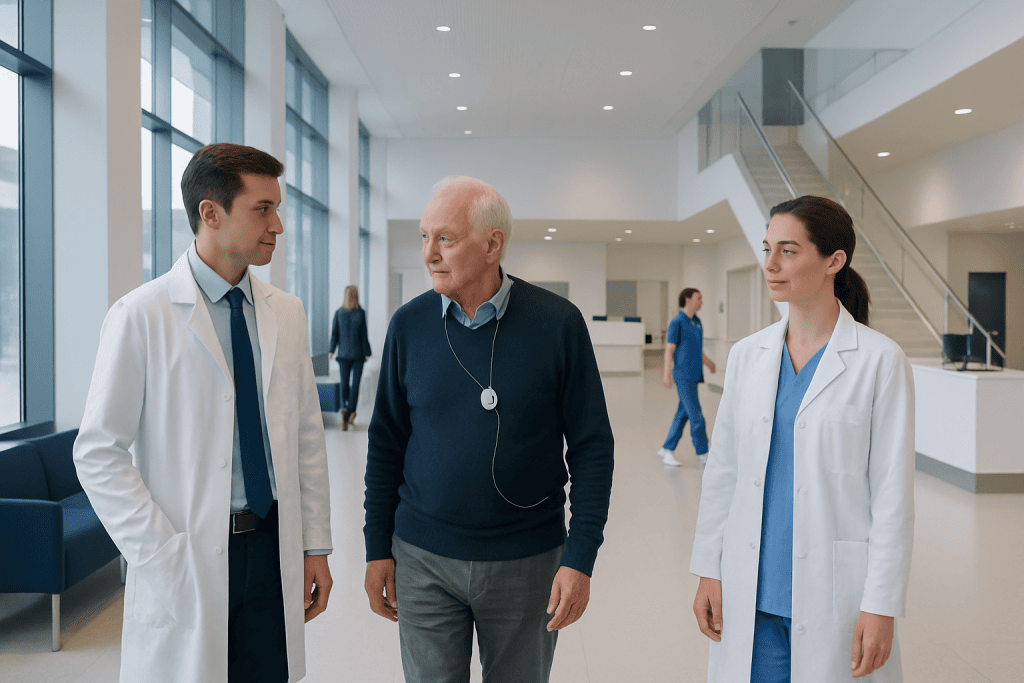
Neuromodulation is used to help manage certain movement disorder symptoms, not to cure the underlying disease. A thorough pre-treatment assessment usually includes neurological exams, medication review, brain imaging, and sometimes neuropsychological testing.
Key Takeaways
- Neuromodulation is used to help manage certain movement disorder symptoms, not to cure the underlying disease.
- A thorough pre-treatment assessment usually includes neurological exams, medication review, brain imaging, and sometimes neuropsychological testing.
- The most familiar neuromodulation option for movement disorders is deep brain stimulation, but suitability depends on the exact condition and symptom pattern.
- Clear treatment goals, realistic expectations, and discussion of risks and benefits are important before any procedure.
- Care after treatment includes device programming, follow-up visits, and continued management by a specialist team.
Neuromodulation for movement disorders may help improve tremor, stiffness, slowness, or involuntary movements when symptoms are not well controlled with medication alone. Before treatment, patients usually go through a careful evaluation to confirm the diagnosis, review goals, and decide whether a procedure such as deep brain stimulation is appropriate.
Overview: What Neuromodulation Means for Movement Disorders
Neuromodulation for movement disorders refers to treatments that change abnormal signaling in parts of the nervous system involved in movement control. These treatments are usually considered when symptoms such as tremor, muscle stiffness, slowed movement, or involuntary movements continue to affect daily life despite careful medical therapy. The goal is to improve symptom control, function, and quality of life.
In movement disorders, the best-known neuromodulation approach is deep brain stimulation, often called DBS. In DBS, thin electrodes are placed in specific brain areas and connected to a device that delivers electrical stimulation. This stimulation does not destroy brain tissue; instead, it helps adjust abnormal circuits linked to symptoms.
Neuromodulation is not right for everyone, and it is not a cure. It is usually part of a broader treatment plan that may still include medicines, rehabilitation, exercise, and regular follow-up with a neurologist. Before treatment, specialists focus on answering a few key questions: Is the diagnosis correct? Are the symptoms likely to respond? Do the potential benefits outweigh the risks for this individual patient?
Who May Benefit From Treatment
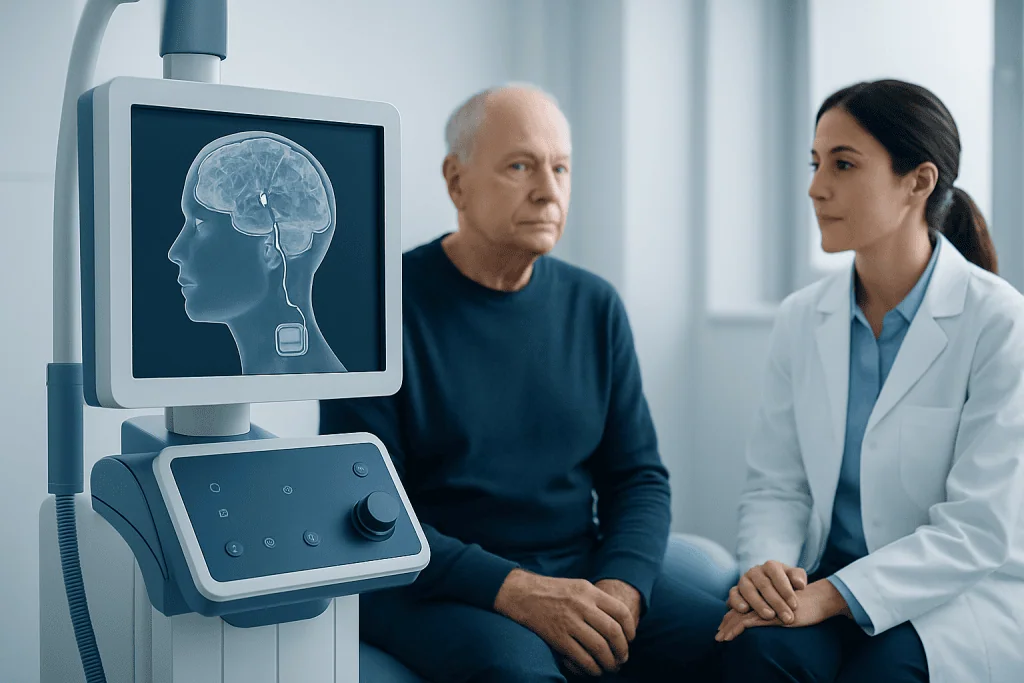
Neuromodulation may be considered for selected people with conditions such as Parkinson's disease, essential tremor, or dystonia. It is most often recommended when symptoms remain troublesome even after appropriate medication adjustments, or when medicines help but cause side effects or wear off unpredictably. The exact symptom pattern matters because some symptoms respond better than others.
For example, DBS may help reduce tremor, improve motor fluctuations, and ease some forms of rigidity or slowness in suitable patients. In essential tremor, it may lessen shaking that interferes with writing, eating, or dressing. In dystonia, it may reduce sustained muscle contractions or abnormal postures, although improvement can sometimes be more gradual than in tremor.
Not every movement problem improves with neuromodulation. Balance problems, speech difficulties, memory changes, or symptoms caused by other medical conditions may respond less well. That is why specialists take time before treatment to understand which symptoms are most disabling and whether they match what neuromodulation can realistically address.
Symptoms and Goals to Discuss Before Treatment

A detailed discussion of symptoms is one of the most important parts of preparation. Patients are often asked which problems affect daily activities most, such as shaking while eating, freezing while walking, painful muscle contractions, or unpredictable “on-off” changes with Parkinson’s medication. This helps the care team decide whether neuromodulation targets the patient’s main concerns.
It is also important to discuss goals in practical terms. A person may hope to write more clearly, sleep better because of less tremor, move more comfortably, or reduce medication burden. Setting specific goals helps both the patient and the clinical team measure success after treatment and avoid disappointment based on unrealistic expectations.
Patients and families should also talk openly about symptoms that may not improve much with neuromodulation. Depending on the diagnosis, these may include swallowing problems, advanced balance impairment, dementia, or severe speech difficulties. A clear picture before treatment supports safer decision-making and more satisfying long-term care.
- Common goals include better tremor control, smoother movement, less painful muscle contraction, and improved daily function.
- Goals should be individualized and linked to real-life activities.
- Understanding likely limits of treatment is just as important as understanding possible benefits.
Pre-Treatment Evaluation and Tests
Before neuromodulation, patients usually have a comprehensive evaluation by a multidisciplinary team. This often includes a movement disorders neurologist, neurosurgeon, neuroradiologist, anesthesiologist, and, when needed, psychiatrist or neuropsychologist. The purpose is to confirm the diagnosis, identify the symptoms most likely to respond, and check whether the procedure can be performed safely.
A neurological examination is central to the assessment. The doctor may review how symptoms change during the day, how well medications work, and whether there are side effects such as involuntary movements. For Parkinson’s disease, specialists may compare movement in medication “off” and “on” states to see how responsive symptoms are to dopaminergic treatment, since this can provide clues about likely DBS response.
Most patients also have brain imaging, often MRI, to help plan treatment and to look for structural issues that might affect safety or accuracy. Some people undergo neuropsychological testing to assess memory, attention, language, and mood. This matters because thinking or psychiatric symptoms can influence both candidacy and recovery. Basic blood tests and a review of heart, lung, and general medical health may also be needed before surgery.
The medication review is especially important. Patients should tell the team about all prescription drugs, over-the-counter products, and supplements. Some medicines may need adjustment before a procedure, but changes should only be made under medical guidance.
What the Care Team Considers Before Recommending Neuromodulation
Specialists do not decide based on diagnosis alone. They look at age, overall health, brain imaging findings, symptom severity, cognitive function, mood, support at home, and the patient’s ability to attend follow-up visits. Neuromodulation often requires long-term management, especially device programming after implantation, so practical factors matter as much as technical ones.
The team also considers risk and benefit in a balanced way. Potential benefits may include better control of target symptoms, fewer medication-related fluctuations, and improved ability to perform everyday tasks. Possible risks may include infection, bleeding, hardware complications, temporary confusion, speech or balance changes, or the need for future battery replacement or device adjustment.
For some patients, the conclusion may be to postpone treatment rather than proceed immediately. Sometimes medication optimization, physical therapy and rehabilitation, or treatment of mood, sleep, or other medical issues is a better first step. A careful pre-treatment review is valuable even when the final decision is not to have a procedure right away.
What to Expect During and After the Procedure
If a patient is considered a good candidate, the team explains how treatment is performed and what recovery usually involves. In DBS, surgery typically includes placing electrodes in carefully selected brain targets and connecting them to a pulse generator implanted under the skin, usually near the chest. The exact surgical plan varies by center and by individual needs.
Patients are usually told that benefit is not always immediate. After surgery, the system often needs programming over several visits to find the best settings. Medication adjustments may also be needed, especially in Parkinson’s disease. This fine-tuning period is a normal part of care and can take time before the full effect becomes clearer.
Follow-up remains essential over the long term. Device settings may need revision if symptoms change, side effects appear, or the disease progresses. In addition to programming visits, some people benefit from supportive care such as neurological rehabilitation to improve mobility, balance, or day-to-day function after treatment.
Preparing for Treatment: Practical Steps for Patients and Families
Preparation is easier when patients and families know what information to bring. It is helpful to keep a list of symptoms, current medicines, previous treatments, allergies, and other medical conditions. Some specialists may ask the patient to record when symptoms are worst, how long medications work, or how tremor or stiffness affects specific daily tasks. Videos taken at home can sometimes help show symptoms that vary during the day.
Patients should ask practical questions before making a decision. These may include what benefits are most likely, what symptoms may not improve, how often follow-up visits are needed, whether airport or security screening affects the device, when regular activities can resume, and how future MRI scans are managed. Having a family member or caregiver at appointments can make these discussions easier to remember later.
Emotional preparation matters too. It is normal to feel hopeful, uncertain, or even worried about a brain-related procedure. A calm, informed conversation with the care team can help set realistic expectations. Near the end of the treatment pathway, some international patients choose centers such as Acibadem International, where multidisciplinary specialists in JCI-accredited hospitals evaluate and treat movement disorders with coordinated care.
When to See a Doctor About Neuromodulation
A person should speak with a movement disorders specialist if tremor, stiffness, slowness, abnormal posturing, or medication fluctuations are limiting work, self-care, mobility, sleep, or social activities. Referral is especially worth discussing when medicines no longer provide reliable control or cause troublesome side effects. Early evaluation does not mean surgery is inevitable; it simply helps clarify the available options.
Medical advice should also be sought if symptoms are changing quickly, falls are increasing, or thinking, mood, or behavior are worsening. These issues may affect treatment planning and may need attention whether or not neuromodulation is chosen. Urgent medical care is important for sudden severe symptoms, new weakness, confusion, chest pain, or signs of stroke or infection.
The decision to pursue neuromodulation is most successful when it is individualized. A thorough assessment, a clear understanding of likely outcomes, and ongoing follow-up can help patients make a choice that matches their condition, needs, and long-term goals.
Frequently asked questions
Is neuromodulation the same as a cure for a movement disorder?
No. Neuromodulation is a symptom-management treatment that can improve certain movement problems, but it does not remove the underlying disease. Many patients still need medications and regular follow-up after treatment.
What movement disorders are most commonly treated with neuromodulation?
Neuromodulation is most often used for selected patients with Parkinson's disease, essential tremor, and dystonia. Suitability depends on the exact diagnosis, the symptoms being targeted, and the person's overall health.
What tests are usually done before deep brain stimulation?
Pre-treatment evaluation often includes a neurological exam, medication review, and brain imaging such as MRI. Some patients also have neuropsychological testing and general medical assessments to check thinking, mood, and fitness for surgery.
How soon does treatment start working?
Improvement is not always immediate, especially with deep brain stimulation. After implantation, the device usually needs programming and sometimes medication adjustments over several visits before the best benefit is reached.
Can everyone with Parkinson's disease have DBS?
No. DBS is appropriate for some, but not all, people with Parkinson's disease. Doctors consider symptom type, medication response, cognitive health, mood, daily functioning, and surgical risk before recommending it.
What are the main risks patients should discuss before treatment?
Patients should talk with their doctors about possible surgical and device-related risks, including infection, bleeding, hardware problems, and stimulation-related side effects. The care team will explain which risks are most relevant to the individual's health and treatment plan.
References
- National Institute of Neurological Disorders and Stroke
- Parkinson's Foundation
- International Parkinson and Movement Disorder Society
- National Institute for Health and Care Excellence
- American Academy of Neurology
This article is for general information only and is not a substitute for professional medical advice. Please consult a qualified doctor about your individual situation.
Movement Disorders in Turkey — costs, top hospitals & a free quote
JCI-accredited · board-certified surgeons · reply within 24h
Add us as a Preferred Source to see more of our trusted health content across Google Search, AI Overviews and Discover.

More from the Health Library


Related Specialists

Dilek Küçükvardar
Physical Medicine & Rehabilitation
Dr. Nurgül Bozoğlu
Radiology
Dr. Büşra Nur Enez Baş
Acibadem Life Clinical Service
Özge Bölükbaşı
Physical Medicine & Rehabilitation