Neuromodulation for Overactive Bladder: How Nerve Stimulation Can Help

Neuromodulation can help calm bladder signals that cause urgency, frequency, and urge incontinence. Common options include posterior tibial nerve stimulation and sacral neuromodulation.
Key Takeaways
- Neuromodulation can help calm bladder signals that cause urgency, frequency, and urge incontinence.
- Common options include posterior tibial nerve stimulation and sacral neuromodulation.
- It is usually considered when bladder training, pelvic floor therapy, or medicines are not effective or not well tolerated.
- Testing, follow-up, and shared decision-making are important to choose the most suitable approach.
- Many people continue everyday activities during treatment, with care tailored to symptoms and overall health.
Neuromodulation for overactive bladder is a treatment approach that uses gentle electrical stimulation of nerves involved in bladder control. It may help reduce urgency, frequent urination, and urge leakage, especially when lifestyle changes or medicines have not provided enough relief.
Overview: what neuromodulation means for overactive bladder
Overactive bladder is a condition in which the bladder sends signals too often or at the wrong time. This can lead to a sudden, hard-to-control urge to urinate, frequent trips to the bathroom, waking at night to pass urine, and sometimes urge incontinence, which is leakage that happens before reaching the toilet. Symptoms can affect work, sleep, travel, exercise, and confidence in daily life.
Neuromodulation for overactive bladder is a treatment designed to influence the nerve pathways involved in bladder control. Rather than acting directly on the bladder muscle, it uses mild electrical stimulation to help rebalance communication between the bladder, spinal cord, and brain. The goal is to reduce the abnormal signals that trigger urgency and frequent urination.
This approach is generally considered when conservative treatments have not been enough or when medicines cause side effects such as dry mouth, constipation, or blurred vision. For some people, neuromodulation offers a way to improve symptoms without major surgery. It is not the first step for everyone, but it can be an important option in a personalized treatment plan.
Symptoms neuromodulation may help
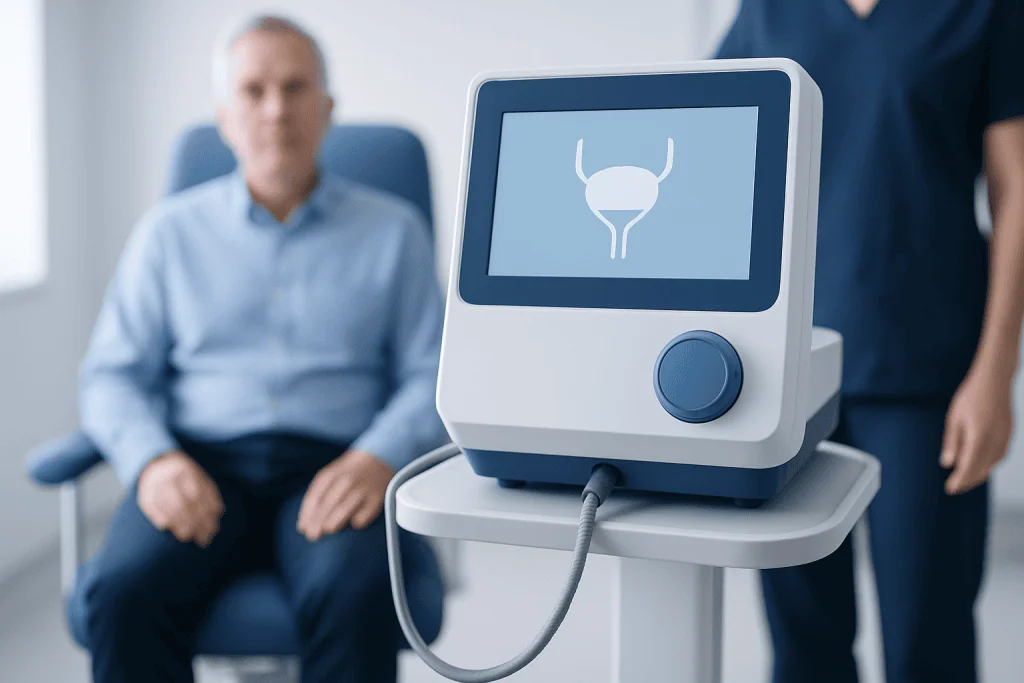
Neuromodulation is used for symptoms linked to overactive bladder, especially when they are persistent or disruptive. The most common symptom is urgency, a sudden and compelling need to urinate that is difficult to postpone. Some people also notice urinary frequency, meaning they need to pass urine more often than usual during the day.
Another common symptom is nocturia, or waking during the night to urinate. This can affect sleep quality and daytime energy. In urge incontinence, the urge to urinate is followed by involuntary leakage before a bathroom can be reached. These symptoms may occur alone or together, and their impact can vary from mild inconvenience to major disruption.
Neuromodulation does not treat every cause of bladder symptoms. For example, similar symptoms can occur with urinary tract infection, bladder stones, enlarged prostate, certain neurological conditions, or uncontrolled diabetes. A proper evaluation helps confirm whether symptoms fit overactive bladder and whether nerve stimulation is likely to be helpful.
- Sudden urinary urgency
- Frequent urination during the day
- Nighttime urination
- Urge urinary incontinence
- Symptoms that continue despite first-line treatment
How nerve stimulation works

Normal bladder function depends on well-coordinated messages between nerves and muscles. As the bladder fills, nerves send information to the brain. The brain then helps decide whether it is the right time and place to urinate. In overactive bladder, these signals may become overactive, poorly timed, or overly sensitive, leading to urgency and frequent bladder contractions.
Neuromodulation aims to regulate these pathways. By delivering small electrical impulses to selected nerves, treatment can change how bladder signals are processed. This may reduce involuntary bladder activity and improve the ability to delay urination. Although the exact mechanisms are still being studied, the treatment has become an established option for carefully selected patients.
The two most widely used forms are posterior tibial nerve stimulation and sacral neuromodulation. Posterior tibial nerve stimulation targets a nerve near the ankle that connects indirectly to sacral nerve networks involved in bladder control. Sacral neuromodulation uses an implanted device to stimulate sacral nerves more directly. A doctor may explain these approaches in the context of overactive bladder symptoms, lifestyle, and treatment goals.
Who may be a candidate and what evaluation is needed
Neuromodulation is usually considered for adults with bothersome overactive bladder symptoms that have not improved enough with first-line measures. These first steps often include fluid and caffeine management, bladder training, pelvic floor exercises, and medications when appropriate. It may also be considered when medications are not tolerated or are unsuitable because of side effects or interactions.
Before recommending neuromodulation, a clinician typically reviews symptoms, medical history, medications, and previous treatments. A bladder diary may be useful to track voiding patterns, leakage episodes, and fluid intake. A physical examination and urine testing are often performed to check for infection, blood in the urine, or other explanations for symptoms.
Some people may need additional tests, especially if the diagnosis is uncertain or there are warning signs such as pain, recurrent infections, visible blood in the urine, difficulty emptying the bladder, or neurological disease. Depending on the case, evaluation may include ultrasound, measurement of residual urine, cystoscopy, or urodynamic testing to better understand bladder function. Careful assessment helps ensure that neuromodulation is both safe and appropriate.
Types of neuromodulation for overactive bladder
Posterior tibial nerve stimulation, often called PTNS, is usually performed in an outpatient setting. A fine needle or surface electrode is placed near the ankle, and a gentle electrical current stimulates the posterior tibial nerve. Sessions are typically repeated over several weeks, followed by maintenance treatments for some patients. PTNS does not require a surgical implant, which can make it appealing for people who prefer a less invasive option.
Sacral neuromodulation, sometimes called SNM, involves stimulating sacral nerves in the lower back that influence bladder activity. This approach usually begins with a test phase to see whether symptoms improve. If the response is good, a small pulse generator may be implanted for longer-term treatment. Patients are taught how the system works and how settings may be adjusted during follow-up.
Each option has advantages and limitations. PTNS may involve more frequent clinic visits, while sacral neuromodulation involves a procedure and device management. In suitable candidates, sacral neuromodulation can be discussed alongside sacral neuromodulation treatment as a longer-term strategy. The best choice depends on symptom severity, treatment goals, preferences, anatomy, and overall health.
Benefits, limitations, and possible risks
The main benefit of neuromodulation is symptom control without removing tissue or changing bladder anatomy. Many patients seek it because they want relief from urgency, frequency, or urge leakage after simpler measures have not helped enough. Improvement may mean fewer bathroom trips, fewer accidents, better sleep, and a greater sense of confidence in social or professional settings.
However, neuromodulation does not cure every bladder problem, and response varies from person to person. Some people notice clear improvement, while others have only partial benefit or no meaningful change. Follow-up is important because symptom patterns can change over time, and settings or maintenance schedules may need adjustment.
Risks depend on the type of neuromodulation used. PTNS may cause mild temporary discomfort, skin irritation, or bruising around the treatment area. Sacral neuromodulation may involve discomfort at the implant site, lead movement, infection, technical device issues, or the need for reprogramming or revision. A specialist explains expected benefits and possible downsides before treatment so the decision can be made with realistic expectations.
What treatment and follow-up may involve
Treatment planning begins with shared decision-making. The clinician considers how severe the symptoms are, how they affect quality of life, and what therapies have already been tried. Patients are often encouraged to continue helpful habits such as timed voiding, pelvic floor work, and avoiding personal bladder irritants, even when neuromodulation is started.
With PTNS, improvement is usually assessed after a series of scheduled sessions. With sacral neuromodulation, the test phase helps identify whether the treatment is likely to be worthwhile before a longer-term device is placed. Regular review helps monitor symptom changes, comfort, and practical issues such as device use or maintenance scheduling.
If symptoms overlap with other pelvic or urinary problems, care may involve more than one specialty. Depending on the patient, treatment discussions can also include pelvic floor rehabilitation or, when leakage patterns suggest other conditions, broader evaluation of urinary incontinence. Near the end of the care pathway, some international patients may choose centers such as Acibadem International, where multidisciplinary specialists in JCI-accredited hospitals evaluate and treat bladder control disorders using individualized plans.
Self-care and when to seek medical advice
Self-care remains an important part of managing overactive bladder, even when advanced treatments are being considered. Helpful steps may include limiting excess caffeine, spacing fluids sensibly through the day, managing constipation, maintaining a healthy weight, and practicing bladder training. For some people, keeping a symptom diary helps identify patterns or triggers that worsen urgency.
It is wise to seek medical advice when bladder symptoms are new, worsening, or interfering with sleep and daily life. Evaluation is also important if urgency comes with pain, fever, blood in the urine, difficulty urinating, repeated urinary tract infections, or sudden changes after surgery or childbirth. These features may point to conditions other than overactive bladder and need prompt assessment.
Anyone considering neuromodulation should discuss goals, alternatives, and possible risks with a qualified doctor, usually a urologist, urogynecologist, or another clinician with expertise in bladder disorders. Treatment works best when it is based on a clear diagnosis and a plan tailored to the individual.
Frequently asked questions
What is neuromodulation for overactive bladder?
Neuromodulation for overactive bladder is a treatment that uses mild electrical stimulation to influence the nerves involved in bladder control. It is used to help reduce urgency, frequent urination, nighttime urination, and urge leakage, especially when simpler treatments have not helped enough.
Is neuromodulation a surgery?
Not always. Posterior tibial nerve stimulation is usually done in a clinic and does not require an implanted device. Sacral neuromodulation does involve a procedure and, if the test phase is successful, a small implanted stimulator.
Who is a good candidate for this treatment?
It may be suitable for people with bothersome overactive bladder symptoms that continue despite bladder training, lifestyle measures, pelvic floor therapy, or medication. A doctor first checks that the symptoms are truly due to overactive bladder and not another urinary or neurological problem.
How long does it take to notice improvement?
The timing varies by treatment type and by person. Some patients notice improvement during the initial treatment period, while others need several sessions or a full test phase before it is clear whether the treatment is helping.
Are there side effects or risks?
Most side effects are mild and depend on the technique used. PTNS may cause temporary soreness or skin irritation near the ankle, while sacral neuromodulation can involve discomfort at the implant site, infection risk, or device-related issues that may need adjustment.
Can neuromodulation cure overactive bladder permanently?
Neuromodulation is usually considered a symptom-management treatment rather than a permanent cure. Many people experience meaningful improvement, but symptoms can change over time and some patients need ongoing sessions, device adjustments, or additional treatment.
References
- National Institute of Diabetes and Digestive and Kidney Diseases
- American Urological Association
- European Association of Urology
- National Institute for Health and Care Excellence
- International Continence Society
This article is for general information only and is not a substitute for professional medical advice. Please consult a qualified doctor about your individual situation.
Overactive Bladder in Turkey — costs, top hospitals & a free quote
JCI-accredited · board-certified surgeons · reply within 24h
Add us as a Preferred Source to see more of our trusted health content across Google Search, AI Overviews and Discover.

Urology
Treatment of the urinary system and male reproductive health, including robotic and laser procedures.
60 specialists in this unit