Neurophysiologist — Explained by Medical Evidence, Not Myths

Neurophysiology focuses on nervous system function rather than structure alone. Common tests include electroencephalography (EEG), electromyography (EMG), nerve conduction studies and evoked potentials.
Key Takeaways
- Neurophysiology focuses on nervous system function rather than structure alone.
- Common tests include electroencephalography (EEG), electromyography (EMG), nerve conduction studies and evoked potentials.
- A neurophysiologist may help assess seizures, nerve injury, muscle weakness, sleep-related disorders and other neurological concerns.
- Most neurophysiology tests are outpatient procedures and do not involve surgery.
- Test results are interpreted alongside symptoms, examination findings and other investigations such as imaging or blood tests.
A neurophysiologist is a specialist who studies how the brain, spinal cord, nerves and muscles function. They use clinical assessment and targeted electrical or sensory tests to help identify the source of neurological symptoms and guide care with the wider medical team.
What Is a Neurophysiologist?
A neurophysiologist is a medical professional with expertise in the function of the nervous system. This includes the brain, spinal cord, peripheral nerves, muscles and the pathways that carry signals between them. Their work helps answer an important clinical question: whether these systems are communicating and functioning as expected.
In many settings, a clinical neurophysiologist is a physician with specialist training in neurology and neurophysiological testing. In others, neurophysiology services also involve highly trained clinical scientists, technologists and nurses. The exact professional title and responsibilities can vary by country, but testing is interpreted within an appropriate medical and clinical context.
Neurophysiology is different from anatomy-focused testing. Magnetic resonance imaging (MRI) and computed tomography (CT) scans mainly show structure, such as bleeding, a tumor, inflammation or a compressed nerve. Neurophysiology tests measure electrical activity or signal transmission, which can reveal functional changes even when structural imaging is normal or inconclusive.
What Does a Neurophysiologist Do?
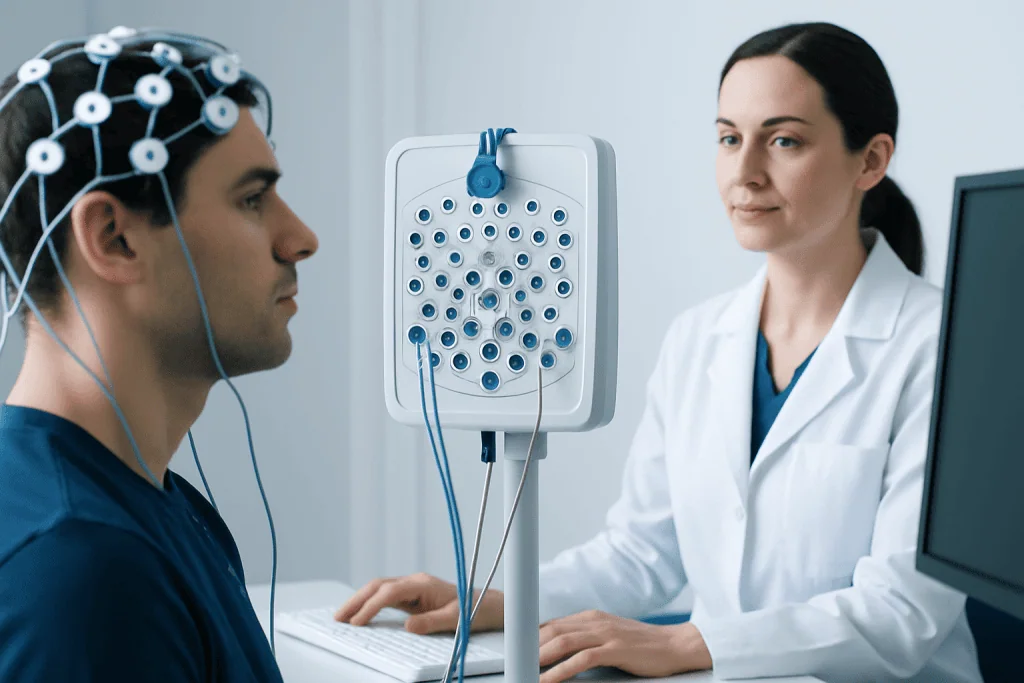
A neurophysiologist reviews the reason for referral, relevant medical history and symptoms before selecting or supervising the appropriate test. The results can support a diagnosis, help locate the part of the nervous system involved, assess severity and monitor change over time. They work closely with neurologists, neurosurgeons, rehabilitation specialists, sleep physicians, pediatricians and other clinicians.
People may be referred because of episodes of altered awareness, shaking or unusual movements, numbness, tingling, weakness, persistent muscle twitching, balance changes, nerve pain or suspected sleep-related neurological symptoms. A referral does not necessarily mean that a serious disorder is present. It means that a clinician believes functional testing may provide useful information.
Neurophysiology can also be used during selected operations. Intraoperative neurophysiological monitoring checks certain nerve pathways while surgery is taking place. This information may help the surgical team recognize changes in nerve function promptly, although it does not replace the team’s clinical judgment or guarantee a particular outcome.
Common Neurophysiology Tests
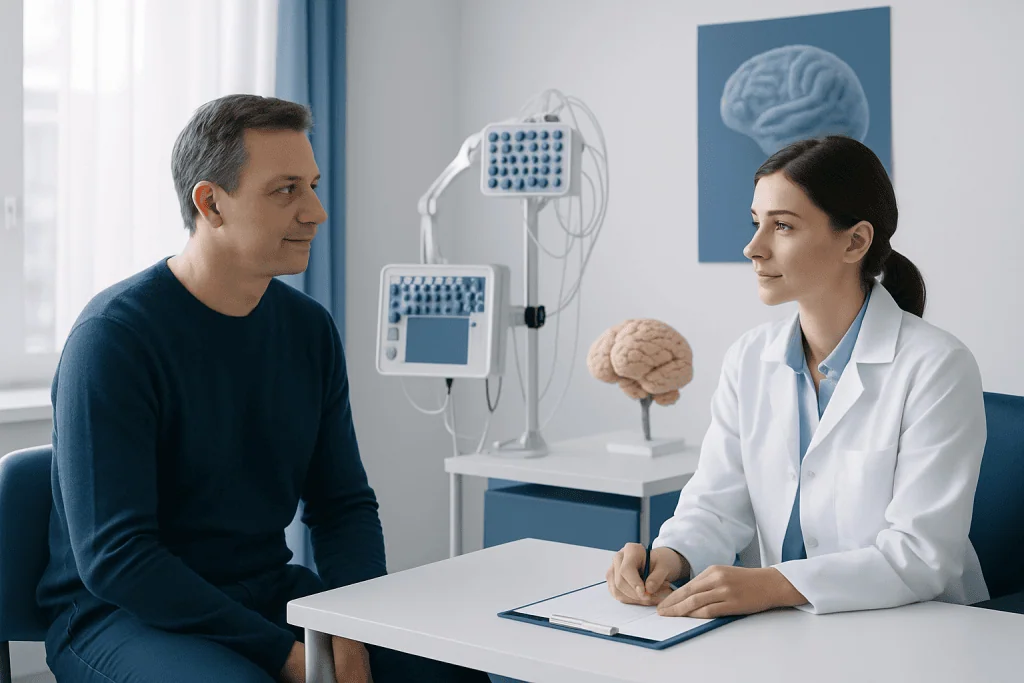
The test used depends on the symptoms and the clinical question. Tests are usually planned in advance, and many are completed in an outpatient department. Some involve small sensors placed on the skin, while others may use a very fine recording needle in selected muscles. The care team should explain the purpose, preparation and possible temporary discomfort before testing begins.
- Electroencephalography (EEG): records electrical activity in the brain through scalp electrodes. It is commonly used when seizures, episodes of altered awareness or certain sleep-related events are being assessed.
- Electromyography (EMG): evaluates electrical activity in muscles. It can help distinguish between problems affecting muscle, peripheral nerves, nerve roots or motor neurons.
- Nerve conduction studies: use small electrical impulses and recording electrodes to assess how quickly and effectively signals travel along peripheral nerves.
- Evoked potentials: measure the nervous system’s response to visual, sound or sensory stimulation and may be useful for evaluating specific pathways in the brain, spinal cord or optic nerves.
- Polysomnography and related recordings: may record brain activity, breathing, movement and other signals during sleep when clinically indicated.
These tests have different strengths and limitations. For example, an EEG recorded between events may be normal in some people with epilepsy, while an abnormal result does not by itself establish a diagnosis. Results need to be considered alongside the person’s symptoms, examination, medication use and other investigations.
Conditions and Symptoms Neurophysiology Can Help Assess
Clinical neurophysiology contributes to the assessment of a wide range of neurological conditions. EEG is often part of the evaluation of suspected epilepsy or unexplained episodes that may resemble seizures. Depending on the situation, recordings may be routine, sleep-deprived, prolonged or performed with video monitoring to better understand events as they occur.
EMG and nerve conduction studies are frequently used for symptoms that suggest a peripheral nerve, nerve root or muscle disorder. Examples include carpal tunnel syndrome, peripheral neuropathy, radiculopathy related to spinal nerve irritation, facial nerve disorders and some neuromuscular conditions. They may also help evaluate persistent weakness, altered sensation, cramps or muscle twitching.
Neurophysiology does not diagnose every neurological concern, and it is not always the first test needed. Headache, dizziness, memory concerns or changes in movement may require a different combination of clinical examination, blood testing, imaging, vestibular assessment or neuropsychological evaluation. The most useful approach is guided by the symptom pattern and a clinician’s assessment.
What to Expect Before, During and After Testing
Preparation varies by test. For an EEG, people are often asked to arrive with clean, dry hair and to avoid hair products that make it difficult for electrodes to adhere. A clinician may recommend modified sleep before certain EEG studies, but this should only be done according to the instructions provided. It is important to continue or pause medicines only when the referring clinician advises this.
For nerve conduction studies and EMG, lotions and oils on the skin may interfere with electrodes, so clean skin is generally preferred. Nerve stimulation can feel like a brief tapping or tingling sensation. During needle EMG, a fine electrode is inserted into selected muscles; this may cause short-lived discomfort and occasionally minor bruising. People who use blood-thinning medication or have a bleeding disorder should tell the clinical team in advance.
Most people can return to usual activities after routine testing. Results may be discussed immediately in some services, while in others they are reviewed, formally reported and sent to the referring doctor. A test report is one piece of the overall evaluation; patients should arrange follow-up to understand what the findings mean for them personally.
Understanding Results and Next Steps
Neurophysiology reports describe patterns of electrical activity and how they compare with expected findings. Results may be normal, abnormal or uncertain. A normal result can be reassuring, but it does not always exclude a condition, particularly if symptoms are intermittent or affect pathways not captured by that specific test.
An abnormal result may indicate that further assessment is needed, but it should not be interpreted in isolation. For example, nerve conduction changes can suggest the location and type of nerve dysfunction, while the underlying cause may still require review of health history, metabolic factors, autoimmune conditions, medication exposure or imaging results.
After testing, the referring clinician may recommend observation, additional investigations, medication, rehabilitation, sleep assessment, referral to another specialist or treatment for an identified cause. When care involves complex symptoms, a multidisciplinary review can help ensure that testing and treatment decisions are coordinated.
When to Seek Medical Care
Medical assessment is appropriate for new or persistent weakness, numbness, tingling, episodes of loss of awareness, recurrent unexplained falls, new involuntary movements, or symptoms that interfere with walking, work, sleep or daily activities. A primary care doctor or neurologist can determine whether neurophysiology testing is appropriate and how urgently it is needed.
Emergency care is important for sudden weakness or numbness on one side of the body, facial drooping, trouble speaking, sudden severe confusion, a first seizure lasting more than five minutes, repeated seizures without recovery, a severe sudden headache, or a major change in consciousness. These symptoms may require urgent assessment rather than waiting for an outpatient neurophysiology appointment.
For international patients, Acibadem International’s multidisciplinary specialists and JCI-accredited hospitals provide neurological assessment and neurophysiology-supported care when clinically appropriate. The right testing plan should always be based on an individual medical evaluation and discussed with a qualified doctor.
Frequently asked questions
Is a neurophysiologist the same as a neurologist?
They are related but not always the same role. A neurologist diagnoses and manages disorders of the nervous system, while a neurophysiologist has particular expertise in measuring nervous system function through tests such as EEG, EMG and nerve conduction studies. Many clinical neurophysiologists are neurologists with additional specialist training.
Why would a doctor refer someone to a neurophysiologist?
A referral may be made when symptoms suggest altered brain, nerve or muscle function. Examples include suspected seizures, unexplained weakness, numbness, tingling, muscle twitching or possible nerve compression. The aim is to obtain objective information that can support the wider clinical assessment.
Are neurophysiology tests painful?
Most tests are well tolerated, though some can be uncomfortable for a short time. Nerve conduction studies involve brief electrical stimulation, and needle EMG uses a fine electrode in selected muscles. The team can explain what to expect and make adjustments where possible.
How long do EEG and EMG tests take?
Timing depends on the type of study and the reason for testing. A routine EEG or EMG appointment may take from less than an hour to a few hours, while prolonged EEG or sleep studies can take much longer. The testing center should provide specific instructions before the appointment.
Can an EEG diagnose epilepsy on its own?
No. EEG findings can support a diagnosis of epilepsy, but they are interpreted alongside the person’s events, medical history and clinical examination. Some people with epilepsy have a normal EEG between seizures, and some EEG changes can occur in people who do not have epilepsy.
What should a person bring to a neurophysiology appointment?
It is helpful to bring a medication list, relevant medical records and details of symptoms, including when they began and what makes them better or worse. If episodes occur, a description from a witness or a safely recorded video may also be useful for the referring clinician. Patients should follow any preparation instructions given for their specific test.
References
- American Clinical Neurophysiology Society
- American Academy of Neurology
- National Institute of Neurological Disorders and Stroke
- International Federation of Clinical Neurophysiology
- NHS
This article is for general information only and is not a substitute for professional medical advice. Please consult a qualified doctor about your individual situation.
Joint and spine care in Turkey — expert assessment & treatment
JCI-accredited · board-certified surgeons · reply within 24h
Add us as a Preferred Source to see more of our trusted health content across Google Search, AI Overviews and Discover.