

Neurophysiology Appointment: What Happens, How to Prepare, and What Results Can Show

A neurophysiology appointment evaluates electrical activity in the brain, nerves, or muscles. Common tests include EEG, EMG, nerve conduction studies, evoked potentials, and sleep-related recordings.
Key Takeaways
- A neurophysiology appointment evaluates electrical activity in the brain, nerves, or muscles.
- Common tests include EEG, EMG, nerve conduction studies, evoked potentials, and sleep-related recordings.
- Preparation depends on the test and may involve clean skin or hair, avoiding certain products, and reviewing medicines.
- Results can support diagnosis but are interpreted together with symptoms, examination findings, and imaging when needed.
- Most neurophysiology tests are outpatient procedures and allow patients to return home the same day.
A neurophysiology appointment helps doctors assess how the brain, nerves, muscles, or spinal pathways are working. The visit may include tests such as EEG, EMG, or nerve conduction studies to investigate symptoms and guide diagnosis and treatment.
Overview: What a Neurophysiology Appointment Is
A neurophysiology appointment is a specialist assessment focused on how the nervous system works in real time. Rather than mainly looking at body structures, neurophysiology tests measure electrical activity in the brain, spinal pathways, nerves, and muscles. This helps doctors understand whether signals are being sent and received normally.
These appointments are often recommended when a person has symptoms such as numbness, tingling, weakness, muscle twitching, episodes of loss of awareness, blackouts, suspected seizures, balance problems, or unexplained pain. The exact test depends on the symptom pattern and the part of the nervous system the doctor wants to study.
Neurophysiology is used alongside a medical history, physical examination, blood tests, and imaging studies when needed. It does not always provide a diagnosis on its own, but it can add valuable information that helps confirm or rule out conditions affecting the brain, nerves, and muscles.
What Happens During the Appointment
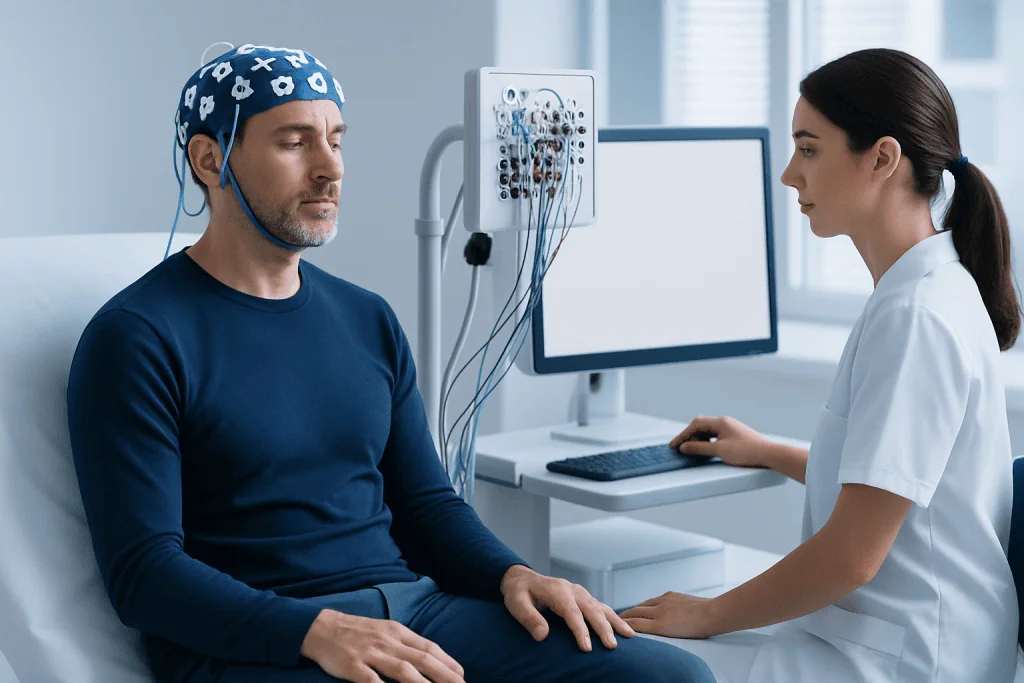
The appointment usually begins with a review of symptoms, medical history, current medicines, and any previous scans or test results. The clinician may ask when symptoms started, whether they come and go, and what makes them better or worse. This discussion helps determine which neurophysiology tests are most useful.
The test itself depends on the reason for referral. An electroencephalogram, or EEG, records the brain’s electrical activity using small sensors placed on the scalp. An electromyography test, or EMG, examines muscle activity, while nerve conduction studies measure how fast and effectively electrical signals travel through nerves. Other tests may include evoked potentials, which assess how the nervous system responds to sound, touch, or visual stimuli.
Most tests are done as outpatient procedures. They are usually completed in a clinic, day unit, or specialized neurophysiology laboratory. Many patients can go home shortly afterward and resume normal activities, although there may be specific instructions after some tests, especially if drowsiness, sedation, or sleep deprivation has been involved.
In some cases, neurophysiology is part of a wider neurology assessment. If symptoms suggest conditions such as epilepsy or a peripheral nerve disorder, the findings may be combined with neurological examination and additional tests to build a clearer picture.
Common Neurophysiology Tests and What They Assess
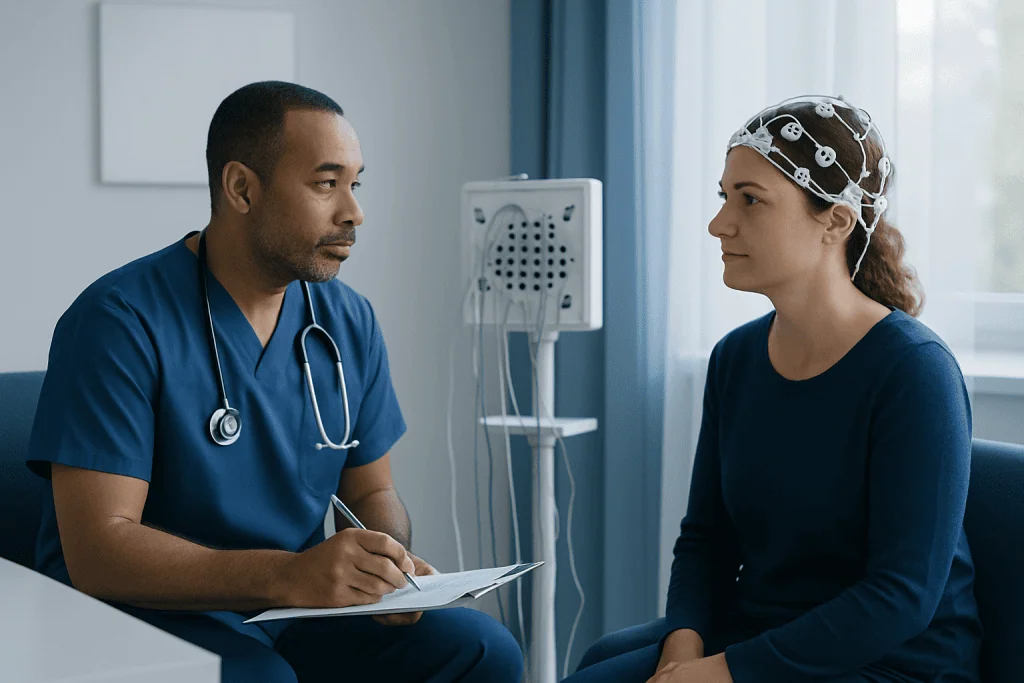
EEG is commonly used when doctors need information about brain wave activity. It may be requested for suspected seizures, episodes of altered awareness, or some sleep-related concerns. During an EEG, small electrodes are attached to the scalp to record brain activity. The test is painless, and the person may be asked to rest quietly, open and close the eyes, breathe deeply, or look at flashing lights.
EMG and nerve conduction studies are often used for symptoms such as weakness, numbness, tingling, muscle cramps, or suspected nerve compression. Nerve conduction studies use small electrical impulses to see how a nerve responds. EMG involves a very fine needle electrode placed in selected muscles to assess their electrical activity at rest and during movement. These tests can help investigate problems such as carpal tunnel syndrome or other neuropathies.
Evoked potential tests measure how the brain and nervous system respond to sensory input. Depending on the symptoms, this may include visual, auditory, or somatosensory testing. These studies can be useful when there is a need to assess signal transmission along specific nerve pathways.
Some centers also offer longer recordings, such as ambulatory EEG or video EEG monitoring, especially when events do not happen daily or need closer observation. If seizures are a concern, a specialist may discuss options such as an epilepsy surgery assessment in selected cases, but only after careful diagnosis and review by an expert team.
How to Prepare for a Neurophysiology Test
Preparation varies by test, so it is important to follow the instructions from the clinic. For EEG, patients are often asked to arrive with clean, dry hair and to avoid hair sprays, oils, or gels because these can affect electrode contact. In some cases, the clinic may advise less sleep than usual the night before if a sleep-deprived EEG is planned.
For EMG and nerve conduction studies, it is usually helpful to wear loose, comfortable clothing that allows easy access to the arms or legs. Skin lotions, creams, and oils should often be avoided on the day of the test because they can interfere with electrode placement. Patients should tell the team if they have a pacemaker, a bleeding disorder, or take blood-thinning medicine.
Patients should also bring a list of their medicines, relevant test reports, and details of symptoms, including when they occur and how long they last. If the appointment is for episodes such as blackouts or possible seizures, a witness description or phone video may sometimes be helpful if it is safe and available.
Most people can eat and drink normally before the appointment unless told otherwise. If there is any uncertainty about preparation, contacting the clinic in advance can help avoid delays and make the visit smoother.
Are the Tests Painful or Risky?
Many neurophysiology tests are painless or cause only mild temporary discomfort. EEG involves sensors on the scalp and does not send electricity into the brain. Nerve conduction studies use small electrical pulses that can feel brief and unusual, but they are generally well tolerated. EMG uses a fine needle electrode, so there may be short-lived discomfort in the tested muscles.
Serious risks are uncommon. Some people may feel tired after a long recording, especially if they were asked to reduce sleep beforehand. Minor bruising or soreness can occasionally happen after EMG. For tests involving flashing lights or hyperventilation during EEG, the team watches closely and stops if needed.
Neurophysiology staff are trained to explain each step and help patients feel comfortable. People should mention pregnancy, implantable devices, skin sensitivity, bleeding tendencies, or anxiety before the test. Sharing this information helps the team plan safely and tailor the experience to the patient’s needs.
What Results Can Show
Neurophysiology results can show whether nerve or brain signals look normal, slowed, blocked, irritated, or unusually patterned. In EEG, the recording may identify features that support a tendency toward seizures or help classify a seizure type. In nerve conduction studies and EMG, the findings may suggest damage to a peripheral nerve, a nerve root, the neuromuscular junction, or the muscle itself.
These tests can help evaluate a range of conditions, including neuropathy, nerve entrapment, radiculopathy, some muscle disorders, and disorders affecting brain electrical activity. However, a normal test does not always exclude a condition, especially if symptoms are intermittent or early in the disease process. The doctor interprets results together with the patient’s history and examination.
Sometimes the report helps rule out one cause and point toward another. For example, symptoms of hand numbness might be due to a local nerve compression or may come from the neck or another source. In certain situations, doctors may recommend additional imaging or procedures, such as MRI or CT scan, to complete the assessment.
Results may be available the same day for some tests, while formal reporting can take longer depending on complexity. Patients should ask when and how they will receive the results, and whether a follow-up neurology visit is needed to discuss next steps.
After the Appointment and Possible Next Steps
After most neurophysiology appointments, people can return home and continue their usual routine. If an EEG paste or gel was used, hair washing afterward may be advised. If there is mild soreness after EMG, it usually settles on its own within a short time.
The next step depends on the findings. Some patients receive reassurance that no major abnormality was detected. Others may be advised to have further tests, start treatment, or see a neurology, neurosurgery, rehabilitation, or pain specialist. If symptoms are affecting daily activities, early follow-up can be especially helpful.
Treatment is guided by the underlying cause rather than the test itself. For example, a patient with nerve compression may benefit from splinting, physiotherapy, medicines, or a referral for further care, while someone with seizure-like episodes may need a more detailed evaluation of brain activity and possible anti-seizure treatment.
For international patients who need coordinated assessment, Acibadem International’s multidisciplinary specialists and JCI-accredited hospitals provide diagnosis and treatment planning for neurological and neurophysiological conditions.
When to Seek Medical Advice Urgently
A neurophysiology appointment is usually planned in advance, but some symptoms need more urgent medical attention rather than waiting for a routine test. These include sudden weakness on one side, new difficulty speaking, sudden vision loss, severe sudden headache, or loss of consciousness with injury. These symptoms may suggest a medical emergency and should be assessed immediately.
Urgent advice is also important for repeated seizures, a first seizure, episodes with prolonged confusion, rapidly worsening weakness, new walking difficulty, or numbness that is spreading quickly. Breathing problems, swallowing difficulty, or severe back pain with bladder or bowel changes also need prompt evaluation.
For non-urgent concerns, patients should contact their doctor if symptoms are persistent, recurrent, or interfering with work, sleep, mobility, or quality of life. Early evaluation can help clarify the cause and support timely treatment when needed.
Frequently asked questions
How long does a neurophysiology appointment take?
The length depends on the test being done. Some appointments take less than an hour, while others, such as prolonged EEG recordings, may take several hours or longer. The clinic usually explains the expected timing in advance.
Do I need to stop my medicines before the test?
Patients should not stop medicines unless their doctor or the testing team specifically advises it. Many medicines can be continued as usual, but some may affect certain test results. It is important to bring an up-to-date medicine list to the appointment.
Is an EEG the same as a brain scan?
No. An EEG records the brain's electrical activity, while scans such as MRI or CT show the brain's structure. Doctors sometimes use both because they provide different kinds of information.
Can neurophysiology tests diagnose all nerve problems?
Not always. These tests are very useful, but they are only one part of the overall assessment. Results are interpreted together with symptoms, examination findings, and sometimes blood tests or imaging.
What should be worn to an EMG or nerve conduction study?
Loose, comfortable clothing is usually best because the arms or legs may need to be examined. It also helps to avoid creams or lotions on the skin that day. The clinic may give more specific instructions depending on the body area being tested.
Will I get my results on the same day?
Sometimes a clinician can share an early impression, but formal results may take longer. This is because the recordings often need careful review and reporting by a specialist. Patients should ask how and when the final report will be discussed.
References
- National Institute of Neurological Disorders and Stroke
- National Institute for Health and Care Excellence
- American Clinical Neurophysiology Society
- NHS
- International Federation of Clinical Neurophysiology
This article is for general information only and is not a substitute for professional medical advice. Please consult a qualified doctor about your individual situation.
Neurophysiology in Turkey — costs, top hospitals & a free quote
JCI-accredited · board-certified surgeons · reply within 24h
Add us as a Preferred Source to see more of our trusted health content across Google Search, AI Overviews and Discover.

More from the Health Library



Related Specialists

Prof. Dr. Filiz Saçan
Interventional Radiology
Prof. Dr. Aytekin Akyüz
Neurology
Prof. Dr. Simay A. Kara
Interventional Radiology
Prof. Dr. Hale Göksever Çelik
Gynecology & Obstetrics