Neuropsychiatric Disorders: Early Symptoms, Diagnosis, and When to See a Specialist

Neuropsychiatric disorders can affect emotions, memory, behavior, sleep, movement, and daily functioning. Symptoms may develop gradually or appear suddenly, depending on the underlying cause.
Key Takeaways
- Neuropsychiatric disorders can affect emotions, memory, behavior, sleep, movement, and daily functioning.
- Symptoms may develop gradually or appear suddenly, depending on the underlying cause.
- Diagnosis often involves both neurological and psychiatric assessment, along with targeted testing.
- Treatment usually combines medication, psychotherapy, rehabilitation, and management of the underlying medical condition.
- Urgent medical attention is important for sudden confusion, seizures, suicidal thoughts, or major personality changes.
Neuropsychiatric disorders are conditions in which brain function affects mood, thinking, behavior, or movement. Recognizing early symptoms and seeking timely specialist evaluation can help clarify the cause and support appropriate treatment.
Overview of Neuropsychiatric Disorders
Neuropsychiatric disorders are conditions in which changes in the brain affect mental and behavioral health. They can influence mood, memory, concentration, personality, sleep, movement, and the ability to function at home, school, or work. In simple terms, they sit at the intersection of neurology and psychiatry.
This broad group includes disorders caused mainly by brain disease, such as dementia, epilepsy-related behavioral changes, Parkinson disease with mood or cognitive symptoms, and autoimmune or inflammatory brain conditions. It also includes situations in which psychiatric symptoms may be linked to a medical or neurological problem, rather than being purely emotional in origin.
Symptoms can vary widely from person to person. Some people develop depression, anxiety, or irritability. Others notice memory loss, slowed thinking, hallucinations, impulsivity, sleep disruption, or changes in balance and movement. Because these symptoms overlap with many other health conditions, careful assessment is important.
Early evaluation can be especially helpful when symptoms are new, progressive, or interfering with daily life. A timely diagnosis may identify treatable causes, reduce distress for the person and family, and guide a more effective care plan.
Early Symptoms to Watch For
Early symptoms of neuropsychiatric disorders are often subtle. A person may seem more forgetful, withdrawn, emotionally reactive, or less organized than usual. Family members are sometimes the first to notice that something has changed, especially when the person does not fully recognize the symptoms themselves.
Common early features may include problems with attention, planning, or short-term memory; unexplained anxiety or low mood; disturbed sleep; loss of interest in usual activities; and changes in social behavior. Some people also develop unusual suspiciousness, confusion, slowed speech, agitation, or episodes of disorientation.
Depending on the underlying cause, symptoms may also include physical or neurological clues. These can include tremor, poor balance, headaches, seizures, weakness, numbness, changes in vision, or a sudden decline after an infection or medical illness.
- Memory or concentration problems that are new or worsening
- Marked mood changes, irritability, or apathy
- Sleep disturbance or daytime drowsiness
- Hallucinations, delusions, or unusual behavior
- Personality change or reduced judgment
- Movement symptoms such as tremor, stiffness, or slowed walking
Causes and Risk Factors

Neuropsychiatric symptoms can arise from many different causes. Some are related to structural or degenerative brain disease, including stroke, traumatic brain injury, epilepsy, multiple sclerosis, dementia, or Parkinson-related conditions. Others may result from inflammation, infection, immune disorders, hormonal imbalance, vitamin deficiency, or side effects of medications and substances.
Mental health conditions such as depression, bipolar disorder, or psychosis can sometimes occur alongside neurological illness, making the picture more complex. In other cases, what appears to be a psychiatric problem may actually be a sign of an underlying medical issue affecting the brain. This is one reason a broad, expert assessment is so valuable.
Risk factors depend on the specific disorder but may include older age, a personal or family history of neurological or psychiatric illness, previous head injury, cardiovascular risk factors, substance misuse, chronic medical disease, autoimmune conditions, and poor sleep. Stress does not directly cause all neuropsychiatric disorders, but it can make symptoms more noticeable or harder to manage.
Examples of related neurological conditions may include Parkinson's disease and dementia, both of which can affect mood, behavior, and cognition as well as other neurological functions. Identifying the root cause helps guide treatment and expectations.
How Diagnosis Is Made
Diagnosis usually begins with a detailed medical history and symptom review. The specialist may ask when symptoms started, whether they appeared gradually or suddenly, and how they affect daily activities. Information from a family member or caregiver can be very helpful, particularly if there are changes in memory, insight, or behavior.
A neuropsychiatric evaluation often includes both neurological and mental status examination. This may involve checking memory, attention, language, mood, reasoning, movement, reflexes, coordination, and sleep patterns. Doctors may also review medications, alcohol or substance use, and any past medical or psychiatric conditions.
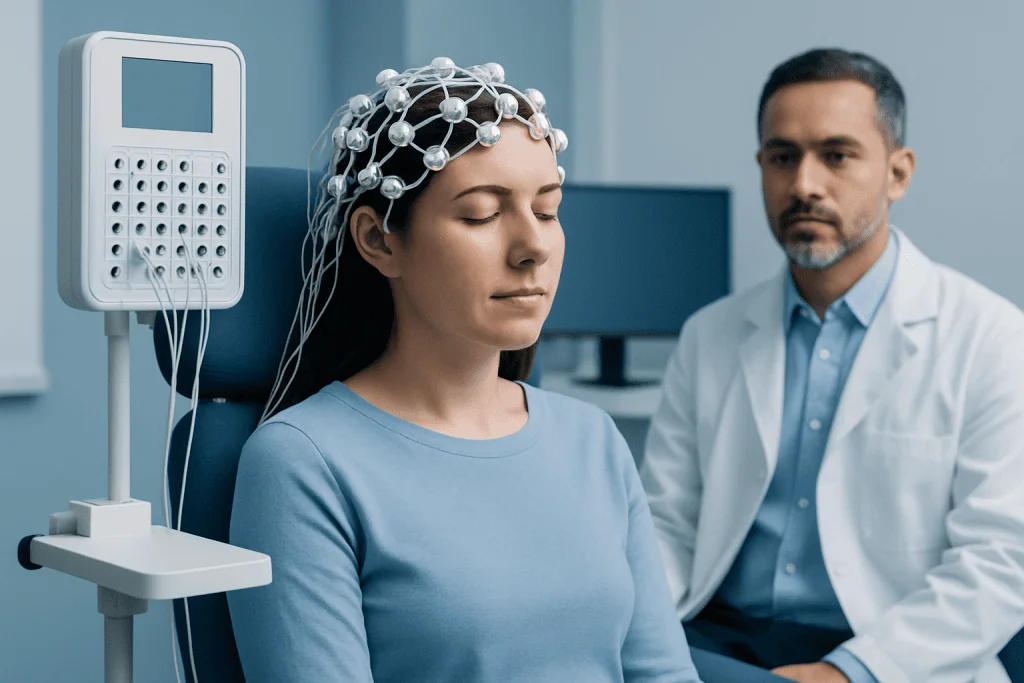
Additional tests are chosen based on the symptoms. These may include blood tests, brain imaging such as MRI or CT, EEG for seizure-related concerns, and formal cognitive testing. In selected cases, doctors may recommend brain MRI or EEG testing to look for structural or electrical causes of symptoms.
The goal is not only to name a condition, but also to rule out reversible causes. Problems such as thyroid disease, infection, medication effects, sleep disorders, vitamin deficiency, or metabolic imbalance can sometimes mimic or worsen neuropsychiatric symptoms. A careful diagnosis helps avoid unnecessary treatment and supports the most appropriate next steps.
Treatment Options and Ongoing Care
Treatment depends on the underlying diagnosis, symptom pattern, and the person’s overall health. In many cases, care combines medical treatment for the brain or body condition with support for emotional, cognitive, and behavioral symptoms. The aim is to improve function, reduce distress, and help the person maintain quality of life.
Medications may be used to treat depression, anxiety, psychosis, sleep problems, seizures, movement symptoms, or the underlying neurological disease. Doctors choose treatment carefully, especially in older adults and people with complex brain disorders, because some medicines can worsen confusion, balance, or sedation.
Non-drug treatment is also important. Depending on need, this may include psychotherapy, cognitive rehabilitation, occupational therapy, speech and language therapy, sleep management, and family education. For selected patients, neuropsychological testing can help define strengths and weaknesses in thinking skills and guide rehabilitation planning.
Many people benefit from coordinated care involving neurologists, psychiatrists, psychologists, and rehabilitation specialists. Near the end of the care journey, some patients also need practical support with driving, work, school accommodations, or caregiver planning. Acibadem International’s multidisciplinary specialists in JCI-accredited hospitals diagnose and treat neuropsychiatric conditions for international patients when advanced evaluation is needed.
Self-care, Family Support, and Prevention
Not all neuropsychiatric disorders can be prevented, but some steps may support brain health and reduce complications. Managing blood pressure, diabetes, and cholesterol; staying physically active; sleeping regularly; avoiding smoking and excessive alcohol; and treating hearing or vision problems can all help overall neurological and mental well-being.
For people already experiencing symptoms, routine can be very helpful. Regular sleep and meal times, simple daily structure, medication reminders, and a calm environment may reduce stress and confusion. It is also wise to keep a written list of symptoms, triggers, and medications to share at appointments.
Family members and caregivers play an important role. They can help notice symptom patterns, support treatment adherence, and encourage medical review if behavior or safety changes. Support groups, counseling, and caregiver education may reduce the strain that often comes with long-term brain and behavior conditions.
Self-care should not replace medical assessment when symptoms are significant or progressive. If there is concern about cognitive decline, mental status changes, or neurological symptoms, professional evaluation remains the safest approach.
When to See a Specialist
A specialist should be consulted when symptoms are persistent, worsening, unexplained, or interfering with normal life. This includes memory decline, major mood changes, new hallucinations, sudden behavior change, personality change, or difficulty functioning at work, school, or home. Specialist review is also important when mental health symptoms occur together with seizures, tremor, weakness, headaches, falls, or other neurological signs.
In some situations, urgent medical care is needed rather than a routine appointment. Sudden confusion, loss of consciousness, seizure, severe agitation, suicidal thoughts, new inability to speak, one-sided weakness, or signs of stroke require emergency attention. Rapid changes may point to a serious but potentially treatable medical problem.
People are often referred to a neuropsychiatrist, neurologist, or psychiatrist depending on the symptom pattern. Sometimes more than one specialist is involved, especially when both brain and mental health factors are contributing. In complex cases, advanced imaging or consultation through neurology care may help clarify the diagnosis.
Seeking help early does not mean assuming the worst. Many causes of neuropsychiatric symptoms are manageable, and some are reversible. A clear diagnosis can offer reassurance, direction, and a practical plan for treatment and follow-up.
Frequently asked questions
What are neuropsychiatric disorders?
Neuropsychiatric disorders are conditions in which brain-related changes affect mood, behavior, thinking, memory, or perception. They may be caused by neurological disease, medical illness, brain injury, or conditions that affect both brain and mental health.
What are the first signs of a neuropsychiatric disorder?
Early signs may include forgetfulness, poor concentration, changes in sleep, anxiety, low mood, unusual behavior, or a noticeable personality change. In some people, family members notice subtle changes before the person does.
How is a neuropsychiatric disorder different from a mental health disorder?
There can be overlap, but neuropsychiatric disorders usually involve symptoms linked to brain function or neurological disease. A specialist may look for medical, structural, electrical, or degenerative causes in addition to psychiatric symptoms.
Which doctor should someone see for neuropsychiatric symptoms?
The right specialist depends on the symptom pattern, but evaluation may involve a neuropsychiatrist, neurologist, psychiatrist, or neuropsychologist. Many people benefit from coordinated care when symptoms affect both mental health and neurological function.
Can neuropsychiatric symptoms be treated?
Yes, many neuropsychiatric symptoms can be treated or managed. Treatment may include medicines, psychotherapy, rehabilitation, and treatment of the underlying neurological or medical cause.
When is it urgent to get help?
Urgent care is needed for sudden confusion, seizures, suicidal thoughts, severe agitation, loss of consciousness, or signs of stroke such as weakness or speech difficulty. Rapid changes in mental status should always be taken seriously and assessed promptly.
References
- World Health Organization
- National Institute of Mental Health
- National Institute of Neurological Disorders and Stroke
- American Psychiatric Association
- Alzheimer's Association
This article is for general information only and is not a substitute for professional medical advice. Please consult a qualified doctor about your individual situation.
Explore treatments in Turkey — costs, top hospitals & a free quote
JCI-accredited · board-certified surgeons · reply within 24h
Add us as a Preferred Source to see more of our trusted health content across Google Search, AI Overviews and Discover.