Neuropsychiatric Symptoms in Autoimmune Brain Disease: When to Seek Urgent Care

Autoimmune brain disease can affect both the brain and behavior, causing psychiatric and neurological symptoms at the same time. Warning signs include sudden confusion, seizures, severe agitation, hallucinations, memory loss, new abnormal movements, and reduced consciousness.
Key Takeaways
- Autoimmune brain disease can affect both the brain and behavior, causing psychiatric and neurological symptoms at the same time.
- Warning signs include sudden confusion, seizures, severe agitation, hallucinations, memory loss, new abnormal movements, and reduced consciousness.
- Early diagnosis and treatment can improve recovery and help prevent complications.
- Doctors often use a combination of history, neurological examination, brain imaging, EEG, blood tests, and spinal fluid testing.
- New or rapidly worsening symptoms should not be dismissed as stress or a primary mental health condition without medical evaluation.
Autoimmune brain disease can cause sudden or unusual changes in thinking, mood, behavior, memory, or movement. When these neuropsychiatric symptoms appear quickly or are accompanied by seizures, confusion, or reduced awareness, urgent medical assessment is important.
Overview
Neuropsychiatric symptoms in autoimmune brain disease happen when the body’s immune system mistakenly targets parts of the brain. This can lead to inflammation that affects thinking, memory, mood, behavior, sleep, movement, and awareness. In many cases, symptoms develop over days to weeks rather than gradually over many months or years.
One of the best-known examples is autoimmune encephalitis, but autoimmune-related brain inflammation can appear in several forms. Because the brain controls both mental and physical functions, people may develop a mixture of psychiatric symptoms and neurological signs. This overlap is one reason the condition can be difficult to recognize at first.
Some people are first seen for anxiety, agitation, depression, hallucinations, or sudden personality change. Others come to medical attention because of seizures, speech problems, memory loss, abnormal movements, or confusion. A sudden change from a person’s usual behavior or mental state is often an important clue that urgent medical evaluation is needed.
Symptoms and Early Warning Signs
Symptoms can vary widely depending on which parts of the brain are affected. Common neuropsychiatric features include memory problems, poor concentration, confusion, unusual fear, anxiety, depressed mood, irritability, insomnia, hallucinations, delusions, or marked changes in personality and judgment. Some people may seem withdrawn, disorganized, or unable to follow normal conversation.
Neurological symptoms may occur at the same time or follow shortly afterward. These can include seizures, episodes of staring or unresponsiveness, muscle jerks, weakness, loss of balance, slurred speech, abnormal movements, sensitivity to sound or light, and reduced alertness. In children and teenagers, symptoms may be mistaken for behavioral problems, regression, or abrupt school difficulties.
Red flags that deserve urgent attention include rapidly worsening confusion, new psychosis, repeated seizures, fainting-like episodes, trouble breathing, severe agitation, inability to eat or drink safely, or decreased consciousness. Family members often notice that the person is “not acting like themselves.” That change should be taken seriously, especially when symptoms appear suddenly.
- Sudden memory loss or disorientation
- New hallucinations or delusional thinking
- Seizures or unexplained staring spells
- Abnormal involuntary movements
- Marked sleep disturbance with confusion or agitation
- Reduced responsiveness or loss of consciousness
Causes and Risk Factors

Autoimmune brain disease happens when immune cells or antibodies react against normal brain tissue. In some cases, the immune response follows an infection. In others, it may be linked to another autoimmune condition or, less commonly, to a tumor that triggers an abnormal immune reaction. Sometimes no clear trigger is found.
Several antibody-associated syndromes have been identified, but not every patient has a detectable antibody. This means doctors do not rely on one blood test alone. The diagnosis depends on the overall pattern of symptoms, examination findings, and supportive test results.
Risk can be higher in people with a personal or family history of autoimmune disease, but autoimmune brain inflammation can also occur in someone with no prior medical problems. It may affect children, young adults, or older adults. Because symptoms can look psychiatric at first, it is important not to assume that a first episode of severe behavioral change is purely psychological without excluding a medical cause.
How Doctors Diagnose It
Diagnosis begins with a careful history from the patient and, when possible, from family or caregivers who can describe the timeline of changes. Doctors look closely at how quickly symptoms began, whether seizures or fevers occurred, and whether there are signs of infection, autoimmune disease, or cancer. A neurological examination helps identify changes in movement, speech, reflexes, attention, or awareness.
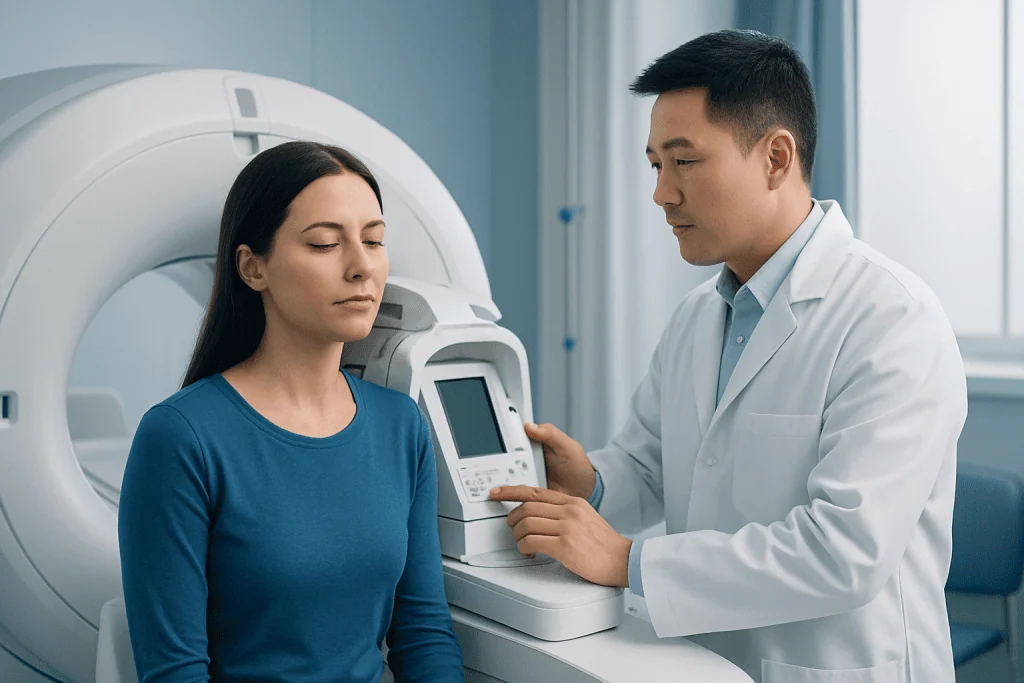
Testing often includes blood work, brain MRI, electroencephalography (EEG), and lumbar puncture to examine cerebrospinal fluid. MRI can help detect inflammation or related changes in the brain, although it may be normal in some patients. EEG can show abnormal brain activity, especially when episodes of confusion might actually be seizures. A lumbar puncture may show inflammation and can be used for antibody testing.
Because symptoms can overlap with infection, toxic exposure, metabolic disorders, stroke, or primary psychiatric illness, doctors usually consider several possible diagnoses at once. In some patients, brain MRI and EEG testing are key parts of the early assessment. If autoimmune brain disease is suspected, referral to specialists in neurology, neuroimmunology, psychiatry, and intensive care may be needed.
Treatment Options
Treatment focuses on calming the abnormal immune response and supporting the brain while it heals. Doctors may use immunotherapy such as corticosteroids, intravenous immunoglobulin, plasma exchange, or other immune-targeting medicines depending on the cause, severity, and response to initial treatment. If a triggering tumor is found, treating that condition is an important part of care.
Supportive treatment is equally important. Some patients need anti-seizure medicines, help with sleep, treatment for agitation, hydration, nutritional support, or monitoring in hospital. Because symptoms may fluctuate, treatment plans are usually tailored to the individual and adjusted as new test results become available.
Recovery can take time, even after the inflammation is brought under control. Rehabilitation, psychotherapy, cognitive support, and follow-up with neurology and psychiatry may all be helpful. In selected situations, doctors may recommend hospital-based care and advanced therapies such as plasmapheresis or, if prolonged seizures occur, management in a setting familiar with epilepsy treatment.
When to Seek Urgent Care
Urgent medical care is important when a person has sudden or rapidly worsening neuropsychiatric symptoms, especially if these are accompanied by seizures, fever, severe headache, stiff neck, trouble speaking, weakness, or reduced consciousness. Emergency evaluation is also needed when someone becomes unsafe, cannot recognize familiar people, is too confused to care for themselves, or has new hallucinations with disorganized behavior.
A first episode of severe psychosis or extreme agitation should be assessed medically, particularly when it appears together with memory loss, abnormal movements, staring spells, or major sleep disruption. If breathing is affected, there are repeated episodes of unresponsiveness, or the person cannot swallow safely, emergency services should be contacted immediately.
It is better to seek help early than to wait for symptoms to “settle down.” Autoimmune brain disease can progress quickly, and early treatment may reduce complications. Near the end of the evaluation and recovery process, some patients may benefit from care in centers with coordinated neurology, psychiatry, imaging, and intensive care expertise. Acibadem International’s multidisciplinary specialists and JCI-accredited hospitals diagnose and treat these conditions for international patients.
Living With Recovery and Follow-up Care
Improvement is often gradual. Even after the most urgent symptoms improve, a person may continue to have fatigue, slowed thinking, mood changes, poor concentration, sleep problems, or memory difficulty for weeks or months. Follow-up appointments help doctors monitor recovery, adjust medicines, and watch for recurrence.
Family support can make a meaningful difference. Loved ones may need guidance on how to respond to confusion, emotional changes, or reduced independence during recovery. Practical steps such as keeping a symptom diary, organizing medications, maintaining a calm sleep routine, and attending follow-up visits can support healing.
People recovering from autoimmune brain disease should avoid driving, swimming alone, or other risky activities until a doctor confirms that it is safe, especially if seizures, fainting spells, or major attention problems have occurred. If symptoms return or new changes appear, prompt reassessment is important.
Frequently asked questions
Can autoimmune brain disease look like a psychiatric illness?
Yes. It can begin with anxiety, insomnia, paranoia, hallucinations, depression, or sudden personality change. What raises concern is the combination of these symptoms with confusion, memory loss, seizures, abnormal movements, or a rapid decline over days to weeks.
Is autoimmune encephalitis the same as autoimmune brain disease?
Autoimmune encephalitis is one important type of autoimmune brain disease, but it is not the only one. The broader term includes immune-related brain inflammation and syndromes that affect thinking, behavior, and neurological function.
When should someone go to the emergency department?
Emergency care is appropriate for seizures, reduced consciousness, rapidly worsening confusion, severe agitation, new psychosis, trouble breathing, or inability to swallow safely. It is also important to seek urgent assessment if symptoms appear suddenly and the person is clearly not behaving like themselves.
How is this condition confirmed?
Doctors usually combine medical history, neurological examination, brain imaging, EEG, blood tests, and spinal fluid testing. No single test confirms every case, so diagnosis often depends on the overall pattern and on excluding other causes.
Can people recover from autoimmune brain disease?
Many people do improve, especially when diagnosis and treatment happen early. Recovery may be slow and can continue over months, so ongoing follow-up, rehabilitation, and mental health support are often part of care.
Are symptoms always severe from the start?
Not always. Some people begin with subtle sleep changes, anxiety, poor concentration, or memory problems before more obvious neurological symptoms appear. Because early signs can be nonspecific, worsening or unusual combinations of symptoms should be evaluated by a doctor.
References
- National Institute of Neurological Disorders and Stroke
- National Institute of Mental Health
- American Academy of Neurology
- Encephalitis Society
- Mayo Clinic
This article is for general information only and is not a substitute for professional medical advice. Please consult a qualified doctor about your individual situation.
Explore treatments in Turkey — costs, top hospitals & a free quote
JCI-accredited · board-certified surgeons · reply within 24h
Add us as a Preferred Source to see more of our trusted health content across Google Search, AI Overviews and Discover.