Neuropsychiatry Evaluation: When Neurological Symptoms Affect Mood or Behavior

A neuropsychiatry evaluation connects brain health with emotions, behavior, memory, and thinking. It may be helpful when symptoms such as personality change, confusion, depression, anxiety, or hallucinations occur alongside neurological signs.
Key Takeaways
- A neuropsychiatry evaluation connects brain health with emotions, behavior, memory, and thinking.
- It may be helpful when symptoms such as personality change, confusion, depression, anxiety, or hallucinations occur alongside neurological signs.
- Assessment often includes a detailed history, neurological and mental status examination, and sometimes brain imaging or cognitive testing.
- Treatment depends on the cause and may combine medication, psychotherapy, rehabilitation, and specialist neurological care.
- Early evaluation can improve safety, clarify diagnosis, and guide support for patients and families.
A neuropsychiatry evaluation looks at how brain and nervous system conditions may affect mood, behavior, memory, thinking, and daily function. It helps identify whether symptoms are mainly neurological, psychiatric, or a combination of both so care can be more accurate and personalized.
Overview
A neuropsychiatry evaluation is a medical assessment used when changes in mood, behavior, memory, or thinking may be related to a condition affecting the brain or nervous system. Neuropsychiatry sits at the meeting point of neurology and psychiatry. It focuses on symptoms that are emotional or behavioral on the surface, but may have an underlying neurological explanation.
This kind of evaluation can be useful when a person develops depression after a stroke, anxiety with epilepsy, personality changes after a head injury, or confusion linked to a neurodegenerative disorder. It can also help when symptoms do not fit neatly into one category, such as when someone has both neurological complaints and mental health changes at the same time.
The goal is not simply to label symptoms. Instead, the aim is to understand what is causing them, how they are affecting daily life, and what type of treatment or support may help most. A careful assessment can also reduce uncertainty for patients and families by explaining how brain function may influence emotions, judgment, and behavior.
Symptoms That May Prompt a Neuropsychiatry Evaluation
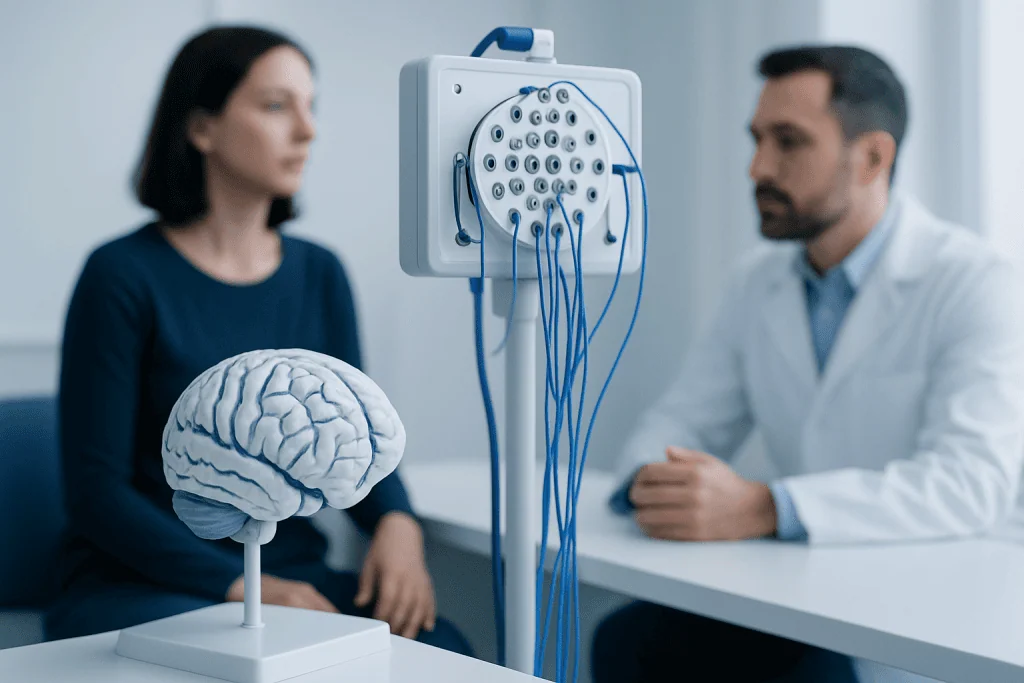
Many different symptoms can lead a doctor to recommend a neuropsychiatry evaluation. Some people are referred because of sudden or progressive memory problems, poor concentration, confusion, or trouble planning and organizing daily tasks. Others may have marked mood changes, irritability, impulsive behavior, loss of motivation, or personality changes that seem new or out of character.
Emotional symptoms are also common. These may include depression, anxiety, panic, apathy, emotional outbursts, or mood swings. In some cases, a person may experience hallucinations, suspiciousness, unusual beliefs, or episodes of agitation. Sleep disturbance can also worsen cognitive and emotional symptoms, making assessment even more important.
Neurological symptoms often appear alongside these changes. Examples include headaches, seizures, tremor, weakness, numbness, balance problems, speech difficulty, fainting episodes, or changes in vision. When emotional or behavioral symptoms occur together with neurological signs, a combined brain-and-mind assessment may be especially helpful.
- Memory loss or confusion
- Behavior or personality changes
- Depression or anxiety with neurological illness
- Hallucinations or delusions with cognitive symptoms
- Attention, language, or executive function problems
- Symptoms after head injury, stroke, or seizures
Possible Causes and Risk Factors

Neuropsychiatric symptoms can develop for many reasons. Structural or functional changes in the brain may affect emotional regulation, thinking, perception, and behavior. Conditions such as stroke, traumatic brain injury, epilepsy, Parkinsonian disorders, dementia, multiple sclerosis, brain infections, autoimmune diseases, and brain tumors can all contribute to these symptoms.
Some symptoms are linked to progressive disorders that affect memory and thinking over time, including forms of Alzheimer’s disease or other dementias. In other cases, symptoms may follow a specific event, such as a concussion, neurosurgical procedure, severe infection, or prolonged seizures. Substance use, medication side effects, hormonal changes, vitamin deficiencies, sleep disorders, and metabolic illness can also affect brain function and mimic psychiatric conditions.
Risk factors depend on the underlying cause but may include older age, a history of neurological disease, prior head injury, vascular risk factors such as high blood pressure or diabetes, family history of certain neurodegenerative conditions, or untreated mental health problems. Importantly, not every mood or behavioral symptom means there is a serious neurological disorder. The purpose of evaluation is to sort through possibilities in a safe, evidence-based way.
How Diagnosis Is Made
A neuropsychiatry evaluation usually begins with a detailed conversation about symptoms, medical history, medications, family history, and daily functioning. Doctors often ask when symptoms started, whether they came on suddenly or gradually, and what changes have been noticed by family members or caregivers. This timeline can provide important clues about whether the cause may be psychiatric, neurological, or both.
The assessment often includes a neurological examination and a mental status examination. These help evaluate speech, attention, memory, mood, insight, judgment, movement, reflexes, sensation, and coordination. Depending on the situation, formal cognitive testing may be recommended to measure memory, language, executive function, and processing speed more precisely.
Additional tests may be used when needed. These can include blood tests, sleep studies, electroencephalography for seizure-related concerns, and brain imaging such as MRI scanning or CT scanning. Some patients may benefit from a more detailed neuropsychological assessment if there are complex questions about thinking skills, recovery, or diagnosis. The exact combination of tests depends on the person’s symptoms and exam findings.
Because many conditions overlap, diagnosis may take time. The evaluation is often multidisciplinary and may involve neurologists, psychiatrists, neuropsychologists, rehabilitation specialists, and primary care doctors. This team approach helps make sure both brain health and mental health are considered together.
Treatment Options
Treatment after a neuropsychiatry evaluation is based on the underlying cause. If symptoms are linked to a neurological condition, treatment may focus on managing that disorder while also addressing emotional or behavioral effects. For example, someone with seizure-related mood changes may need epilepsy care as well as support for anxiety or depression. If memory loss is part of a neurodegenerative condition, treatment may focus on symptom management, safety, and support planning.
Medication can be helpful in some cases, especially for depression, anxiety, psychosis, sleep disturbance, agitation, or attention problems. However, medication choice is individualized because some neurological conditions are sensitive to side effects. Doctors usually weigh potential benefits carefully against possible effects on movement, alertness, blood pressure, or cognition.
Non-drug treatment is also important. This may include psychotherapy, cognitive rehabilitation, occupational therapy, speech and language therapy, sleep support, stress management, and structured daily routines. Family education can be especially valuable, as it helps loved ones understand that certain behaviors may reflect brain changes rather than intentional actions.
When care is complex, coordination between specialties matters. In some situations, a person may need treatment for conditions such as epilepsy or recovery support after stroke, alongside psychiatric care and rehabilitation. A tailored plan often gives the best chance of improving quality of life and daily function.
Prevention and Self-Care
Not all neuropsychiatric conditions can be prevented, but some practical steps may reduce risk or help symptoms stay better controlled. Protecting brain health is central. This includes managing blood pressure, cholesterol, and diabetes, avoiding smoking, limiting alcohol, getting regular physical activity, and seeking prompt care for head injuries, seizures, or stroke warning signs.
Good sleep, regular meals, hydration, and social connection can also support mood and cognitive function. For people living with a known neurological disorder, taking medications as prescribed and attending follow-up appointments may help reduce symptom flares. Families can also support care by noticing changes early and keeping a record of new behaviors, memory problems, or triggers.
Self-care is not a replacement for medical assessment when symptoms are significant, sudden, or worsening. Still, simple strategies can make daily life easier. These may include keeping a routine, using calendars or reminders, reducing overstimulation, creating a safe home environment, and asking for help with complex tasks when needed.
When to See a Doctor
A person should see a doctor if there are noticeable changes in mood, memory, thinking, or behavior that are new, persistent, or interfering with daily life. Evaluation is particularly important when these symptoms occur together with headaches, seizures, falls, weakness, changes in speech, or other neurological signs. Early assessment can help identify treatable causes and prevent complications.
Urgent medical attention is needed for sudden confusion, new hallucinations with severe agitation, suicidal thoughts, loss of consciousness, seizure activity, or stroke-like symptoms such as facial drooping, arm weakness, or speech difficulty. These symptoms should not be ignored, as they may reflect a serious underlying medical problem.
Patients and families often feel unsure whether symptoms are “neurological” or “psychiatric.” In reality, the two can overlap. A neuropsychiatry evaluation can help clarify the picture and guide next steps. Near the end of the care pathway, some people may choose centers with coordinated neurology, psychiatry, imaging, and rehabilitation services; Acibadem International’s multidisciplinary specialists and JCI-accredited hospitals provide diagnosis and treatment for international patients when this type of integrated care is needed.
Frequently asked questions
What is a neuropsychiatry evaluation?
A neuropsychiatry evaluation is a medical assessment that looks at how brain or nervous system conditions may affect mood, behavior, thinking, and memory. It combines neurological and psychiatric perspectives to help explain symptoms more fully.
Who may need a neuropsychiatry evaluation?
It may help people who have depression, anxiety, personality changes, confusion, hallucinations, or memory problems along with neurological symptoms such as seizures, stroke, tremor, or head injury. It can also be useful when symptoms are difficult to diagnose or do not fit one specialty alone.
What happens during the evaluation?
The doctor usually reviews symptoms, medical history, medications, daily functioning, and family observations. A neurological examination, mental status examination, and sometimes cognitive testing, blood tests, or brain imaging may also be part of the process.
Is a neuropsychiatry evaluation the same as a psychological test?
No. Psychological or neuropsychological testing may be one part of the assessment, but the full evaluation is broader and medically focused. It aims to understand whether symptoms may be related to brain disease, mental health conditions, or both.
Can neurological disorders cause depression or anxiety?
Yes. Many neurological conditions can affect brain networks involved in mood, stress, sleep, and emotional control. Depression and anxiety may occur as direct effects of brain changes, as reactions to living with illness, or through a combination of both.
Are neuropsychiatric symptoms treatable?
Often, yes. Treatment depends on the cause and may include medication, psychotherapy, cognitive rehabilitation, lifestyle support, and treatment of the underlying neurological disorder. Even when a condition is chronic, symptoms can often be managed to improve daily life and safety.
References
- World Health Organization
- National Institute of Mental Health
- National Institute of Neurological Disorders and Stroke
- American Psychiatric Association
- Alzheimer's Association
This article is for general information only and is not a substitute for professional medical advice. Please consult a qualified doctor about your individual situation.
Neuropsychiatry in Turkey — costs, top hospitals & a free quote
JCI-accredited · board-certified surgeons · reply within 24h
Add us as a Preferred Source to see more of our trusted health content across Google Search, AI Overviews and Discover.
Check your numbers in seconds
BMI, calories, due date, blood pressure and 30+ more clinical calculators — free, instant, doctor-reviewed ranges.