Neuropsychological Testing — Explained by Medical Evidence, Not Myths
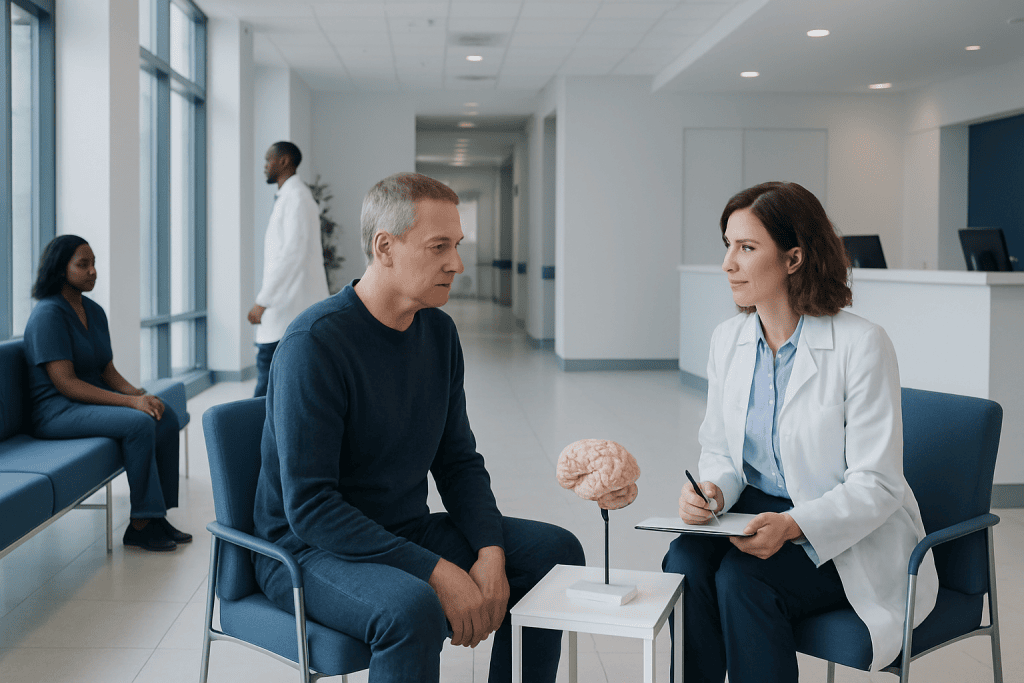
Neuropsychological testing assesses memory, attention, language, problem-solving, and other thinking skills using standardized tasks. It is often used when there are concerns about dementia, stroke, traumatic brain injury, epilepsy, ADHD, learning differences, or mood-related cognitive symptoms.
Key Takeaways
- Neuropsychological testing assesses memory, attention, language, problem-solving, and other thinking skills using standardized tasks.
- It is often used when there are concerns about dementia, stroke, traumatic brain injury, epilepsy, ADHD, learning differences, or mood-related cognitive symptoms.
- The results are interpreted alongside medical history, examination findings, brain imaging, and sometimes laboratory tests.
- Testing is not an IQ test alone and is not something a person can simply pass or fail.
- The evaluation can help with diagnosis, treatment planning, school or workplace accommodations, and tracking changes over time.
Neuropsychological testing is a structured evaluation of thinking and behavior that helps explain concerns such as memory loss, attention problems, language changes, or difficulty with planning. It does not diagnose every condition by itself, but it can show patterns of strengths and weaknesses that help doctors understand the cause and plan treatment or support.
What neuropsychological testing is and what it can answer
Neuropsychological testing is a detailed assessment of how the brain is functioning in everyday terms. It looks at abilities such as attention, memory, language, visual-spatial skills, processing speed, reasoning, and executive functions like planning and organization. The goal is not to label a person as “good” or “bad” at thinking, but to understand whether there is a meaningful change, what areas are affected, and how those findings fit with symptoms.
This kind of testing is especially helpful when symptoms are real but not fully explained by a routine office visit. For example, a person may report forgetfulness, slower thinking, difficulty finding words, trouble multitasking, or changes in judgment. Neuropsychological testing can help distinguish normal variation from a pattern that suggests a medical, neurological, psychiatric, developmental, or injury-related cause.
The process is evidence-based and standardized. Performance is compared with established norms that take factors such as age, education, language, and sometimes cultural background into account. A neuropsychologist then interprets the full pattern of results rather than relying on a single score.
Importantly, neuropsychological testing is one part of a larger clinical picture. It can support the evaluation of conditions such as Alzheimer’s disease, other causes of cognitive decline, attention disorders, epilepsy, stroke, or brain injury, but it is interpreted together with history, physical and neurological examination, and sometimes imaging or laboratory findings.
Why a doctor may recommend this evaluation

Doctors may suggest neuropsychological testing when a patient, family member, teacher, or employer notices a change in thinking or behavior. Common reasons include memory concerns, difficulty focusing, reduced work or school performance, word-finding problems, confusion after illness or surgery, or challenges returning to usual activities after a head injury.
It is often used in neurology, psychiatry, geriatrics, rehabilitation, and pediatrics. In adults, it may help clarify cognitive symptoms related to dementia, mild cognitive impairment, stroke, traumatic brain injury, multiple sclerosis, Parkinsonian syndromes, sleep disorders, depression, anxiety, or medication effects. In children and adolescents, it may be used to evaluate attention, learning, language, developmental, or behavioral concerns.
The evaluation can also answer practical questions. It may help determine whether someone is ready to return to work, school, or driving, whether rehabilitation is needed, or whether academic or workplace accommodations could be useful. In some situations, repeat testing over time helps monitor recovery or progression.
Neuropsychological testing is not only for severe symptoms. It can be valuable when changes are subtle, when different conditions can look similar, or when there is disagreement between what a person feels and what brief screening tests show.
How the testing is done

A neuropsychological evaluation usually begins with an interview. The clinician asks about current symptoms, medical history, education, language background, mood, sleep, medications, substance use, daily function, and any past neurological or psychiatric conditions. Family input may be helpful when memory or judgment has changed.
The testing itself involves paper-and-pencil tasks, spoken questions, visual exercises, and sometimes computer-based measures. The person may be asked to remember words or stories, copy shapes, solve problems, name pictures, switch between tasks, respond quickly to symbols, or explain similarities between concepts. Some tests assess mood and emotional symptoms because anxiety, depression, stress, and fatigue can strongly affect cognition.
There is no universal fixed battery. The exact tests are chosen based on the reason for referral, the person’s age, language, education, and medical background. Some evaluations are relatively brief, while others are more extensive and may take several hours with breaks.
Neuropsychological testing is noninvasive and does not involve pain. It does require effort, concentration, and honest participation. Rest, hearing aids or glasses if needed, a current medication list, and clear communication about sleep or anxiety on the day of testing can all help produce more accurate results.
What the results can and cannot show
The results describe a pattern of cognitive strengths and weaknesses. This pattern can help identify whether symptoms are most consistent with a memory disorder, attention problem, language-based difficulty, executive dysfunction, visual-spatial impairment, or a more diffuse change affecting several domains. It can also show whether daily complaints match objective findings.
In many cases, the most useful conclusion is not a single diagnosis but a more precise explanation. For example, testing may suggest that forgetfulness is mainly due to poor attention or depression rather than a primary memory-storage disorder. In another person, the pattern may support a neurodegenerative process and lead to further evaluation. This can be especially useful in the workup of dementia and other causes of cognitive decline.
At the same time, neuropsychological testing has limits. It does not replace brain imaging, blood tests, or a neurological examination. It cannot by itself determine every cause of cognitive symptoms, and results may be influenced by pain, poor sleep, low mood, limited English proficiency, sensory impairment, or cultural and educational factors.
Results are usually summarized in a written report and discussed in a feedback visit. The report may include diagnostic impressions, safety considerations, and practical recommendations for treatment, rehabilitation, school support, work adjustments, or home strategies.
Conditions commonly evaluated with neuropsychological testing
Neuropsychological testing is used across many conditions because cognitive symptoms can come from different parts of the brain and from non-neurological causes. In older adults, it is commonly part of the assessment for mild cognitive impairment and dementias. In younger and middle-aged adults, it may help after concussion, traumatic brain injury, stroke, epilepsy, brain tumors, autoimmune or inflammatory disorders, toxic exposures, or complex medical illness.
Mental health conditions may also affect thinking. Depression can slow processing speed and reduce motivation; anxiety can interfere with attention and learning; trauma-related conditions can disrupt concentration and memory retrieval. Testing helps show whether these problems are likely to be the main driver of symptoms or whether another process should also be considered.
In children, adolescents, and young adults, the evaluation may address ADHD, learning disorders, developmental differences, language disorders, or the effects of seizures, prematurity, or medical treatment on cognitive development. The results can support individualized education planning and targeted therapies.
When needed, test findings may lead to referral for further care such as neurological assessment, rehabilitation, psychotherapy, or imaging. Depending on the situation, the broader workup might include brain MRI or structured support through neurological rehabilitation to address identified deficits in daily life.
How the findings help guide treatment and daily life
The value of neuropsychological testing is often most clear after the results are applied. Treatment planning can become more targeted when clinicians know exactly which functions are affected. For example, memory strategies are different from attention strategies, and language therapy addresses different needs than executive function coaching.
Recommendations may include medication review, management of sleep or mood symptoms, cognitive rehabilitation, speech and language therapy, occupational therapy, psychotherapy, school accommodations, or workplace adjustments. In some cases, the evaluation helps families understand how much support is needed with medication management, finances, or other complex tasks.
For people recovering from brain injury or stroke, repeat testing may show improvement over time and help shape a safe return to work, driving, or independent living. For those with progressive conditions, the results can establish a baseline and guide future planning. When surgery or other neurological treatment is being considered, cognitive testing may also contribute to decision-making alongside clinical and imaging data.
Near the end of the care pathway, international patients may seek coordinated evaluation from centers with neurology, psychiatry, rehabilitation, and imaging working together. Acibadem International’s multidisciplinary specialists and JCI-accredited hospitals diagnose and treat patients with cognitive and neurological conditions, using individualized assessment when neuropsychological concerns are present.
Preparing for the appointment and understanding self-care limits
Preparation is usually simple. Before the appointment, it helps to bring a medication list, prior medical records, school reports if relevant, and any previous imaging or test results. The patient should wear glasses or hearing aids if used, eat as usual unless told otherwise, and try to sleep well the night before.
Because test performance can be affected by fatigue, illness, pain, alcohol, or sedating medications, it is important to mention any factors that may interfere on the day of testing. This does not mean the evaluation must be postponed in every case, but the clinician needs that context to interpret results fairly.
Self-care can support brain health, but it cannot replace proper evaluation when symptoms are persistent or worsening. General measures such as regular sleep, physical activity, good control of blood pressure and diabetes, social engagement, and treatment of depression or anxiety may improve cognitive efficiency. Still, these steps should be viewed as supportive rather than diagnostic.
People sometimes worry that doing poorly on testing means they have permanently lost ability. In reality, some causes of cognitive symptoms are temporary or treatable, and many people benefit from strategies that improve daily function even when symptoms remain. Honest participation matters more than trying to perform in a particular way.
When to seek medical care
Medical care should be sought when changes in memory, language, attention, judgment, or behavior are affecting daily activities, work, school, or safety. A person should also be evaluated if family members notice repeated confusion, getting lost, unpaid bills, medication mistakes, personality change, or a decline after head injury, stroke, seizure, or serious illness.
Urgent medical attention is needed for sudden confusion, new weakness, facial drooping, trouble speaking, severe headache, loss of consciousness, or abrupt vision changes, as these can be signs of a medical emergency. Progressive symptoms that are developing over weeks or months should be discussed with a qualified doctor even if they seem mild at first.
Testing is particularly useful when routine screening has not fully answered the question, when symptoms are out of proportion to what is expected, or when schools and workplaces need formal documentation. Depending on the clinical picture, the next step may include specialist evaluation and tests such as neurology consultation or other targeted investigations.
Early evaluation often gives patients and families clearer answers and more time to plan treatment, support, and daily adaptations. Anyone worried about significant cognitive change should speak with a healthcare professional rather than relying on myths, online checklists, or self-diagnosis.
Frequently asked questions
Is neuropsychological testing the same as a memory test?
No. Memory is only one part of a broader evaluation that may also measure attention, language, visual-spatial skills, processing speed, and executive functions such as planning and organization. This wider view helps explain why a person is having difficulties, not just whether memory is weaker than expected.
Can neuropsychological testing diagnose dementia?
It can strongly support or argue against a diagnosis, but it usually does not diagnose dementia by itself. Doctors interpret the results together with medical history, daily functioning, examination findings, and often imaging or laboratory tests.
How long does neuropsychological testing take?
The length varies depending on the reason for referral and the person’s needs. Some evaluations are brief, while others take several hours and may include breaks to reduce fatigue and improve accuracy.
Do people need to study or prepare for the test?
There is nothing to study in the usual sense. The best preparation is practical: sleep as well as possible, eat normally unless instructed otherwise, bring glasses or hearing aids, and tell the clinician about pain, anxiety, or medications that could affect concentration.
Can anxiety or depression affect neuropsychological testing results?
Yes. Mood symptoms, stress, fatigue, and poor sleep can reduce attention, learning, and mental speed, which is why the evaluation often includes questions about emotional health. A trained neuropsychologist considers these factors when interpreting the results.
What happens after the evaluation?
The neuropsychologist usually prepares a report and reviews the findings in a follow-up discussion. Recommendations may include further medical tests, rehabilitation, therapy, school or work accommodations, safety guidance, or repeat testing later to monitor change.
This article is for general information only and is not a substitute for professional medical advice. Please consult a qualified doctor about your individual situation.
Explore treatments in Turkey — costs, top hospitals & a free quote
JCI-accredited · board-certified surgeons · reply within 24h
Add us as a Preferred Source to see more of our trusted health content across Google Search, AI Overviews and Discover.

More from the Health Library

Pebbling: An Evidence-Based Guide for Patients

Under Eye Injection Filler: What Patients Need to Know

Veggie Straws: What Patients Need to Know

Ovaries — Explained by Medical Evidence, Not Myths

Decaf Caffe: A Complete Medical Overview