Neuropsychological Testing: What Conditions Can It Help Diagnose?

Neuropsychological testing evaluates how the brain is functioning through structured tasks and questionnaires. It can help diagnose or clarify conditions affecting memory, attention, language, learning, behavior, and executive function.
Key Takeaways
- Neuropsychological testing evaluates how the brain is functioning through structured tasks and questionnaires.
- It can help diagnose or clarify conditions affecting memory, attention, language, learning, behavior, and executive function.
- The results are often used alongside medical history, neurological examination, brain imaging, and laboratory tests.
- Testing may support diagnosis of dementia, stroke effects, traumatic brain injury, ADHD, learning disorders, epilepsy, and more.
- A neuropsychological evaluation can also help with treatment planning, school or work accommodations, and rehabilitation goals.
Neuropsychological testing is a detailed assessment of memory, attention, language, problem-solving, and other thinking skills. It can help doctors identify the effects of neurological, developmental, psychiatric, and medical conditions, and guide treatment and daily support.
Overview
Neuropsychological testing is a specialized evaluation of thinking and behavior. It looks at how well a person uses memory, attention, language, visual-spatial skills, problem-solving, planning, processing speed, and emotional regulation. Rather than relying on a single test, it usually involves a set of standardized tasks chosen for the person’s symptoms, age, education, and medical background.
The goal is not simply to label a problem. Neuropsychological testing helps show which brain functions are strong, which are weaker than expected, and how those findings affect daily life. This can be useful when symptoms are subtle, when more than one condition may be involved, or when a person’s difficulties do not fully show up on a routine medical examination.
Doctors may recommend neuropsychological testing for children, adults, or older adults. It is often part of a broader diagnostic process that may also include a neurological examination, mental health assessment, blood tests, hearing or vision checks, and imaging studies. Together, these pieces help build a clearer picture of what is causing cognitive or behavioral changes.
What neuropsychological testing measures
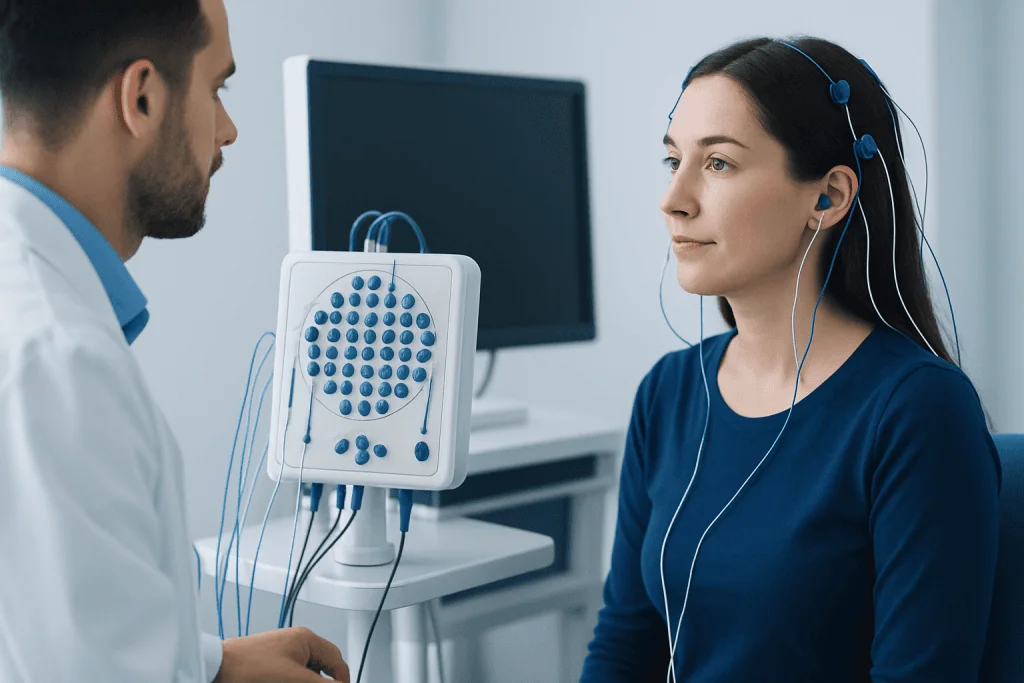
A neuropsychological evaluation examines several domains of brain function. Depending on the referral question, testing may focus on memory, sustained attention, concentration, verbal ability, visual reasoning, executive function, social understanding, academic skills, or emotional symptoms such as anxiety and depression.
Common tasks may include remembering words or stories, copying shapes, naming objects, switching between rules, solving puzzles, reading or math activities, and answering questionnaires about mood or everyday function. Performance is compared with expected ranges for people of similar age and, in many cases, educational background.
The results can show patterns that point toward certain types of brain dysfunction. For example, some conditions affect new learning more than language, while others interfere more with attention, speed, or planning. This pattern-based approach is one reason neuropsychological testing can be very helpful when symptoms overlap.
- Memory and learning
- Attention and concentration
- Executive function and organization
- Language and communication
- Visual-spatial and motor skills
- Mood, behavior, and daily functioning
What conditions can neuropsychological testing help diagnose?

Neuropsychological testing can help diagnose, clarify, or monitor many conditions that affect the brain and nervous system. In older adults, it is commonly used when there are concerns about mild cognitive impairment or dementia. The testing does not diagnose these disorders on its own, but it helps identify whether memory and thinking changes are greater than expected for age and whether the pattern fits diseases such as Alzheimer’s disease or other neurocognitive disorders.
It is also useful after brain injury or neurological illness. People with stroke, traumatic brain injury, brain tumors, multiple sclerosis, Parkinsonian disorders, epilepsy, or central nervous system infections may have problems with memory, processing speed, language, planning, or emotional control. Testing helps define the nature and extent of these difficulties and can guide rehabilitation goals.
In children and adolescents, neuropsychological testing may support evaluation of attention-deficit/hyperactivity disorder, learning disorders, developmental language problems, intellectual disability, autism-related cognitive profiles, and the effects of epilepsy or premature birth on learning. It can help explain why a child is struggling at school and what kinds of supports may be most helpful.
Testing can also contribute to psychiatric and functional assessments. Depression, anxiety, bipolar disorder, psychosis, sleep disorders, substance use, and chronic medical illnesses can all affect concentration and memory. In these situations, neuropsychological testing may help distinguish between cognitive changes related to mood or stress and those caused by a neurological process.
Who may benefit from an evaluation
A doctor may suggest neuropsychological testing when a person reports ongoing memory lapses, difficulty concentrating, slowed thinking, word-finding trouble, confusion, or changes in judgment. Family members, teachers, or employers may be the first to notice that someone is having more trouble managing tasks that once seemed routine.
Testing may also be appropriate when symptoms interfere with school, work, driving, medication management, finances, or independent living. For children, warning signs can include a clear mismatch between expected and actual school performance, poor attention, difficulty following instructions, or unexplained changes in behavior and learning.
Sometimes the purpose is not to make a brand-new diagnosis, but to establish a baseline. This can be useful before certain treatments, after a concussion, during follow-up for epilepsy, or when monitoring a progressive condition over time. Repeated assessments may help doctors understand whether a person is stable, improving, or experiencing decline.
- Persistent memory or attention problems
- Learning or developmental concerns in children
- Cognitive changes after injury, stroke, or seizures
- Questions about decision-making or daily functioning
- Need for school, workplace, or rehabilitation planning
How diagnosis is made using the results
Neuropsychological testing is one part of diagnosis, not a stand-alone answer. A neuropsychologist interprets the results in the context of the person’s medical history, medications, education, language background, mood, sleep, and functional abilities. This broader view matters because fatigue, pain, anxiety, depression, and sensory problems can all affect test performance.
The pattern of strengths and weaknesses is often more informative than any single score. For example, prominent short-term memory loss with relatively preserved attention may suggest a different process than poor concentration with intact recognition memory. This helps doctors narrow the list of possible causes and decide whether additional evaluation is needed, such as brain MRI, EEG, laboratory testing, or specialist consultation.
The final report may include diagnostic impressions, but it also usually explains how the findings affect everyday life. It may address whether a person can safely return to work or school, whether driving should be reviewed, and what practical supports may reduce daily difficulties. In this way, testing informs both diagnosis and care planning.
What to expect during neuropsychological testing
The process usually begins with an interview about symptoms, medical history, education, work, development, mood, and daily functioning. A family member may sometimes provide additional information, especially when memory changes are a concern. The neuropsychologist then selects tests that fit the referral question.
Testing may take a few hours or, in some cases, longer and be divided into more than one session. Most tasks are done with paper-and-pencil activities, spoken questions, computer-based tests, or hands-on problem-solving exercises. The evaluation is not painful, but it can be tiring because it requires concentration.
People are generally encouraged to come rested, bring glasses or hearing aids if needed, and take prescribed medications unless their doctor advises otherwise. Honest effort is important because the usefulness of the results depends on accurate performance. After the evaluation, the neuropsychologist reviews the findings and explains what they may mean for diagnosis and next steps.
When needed, the assessment may be combined with other services such as neurological rehabilitation planning or follow-up with specialists in memory and behavior. In complex cases, multidisciplinary teams can provide coordinated evaluation and care.
Treatment planning, self-care, and follow-up
Neuropsychological testing does not treat a condition by itself, but it can strongly shape treatment decisions. The results may support medication review, cognitive rehabilitation, psychotherapy, school accommodations, speech and occupational therapy, or strategies to improve organization and memory in daily life. If a neurological disease is suspected, doctors may recommend further evaluation or disease-specific treatment.
Self-care remains important, especially when symptoms are mild or overlap with stress, sleep disruption, or medical illness. Good sleep, regular physical activity, social engagement, management of blood pressure and diabetes, avoiding excess alcohol, and treatment of anxiety or depression can all support brain health. Practical tools such as calendars, alarms, written reminders, and simplifying routines may also help.
Follow-up can be useful when symptoms change over time. Repeat testing may show whether rehabilitation is helping, whether a child’s needs at school have changed, or whether an older adult’s memory problems are progressing. This can make future decisions more informed and less uncertain.
For international patients seeking coordinated assessment, Acibadem International’s multidisciplinary specialists and JCI-accredited hospitals evaluate and treat cognitive and neurological conditions, including access to services such as EEG when clinically appropriate.
When to see a doctor
A person should consider medical evaluation if memory, attention, or thinking problems are new, worsening, or beginning to affect daily life. It is especially important to seek advice when symptoms appear after a head injury, stroke, seizure, serious infection, or major change in mood or behavior.
Parents should seek assessment for a child who has persistent learning difficulties, unexplained academic decline, poor attention, or developmental concerns. Adults should also see a doctor if family members notice repeated forgetfulness, trouble managing medications or finances, getting lost in familiar places, or major personality changes.
Urgent medical care is needed for sudden confusion, sudden weakness, difficulty speaking, severe headache, loss of consciousness, or seizure activity. These symptoms may signal a medical emergency and should not wait for routine cognitive testing.
Frequently asked questions
Is neuropsychological testing the same as an IQ test?
No. IQ may be one part of an evaluation, but neuropsychological testing is broader and looks at many brain functions, such as memory, attention, language, and executive skills. It is designed to help explain how a person thinks and functions in everyday life.
Can neuropsychological testing diagnose dementia?
It can strongly support the diagnosis, but it is usually not used alone. Doctors combine the results with medical history, examination, imaging, and sometimes laboratory tests to decide whether dementia or another condition is present.
Can depression or anxiety affect neuropsychological test results?
Yes. Mood symptoms, stress, poor sleep, pain, and fatigue can all affect concentration and memory during testing. This is why the neuropsychologist interprets results in the context of the whole clinical picture.
How long does neuropsychological testing take?
The length varies depending on the reason for referral and the person’s needs. Some evaluations take a few hours, while more detailed assessments may be split into multiple sessions.
Is neuropsychological testing helpful for children?
Yes. It can be very helpful for understanding attention problems, learning difficulties, developmental differences, and the cognitive effects of neurological conditions. The results often guide school supports and therapy planning.
Do normal test results mean nothing is wrong?
Not always. Normal results can be reassuring, but doctors still consider symptoms, medical history, and any changes over time. In some cases, repeat testing or other evaluations may be recommended if concerns continue.
References
- World Health Organization
- National Institute on Aging
- American Psychological Association
- American Academy of Neurology
- National Institute of Neurological Disorders and Stroke
This article is for general information only and is not a substitute for professional medical advice. Please consult a qualified doctor about your individual situation.
Explore treatments in Turkey — costs, top hospitals & a free quote
JCI-accredited · board-certified surgeons · reply within 24h
Add us as a Preferred Source to see more of our trusted health content across Google Search, AI Overviews and Discover.