New Statins Without Side Effects: What It Treats, How It Works, and What to Watch For

No statin is completely free of side effects, but serious reactions are uncommon and many symptoms have other causes. Statins lower LDL cholesterol and reduce the risk of heart attack and stroke in appropriate patients.
Key Takeaways
- No statin is completely free of side effects, but serious reactions are uncommon and many symptoms have other causes.
- Statins lower LDL cholesterol and reduce the risk of heart attack and stroke in appropriate patients.
- Muscle symptoms should be discussed with a clinician rather than prompting a patient to stop treatment independently.
- Newer non-statin options, including PCSK9-targeting medicines and bempedoic acid, may be suitable for selected people.
- Lifestyle measures support cholesterol treatment but may not replace medication when cardiovascular risk is high.
New statins without side effects are not currently available: all statins can cause side effects, although many people tolerate them well. For people who have troublesome symptoms or cannot take a statin, clinicians can assess possible causes and consider a different statin, a modified treatment plan, or non-statin cholesterol-lowering medicines.
What “new statins without side effects” really means
There are no new statins without side effects. Statins are a well-established group of prescription medicines that lower low-density lipoprotein (LDL), often called “bad” cholesterol. Like all medicines, they can cause unwanted effects, but most people take them without significant problems and their benefits can be substantial for people at increased cardiovascular risk.
The phrase may also refer to newer cholesterol-lowering medicines that are not statins. Some of these treatments work through different pathways and may be considered when a person cannot tolerate an effective statin regimen, does not reach their LDL cholesterol target, or has a genetic condition causing very high cholesterol. They are not automatically side-effect free, and the right choice depends on medical history, blood test results, other medicines, and overall heart and blood vessel risk.
Statins remain the usual first-line medication because they have extensive evidence for reducing cardiovascular events. A clinician can help distinguish a possible medicine-related symptom from other common causes, such as exercise-related injury, thyroid disease, vitamin deficiencies, infection, or another medication.
What statins treat and how they work
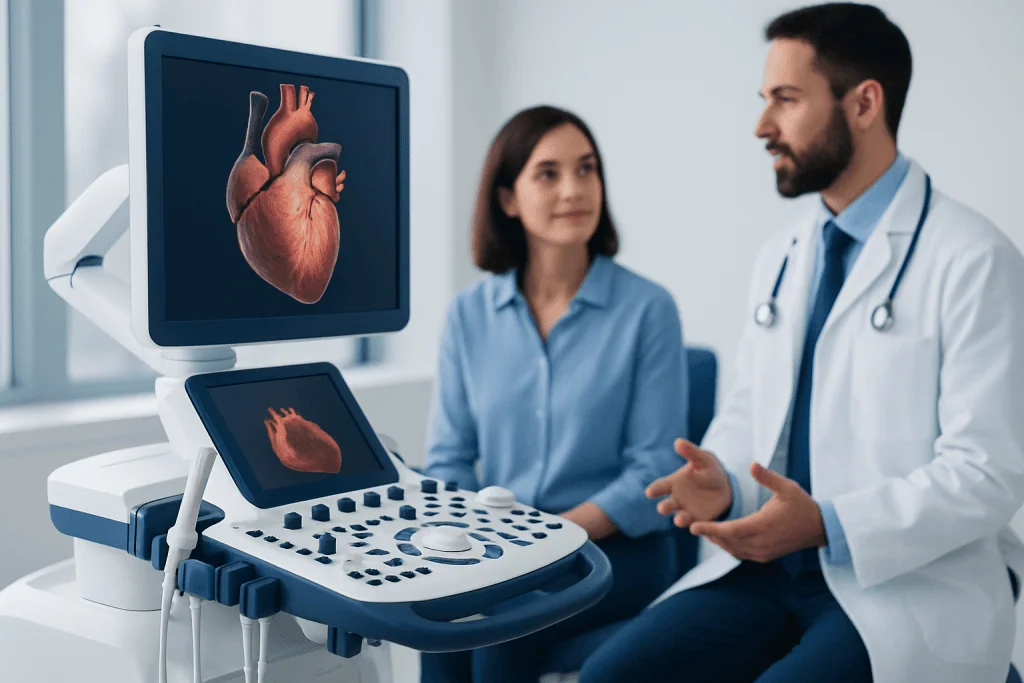
Statins are used to lower LDL cholesterol and reduce the likelihood of atherosclerotic cardiovascular disease. This is the gradual buildup of fatty material in artery walls, which can contribute to coronary artery disease, heart attack, stroke, and peripheral artery disease. They may be recommended after a cardiovascular event or for prevention when a person’s calculated risk and cholesterol results support treatment.
These medicines block an enzyme in the liver involved in cholesterol production. In response, the liver removes more LDL cholesterol from the bloodstream. Different statins vary in potency, how they are processed in the body, and their potential interactions, which is why one person may tolerate one statin better than another.
High cholesterol often has no noticeable symptoms, so blood testing is important. Very high LDL cholesterol can sometimes be linked with inherited familial hypercholesterolemia, a condition that requires careful assessment and long-term management. Treatment decisions should consider the full lipid profile, blood pressure, diabetes, smoking status, family history, age, and prior cardiovascular disease.
Side effects: what is common and what is uncommon

Reported statin side effects may include muscle aches, tenderness, cramps, weakness, headache, digestive upset, tiredness, or sleep changes. Muscle symptoms are among the concerns most often discussed, but not every muscle symptom occurring while taking a statin is caused by the medicine. Symptoms may also be influenced by activity level, viral illness, joint problems, or other health conditions.
Statins can cause small changes in blood sugar levels and may slightly increase the chance of diabetes in some people already at risk. This potential risk is generally weighed against the proven cardiovascular benefit in people for whom a statin is recommended. Liver enzyme changes can occur; clinically significant liver injury is rare. Clinicians may order blood tests when indicated by a person’s history or symptoms.
A rare but serious muscle reaction involves marked muscle breakdown and can harm the kidneys. Urgent assessment is needed for severe unexplained muscle pain or weakness, especially with dark or cola-colored urine, fever, or feeling very unwell. Allergic reactions are also uncommon but require immediate care if they involve swelling of the face or throat, wheezing, or difficulty breathing.
- Do not assume symptoms are inevitable or untreatable.
- Do not change or stop a prescribed statin without discussing it with the prescribing clinician unless urgent symptoms require immediate medical attention.
- Keep a clear record of when symptoms began, their location and severity, and any recent changes in medicines, supplements, diet, or activity.
Why side effects can happen: interactions and precautions
Some statins interact with medicines that affect how the liver processes drugs. Depending on the specific statin, relevant interactions may include certain antibiotics, antifungal medicines, HIV or hepatitis C treatments, immune-modifying medicines, heart rhythm medicines, and other lipid-lowering drugs. Grapefruit or grapefruit juice can also affect the blood levels of particular statins. A pharmacist or clinician can check the complete medication and supplement list for individual risks.
Statins are generally not used during pregnancy and are usually avoided while breastfeeding because cholesterol is important for fetal and infant development. Anyone who is pregnant, planning pregnancy, or breastfeeding should speak with their clinician promptly about cholesterol treatment. People with active liver disease or unexplained persistent elevations in liver enzymes may need an alternative approach or specialist review.
Older age, kidney impairment, untreated hypothyroidism, heavy alcohol use, a previous muscle disorder, and taking multiple interacting medicines can increase the likelihood of adverse effects in some people. These factors do not always prevent treatment, but they make individualized medicine selection and follow-up especially important.
Newer alternatives for people who cannot tolerate statins
When symptoms appear related to statin use, a clinician may first review potential interactions and other medical causes. Options can include trying a different statin, using a lower-intensity regimen, or combining a tolerated statin with another cholesterol-lowering medicine. This is not a decision to make independently, since the safest approach depends on the person’s cardiovascular risk and treatment goals.
Non-statin medicines may be used alone or alongside statins. Ezetimibe reduces cholesterol absorption in the intestine and is commonly used when further LDL reduction is needed. PCSK9-targeting medicines help the liver remove more LDL cholesterol from the blood and may be considered for selected high-risk patients, including some with inherited high cholesterol.
Bempedoic acid is an oral LDL-lowering medicine that works in the liver and may be an option for selected adults who are unable to take recommended statin therapy. It also has its own label warnings and potential adverse effects, including higher uric acid levels and tendon-related problems in some people. Inclisiran is another LDL-lowering treatment that targets PCSK9 production and is given by a healthcare professional at scheduled intervals. Eligibility, local availability, safety considerations, and follow-up requirements vary.
These treatments should not be described as universally “without side effects.” Their potential benefits and risks need to be reviewed in the context of the individual patient. For those with established artery disease, a comprehensive cardiovascular risk assessment can help guide prevention choices.
Monitoring, everyday habits, and safe medication use
Cholesterol treatment works best as part of an overall cardiovascular prevention plan. A heart-healthy eating pattern emphasizes vegetables, fruit, legumes, whole grains, nuts, and unsaturated fats while limiting trans fats, excessive saturated fat, refined carbohydrates, and highly processed foods. Regular physical activity, not smoking, sufficient sleep, and management of blood pressure and diabetes can also make a meaningful difference.
Follow-up lipid tests show whether treatment is lowering LDL cholesterol as expected. Depending on the medicine and clinical situation, a clinician may also arrange liver, kidney, glucose, or muscle-related testing. The purpose is not to search for problems unnecessarily, but to monitor safely when clinical factors or symptoms make testing appropriate.
Patients should take medicines exactly as prescribed and inform their clinician and pharmacist about all prescriptions, over-the-counter products, and supplements. They should not use online claims about “natural statins” or unregulated products as a substitute for prescribed care. Red yeast rice, for example, can contain a statin-like substance with variable strength and similar safety concerns.
When to seek medical care
People should contact their prescribing clinician if they develop new muscle pain, cramps, weakness, digestive symptoms, or other concerns after starting or changing a cholesterol medicine. A timely conversation can often identify another explanation, address an interaction, or allow a safe adjustment rather than leaving high cholesterol untreated.
Urgent medical care is appropriate for severe muscle pain or weakness with dark urine, marked fatigue, fever, yellowing of the skin or eyes, severe abdominal pain, fainting, or signs of a severe allergic reaction such as swelling of the lips, tongue, or throat or trouble breathing. Chest pain, sudden shortness of breath, facial drooping, arm weakness, speech difficulty, or sudden severe neurological symptoms also need emergency assessment.
Acibadem International’s multidisciplinary specialists and JCI-accredited hospitals diagnose and treat cholesterol disorders and cardiovascular risk for international patients. A qualified clinician can explain medication options, label precautions, monitoring needs, and whether referral to a lipid or cardiovascular specialist is appropriate.
Frequently asked questions
Are there any statins with no side effects?
No statin can be guaranteed to have no side effects. However, many people tolerate statins well, and a person who has symptoms with one statin may tolerate another statin or treatment approach better. A clinician should assess symptoms before concluding that all statins are unsuitable.
What are the newest alternatives to statins?
Non-statin options include ezetimibe, PCSK9-targeting treatments, bempedoic acid, and inclisiran for selected patients. These medicines lower LDL cholesterol in different ways and may be used with or without statins depending on the person’s medical circumstances. Each has its own approved uses, precautions, and possible side effects.
Can statin muscle pain go away?
If muscle symptoms are related to a statin, they may improve after a clinician-guided change in treatment. Muscle pain can also have other causes, so evaluation is important. Patients should not stop treatment on their own unless they have urgent symptoms and need immediate medical advice.
Who should not take statins?
Statins are generally avoided during pregnancy and breastfeeding and may not be appropriate for people with active liver disease. Other circumstances, such as important medicine interactions or a prior serious statin reaction, require individualized assessment. A clinician can review the benefits, risks, and alternatives.
Can diet replace statins?
A heart-healthy diet and regular activity are important for everyone with elevated cholesterol, but they may not lower LDL cholesterol enough for people at high cardiovascular risk. Some people need medication in addition to lifestyle changes to reduce the risk of heart attack or stroke. Treatment decisions should be based on a clinician’s assessment.
Should cholesterol medicine be stopped before a blood test?
Patients should generally continue medicines as prescribed unless their clinician gives different instructions. Stopping a cholesterol medicine can raise LDL cholesterol and may make it harder to assess treatment effectiveness. Questions about timing, fasting, or medication use before tests should be directed to the healthcare team.
References
- American Heart Association
- U.S. Food and Drug Administration
- National Heart, Lung, and Blood Institute
- European Society of Cardiology
- National Institute for Health and Care Excellence
This article is for general information only and is not a substitute for professional medical advice. Please consult a qualified doctor about your individual situation.
Heart care in Turkey — expert evaluation and treatment
JCI-accredited · board-certified surgeons · reply within 24h
Add us as a Preferred Source to see more of our trusted health content across Google Search, AI Overviews and Discover.
Check your numbers in seconds
BMI, calories, due date, blood pressure and 30+ more clinical calculators — free, instant, doctor-reviewed ranges.