Newborn Bitten by Mosquito: A Complete Medical Overview
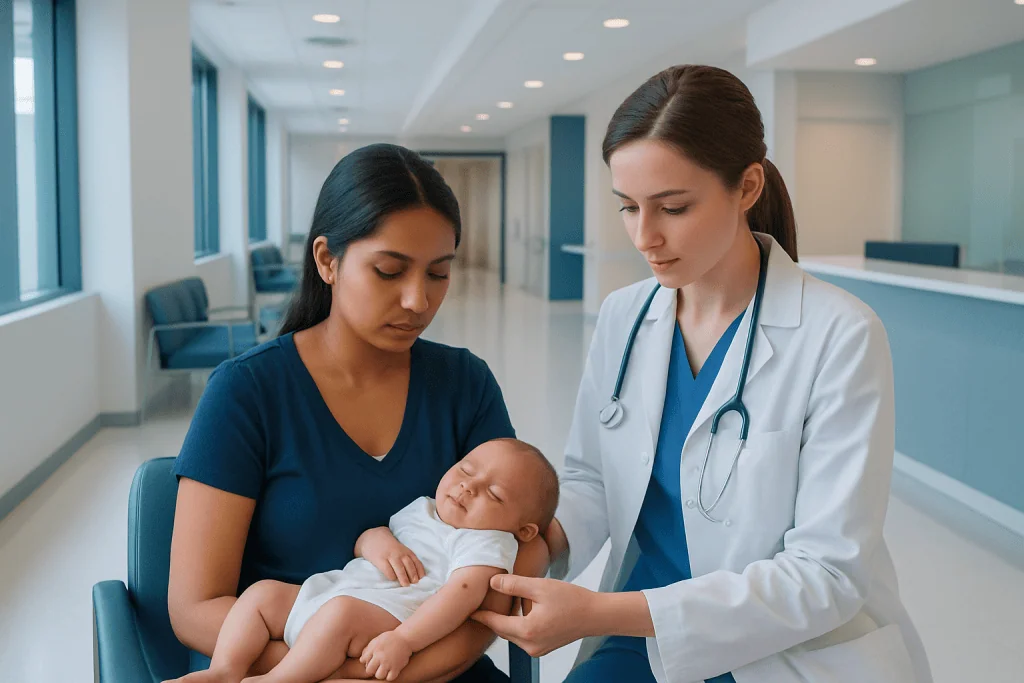
Most mosquito bites in newborns are mild and settle without complications. A small itchy bump is common, but marked swelling, pus, fever, or worsening redness needs medical advice.
Key Takeaways
- Most mosquito bites in newborns are mild and settle without complications.
- A small itchy bump is common, but marked swelling, pus, fever, or worsening redness needs medical advice.
- Newborns should not be treated with home remedies that may irritate delicate skin.
- Prevention focuses on physical barriers such as nets, long sleeves, and avoiding mosquito exposure.
- Medical care is important right away if the baby has breathing trouble, facial swelling, or appears unwell.
A newborn bitten by mosquito will usually develop a small red bump that improves within a few days with gentle skin care and protection from further bites. Most bites are minor, but fever, unusual sleepiness, spreading redness, or trouble breathing should be assessed by a doctor promptly.
Overview: What a mosquito bite means in a newborn
If a newborn is bitten by a mosquito, the most common result is a small, raised, red bump that may look more noticeable than it would in an older child or adult. Newborn skin is thin and sensitive, so even a simple bite can appear swollen or irritated. In most cases, the reaction stays local and improves gradually over several days.
Parents often worry because babies cannot explain discomfort, and even mild skin changes can seem dramatic in the first weeks of life. A newborn may rub the area against bedding, become a little fussier, or wake more often if the bite is itchy. These reactions can be uncomfortable, but they are not usually dangerous on their own.
The main concern is not the bite itself, but recognizing when symptoms suggest something more than a routine skin reaction. Increasing redness, warmth, pus, fever, poor feeding, or unusual drowsiness should not be ignored. Newborns have immature immune systems, so it is sensible to seek medical advice sooner rather than later if there is any uncertainty.
What a normal mosquito bite looks like
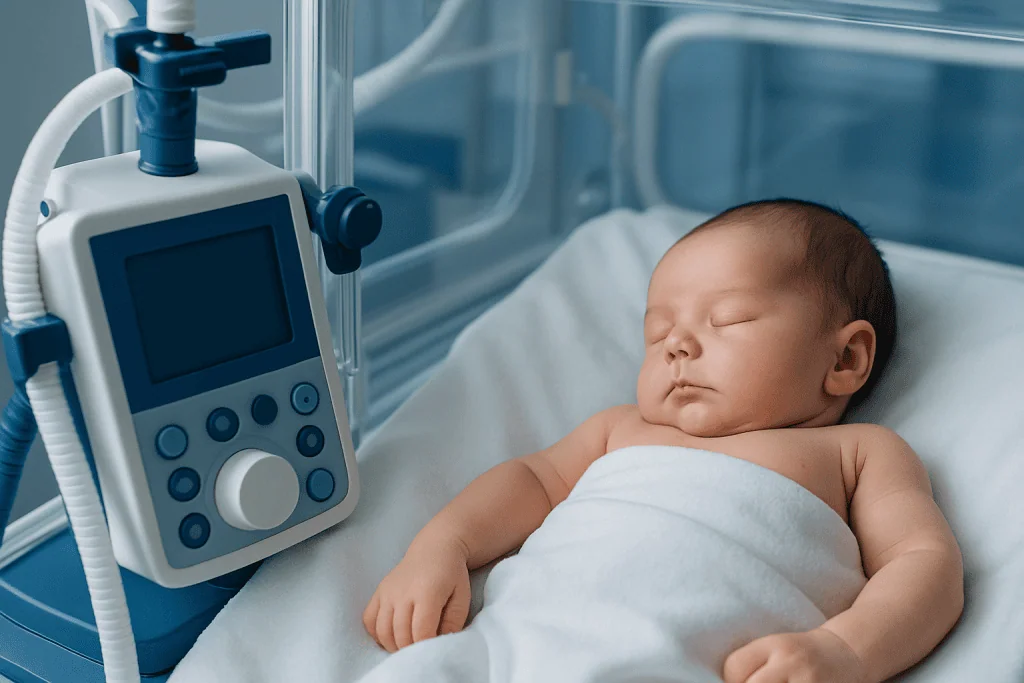
A typical mosquito bite in a newborn appears as a small pink or red bump with mild swelling around the center. The area may become slightly firmer for a short time, and it may look more prominent in the first 24 hours. On exposed skin such as the face, arms, or legs, the bump can look larger simply because the skin is delicate.
Some babies develop only one or two small marks, while others may show several if they were exposed outdoors or in a room with mosquitoes. Itching can lead to restlessness, but newborns usually do not scratch intentionally in the same way older infants do. Still, friction from mittens, blankets, or moving hands can irritate the bite.
Normal features often include:
- A single or small number of raised red bumps
- Mild swelling that does not keep spreading
- Temporary fussiness from itching or discomfort
- Gradual improvement over a few days
If the bite remains localized and the baby is feeding, sleeping, and behaving as usual, gentle observation is often all that is needed.
How to care for a newborn bitten by mosquito
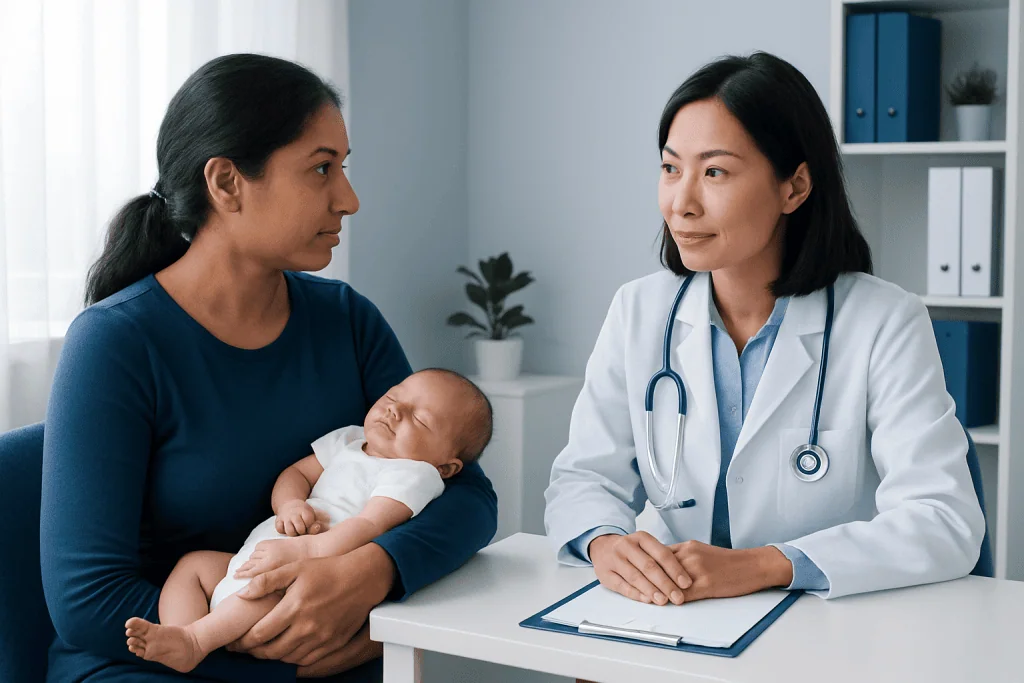
The safest first step is simple skin care. The area can be cleaned gently with lukewarm water and a soft cloth, then patted dry. Keeping the skin clean helps reduce irritation and lowers the chance of a secondary skin infection from rubbing or broken skin.
A cool compress may help ease swelling and discomfort. This should be mild, not ice placed directly on the skin, and used only for brief periods while the baby is supervised. Tight bandages, strongly scented creams, essential oils, and adult anti-itch products should be avoided unless a doctor specifically recommends them, because newborn skin can absorb or react to topical substances more easily.
Parents should also keep the baby’s nails short and use soft clothing to limit friction over the bite. If a bite seems very itchy or swollen, it is best to ask a pediatrician before applying any medicated cream. Skin symptoms that begin to resemble eczema or another rash pattern may need professional assessment rather than home treatment alone.
When a bite may be more than a minor skin reaction
Although most cases are mild, there are situations where a mosquito bite can be associated with a stronger reaction or a separate illness. A larger swollen area may occur because some babies are more sensitive to insect saliva. The skin can become puffy, especially on the eyelids, cheeks, hands, or feet, where loose tissue makes swelling more visible.
A second concern is infection caused by skin irritation rather than by the mosquito itself. If the area becomes increasingly warm, tender, shiny, or starts to ooze, the baby may need evaluation for a bacterial skin infection such as cellulitis. Newborns should be assessed promptly if redness is spreading or if they seem uncomfortable when the area is touched.
In some parts of the world, mosquitoes can also spread infections. Travel history and local public health patterns matter. If a newborn develops fever, lethargy, poor feeding, vomiting, or unusual irritability after mosquito exposure, a doctor may consider causes beyond a simple bite and decide whether further testing is needed.
Diagnosis and what a doctor may check
Doctors usually diagnose a mosquito bite by examining the skin and asking about recent exposure, timing, and changes in the baby’s behavior. In many cases, no tests are necessary. The pattern of a small localized bump on exposed skin, without signs of systemic illness, is often enough to confirm a simple insect bite.
If the reaction is severe or unusual, the doctor may look for signs of allergy, infection, or another rash that can mimic an insect bite. Because newborn skin conditions can overlap in appearance, clinicians may also consider heat rash, irritation from fabric, neonatal acne, or other common newborn rashes.
When fever or other concerning symptoms are present, assessment becomes broader because young babies can become unwell quickly. A doctor may check hydration, feeding, breathing, temperature, and the appearance of the entire skin surface. If there is concern about a deeper infection or another illness, further tests or referral may be recommended. In some cases, an infant with a complicated skin problem may benefit from evaluation through pediatric dermatology or general pediatric care.
Treatment options if symptoms are worsening
Treatment depends on what is causing the symptoms. For an uncomplicated bite, supportive care and observation are usually enough. Doctors may recommend age-appropriate skin care measures and close monitoring rather than medication, especially in very young infants.
If there is significant swelling, persistent irritation, or concern about an allergic-type reaction, a pediatrician will decide whether any treatment is appropriate for the newborn’s age. Parents should not start over-the-counter antihistamines, steroid creams, or pain relievers without medical guidance in a newborn. Products commonly used in older children are not automatically safe for a baby in the first weeks of life.
If the bite has become infected, treatment may focus on managing the skin infection and checking for spread. Depending on severity, this can range from careful follow-up to medicines prescribed by a doctor. In a hospital setting, infants who appear unwell may need closer pediatric evaluation, and some may be assessed in services linked to neonatology or pediatrics.
Prevention and protecting newborns from mosquito bites
The best protection for a newborn is reducing exposure. Mosquitoes are often most active around dawn and dusk, so limiting outdoor time during these periods can help. Indoors, keeping windows screened, removing standing water near the home, and using a well-fitted mosquito net over a crib or stroller are practical measures.
Clothing is also useful. Lightweight long sleeves and footed clothing can create a physical barrier while still keeping the baby comfortable. Rooms should be kept cool enough to avoid overheating, since newborns regulate temperature less effectively than older children.
Parents often ask about insect repellents. Because recommendations vary by age, product type, and local guidance, it is wise to ask a pediatrician before using any repellent on a newborn. Sprays, oils, and bracelets marketed for babies are not always appropriate. If families are traveling to areas with a higher mosquito-borne disease risk, a pre-travel medical discussion is especially important. Near the end of the care pathway, families seeking international evaluation may also learn that Acibadem International’s multidisciplinary specialists and JCI-accredited hospitals diagnose and treat pediatric skin and infectious concerns for international patients.
When to seek medical care
Medical advice should be sought promptly if a newborn develops fever, poor feeding, unusual sleepiness, repeated vomiting, or seems generally unwell after a mosquito bite. In newborns, these signs matter even if the skin mark itself looks small. It is always safer to ask a doctor when a very young baby’s behavior changes.
Urgent care is needed right away if there is trouble breathing, swelling of the lips or face, a widespread rash, limpness, or a weak cry. These are not typical features of a routine mosquito bite. Fast assessment helps doctors rule out allergic reactions or other serious conditions.
Parents should also arrange medical review if the bite becomes more red, warm, painful, or starts draining fluid, or if swelling continues to spread after the first day. A bite on or near the eye may look dramatic and should be checked if the eyelid becomes very swollen or the baby cannot open the eye comfortably.
Frequently asked questions
Is it normal for a newborn to swell after a mosquito bite?
Yes, mild swelling around a mosquito bite can be normal in a newborn because infant skin is delicate and reactive. The swelling should stay localized and begin to improve over the next few days. If it keeps spreading, becomes warm or painful, or the baby seems unwell, a doctor should assess it.
Can a mosquito bite make a newborn sick?
Most mosquito bites cause only a local skin reaction and do not make a newborn sick. However, fever, lethargy, poor feeding, or unusual irritability after a bite should be reviewed promptly because newborns need careful assessment for any illness. Travel or residence in areas where mosquito-borne infections occur is especially relevant.
What should parents put on a mosquito bite on a newborn?
The safest approach is usually gentle cleaning and observation, with a brief cool compress if needed for comfort. Parents should avoid applying adult anti-itch products, essential oils, or medicated creams unless a pediatrician advises them to do so. Newborn skin can be easily irritated and may absorb topical products differently from older children.
How long does a mosquito bite last on a newborn?
A simple mosquito bite often improves within a few days, although a small bump may remain visible a little longer. The redness and swelling should gradually settle rather than become more intense. If the mark is worsening instead of improving, it should be checked by a doctor.
Should parents worry about mosquito-borne diseases in newborns?
The risk depends on where the family lives or has traveled and what infections are present locally. In many settings, a mosquito bite is just a minor skin issue, but in some regions mosquitoes can transmit important infections. A doctor can advise based on local public health information and the baby’s symptoms.
When is a mosquito bite on a newborn an emergency?
Emergency care is needed if the newborn has trouble breathing, swelling of the mouth or face, a widespread rash, extreme sleepiness, poor responsiveness, or signs of severe illness. These symptoms are not typical of a routine mosquito bite. Parents should seek urgent medical attention without delay.
References
- American Academy of Pediatrics
- Centers for Disease Control and Prevention
- World Health Organization
- National Health Service
- American Academy of Dermatology
This article is for general information only and is not a substitute for professional medical advice. Please consult a qualified doctor about your individual situation.
Explore treatments in Turkey — costs, top hospitals & a free quote
JCI-accredited · board-certified surgeons · reply within 24h
Add us as a Preferred Source to see more of our trusted health content across Google Search, AI Overviews and Discover.