Nicest Rehab Centers: An Evidence-Based Patient Guide
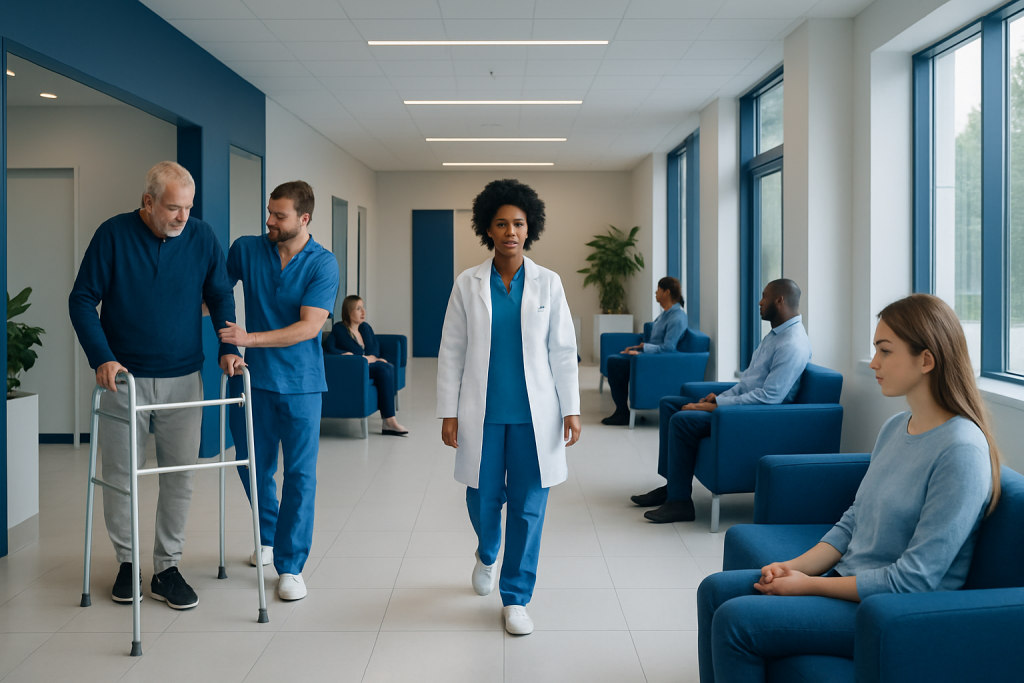
A high-quality rehabilitation program matches treatment intensity, setting and goals to the person’s diagnosis, function and home situation. No single hospital can objectively be named the best rehabilitation centre for every person; quality depends on individual needs and verified outcomes.
Key Takeaways
- A high-quality rehabilitation program matches treatment intensity, setting and goals to the person’s diagnosis, function and home situation.
- No single hospital can objectively be named the best rehabilitation centre for every person; quality depends on individual needs and verified outcomes.
- Evidence-based substance use treatment commonly combines assessment, medical care when needed, behavioural therapies, family support and continuing-care planning.
- Strong rehabilitation services use coordinated input from physicians, nurses, therapists, psychologists, social workers and other relevant specialists.
- Urgent medical assessment is needed for overdose, withdrawal complications, suicidal thoughts, sudden weakness, chest pain or new severe symptoms.
The nicest rehab centers are not defined by appearance or luxury alone. They provide safe, respectful, person-centred rehabilitation led by qualified multidisciplinary teams and guided by measurable, evidence-based goals.
Overview: what makes a rehab center truly good?
People searching for the nicest rehab centers are often looking for more than an attractive building. They usually want a place where they or a loved one will be treated with dignity, listened to carefully and given care that is safe, effective and tailored to real-life goals. The most useful way to compare rehabilitation centres is to look for clinical quality, qualified staff, clear communication, safety practices and evidence-based treatment rather than relying on rankings or amenities alone.
Rehabilitation can mean different things. Inpatient physical rehabilitation may help someone recover after stroke, spinal injury, joint surgery, brain injury or serious illness. Substance use rehabilitation focuses on treating alcohol or drug use disorders and related physical and mental health needs. Some programmes also support recovery from chronic pain, neurological conditions or mental health concerns.
A suitable centre starts with a comprehensive assessment and develops an individual plan. It should explain why each therapy is recommended, how progress will be measured, what family or carers can expect, and how transition home or to outpatient services will be planned. Respectful surroundings can support recovery, but clinical appropriateness remains the foundation of good care.
How to assess rehabilitation quality and fit
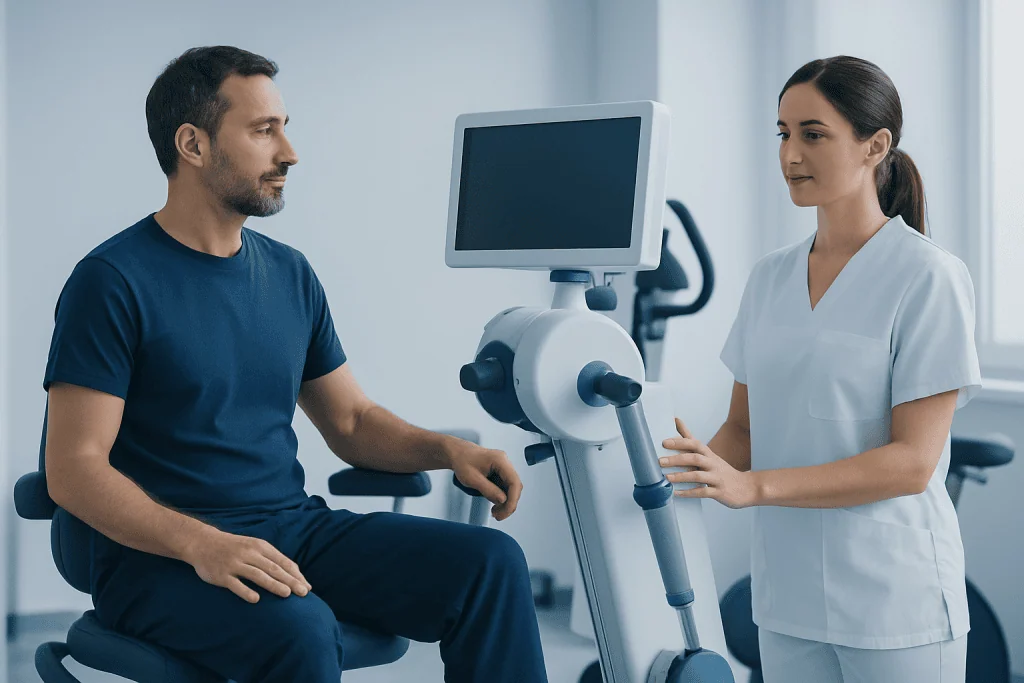
There is no universal checklist that identifies the nicest rehab in the US or any other country for every person. A centre may be excellent for intensive neurological rehabilitation but not offer the specialist addiction care, paediatric services or medical monitoring another patient needs. The best choice depends on diagnosis, safety needs, ability to participate in therapy, expected recovery goals and available support after discharge.
When comparing services, patients and families can ask whether the centre has accredited facilities, licensed clinicians and clinicians experienced in the relevant condition. It is also reasonable to ask about medical coverage, therapy frequency, nursing expertise, infection prevention, medication management, emergency procedures and how the team tracks function, symptoms and quality of life.
For best inpatient physical rehab facilities, the composition of the team matters. Rehabilitation physicians, nurses, physiotherapists, occupational therapists, speech and language therapists, psychologists, dietitians and social workers may all contribute, depending on the person’s needs. Good teams hold regular goal-setting discussions and adapt the plan when progress or circumstances change.
- Ask which services are available every day and which are available only by referral.
- Request a clear explanation of admission criteria and likely treatment intensity.
- Discuss accessibility, family involvement, language support and discharge planning early.
- Check whether the programme coordinates with the patient’s regular doctor and local follow-up services.
What is the #1 rehab hospital in the US?
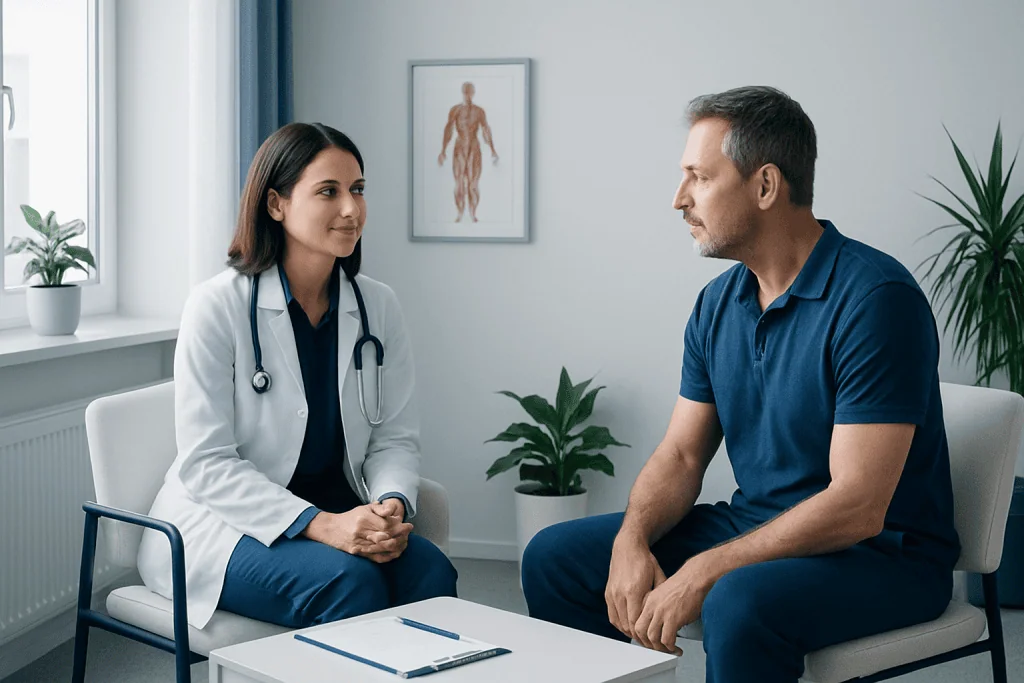
No single rehabilitation hospital can fairly be called the #1 rehab hospital in the US for all patients. Public rankings may use different methods and may change over time; they also cannot fully capture whether a particular programme matches a person’s diagnosis, medical complexity, preferences, insurance arrangements or discharge needs.
A more reliable question is: which accredited programme has demonstrated expertise in this person’s condition and can provide the right level of care? For example, a patient recovering after a stroke may benefit from a service with coordinated neurological rehabilitation, while someone after major orthopaedic surgery may need intensive mobility training, pain management and planning for a safe return home.
Patients can ask a doctor or discharge planner for several appropriate options, then compare clinical services, staffing, safety measures and communication. It can be helpful to request outcome information relevant to the individual goal, such as functional improvement, successful discharge home or continuity of care, while recognising that outcomes vary with illness severity and personal circumstances.
What is the most successful rehab in the US?
The most successful rehab in the US is not a single named facility. Success should be defined with the patient before treatment begins. In physical rehabilitation, it may include safer walking, greater independence with daily activities, improved communication, reduced caregiver burden or a return to meaningful work and community roles. In substance use treatment, it may include reduced substance use, improved health and stability, sustained engagement in care and safer recovery after a return to daily life.
Rehabilitation outcomes depend on many factors, including the underlying condition, coexisting illnesses, readiness to participate, support at home and access to follow-up care. A responsible programme does not promise a cure or a particular result. Instead, it uses measurable goals, reviews progress with the patient and adjusts treatment when needed.
Continuity is especially important. The transition from inpatient rehabilitation to home, outpatient therapy, community programmes or recovery supports should be planned well before discharge. Written instructions, medication review, appointments, caregiver education and practical planning for mobility, housing, work or relapse prevention can help make gains more sustainable.
What is the evidence-based curriculum for substance abuse treatment?
An evidence-based curriculum for substance abuse treatment is a structured but individualised programme based on established clinical guidelines and ongoing assessment. It does not rely on one therapy or a fixed schedule alone. It addresses the person’s pattern of substance use, physical health, mental health, trauma history, social circumstances, strengths and recovery goals.
Care commonly begins with screening and assessment, followed by medically supervised withdrawal management when clinically indicated. Withdrawal management can improve immediate safety, but it is not the same as treatment for a substance use disorder. Longer-term care may include behavioural therapy, treatment of co-occurring depression, anxiety or other conditions, peer support, family involvement when appropriate, and planning for continued treatment after discharge.
Medication may be an important part of treatment for some alcohol, opioid or tobacco use disorders. The choice is made by a qualified clinician after considering the substance involved, medical history, other medicines and patient preferences. Effective programmes also teach practical skills for recognising triggers, managing cravings, responding to setbacks and building supportive routines.
For a person with urgent intoxication, suspected overdose, severe withdrawal symptoms or thoughts of self-harm, emergency medical care is more appropriate than waiting for routine admission to a rehabilitation programme.
What are some examples of evidence-based therapy practices?
Examples of evidence-based therapy practices for substance use disorders include motivational interviewing, cognitive behavioural therapy, contingency management and family-based approaches when suitable. Motivational interviewing helps a person explore mixed feelings about change without judgement. Cognitive behavioural therapy develops skills for identifying patterns, managing triggers and making safer choices in difficult situations.
Contingency management uses planned positive reinforcement to support treatment participation or agreed recovery behaviours. Relapse-prevention approaches help people recognise early warning signs, plan responses to high-risk situations and return to care promptly after a setback. Mutual-support groups may also be useful for some people, although they should complement rather than replace clinical assessment and treatment when these are needed.
In physical rehabilitation, evidence-based therapies may include task-specific practice, progressive exercise, mobility and balance training, occupational therapy for daily activities, speech and swallowing therapy, and psychological support. The exact programme depends on the diagnosis and should be adjusted to symptoms, fatigue, safety and meaningful goals.
The best evidence based practice in nursing combines current research, clinical expertise and the patient’s values. Rehabilitation nurses contribute through medication safety, skin care, pain and symptom monitoring, mobility support, education, prevention of complications and coordination with the wider team.
How rehabilitation works: candidacy, steps, recovery and safety
Rehabilitation usually starts when a physician or care team identifies goals that are likely to improve with coordinated therapy. Candidacy for inpatient rehabilitation may depend on medical stability, the need for close nursing or medical supervision, ability to take part in an intensive programme and the presence of realistic functional goals. People who do not need inpatient care may be better served by outpatient, home-based or community rehabilitation.
Step by step, the process generally includes an initial medical and functional assessment, goal setting with the patient, a personalised treatment plan, regular therapy sessions and team reviews. Before discharge, the team prepares a transition plan that may include home-safety guidance, equipment recommendations, prescriptions, caregiver training and follow-up appointments. In addiction care, this process also includes a continuing-care and relapse-response plan.
Recovery timelines vary widely. Some people make noticeable functional gains in days or weeks, while recovery after major neurological injury, trauma or severe illness may continue for months or longer. Progress is rarely completely linear. Tiredness, pain, mood changes, illness or a change in home circumstances can affect participation, and clinicians can help adapt the plan safely.
Benefits may include greater independence, improved confidence, better symptom control and safer participation in daily life. Possible risks include falls, fatigue, muscle or joint discomfort, emotional distress and complications related to an underlying illness. Careful assessment, supervision, communication and prompt reporting of new symptoms help reduce these risks.
When to seek medical care
People should seek urgent medical help for suspected overdose, severe alcohol or drug withdrawal, seizures, confusion, hallucinations, breathing difficulty, chest pain, sudden weakness, new facial drooping, severe headache, loss of consciousness or thoughts of harming themselves or others. Emergency services or the nearest emergency department are appropriate in these situations.
A doctor should also be contacted promptly when a person’s physical function suddenly declines, a fall causes injury, pain becomes severe or new, swallowing becomes difficult, fever develops during recovery, or a rehabilitation plan is no longer manageable at home. Early assessment can identify complications and help determine whether the level of rehabilitation support needs to change.
For international patients, Acibadem International’s multidisciplinary specialists and JCI-accredited hospitals can assess rehabilitation needs and coordinate treatment planning for a range of medical conditions. A qualified clinician can help patients choose between inpatient, outpatient and home-based rehabilitation according to their individual circumstances.
Frequently asked questions
How can someone choose among the nicest rehab centers?
The most suitable centre should offer respectful care alongside clinically appropriate services, licensed professionals and a clear treatment plan. Patients should compare expertise for their specific diagnosis, medical supervision, therapy access, safety practices and discharge support rather than relying on appearance or broad rankings alone.
Are inpatient rehabilitation programs always better than outpatient care?
No. Inpatient rehabilitation is most useful when a person needs intensive therapy plus close medical or nursing support. Many people recover well with outpatient, home-based or community services when they are medically stable and have appropriate support.
How long does rehabilitation usually last?
The duration depends on the condition, the person’s starting function, treatment goals and progress. An inpatient stay may be relatively short, while therapy and recovery support can continue for weeks, months or longer after discharge.
Does detoxification treat a substance use disorder?
Detoxification or withdrawal management can address immediate medical risks when someone stops using a substance. It is usually only the first step, because ongoing treatment and recovery support are important for reducing the likelihood of return to harmful substance use.
Can a person receive therapy for mental health and substance use at the same time?
Yes. Integrated care is often recommended when mental health conditions and substance use occur together. The treatment team can assess both concerns and coordinate psychological therapy, medical treatment and continuing support.
What should families ask before rehabilitation discharge?
Families can ask about medications, warning signs, follow-up appointments, equipment, home safety and the level of help needed with daily activities. They should also ask who to contact if symptoms worsen or the plan is difficult to follow at home.
References
- World Health Organization
- National Institute on Drug Abuse
- Substance Abuse and Mental Health Services Administration
- American Heart Association
- American Congress of Rehabilitation Medicine
This article is for general information only and is not a substitute for professional medical advice. Please consult a qualified doctor about your individual situation.
Explore treatments in Turkey — costs, top hospitals & a free quote
JCI-accredited · board-certified surgeons · reply within 24h
Add us as a Preferred Source to see more of our trusted health content across Google Search, AI Overviews and Discover.

More from the Health Library


Related Specialists

Assoc. Prof. Dr. Didem Öncel Yakar
General Surgery
Prof. Dr. Kahraman Öztürk
Orthopedic Surgery & Traumatology
Prof. Dr. Mustafa Öztürk
Radiology
Fzt. Kenan Kesgin
Physical Medicine & Rehabilitation