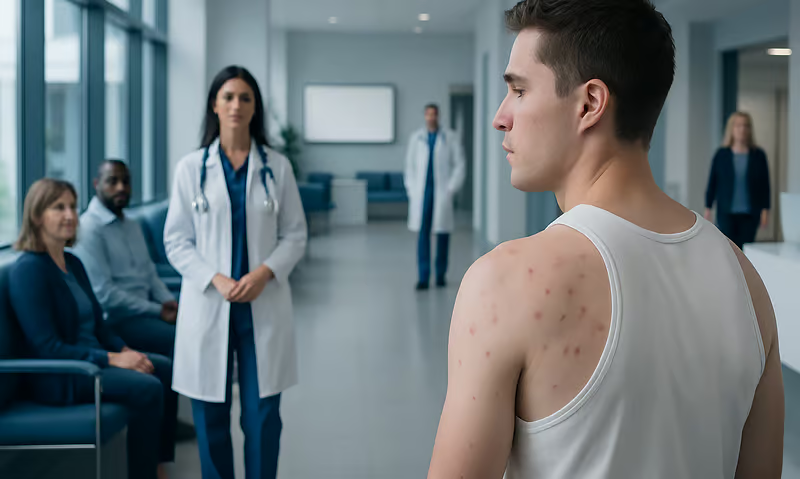
Nicotine Replacement Patches: Procedure, Recovery and Results
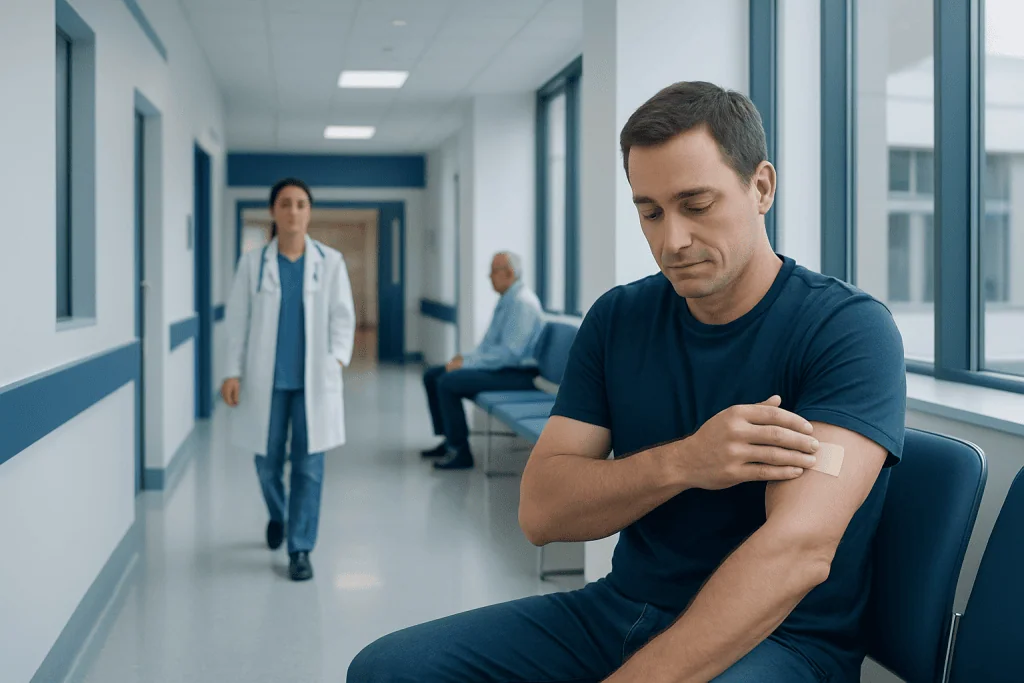
Nicotine patches provide a steady dose of nicotine without tobacco smoke, tar or carbon monoxide. Patch strength and treatment duration are usually selected according to a person's smoking pattern and nicotine dependence.
Key Takeaways
- Nicotine patches provide a steady dose of nicotine without tobacco smoke, tar or carbon monoxide.
- Patch strength and treatment duration are usually selected according to a person's smoking pattern and nicotine dependence.
- Common effects include skin irritation, vivid dreams and sleep disturbance; severe reactions are uncommon but require medical advice.
- Using a patch with counseling and a quit plan generally improves the chance of stopping smoking compared with trying to quit without support.
- People preparing for surgery should discuss all nicotine products, including patches, with their surgical team.
Nicotine replacement patches are a non-prescription or prescription-supported smoking cessation option that releases nicotine steadily through the skin, helping reduce cravings and withdrawal without exposure to cigarette smoke. They work best when combined with a structured quit plan, behavioral support and medical guidance when needed.
Overview: What Are Nicotine Replacement Patches?
Nicotine replacement patches are adhesive skin patches used to support smoking cessation. They release nicotine slowly through the skin over a set period, commonly 16 or 24 hours, helping to ease cravings, irritability, restlessness and other symptoms that can occur when a person stops smoking.
Unlike cigarettes and other smoked tobacco products, patches do not involve burning tobacco or inhaling smoke. This means they do not expose the lungs to tar, carbon monoxide or many of the toxic chemicals produced by combustion. However, nicotine is still an active drug and can affect the heart, blood vessels, sleep and wound healing, so it should be used as directed.
A nicotine patch is not a standalone cure for tobacco dependence. It is usually most effective as part of a broader quit plan that includes identifying triggers, learning ways to manage urges and obtaining counseling or follow-up support. A clinician can help select the most suitable nicotine replacement approach, especially for people with medical conditions or those taking regular medicines.
How Nicotine Patches Work and Who May Benefit
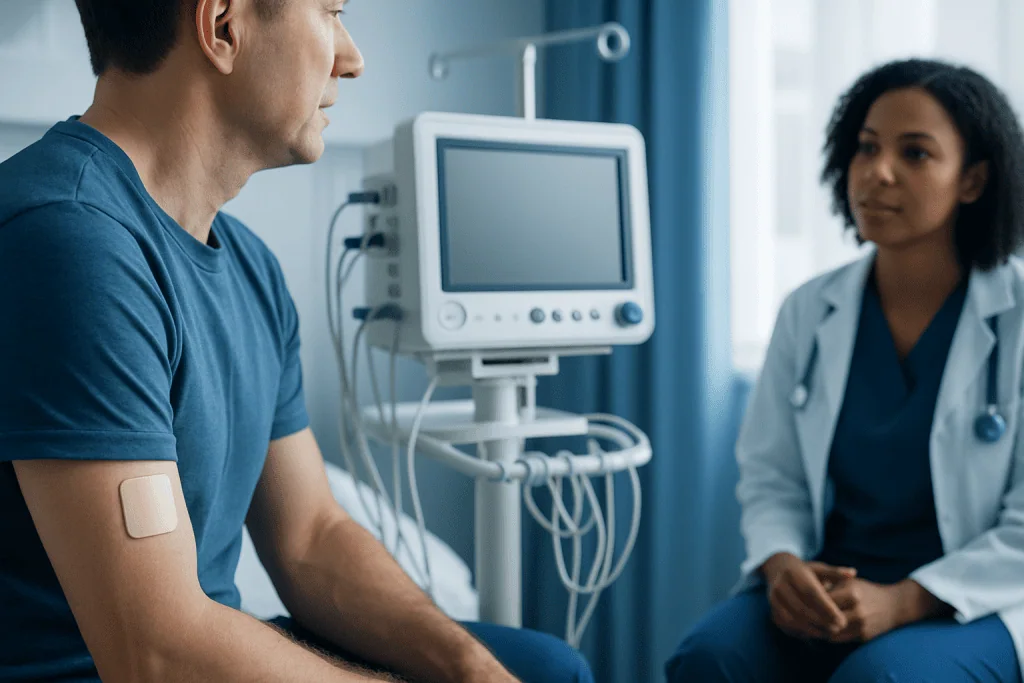
Smoking delivers nicotine to the brain very quickly, reinforcing the urge to smoke again. A patch provides nicotine more gradually and consistently. This can reduce the intensity of withdrawal symptoms while a person works on changing routines and behaviors connected with smoking.
Nicotine replacement patches may be appropriate for many adults who smoke cigarettes and are ready to make a quit attempt. The starting patch strength is generally based on how much a person smokes and how soon after waking they usually smoke. Over time, the dose is stepped down so the body can adjust to lower nicotine levels.
Medical advice is particularly important for people who are pregnant or breastfeeding, younger people, those with a recent heart attack or unstable chest pain, significant heart rhythm problems, severe skin disease, or a history of serious reactions to nicotine products. People who use e-cigarettes, smokeless tobacco or multiple nicotine products should also speak with a clinician to avoid taking more nicotine than intended.
- People with strong morning cravings may need a more structured cessation plan.
- Those who have relapsed after previous quit attempts may benefit from combining a patch with a short-acting nicotine product under professional guidance.
- Counseling, telephone quit services and psychological support can address stress, habits and triggers that a patch alone cannot remove.
Using a Nicotine Patch: Step-by-Step Procedure

Before starting, the person should read the product instructions and discuss the plan with a doctor or pharmacist when there are health concerns, recent surgery, regular medication use or uncertainty about the correct patch strength. It is helpful to choose a quit date and remove cigarettes, lighters and ashtrays from commonly used spaces beforehand.
Each day, the patch is applied to clean, dry, hairless and unbroken skin on the upper body or outer upper arm. The person presses it firmly in place for the recommended time, then washes their hands. The application site should be changed each day to reduce irritation; the same area should generally not be used again for several days.
Patches should not be cut, folded or altered, because doing so may change nicotine delivery. Heat sources, such as heating pads, hot tubs and prolonged direct sun exposure, can increase nicotine absorption and should be avoided around the patch site. A used patch should be folded with the sticky sides together and disposed of safely, out of reach of children and pets.
Some people use a 24-hour patch, while others remove it at bedtime if they develop insomnia or vivid dreams. This adjustment should follow product directions or a clinician’s advice. If a patch falls off, the instructions should be checked before applying a replacement, as recommendations differ between products.
Recovery Timeline, Benefits and Expected Results
There is no physical recovery period after applying a nicotine patch, but the first days after quitting smoking can be challenging. Cravings, low mood, difficulty concentrating, increased appetite and disrupted sleep are common withdrawal symptoms. The patch can reduce these symptoms, but it does not always eliminate them completely.
During the first one to two weeks, it is useful to expect cravings at familiar smoking times, such as after meals, during work breaks or when under stress. Simple strategies may help: drinking water, taking a short walk, practicing slow breathing, avoiding alcohol if it is a trigger and contacting a support person. Cravings often rise and fall within a few minutes.
Potential benefits begin when smoking stops. Carbon monoxide exposure falls quickly after the last cigarette, and the body starts to recover from the effects of smoke exposure over time. Nicotine patches can make it more manageable to remain smoke-free during this adjustment period while avoiding the harmful substances in cigarette smoke.
Progress is not always linear. A lapse does not necessarily mean a person has failed or should abandon treatment. They should avoid smoking while wearing the patch unless a clinician has specifically advised otherwise, review what triggered the lapse and seek support to restart the plan safely.
How Long Should You Be on Nicotine Replacement Therapy?
Many nicotine patch programs last about 8 to 12 weeks, with a gradual reduction from a higher-strength patch to lower-strength patches. The appropriate duration varies according to nicotine dependence, previous quit attempts, withdrawal symptoms and the type of nicotine replacement product being used.
Some people need a longer course to prevent relapse, particularly if they continue to have frequent cravings after the usual step-down period. Longer use can be appropriate under medical supervision, but treatment should be reviewed rather than continued automatically. The goal is to stop smoking first and then reduce dependence on replacement nicotine in a planned way.
Stopping a patch too early can leave a person with difficult cravings, while staying on a dose that is too high can cause unwanted effects. A doctor, pharmacist or smoking cessation specialist can tailor the schedule and discuss whether another approach, such as behavioral therapy or a prescription smoking cessation medicine, may be helpful.
How Long Does Nicotine Stay in Your System After Taking Off a Patch?
After a nicotine patch is removed, nicotine levels begin to decline. Nicotine itself is cleared relatively quickly, but its main breakdown product, cotinine, remains measurable for longer. The exact time varies with patch strength, duration of use, metabolism, kidney and liver function and whether the person is also using other nicotine-containing products.
In general, nicotine can decrease substantially within hours after a patch is removed, while cotinine may be detectable for several days and sometimes longer. This does not mean that nicotine effects continue at the same level throughout that time; it reflects how the body processes and eliminates nicotine.
Nicotine testing and surgical requirements should always be discussed directly with the relevant clinician or program. A person should not remove a patch or change cessation treatment solely to meet a test requirement without medical guidance, especially if that may lead to smoking again.
Does Nicotine Make It Harder to Heal After Surgery?
Nicotine can narrow blood vessels and may reduce blood flow to healing tissues. Because adequate circulation is important for wound healing, surgeons often advise avoiding all nicotine products before and after certain operations, including cigarettes, e-cigarettes, nicotine pouches, gum and patches. Smoking adds further risks because smoke also reduces oxygen delivery and contains many harmful chemicals.
The level of concern depends on the operation and the person’s overall health. Nicotine exposure can be especially relevant for procedures involving skin flaps, grafts, reconstructive surgery, bone healing or operations where blood supply to tissues is particularly important. The surgical team can explain the recommended nicotine-free period for the specific procedure.
A person should not assume that a nicotine patch is safe to continue around surgery simply because it does not contain smoke. They should tell the anesthesiologist and surgeon about every nicotine product they use. If quitting is difficult before an operation, the care team can discuss safer, individualized support options.
Risks, Safety and When to Seek Medical Care
Most people tolerate nicotine patches well. Mild redness, itching or burning where the patch was applied is common and may improve by rotating sites. Other possible effects include headache, nausea, dizziness, palpitations, vivid dreams and sleep disturbance. Reducing nicotine exposure, changing the timing of patch removal or discussing another product may help, but changes should follow professional advice.
Using a patch while continuing to smoke or while using other nicotine products can lead to excessive nicotine exposure. Symptoms may include nausea, vomiting, sweating, dizziness, tremor, rapid heartbeat or marked weakness. A person should remove the patch and seek urgent medical advice if symptoms are severe or persistent.
Medical care should be sought promptly for chest pain, fainting, severe or irregular heartbeat, trouble breathing, facial or throat swelling, a widespread rash, or signs of a serious allergic reaction. A child or pet who has touched, chewed or swallowed a patch needs urgent poison-control or emergency guidance because even used patches may contain nicotine.
For international patients, Acibadem International’s multidisciplinary specialists and JCI-accredited hospitals can assess smoking-related health concerns and support individualized care planning. A doctor can also help coordinate smoking cessation with upcoming surgery or treatment for related health conditions.
Frequently asked questions
What is the success rate of nicotine patches?
Nicotine patches can improve the likelihood of quitting smoking compared with attempting to quit without medication, particularly when they are combined with behavioral counseling. There is no single success rate for every person because results depend on nicotine dependence, support, adherence, stress, other health conditions and previous quit attempts. A clinician can help strengthen a quit plan if cravings or relapse continue.
Can someone smoke while wearing a nicotine patch?
Smoking while wearing a nicotine patch is generally discouraged because it can increase nicotine exposure and cause symptoms such as nausea, dizziness, sweating or a racing heartbeat. If a person smokes after starting a patch, they should review the product instructions and contact a pharmacist or clinician for guidance. A lapse can be addressed without abandoning the overall quit attempt.
Can nicotine patches cause vivid dreams?
Yes. Vivid dreams and sleep disturbance can occur, particularly with patches designed to be worn for 24 hours. Some people may be advised to remove the patch before sleep, depending on the product and their cessation plan. They should discuss persistent sleep problems with a healthcare professional rather than changing treatment without advice.
Are nicotine patches safe for people with heart disease?
Many people with stable cardiovascular disease can use nicotine replacement therapy under clinical guidance, and stopping smoking is very important for heart health. However, people with a recent heart attack, unstable chest pain or serious heart rhythm symptoms should consult their doctor before starting a patch. Individual assessment is important because nicotine can affect heart rate and blood pressure.
Can a nicotine patch be used during pregnancy?
Stopping smoking during pregnancy is beneficial, but nicotine replacement should be discussed with an obstetric clinician or smoking cessation specialist. They can weigh the risks of continued smoking against the potential role of a supervised cessation aid. Pregnancy-specific counseling and follow-up are recommended.
What should someone do if the skin reacts to a nicotine patch?
Mild local redness or itching may improve by applying the next patch to a different, clean area of skin and rotating sites each day. The patch should not be applied to irritated, broken or rash-affected skin. A severe rash, swelling, blistering or symptoms away from the patch site should be assessed by a healthcare professional.
References
- World Health Organization
- Centers for Disease Control and Prevention
- U.S. Food and Drug Administration
- Cochrane
- National Cancer Institute
This article is for general information only and is not a substitute for professional medical advice. Please consult a qualified doctor about your individual situation.
Explore treatments in Turkey — costs, top hospitals & a free quote
JCI-accredited · board-certified surgeons · reply within 24h
Add us as a Preferred Source to see more of our trusted health content across Google Search, AI Overviews and Discover.