Nile Virus Treatment: How It Works, Results and What to Expect

There is no routine, proven antiviral treatment that cures West Nile virus; care is tailored to symptoms and illness severity. Most infected people do not develop symptoms, and most symptomatic infections are mild and improve with supportive care.
Key Takeaways
- There is no routine, proven antiviral treatment that cures West Nile virus; care is tailored to symptoms and illness severity.
- Most infected people do not develop symptoms, and most symptomatic infections are mild and improve with supportive care.
- Severe disease can affect the brain, spinal cord or their coverings and needs urgent hospital evaluation.
- Recovery may take days to weeks after mild illness, while neurologic recovery can take months and may be incomplete.
- Mosquito-bite prevention remains the most effective way to reduce the risk of West Nile virus infection.
Nile virus treatment, more accurately called West Nile virus treatment, focuses on relieving symptoms, maintaining hydration and monitoring for complications because no specific antiviral medicine is routinely approved. Most people who develop symptoms recover with rest and supportive care, while severe nervous system infection requires prompt hospital assessment and specialist treatment.
Nile Virus Treatment: How It Works
Nile virus treatment generally refers to care for West Nile virus, an infection spread mainly through the bite of an infected mosquito. Treatment is supportive: clinicians help control fever, pain, nausea or dehydration, and they closely assess for signs that the infection is affecting the nervous system. There is currently no routinely recommended antiviral medicine that has been proven to eliminate West Nile virus infection.
Most people who become infected have no symptoms. Among those who do feel unwell, symptoms are often flu-like and can usually be managed at home with rest, fluids and appropriate non-prescription medicines recommended by a clinician or pharmacist. Antibiotics do not treat viral infections such as West Nile virus unless a separate bacterial infection is diagnosed.
More serious illness, sometimes called neuroinvasive West Nile disease, may cause meningitis, encephalitis or acute weakness. In this situation, care is provided in hospital and may include intravenous fluids, medications for symptoms, breathing support when needed, prevention of complications and rehabilitation. The aim is to support the body while the immune system clears the virus and to address any effects on the brain, nerves or muscles.
Symptoms and Candidacy for Different Levels of Care
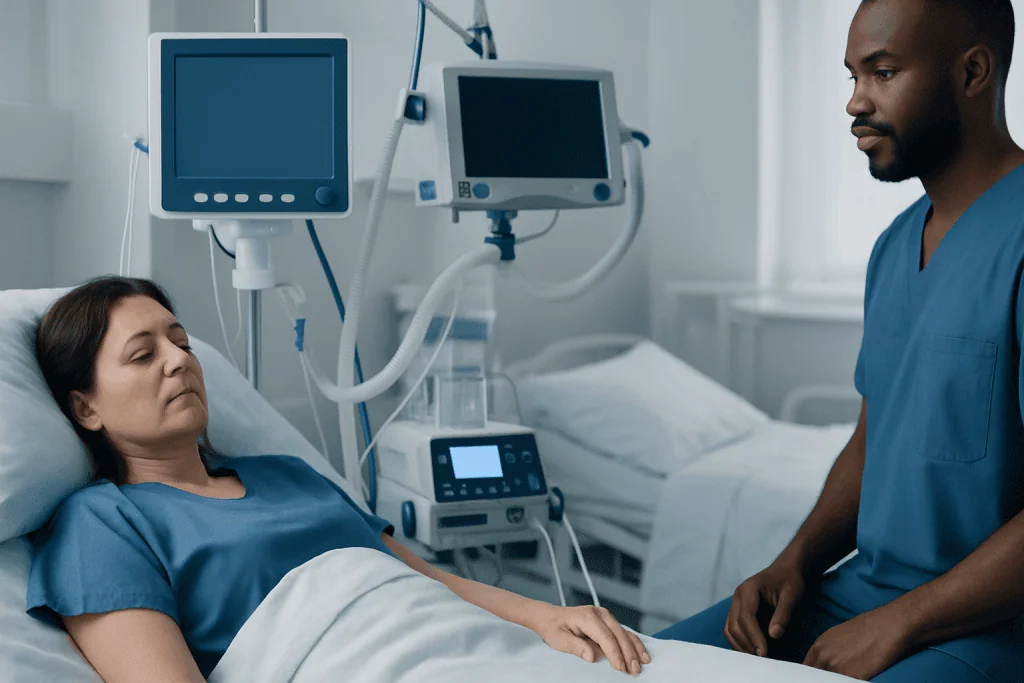
The first signs of West Nile virus, when symptoms occur, commonly begin about 2 to 14 days after a mosquito bite. They may include fever, headache, tiredness, body aches, joint pain, nausea, vomiting or a rash on the trunk. These symptoms can overlap with many other viral illnesses, so a diagnosis cannot be made from symptoms alone.
People with mild symptoms who can drink fluids, remain alert and are gradually improving may often recover with home care and medical advice. A clinician may recommend testing or closer follow-up based on local West Nile activity, recent mosquito exposure, age, pregnancy, underlying conditions and the pattern of symptoms.
Older adults and people with conditions that affect immune function may be more likely to develop severe illness, although serious disease can occur in otherwise healthy people. Individuals with confusion, severe headache, stiff neck, tremor, seizures, new weakness, difficulty walking or trouble breathing are candidates for urgent evaluation rather than home management.
- Home-based supportive care: usually appropriate for mild, stable symptoms after clinical guidance.
- Outpatient review: may be needed for persistent fever, dehydration, worsening symptoms or diagnostic testing.
- Hospital care: is needed when neurologic symptoms, severe dehydration, breathing problems or marked weakness are present.
Diagnosis and What to Expect Step by Step
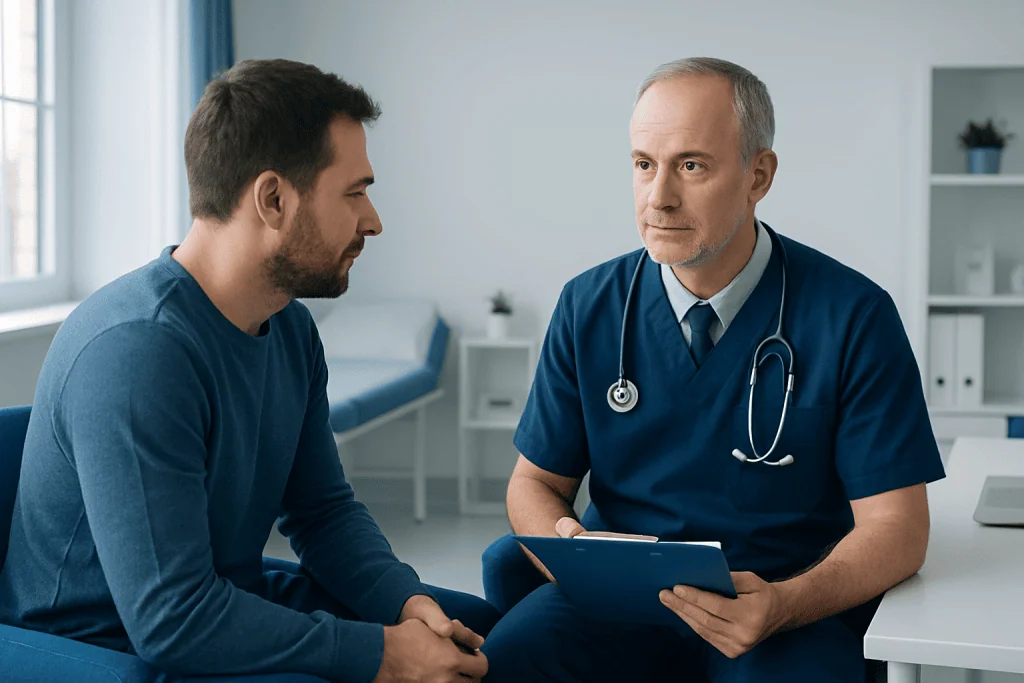
A healthcare professional starts by reviewing symptoms, travel and outdoor exposure, mosquito bites, medications and medical history. The examination may include a detailed neurologic assessment of alertness, speech, neck movement, strength, coordination and reflexes. Because West Nile virus symptoms resemble other conditions, clinicians also consider alternative causes that may need different treatment.
Testing commonly looks for antibodies made by the immune system in response to West Nile virus. A blood test may be sufficient in mild illness. If there are signs of meningitis or encephalitis, a lumbar puncture may be recommended to examine cerebrospinal fluid and to rule out other infections or inflammatory conditions. Imaging, such as MRI or CT, and other laboratory tests may be used when clinically appropriate.
How long West Nile test results take depends on the test, laboratory and whether confirmatory public health testing is needed. Some initial laboratory results may return within a few days, while specialized confirmation can take longer. The clinical team does not always wait for final results to begin supportive treatment or to investigate urgent causes of neurologic symptoms.
After assessment, the care plan is adjusted to the person’s condition. For mild infection, this may involve clear home-care instructions and safety-net advice. For severe illness, hospital clinicians monitor neurologic function, hydration, oxygen levels and complications, involving infectious disease, neurology, critical care and rehabilitation specialists as necessary.
Treatment Options, Benefits and Possible Risks
For uncomplicated West Nile fever, treatment may include rest, regular fluids and medication for fever or discomfort when appropriate for the individual. It is important not to exceed recommended amounts of any medicine and to check with a clinician before using pain relievers if there is kidney disease, liver disease, stomach-ulcer history, blood-thinning medication use, pregnancy or another relevant health concern.
In hospital, supportive treatment may include intravenous fluids, anti-nausea medication, careful pain management, oxygen or ventilatory support, and measures to prevent complications from reduced movement. Seizures, if they occur, are treated promptly. People with weakness or difficulty with daily activities may benefit from physiotherapy, occupational therapy and speech-language therapy during recovery.
The benefit of supportive treatment is that it addresses symptoms and protects essential functions while recovery occurs. Its risks depend on the particular intervention: intravenous lines can cause bruising or infection, medications can have side effects, and intensive care treatments have additional risks. Clinicians balance these considerations against the seriousness of illness and explain recommendations to the patient and family.
There is no vaccine approved for routine use in people and no established immunotherapy or antiviral regimen for West Nile virus. Experimental or individualized approaches may occasionally be considered by specialist teams in exceptional circumstances, but they are not standard treatment and should not replace proven supportive care.
Recovery Timeline and Follow-up
How long it takes to get better from West Nile virus varies considerably. Mild symptoms often improve over several days to a few weeks, though fatigue and reduced stamina can linger longer. Rest, gradual return to normal activities and follow-up with a clinician can help people recover safely without pushing through persistent symptoms.
Recovery after neuroinvasive disease is less predictable. Some people improve steadily over weeks or months, while others may have longer-lasting weakness, balance difficulties, problems with concentration, fatigue or changes in mood. Early rehabilitation and regular review can help identify practical needs and support progress over time.
A follow-up appointment is particularly important after hospitalization, neurologic symptoms or ongoing difficulty returning to everyday activities. The care team may review mobility, sleep, pain, cognition, emotional wellbeing and the need for rehabilitation services. New or worsening symptoms should be assessed rather than assumed to be part of recovery.
Acibadem International’s multidisciplinary specialists and JCI-accredited hospitals can assess and treat West Nile virus complications for international patients, including coordinated neurologic evaluation and rehabilitation when required.
Prevention and Self-care After Mosquito Exposure
The odds of getting West Nile virus from any single mosquito bite are low because only some mosquitoes carry the virus. However, risk changes by location, season and local mosquito activity, and a bite cannot be identified as harmless simply by its appearance. Preventing bites is therefore the most reliable protection.
Useful measures include using an insect repellent registered or recommended by local public health authorities, wearing long sleeves and trousers when mosquitoes are active, and using screens or air conditioning indoors. Emptying or covering standing water around the home can reduce areas where mosquitoes breed. Travelers should check destination-specific public health advice during mosquito season.
After a mosquito bite, most people need no testing or treatment if they feel well. Washing the area, avoiding scratching and watching for unusual symptoms is generally sufficient. Anyone who develops fever with severe headache, confusion, neck stiffness, weakness or difficulty breathing should seek medical assessment promptly.
People recovering from a mild illness should prioritize fluids, nourishing food as tolerated, sleep and a gradual return to activity. Alcohol and strenuous exercise may worsen dehydration or fatigue for some people, so it is sensible to resume usual routines only as strength returns.
When to Seek Medical Care
Medical advice is appropriate for fever, headache, rash or body aches after mosquito exposure, particularly when symptoms are persistent, worsening or occurring during a period of known local West Nile virus activity. A clinician can assess whether testing is useful and check for other infections that may require specific care.
Urgent medical care is needed for confusion, unusual drowsiness, severe headache, stiff neck, seizures, fainting, new weakness, loss of coordination, trouble speaking, difficulty swallowing or breathing problems. These symptoms can indicate a serious condition, including but not limited to West Nile neuroinvasive disease, and should be assessed without delay.
People who are older, immunocompromised, pregnant or living with significant chronic illness should contact a healthcare professional early if they develop concerning symptoms. Prompt evaluation is not meant to cause worry; it helps ensure that potentially serious causes are recognized and managed appropriately.
Frequently asked questions
How long does it take to get better from the West Nile virus?
People with mild West Nile virus symptoms often improve within several days to a few weeks, although tiredness can continue for longer. Recovery after illness affecting the brain or nervous system can take weeks to months and varies from person to person. Ongoing weakness, balance problems or concentration difficulties should be discussed with a healthcare professional.
What are the first signs of the West Nile virus?
When symptoms develop, early signs may include fever, headache, fatigue, body aches, joint pain, nausea, vomiting or a rash. Many infected people have no symptoms at all. Severe headache, neck stiffness, confusion or weakness are not typical mild symptoms and need urgent assessment.
What are the odds of getting West Nile virus from a mosquito bite?
The chance from a particular bite is usually low because only a proportion of mosquitoes are infected. Risk can rise in places and seasons where West Nile virus is circulating among mosquitoes and birds. Using repellent and reducing mosquito exposure are effective ways to lower risk.
How long do West Nile test results take?
Turnaround time depends on the type of test and the laboratory performing it. Initial antibody testing may take a few days, while specialized confirmatory testing can take longer. Clinicians may begin supportive care and evaluate other possible causes before all results are available.
Is there a cure or antiviral medication for West Nile virus?
There is no routinely approved antiviral medication or cure specifically for West Nile virus. Treatment focuses on hydration, relief of symptoms and close monitoring, with hospital support for severe illness. Most people with mild symptoms recover with supportive care.
Can West Nile virus be passed from person to person?
West Nile virus is not usually spread through ordinary person-to-person contact such as touching, coughing or sharing food. Rare transmission has occurred through blood transfusion, organ transplantation, pregnancy, delivery or breastfeeding. Blood donation systems use screening measures to reduce transfusion-related risk.
References
- Centers for Disease Control and Prevention
- World Health Organization
- European Centre for Disease Prevention and Control
- National Institute of Neurological Disorders and Stroke
This article is for general information only and is not a substitute for professional medical advice. Please consult a qualified doctor about your individual situation.
Persistent digestive symptoms? Get evaluated in Turkey
JCI-accredited · board-certified surgeons · reply within 24h
Add us as a Preferred Source to see more of our trusted health content across Google Search, AI Overviews and Discover.