

Nimbus COVID — Explained by Medical Evidence, Not Myths

Nimbus COVID is an informal label, not an official medical diagnosis. Most cases are evaluated the same way as other COVID-19 infections: symptoms, testing, exposure history, and risk level.
Key Takeaways
- Nimbus COVID is an informal label, not an official medical diagnosis.
- Most cases are evaluated the same way as other COVID-19 infections: symptoms, testing, exposure history, and risk level.
- Severity can range from mild upper respiratory symptoms to more serious illness, especially in older adults and people with chronic conditions.
- Early testing, rest, fluids, symptom relief, and timely medical advice can help guide safe care.
- Urgent symptoms such as breathing difficulty, chest pain, confusion, or low oxygen need prompt medical attention.
Nimbus COVID is not a distinct disease diagnosis but an informal term people may use for a newer COVID-19 variant, surge, or symptom pattern discussed online. The most reliable way to understand it is through medical evidence: confirmed testing, current public health guidance, individual risk factors, and symptom severity.
What Nimbus COVID Means
Nimbus COVID is not a formal medical term. In most cases, it refers to a newer COVID-19 variant, a wave of infections, or a social-media label for symptoms people are noticing at a particular time. It does not mean a separate illness from COVID-19, and it is not diagnosed differently from other SARS-CoV-2 infections.
The medically sound approach is to focus on evidence rather than nicknames. Doctors look at current circulating variants, symptoms, test results, vaccination history, recent exposure, and a person’s overall health. This helps determine whether someone likely has COVID-19, how serious it may be, and whether home care or treatment is appropriate.
Because variant names and online discussions can spread faster than verified guidance, some confusion is common. A person who hears the term nimbus covid should think of it as a public label, not a new disease category. Reliable information comes from clinicians, public health agencies, and laboratory-confirmed surveillance of COVID-19 strains.
How COVID-19 Symptoms May Present
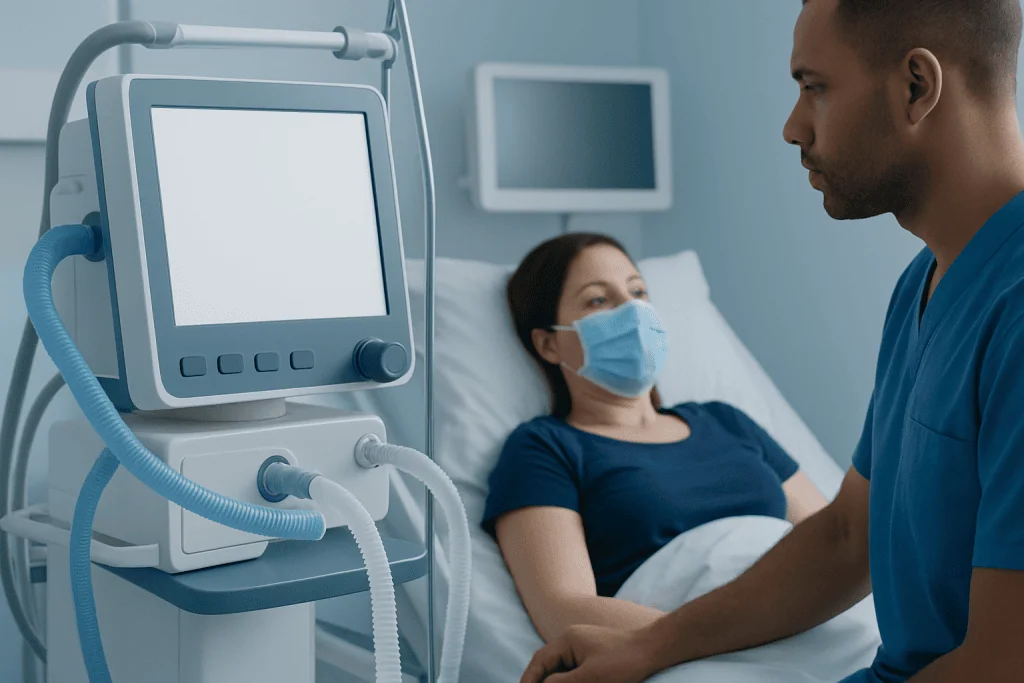
Symptoms linked to nimbus covid are generally the same as those seen with other recent COVID-19 infections. Many people develop upper respiratory symptoms such as sore throat, nasal congestion, runny nose, cough, headache, fatigue, or fever. Some also report muscle aches, chills, or changes in appetite.
Digestive symptoms can occur as well, including nausea or diarrhea. Some people lose their sense of taste or smell, although this has become less prominent in some later variant waves. The exact symptom pattern can vary between individuals and may also be influenced by prior immunity from vaccination or past infection.
COVID-19 can still progress beyond mild cold-like symptoms. Shortness of breath, worsening cough, high fever that does not improve, dehydration, or marked weakness may signal more significant illness. People with risk factors should pay closer attention even if early symptoms seem mild.
- Common symptoms: sore throat, cough, congestion, fatigue, headache, fever
- Sometimes present: body aches, nausea, diarrhea, reduced taste or smell
- Concerning symptoms: breathing difficulty, chest pain, confusion, bluish lips, low oxygen levels
Why It Happens and Who May Be at Higher Risk
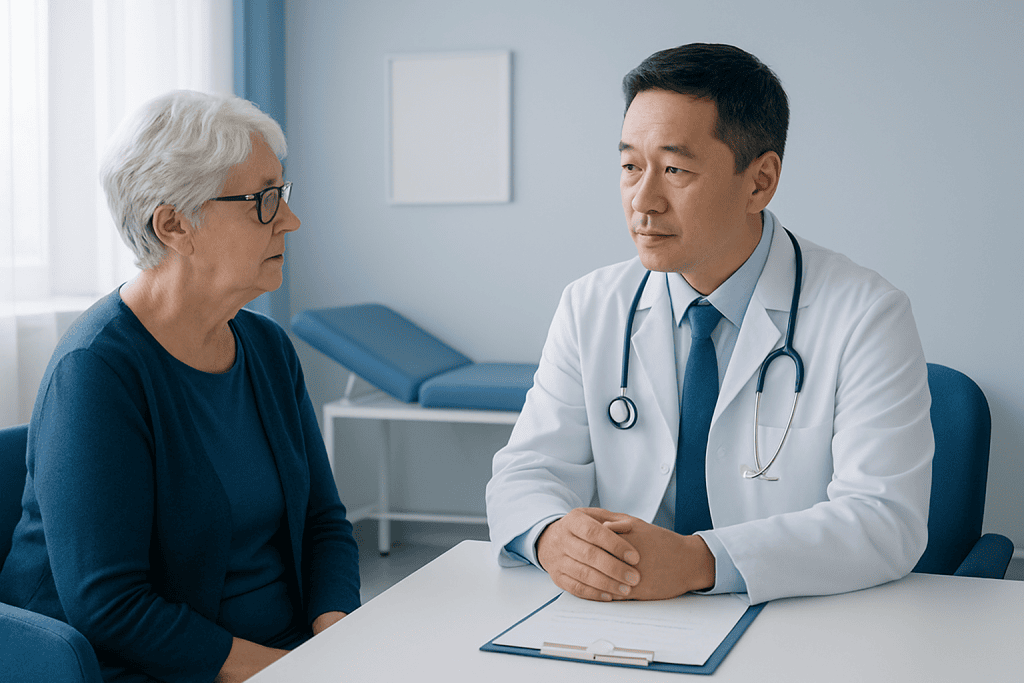
Nimbus COVID happens for the same reason any COVID-19 infection happens: exposure to the SARS-CoV-2 virus. The virus continues to evolve over time, and new variants may spread more easily or partially bypass existing immunity. That does not automatically mean they cause more severe disease, but it can influence how many people become infected during a particular period.
Risk of infection rises with close contact, poorly ventilated indoor spaces, and contact with someone who is contagious. Crowded travel settings, gatherings, or workplaces may increase exposure. Immunity from past infection or vaccination can reduce the risk of severe illness, though it may not fully prevent infection.
Certain groups are more likely to develop complications. These include older adults, pregnant people, individuals with chronic lung or heart disease, diabetes, obesity, kidney disease, cancer, or weakened immune systems. For these groups, early assessment matters even when symptoms initially appear mild. COVID-19 may also overlap with other respiratory conditions such as influenza or pneumonia, which can make a medical evaluation more important.
How Doctors Diagnose Suspected Nimbus COVID
Diagnosis is based on standard COVID-19 evaluation, not on the nickname itself. A doctor considers current symptoms, possible exposure, timing, and whether a home antigen test or laboratory test is positive. If an early home test is negative but symptoms strongly suggest COVID-19, repeat testing after a short interval may be advised because the amount of virus can rise over time.
In some situations, a clinician may recommend a more sensitive laboratory-based test. People who are older, immunocompromised, or at risk for severe illness may need a fuller medical review. This may include checking oxygen levels, listening to the lungs, and assessing for dehydration or signs of complications.
If symptoms are severe or unusually persistent, doctors may also consider other causes such as influenza, RSV, bacterial infection, or an exacerbation of asthma. Imaging or additional tests are not needed for everyone, but they may be used if pneumonia, low oxygen, or another complication is suspected.
Treatment Options and Supportive Care
Most people with mild nimbus covid symptoms can recover at home with rest, fluids, and symptom relief measures recommended by a qualified clinician. The goals are to stay hydrated, manage fever or aches appropriately, monitor symptoms, and reduce spread to others. People should follow current local advice on testing, staying home when sick, and protecting vulnerable contacts.
Some patients benefit from prescription antiviral treatment, especially if they are at higher risk for severe COVID-19 and are assessed early in the illness. These treatments are time-sensitive, so contacting a doctor promptly can matter. Oxygen, hospital care, or treatment for complications may be needed if breathing problems, low oxygen, or significant worsening occurs.
People with chronic respiratory disease may need tailored guidance, especially if COVID-19 triggers wheezing or breathing difficulty. In some cases, doctors may coordinate care through services related to pulmonology evaluation or, if chest imaging is needed to assess complications, radiology services. When symptoms persist for weeks or new problems continue after the acute infection, further assessment may be considered for post-COVID concerns.
Prevention, Recovery, and Self-Care
Prevention remains centered on practical infection-control habits. Staying up to date with recommended COVID-19 vaccination guidance can help lower the risk of severe illness. Good hand hygiene, improving ventilation, covering coughs, and avoiding close contact with others when unwell can also reduce spread.
During recovery, pacing is important. Many people improve within days to a couple of weeks, but fatigue and cough can last longer. Gentle activity, adequate sleep, balanced nutrition, and hydration may support recovery, while overexertion too early can make some people feel worse.
If symptoms are prolonged, recurring, or affecting daily life, medical review is sensible. A doctor can check for complications, lingering inflammation, or another diagnosis. When respiratory symptoms remain troublesome, a broader review may involve a general medical check-up and supportive specialty care.
When to Seek Medical Care
Medical advice should be sought promptly if a person with suspected or confirmed COVID-19 has risk factors for severe illness, is pregnant, or has symptoms that are worsening rather than improving. Early contact is also important for anyone who may be eligible for antiviral treatment, since these medicines are usually most helpful when started soon after symptoms begin.
Urgent or emergency care is needed for warning signs such as trouble breathing, chest pain, new confusion, severe drowsiness, blue or gray lips, signs of dehydration, or a drop in oxygen levels if monitored at home. Infants, frail older adults, and immunocompromised patients may need earlier assessment because deterioration can be less obvious at first.
For international patients who need evaluation, Acibadem International’s multidisciplinary specialists and JCI-accredited hospitals diagnose and treat COVID-related respiratory illness and its complications when appropriate. What matters most is timely, evidence-based assessment by a qualified medical team rather than relying on online labels or myths.
Frequently asked questions
Is nimbus covid a real medical diagnosis?
No. Nimbus COVID is not an official diagnostic term used in standard medical practice. It is generally an informal name people may use online for a newer COVID-19 variant, a wave of cases, or a symptom pattern being discussed.
Are nimbus covid symptoms different from regular COVID-19?
Usually not in a major way. Most reported symptoms are similar to other recent COVID-19 infections, such as sore throat, cough, congestion, fatigue, fever, and headache. Symptom patterns can vary by person, immunity level, and the circulating variant.
How can someone tell whether they have nimbus covid or a cold?
Symptoms can overlap, so testing is often the best way to clarify whether COVID-19 is likely. Exposure history, symptom timing, fever, and worsening fatigue may also help a doctor assess the cause. If symptoms are significant or a person is high risk, professional medical advice is important.
Should a person test again if the first COVID test is negative?
Sometimes yes. Early in the illness, the virus may not yet be at a detectable level, especially on a home antigen test. If symptoms strongly suggest COVID-19, repeating the test after a short interval or asking a doctor about laboratory testing may be appropriate.
Who is more likely to get seriously ill from nimbus covid?
The same groups at higher risk from other COVID-19 infections remain more vulnerable. This includes older adults, pregnant people, and those with chronic diseases such as lung disease, heart disease, diabetes, kidney disease, cancer, or weakened immunity. These individuals should seek advice early if they develop symptoms.
Can nimbus covid be treated at home?
Many mild cases can be managed at home with rest, hydration, and symptom relief measures recommended by a clinician. However, treatment plans differ based on age, risk factors, and severity. People at higher risk may qualify for antiviral treatment and should contact a doctor promptly.
When is COVID-19 considered an emergency?
Emergency warning signs include difficulty breathing, chest pain, severe confusion, blue or gray lips, severe weakness, or low oxygen levels if checked. A person with these symptoms should get urgent medical help right away. If there is any doubt, it is safest to seek immediate evaluation.
This article is for general information only and is not a substitute for professional medical advice. Please consult a qualified doctor about your individual situation.
Explore treatments in Turkey — costs, top hospitals & a free quote
JCI-accredited · board-certified surgeons · reply within 24h
Add us as a Preferred Source to see more of our trusted health content across Google Search, AI Overviews and Discover.

More from the Health Library

Pebbling: An Evidence-Based Guide for Patients

Motegrity: A Complete Medical Overview

Trochlear Nerve: What Patients Need to Know

Tizanidine: An Evidence-Based Guide for Patients

Intermediate Fasting: A Complete Medical Overview

Rheumatoid Nodules: A Complete Medical Overview
Infectious Diseases & Clinical Microbiology Specialists at Acibadem

Dr. Hande Aygün
Infectious Diseases & Clinical Microbiology
Asst. Prof. Dr. Hülya Kuşoğlu
Infectious Diseases & Clinical Microbiology
Prof. Dr. İftahar Köksal
Infectious Diseases & Clinical Microbiology
Prof. Dr. Kenan Hızel
Infectious Diseases & Clinical Microbiology