Nomophobia: A Complete Medical Overview

Nomophobia refers to anxiety or distress related to being without a mobile phone, battery, signal, or internet access. Symptoms may include restlessness, repeated checking, difficulty concentrating, irritability, and panic-like feelings when disconnected.
Key Takeaways
- Nomophobia refers to anxiety or distress related to being without a mobile phone, battery, signal, or internet access.
- Symptoms may include restlessness, repeated checking, difficulty concentrating, irritability, and panic-like feelings when disconnected.
- It can be linked with stress, compulsive smartphone use, social anxiety, or underlying anxiety disorders.
- Assessment focuses on symptoms, habits, emotional impact, and how phone use affects work, school, sleep, and relationships.
- Treatment may include psychotherapy, especially cognitive behavioral approaches, plus gradual behavior change and healthier digital routines.
- Medical advice is important if symptoms are severe, persistent, or interfere with daily life.
Nomophobia is the distress or anxiety a person feels when they cannot use, access, or stay connected through their mobile phone. While not a formal diagnosis on its own in many classification systems, it can meaningfully affect sleep, concentration, relationships, and daily functioning, and it may overlap with other mental health concerns.
What Is Nomophobia?
Nomophobia is a term used to describe the fear, distress, or significant discomfort a person experiences when they are unable to use their mobile phone or stay digitally connected. The word comes from “no mobile phone phobia,” but in practice it usually refers to a pattern of anxiety linked to being without a device, losing signal, running out of battery, forgetting the phone, or not being able to check messages and notifications.
Although nomophobia is widely discussed in health and psychology settings, it is not always listed as a separate formal psychiatric diagnosis. Instead, clinicians often view it as a behavior pattern or symptom cluster that may overlap with anxiety disorders, compulsive behaviors, stress-related conditions, or problematic technology use. This does not make the experience any less real. If phone-related anxiety affects daily life, it deserves attention and support.
For many people, smartphones are essential tools for communication, work, navigation, banking, and safety. Because phones play such a central role in modern life, some concern about losing access is understandable. Nomophobia becomes more important from a health perspective when the distress is out of proportion, hard to control, and strong enough to disrupt sleep, concentration, social interactions, or emotional well-being.
How Nomophobia Can Affect Daily Life
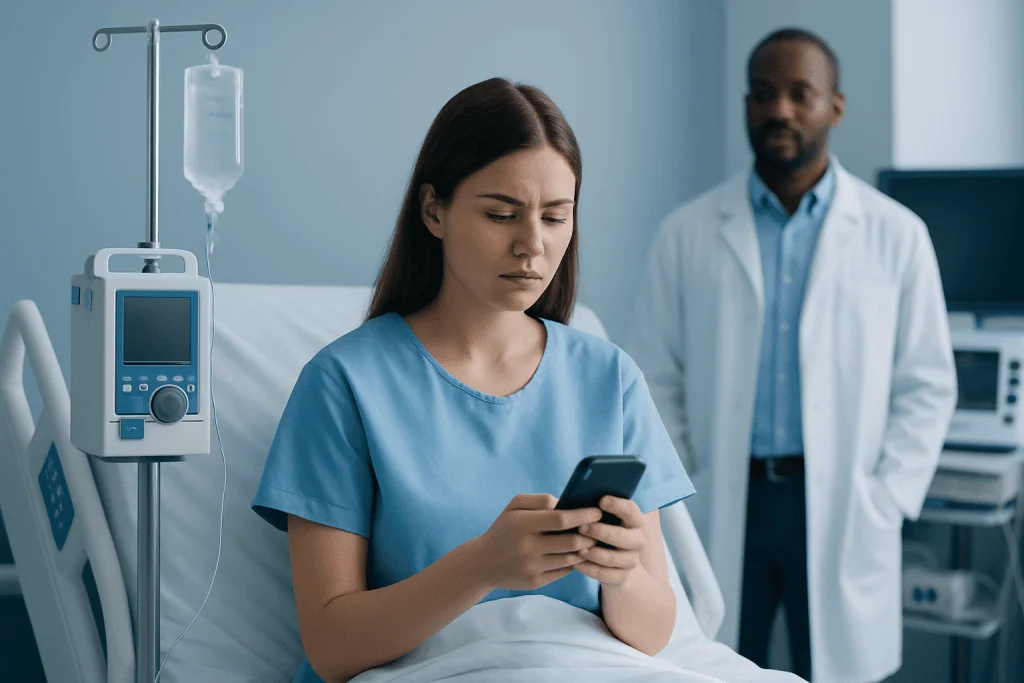
Nomophobia is more than simply liking a phone or using it frequently. The key issue is the emotional dependence that develops around constant access. A person may feel unable to relax unless the phone is nearby, charged, and within reach. They may avoid situations where phone use is limited, such as flights, meetings, classrooms, social events, or bedtime.
This pattern can shape routines in subtle and significant ways. Some people repeatedly interrupt tasks to check their screens, even when there is no alert. Others may sleep with the phone in hand, wake often to review notifications, or become distracted during work, study, meals, and conversations. Over time, these habits can reduce focus, increase fatigue, and affect relationships.
Phone-related anxiety may also reinforce a cycle of reassurance seeking. Each check can briefly reduce uncertainty, but the relief is short-lived, leading to more checking. This pattern resembles other anxiety-driven habits in which temporary comfort keeps the behavior going. In some individuals, nomophobia may appear alongside anxiety disorders or stress-related difficulties, especially if the phone has become the main tool for emotional regulation.
Symptoms and Warning Signs

Nomophobia can involve emotional, physical, behavioral, and cognitive symptoms. The intensity can range from mild discomfort to severe anxiety. Symptoms often appear when a person cannot access their phone, sees low battery, loses signal, forgets the device, or is asked to switch it off.
Common warning signs include:
- Feeling nervous, irritable, or restless when separated from the phone
- Repeatedly checking the device without a clear reason
- Difficulty concentrating because of urges to look at messages or apps
- Carrying chargers or backup devices out of fear of battery loss
- Sleeping with the phone nearby and checking it during the night
- Avoiding places or activities where phone access is limited
- Feeling panic-like symptoms when the phone is lost, misplaced, or disconnected
Some people notice physical symptoms such as a racing heartbeat, sweating, shakiness, muscle tension, upset stomach, or shortness of breath during periods of disconnection. These symptoms can resemble general anxiety or even a panic response. In children, teenagers, and adults alike, mood changes may include frustration, agitation, or low mood when access is restricted.
Another important sign is functional impact. If smartphone-related anxiety causes missed responsibilities, poor academic or work performance, unsafe use while driving, conflict with family members, or reduced face-to-face social interaction, a clinical evaluation may be helpful. In some cases, problematic phone use can overlap with depression or sleep problems rather than occurring in isolation.
Causes and Risk Factors
Nomophobia does not usually have one single cause. It often develops through a combination of psychological vulnerability, daily habits, and the design of digital platforms. Smartphones offer instant communication, entertainment, social validation, and access to information. Over time, the brain may begin to associate checking the phone with relief, reward, or safety.
People with existing anxiety, stress sensitivity, low tolerance for uncertainty, or social discomfort may be more likely to rely heavily on their phones. For some, the device becomes a buffer against boredom, loneliness, or awkward social moments. For others, it acts as a way to monitor work demands, family responsibilities, or social acceptance. Continuous notifications and unpredictable rewards, such as new messages or likes, can strengthen the habit.
Several factors may increase risk:
- High daily screen time or habitual multitasking with digital devices
- Strong reliance on the phone for work, school, social support, or reassurance
- Underlying anxiety, obsessive tendencies, or mood symptoms
- Poor sleep habits and nighttime device use
- Fear of missing out, social comparison, or pressure to respond immediately
- Limited boundaries around technology use at home or work
Nomophobia can affect people of any age, though it is often discussed in adolescents and young adults because mobile technology is woven deeply into education, identity, and social life. Still, adults can experience significant symptoms as well, especially in jobs that encourage constant availability.
How Doctors Assess Nomophobia
There is no single lab test or scan that diagnoses nomophobia. Assessment is based on a careful clinical conversation about symptoms, device habits, emotional responses, and the effect on daily functioning. A doctor, psychologist, or psychiatrist may ask when the anxiety began, what situations trigger it, how often the phone is checked, and whether sleep, relationships, work, or school are being affected.
The clinician may also explore whether another condition better explains the symptoms. For example, phone-related distress may be part of generalized anxiety, social anxiety, panic symptoms, compulsive checking behaviors, attention difficulties, or low mood. Understanding this broader picture is important because treatment is often more effective when it addresses underlying causes as well as the phone-related habits.
Assessment may include questions about screen time, social media use, sleep patterns, stress levels, and coping strategies. In some cases, standardized mental health questionnaires are used to measure anxiety or mood symptoms. If the pattern seems tied to a broader behavioral health issue, a person may benefit from evaluation in psychiatry or a related mental health service.
Treatment Options and Recovery
Treatment for nomophobia depends on symptom severity and whether there are associated mental health concerns. Mild cases may improve with education, practical behavior changes, and stronger digital boundaries. More persistent or disruptive symptoms often respond best to psychotherapy. The goal is not usually to eliminate smartphone use completely, but to reduce anxiety, regain control, and build healthier ways of coping.
Cognitive behavioral therapy is commonly used when anxiety and compulsive checking are present. This approach helps a person identify unhelpful thoughts, such as catastrophic worries about being unreachable, and replace them with more balanced responses. It can also include gradual exposure to short periods without the phone, allowing tolerance to build over time. Depending on the individual, supportive counseling or psychological support may also help improve stress management, self-awareness, and emotional regulation.
Practical treatment strategies often include:
- Creating scheduled phone-free periods during meals, work, study, or bedtime
- Turning off nonessential notifications
- Keeping the phone out of the bedroom or away from the bed
- Using app timers or screen-time tracking tools
- Practicing relaxation techniques when urges to check arise
- Strengthening offline hobbies, exercise, and face-to-face social activities
If nomophobia appears alongside significant anxiety, panic, depression, or insomnia, treatment may also address those conditions directly. A mental health specialist can explain whether medication is appropriate in selected cases, especially when symptoms are part of a broader anxiety or mood disorder. Near the end of the care journey, some people benefit from coordinated support across neurology and mental health services when symptoms such as headaches, sleep disturbance, or concentration problems need broader evaluation.
Self-Care, Prevention, and Healthy Digital Habits
Because phones are part of everyday life, prevention focuses on balance rather than avoidance. Helpful habits include setting clear boundaries for when and why the phone is used. For example, a person may choose not to check messages during meals, conversations, or the first and last hour of the day. These small routines can reduce dependence and improve attention.
Sleep protection is especially important. Using a phone late at night can increase mental stimulation and interfere with rest. Placing the device outside the bedroom, using a traditional alarm clock, and avoiding scrolling in bed may improve both sleep quality and next-day anxiety. Building regular movement, time outdoors, and in-person connection into the day can also reduce the pull of constant screen use.
Families can support healthy habits by modeling balanced technology use and discussing expectations openly. Children and teenagers often respond better to collaborative rules than to sudden restriction alone. Adults may also benefit from reflecting on what the phone is providing emotionally, whether that is reassurance, distraction, contact, or validation. Identifying that function can make change more realistic and sustainable.
For people who struggle to change on their own, professional support can be useful before symptoms become severe. Acibadem International’s multidisciplinary specialists in JCI-accredited hospitals also evaluate and treat technology-related anxiety and associated mental health concerns for international patients when further assessment is needed.
When to Seek Medical Care
It is sensible to seek medical or mental health advice if nomophobia causes marked distress, interferes with work or school, affects sleep, creates conflict in relationships, or leads to unsafe behaviors such as checking the phone while driving. Help is also important if the person feels unable to reduce phone use despite repeated attempts.
Prompt evaluation is recommended when symptoms include panic attacks, severe anxiety, depression, social withdrawal, self-neglect, or major changes in mood and functioning. A professional can determine whether phone-related anxiety is the main issue or part of a broader condition that needs care.
Urgent help should be sought if there are thoughts of self-harm, hopelessness, or any risk to personal safety or the safety of others. In those situations, contacting emergency services or a local crisis resource is the safest step. Early support is often effective and can help restore healthier routines before problems become more deeply established.
Frequently asked questions
Is nomophobia a real medical condition?
Nomophobia is a real and recognized pattern of anxiety and distress related to being without a mobile phone or digital connection. Even if it is not always classified as a separate formal diagnosis, clinicians take the symptoms seriously when they affect daily life.
How is nomophobia different from simply using a phone a lot?
Frequent phone use does not automatically mean nomophobia. The difference is that nomophobia involves significant anxiety, loss of control, or functional problems when access to the phone is limited.
Can nomophobia cause physical symptoms?
Yes. Some people experience racing heartbeat, sweating, shakiness, tension, stomach discomfort, or shortness of breath when they cannot use their phone. These symptoms reflect the body’s anxiety response.
Who is most likely to develop nomophobia?
Nomophobia can affect adolescents, young adults, and older adults. Risk may be higher in people with heavy smartphone use, high stress, fear of missing out, poor sleep habits, or underlying anxiety symptoms.
What is the best treatment for nomophobia?
Treatment depends on how severe the symptoms are. Many people improve with cognitive behavioral therapy, better digital boundaries, reduced notifications, and gradual practice being away from the phone for short periods.
Can nomophobia get better without professional help?
Mild symptoms may improve with self-care, structured phone-free times, and healthier sleep and screen habits. If symptoms persist, worsen, or interfere with functioning, professional support is recommended.
This article is for general information only and is not a substitute for professional medical advice. Please consult a qualified doctor about your individual situation.
Explore treatments in Turkey — costs, top hospitals & a free quote
JCI-accredited · board-certified surgeons · reply within 24h
Add us as a Preferred Source to see more of our trusted health content across Google Search, AI Overviews and Discover.

More from the Health Library

Rybelsus Cost: An Evidence-Based Guide for Patients

Gag Reflex: What Patients Need to Know

Lower Back Stretches — Explained by Medical Evidence, Not Myths

Dilated Pupils: What Patients Need to Know
Wet Dream: An Evidence-Based Guide for Patients